
Living in Dana Point, CA: 5 Reasons You’ll Love It & 3 Reasons It Might Not Be for You
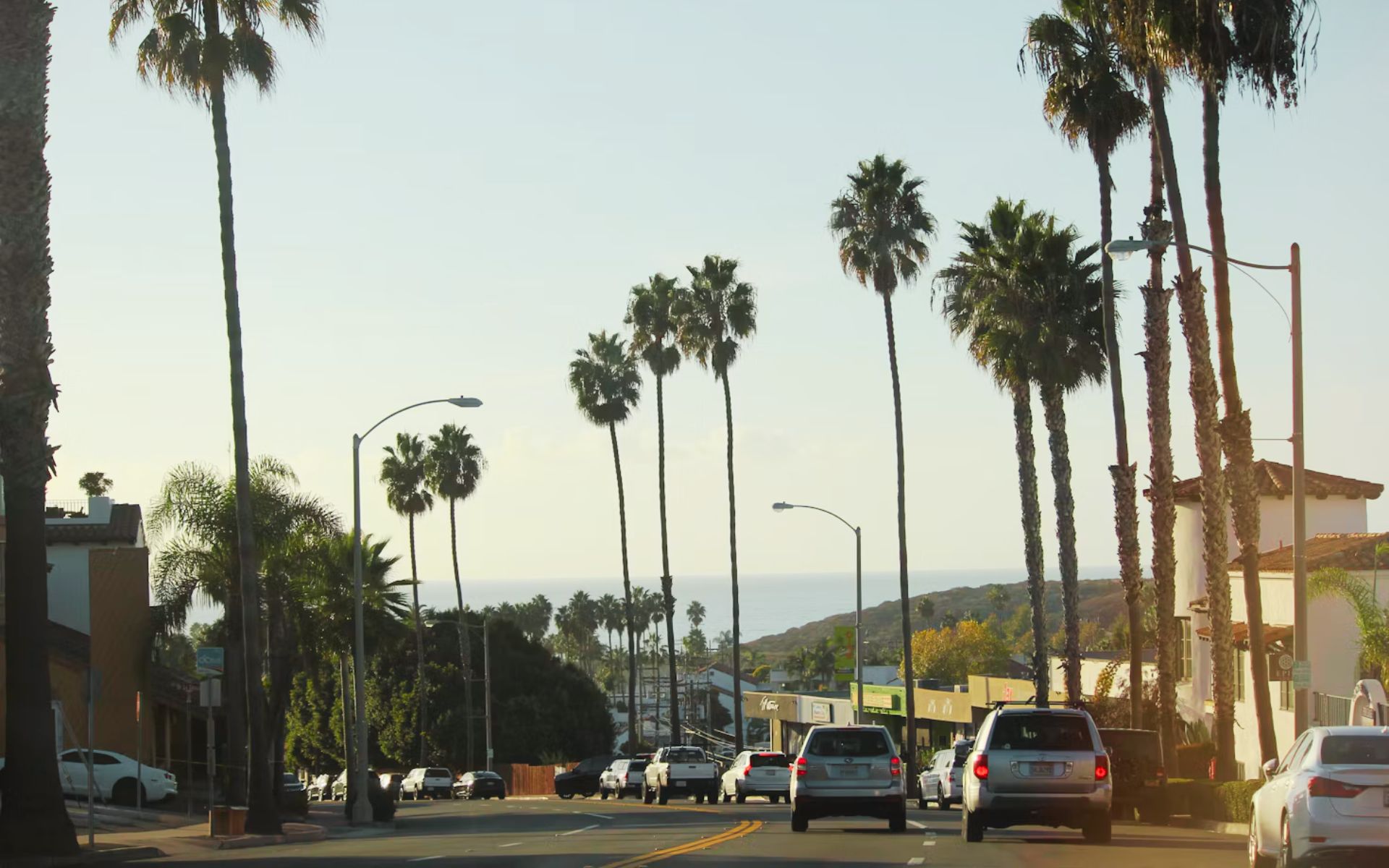
Living in Dana Point, CA means having the Pacific Ocean woven into everyday life.
This South Orange County coastal city combines beaches, surfing, boating, whale watching, bluff-top trails, a working harbor, ocean-view neighborhoods, resort-style communities, and a walkable coastal district centered around the Lantern District and Dana Point Harbor.
But Dana Point is not one uniform beach town.
Living near the Harbor feels different from living in Monarch Beach. A home in Capistrano Beach offers a different setting from a property in Niguel Shores. The Dana Point Headlands can provide dramatic coastal scenery and luxury real estate, while the Lantern District puts residents closer to restaurants, shops, Harbor activity, and many of the city’s community events.
And like any coastal market, there are trade-offs.
Home prices are high. Popular beaches and Harbor destinations can become busy. Properties closer to the coast may require additional maintenance and property-specific due diligence.
So, is living in Dana Point right for you?
Here are five reasons buyers are drawn to Dana Point—and three reasons you may want to think carefully before making a move.
Reason 1: Living in Dana Point Puts You Close to Some of South Orange County’s Best Beaches
For many buyers, the coastline is the first reason to consider living in Dana Point.
The city offers several distinct beach environments rather than one continuous version of coastal living.
The City of Dana Point identifies beaches including Doheny State Beach, Baby Beach, Capistrano Beach, Salt Creek Beach, and Strands Beach, each providing a different experience.
Doheny State Beach
Doheny is one of Dana Point’s best-known beaches.
Located near the Harbor, it combines surfing, swimming, picnicking, camping, tide pools, and easy access to the southern end of Dana Point.
For surfers, Doheny has a long history as a Southern California surf destination.
For residents, its location near the Harbor means a morning surf session, beach walk, or oceanfront picnic can become part of an ordinary day rather than a special trip.
Baby Beach
Inside Dana Point Harbor, Baby Beach offers a completely different experience.
Because it is protected by the Harbor, the water is typically calmer than the open Pacific.
The City describes it as a family-friendly location with shallow water, sandy shoreline, picnic areas, restrooms, kayaking, and paddleboarding.
That makes it particularly appealing to households that want easy recreational access without necessarily seeking an open-ocean surf beach.
Salt Creek Beach
At the northern end of Dana Point, Salt Creek provides another version of the coastal lifestyle.
The beach sits below the Monarch Beach area and is known for surfing, broad coastal views, grassy areas above the sand, and proximity to some of Dana Point’s most exclusive residential communities.
For a buyer considering Monarch Beach, Niguel Shores, or nearby neighborhoods, Salt Creek can become an important part of the lifestyle.
Strands Beach
Strands Beach sits beneath the Dana Point Headlands.
The beach is surrounded by some of the city’s most dramatic coastal topography, with nearby trails, overlooks, and residential areas positioned above the Pacific.
For buyers who value scenery as much as beach access, this part of Dana Point can feel very different from Doheny or Capistrano Beach.
Capistrano Beach
At the southern end of Dana Point, Capistrano Beach—often called Capo Beach—offers a more residential coastal environment.
The area extends toward the San Clemente border and includes a mix of beach-adjacent properties, hillside homes, established residential streets, and convenient access toward Pacific Coast Highway and I-5.
The City notes that Capistrano Beach supports activities including cycling, volleyball, fishing, and other beach recreation.
The important point for buyers is that there is no single “Dana Point beach lifestyle.”
Someone who wants to surf at Doheny may choose differently from someone who wants to walk to Baby Beach.
A buyer who values Salt Creek and resort-adjacent living may prefer Monarch Beach.
Someone who wants a more residential south-Dana-Point environment may gravitate toward Capistrano Beach.
Coming Soon:
Dana Point Beaches & Ocean Lifestyle: Doheny, Salt Creek, Strands, Baby Beach & More
Reason 2: Dana Point Neighborhoods Offer Very Different Ways to Live Near the Coast
One of the strongest reasons to consider living in Dana Point is the variety of neighborhoods and housing environments within a relatively small coastal city.
Dana Point includes condos, townhomes, established single-family neighborhoods, gated communities, ocean-view homes, hillside properties, luxury estates, and homes within walking distance of restaurants or the Harbor.
The neighborhood you choose can completely change your day-to-day experience.
Lantern District and Lantern Village
The Lantern District is one of the areas most closely associated with Dana Point’s walkable coastal identity.
Streets named after colored lanterns climb the hills above the Harbor and connect residents with Del Prado Avenue, restaurants, businesses, community events, and coastal viewpoints.
Depending on the exact street and elevation, homes may offer ocean or Harbor views.
Other properties may trade panoramic views for easier walkability.
This is one of the areas buyers should experience on foot.
A home that appears close to the Harbor on a map can feel very different depending on elevation, hill grade, parking, and the route between the home and the waterfront.
Monarch Beach
Monarch Beach sits toward the northern end of Dana Point near Laguna Beach.
The area is associated with gated communities, golf, resorts, ocean views, Salt Creek Beach, and higher-end coastal real estate.
Current September 2026 Realtor.com data placed the Monarch Beach median listing price at approximately $2.59 million, although individual communities and properties can vary dramatically from that figure.
Buyers considering Monarch Beach are often prioritizing a quieter, more residential or resort-adjacent environment rather than being immediately adjacent to Dana Point Harbor.
Niguel Shores
Niguel Shores occupies a highly desirable coastal location between the Headlands and Monarch Beach area.
Depending on the property, buyers may find ocean views, gated-community amenities, coastal access, and proximity to Salt Creek and Strands.
September 2026 Realtor.com data showed a median listing price of approximately $3.35 million in Niguel Shores.
That number should be treated as market context rather than a valuation for an individual home, but it reflects the premium attached to this part of Dana Point.
Dana Point Headlands
The Headlands provides one of the city’s most visually distinctive settings.
This coastal promontory rises above the Pacific with the Harbor to the south and Strands Beach to the north.
Homes here can occupy the upper end of the Dana Point market.
Realtor.com reported a September 2026 median listing price of approximately $8.995 million for the Dana Point Headlands, although the small number and luxury nature of listings can move a neighborhood median substantially.
Capistrano Beach
Capistrano Beach offers a broader mix of properties and a different character from the Harbor or Monarch Beach.
Some homes sit close to the coastline.
Others climb into residential hillsides.
The neighborhood can appeal to buyers who want Dana Point’s coastal location while remaining close to San Clemente and the I-5 corridor.
September 2026 Realtor.com data placed the median Capistrano Beach listing price around $2.45 million and the median sold price around $2.02 million.
Dana Hills and Other Residential Pockets
Not every Dana Point home is directly oriented around the beach or Harbor.
The city also includes established residential areas where everyday life may feel much more suburban.
For some buyers, this is the ideal balance.
You can live in Dana Point without necessarily having tourists, beach traffic, or Harbor activity directly outside the house.
The best Dana Point neighborhood therefore depends less on which area is universally “best” and more on what you actually want from the location.
Coming Soon:
Dana Point Neighborhoods & Homes: Lantern District, Monarch Beach, Capistrano Beach & More
Reason 3: Dana Point Harbor and the Lantern District Create a Distinct Coastal Downtown Lifestyle
Dana Point Harbor is more than a marina.
It is one of the defining features of living in Dana Point.
The Harbor supports boating, whale-watching excursions, sportfishing, sailing, kayaking, restaurants, shops, walking paths, community events, and access to Baby Beach.
Nearby, the Lantern District provides restaurants, businesses, and the more traditional street-oriented side of Dana Point’s coastal center.
Together, the Harbor and Lantern District give Dana Point something many suburban coastal communities do not have:
a recognizable center of activity connected directly to the water.
Dana Point Harbor Is Being Completely Reimagined
This is particularly important for buyers considering Dana Point now.
The Harbor is undergoing a major multiyear revitalization.
The project includes new marina infrastructure, restaurants, retail spaces, public gathering areas, pedestrian improvements, a large parking structure, and other waterfront improvements.
The first two Commercial Core phases were completed in July 2025. Phase 3 waterfront work began in February 2026, and additional Wharf redevelopment moved forward in fall 2026. The marina itself has also been progressing through a 15-phase replacement program.
The completed Commercial Core is planned to include approximately 120,000 square feet of restaurant and retail space, a 984-space parking structure, enhanced waterfront gathering areas, and new dining and shopping concepts.
For buyers, this creates both an opportunity and a short-term consideration.
The long-term Harbor experience is changing significantly.
But residents and visitors may continue to encounter construction activity, temporary business relocations, traffic changes, and evolving access while work is underway.
Boating and Whale Watching Are Part of the Local Identity
Dana Point’s waterfront identity extends beyond sitting on the beach.
The Harbor makes boating, sailing, fishing, kayaking, paddleboarding, and whale watching far more accessible.
That creates a different coastal culture from communities where the ocean is primarily experienced from the beach.
For someone who owns a boat—or simply wants regular access to the Harbor—the location can be one of Dana Point’s biggest advantages.
The Lantern District Adds Walkability
The Lantern District gives residents another reason to leave the car at home.
Restaurants, coffee shops, local businesses, and community destinations are concentrated around Del Prado Avenue and nearby streets.
For buyers who want to be able to walk to dinner or coffee while remaining close to the Harbor and ocean, this may be one of Dana Point’s most appealing areas.
Coming Soon:
Dana Point Harbor & Lantern District: Dining, Shopping, Boating & Coastal Living
Reason 4: Parks, Headlands and Coastal Trails Make Outdoor Recreation Part of Everyday Life
The ocean gets most of the attention, but living in Dana Point is also attractive because of the city’s parks, trails, bluff-top viewpoints, and protected open spaces.
The Dana Point Headlands is particularly important.
The Headlands Conservation Area includes approximately 60 acres across Harbor Point Conservation Park, Dana Point Preserve, Hilltop Conservation Park, and South Strands Conservation Park. A roughly three-mile public trail system links the conservation parks, coastal access, overlooks, and Nature Interpretive Center.
Bluff Top Trail
The Bluff Top Trail is short—approximately 0.2 mile—but provides elevated views across Dana Point Harbor and connects visitors with the city’s coastal history.
It is the type of place that illustrates why Dana Point feels different from a conventional suburban community.
A short neighborhood walk can end with a panoramic view of the Pacific and Harbor.
Dana Point Preserve and the Headlands
The Headlands trail network combines recreation with habitat preservation.
The area contains coastal bluff scrub, coastal sage scrub, native grassland, and habitat for sensitive species.
Current access to portions of the Headlands trail system is limited to certain days and hours while an ongoing dispute over trail access and habitat management continues, so residents should check current City information before planning a visit.
That current access issue does not change the larger lifestyle point:
Dana Point has preserved significant coastal open space in one of Southern California’s most developed regions.
Parks Connect Neighborhoods With the Coast
Beyond the Headlands, residents have access to parks and recreation near the Harbor, beaches, neighborhoods, and coastline.
That creates options for walking, running, cycling, picnicking, watching sunsets, exercising outdoors, or simply spending time outside without having to leave the city.
For buyers who value outdoor recreation as part of everyday life rather than something reserved for weekends, this can be one of Dana Point’s strongest advantages.
Coming Soon:
Dana Point Parks & Trails: Headlands, Bluff Top Trail, Salt Creek & Outdoor Recreation
Reason 5: Dana Point Has a Strategic South Orange County Location
Dana Point sits at an interesting point on the South Orange County coastline.
To the north are Laguna Beach and coastal communities toward Newport Beach.
To the south is San Clemente.
Just inland is San Juan Capistrano.
And I-5 provides the primary regional route toward Irvine, central Orange County, and San Diego County.
For buyers comparing coastal cities, living in Dana Point can offer a balance between Orange County access and being positioned closer to northern San Diego County than communities farther north.
Pacific Coast Highway Connects the Coastal Communities
Pacific Coast Highway runs through Dana Point and connects the city toward Laguna Beach and other coastal destinations.
This can be attractive for residents who frequently move between beach communities rather than traveling inland.
But PCH travel times can vary significantly based on traffic, construction, events, and season.
I-5 Is Accessible From Multiple Parts of Dana Point
Routes including Crown Valley Parkway, Pacific Coast Highway, Del Obispo Street, and nearby connections toward Camino Las Ramblas can provide access toward I-5 depending on where in Dana Point you live.
That means commute convenience should be evaluated at the neighborhood level.
A property in Monarch Beach can have a different freeway routine from one in Capistrano Beach.
A Lantern District resident may use a completely different route.
Dana Point Does Not Have Its Own Metrolink Station
Residents who want rail access generally use nearby stations.
The City identifies San Juan Capistrano as a nearby Metrolink option, with Orange County Line service connecting toward destinations including Irvine and Los Angeles.
San Clemente stations are another option depending on where in Dana Point you live and where you are traveling.
The Dana Point Trolley Adds a Seasonal Alternative
The City also operates a free summer trolley.
Current City information says the trolley runs daily from Memorial Day weekend through Labor Day weekend, generally every 15 minutes, connecting beaches, parks, shopping areas, and neighboring trolley systems in San Clemente and Laguna Beach.
That can be particularly useful during the busiest coastal season when parking near popular destinations becomes more competitive.
Coming Soon:
Dana Point Location & Commute: I-5, PCH, Irvine, Laguna Beach & San Diego Access
3 Reasons Living in Dana Point Might Not Be for You
The coastal lifestyle has real advantages.
It also comes with trade-offs worth understanding before you buy.
Reason 1: Dana Point Home Prices and Coastal Living Costs Are High
The first consideration is straightforward.
Living in Dana Point is expensive.
Redfin reported a Dana Point median sale price of approximately $2.099 million for the three months ending September 2026, up 16.6% from the same period one year earlier.
Realtor.com reported a September 2026 median sold price of approximately $1.95 million and a median listing price of approximately $2.37 million.
Those figures use different methodologies and should not be treated as interchangeable.
But they tell the same broader story:
Dana Point is a high-cost coastal real estate market.
And citywide numbers can hide even larger differences.
September 2026 median listing prices reported by Realtor.com were approximately $2.2 million in Lantern Village, $2.45 million in Capistrano Beach, $3.35 million in Niguel Shores, and nearly $9 million in the Dana Point Headlands.
The purchase price is also only the beginning.
Depending on the property, buyers may need to budget for:
property taxes, HOA dues, insurance, special assessments, maintenance, landscaping, gated-community costs, coastal exposure, and repairs associated with the age or condition of the home.
A luxury condo and a detached home can have very different carrying costs even at similar purchase prices.
A gated community may include amenities that justify its dues for one buyer but feel unnecessary to another.
The right comparison is the total cost of ownership, not simply the asking price.
Coming Soon:
Dana Point Home Prices & Coastal Living Costs: What Buyers Should Budget For
Reason 2: Beaches, the Harbor and Events Can Bring Parking and Seasonal Crowds
Dana Point’s most attractive destinations also attract visitors.
Doheny State Beach, Baby Beach, Dana Point Harbor, Salt Creek, Strands, the Lantern District, whale-watching excursions, waterfront restaurants, and community events can all create periods of heavier activity.
That does not mean every neighborhood feels crowded.
A home deeper inside Monarch Beach or an established residential street can feel very different from a property close to the Harbor.
But buyers near major coastal destinations should understand how the location behaves during busy periods.
Harbor Revitalization Adds a Temporary Layer of Change
The current Harbor revitalization makes this particularly relevant.
Construction has been deliberately phased so the Harbor can remain open, but the work has changed parking patterns, business locations, and pedestrian routes at different stages.
Dana Point Harbor Partners currently maintains up to four hours of free parking in the new Harbor parking structure while construction continues.
For long-term buyers, the completed Harbor may be a significant amenity.
For residents living through the construction period, temporary disruption is part of the current reality.
Summer Weekends Can Feel Different
Warm weekends and holidays naturally draw more visitors to the coast.
A buyer who values being able to walk to Doheny, Baby Beach, Strands, or the Harbor may see that activity as a worthwhile tradeoff.
Another buyer may prefer a quieter street where beach activity is something they drive toward rather than something they experience outside the home.
The correct choice depends on how much activity you want around you.
Coming Soon:
Dana Point Parking, Harbor Crowds & Seasonal Traffic: What Residents Should Know
Reason 3: Coastal Homes Can Require More Maintenance and Property-Specific Due Diligence
Ocean views are one of Dana Point’s biggest attractions.
But the coast is also a physical environment.
Salt air, moisture, wind, bluff conditions, drainage, erosion, slope location, retaining structures, and coastal weather can all matter depending on the property.
This is not a reason to avoid Dana Point coastal real estate.
It is a reason to investigate the actual home rather than assuming every ocean-view property has the same conditions.
Ocean View Does Not Mean Oceanfront
A home in Monarch Beach may have an ocean view while sitting well above and away from the shoreline.
A Headlands property can occupy a different geologic setting.
A Capistrano Beach home may be much closer to direct coastal exposure.
An inland Dana Point hillside property may have excellent Pacific views without being a bluff-edge home at all.
Those are materially different ownership situations.
Beach Road Is an Example of Why Location Matters
In September 2026, coastal flooding associated with Hurricane Marie affected the private Beach Road community in Capistrano Bay.
The City declared a local emergency for that specific area, with 10 homes initially red-tagged and seven yellow-tagged as officials monitored conditions.
That event should not be generalized to Dana Point as a whole.
Beach Road has a very specific shoreline setting and governance structure.
But it demonstrates why coastal buyers should evaluate hazards and property conditions at the parcel level rather than making assumptions from the words “Dana Point” or “ocean view.”
Salt Air Can Change Maintenance
Homes with greater marine exposure may require more frequent attention to exterior metals, railings, hardware, windows, doors, paint, outdoor mechanical equipment, balconies, and other exposed components.
A well-maintained coastal home may already have materials and systems appropriate for that environment.
A neglected home may require more immediate work.
Condition matters as much as location.
Coming Soon:
Dana Point Coastal Homes: Bluffs, Erosion, Salt Air & Buyer Considerations
Is Living in Dana Point Right for You?
Dana Point can be an excellent fit if you want the ocean to be part of your normal routine rather than something you visit occasionally.
You may love living in Dana Point if you value beaches, boating, surfing, coastal trails, restaurants near the water, ocean views, Harbor activity, and the ability to choose between walkable coastal areas and quieter residential neighborhoods.
The city also gives buyers several different ways to achieve that lifestyle.
You can prioritize the Lantern District and Harbor.
You can choose the gated and resort-adjacent environment of Monarch Beach.
You can look toward Niguel Shores or the Headlands for premium coastal settings.
You can consider Capistrano Beach for a more residential south-Dana-Point environment.
Or you can select a home farther from the immediate shoreline while remaining only minutes from the coast.
Dana Point may be less appealing if affordability is your top priority, if you strongly dislike seasonal visitor activity, or if you want a property that requires minimal coastal-specific maintenance or due diligence.
There is no single answer.
The key is matching the neighborhood, property type, budget, access, and lifestyle with how you actually expect to live.
Living in Dana Point FAQ
Is Dana Point a good place to live?
Dana Point appeals to buyers who value coastal access, beaches, boating, outdoor recreation, ocean views, and a smaller South Orange County coastal-community atmosphere. Whether it is a good fit depends on budget, commute requirements, preferred neighborhood, and how much you value being close to the ocean.
What is Dana Point known for?
Dana Point is particularly known for Dana Point Harbor, boating and whale watching, Doheny State Beach, surfing, the Headlands, Salt Creek, Strands Beach, Baby Beach, coastal trails, and its location along the South Orange County coastline.
How expensive is living in Dana Point?
Dana Point is a high-cost housing market. Redfin reported a median sale price of approximately $2.099 million for the three months ending September 2026, while Realtor.com reported a September median sold price of approximately $1.95 million. Individual neighborhoods and property types can vary substantially.
What are the main neighborhoods in Dana Point?
Buyers commonly compare the Lantern District/Lantern Village, Monarch Beach, Niguel Shores, Dana Point Headlands, Capistrano Beach, Dana Hills, and other residential areas surrounding the Harbor and coastline. Each offers a different combination of housing, views, walkability, beach proximity, amenities, and price.
Is Dana Point walkable?
Some areas are considerably more walkable than others. The Lantern District and properties near the Harbor can provide access to restaurants, businesses, waterfront paths, and community destinations. Hills, elevation, and distance from the coast can make other neighborhoods more car-dependent.
What are the best beaches in Dana Point?
The best beach depends on how you want to use it. Doheny is popular for surfing and recreation, Baby Beach provides calmer Harbor water, Salt Creek is known for surfing and coastal scenery, Strands sits below the Headlands, and Capistrano Beach offers a different south-Dana-Point coastal setting.
Is Dana Point good for surfers?
Yes. Surfing is deeply connected to Dana Point’s coastal culture, particularly around Doheny and Salt Creek. Conditions and suitability vary by location and skill level.
Is Dana Point Harbor being renovated?
Yes. Dana Point Harbor is undergoing a major multiyear revitalization involving the marina, restaurants, retail, public spaces, parking, and other waterfront improvements. Commercial Core and marina construction continued through 2026.
Does Dana Point have a train station?
Dana Point does not have its own Metrolink station. The City identifies nearby San Juan Capistrano as a convenient rail option. San Clemente stations may also be practical depending on the resident’s location and destination.
How far is Dana Point from Irvine?
Actual travel time varies considerably by the neighborhood, destination within Irvine, time of day, and traffic conditions. Buyers who commute regularly should test the route from the specific property during their normal commute window rather than relying only on mileage.
Does Dana Point get crowded?
Coastal destinations can become busier during summer weekends, holidays, events, and periods of strong beach weather. The experience is highly location-specific. Residential neighborhoods farther from the Harbor and major beach access points can feel very different.
Is Dana Point more expensive near the ocean?
Ocean views, coastal access, gated-community amenities, lot position, neighborhood, condition, and proximity to beaches can all contribute to value. However, there is no universal ocean-view or beach-proximity premium that applies to every property.
Are Dana Point coastal homes risky?
Not automatically. Coastal conditions are property-specific. A bluff-edge home, inland ocean-view property, hillside residence, and home near the shoreline can have very different conditions. Buyers should evaluate the specific parcel, maintenance history, drainage, insurance, disclosures, and appropriate inspections.
Is Dana Point good for outdoor recreation?
Yes. In addition to beaches and the Harbor, Dana Point offers parks and coastal trails. The Headlands Conservation Area contains roughly 60 acres of open space and an approximately three-mile trail system connecting conservation areas, coastal access, scenic overlooks, and the Nature Interpretive Center.
Is Dana Point or San Clemente better for buyers?
They offer different lifestyles rather than a universal better choice. Dana Point places greater emphasis on the Harbor, boating, Headlands, Monarch Beach, and compact coastal neighborhoods, while San Clemente has its own downtown, Pier, surf culture, Beach Trail, and larger range of inland planned communities. The better fit depends on budget, commute, preferred housing, beach use, and lifestyle priorities.
Explore More South Orange County Communities
If you’re considering living in Dana Point but still comparing communities, these guides can help you explore how nearby areas differ in lifestyle, housing, location, amenities, and everyday convenience.
5 Reasons You’ll Love Living in San Clemente and 3 Reasons It Might Not Be for You
5 Reasons You’ll Love Living in Mission Viejo and 3 Reasons It Might Not Be for You
5 Reasons You’ll Love Living in Ladera Ranch and 3 Reasons It Might Not Be for You
5 Reasons You’ll Love Living in Rancho Santa Margarita and 3 Reasons It Might Not Be for You
5 Reasons You’ll Love Living in Lake Forest and 3 Reasons It Might Not Be for You
5 Reasons You’ll Love Living in Portola Hills and 3 Reasons It Might Not Be for You
Is Dana Point the Right South Orange County Community for You?
The biggest advantage of living in Dana Point is that there is more than one way to experience the coast.
You can live close to Dana Point Harbor and make the waterfront part of your daily routine.
You can choose the Lantern District for restaurants, walkability, and Harbor access.
You can look toward Monarch Beach or Niguel Shores for gated or resort-adjacent coastal living.
You can consider Capistrano Beach for a more residential environment near San Clemente.
Or you can prioritize the Headlands and other elevated locations where ocean views become a defining feature of the property.
Each choice comes with different home prices, HOA structures, parking conditions, maintenance requirements, commute patterns, beach access, and lifestyle advantages.
That is why choosing a Dana Point home should involve more than searching by price and bedroom count.
The street, elevation, neighborhood, view, beach access, Harbor access, HOA, parking, coastal exposure, condition, and route you will use every day can all affect whether a property actually works for you.
Recent Updates

San Clemente Coastal Homes: Erosion, Bluffs, Salt Air & Buyer Considerations
San Clemente coastal homes offer something difficult to duplicate: Pacific Ocean views, access to beaches and the Beach Trail, hillside settings, ocean breezes, and the ability to live in one of South Orange County’s most recognizable beach communities. But buying near the coast also requires a different kind of due diligence. A home overlooking the […]
San Clemente Parking, Beach Crowds & Summer Traffic: What Residents Should Know
San Clemente parking, beach crowds, and summer traffic are part of the tradeoff that comes with living in one of South Orange County’s most popular coastal communities. Most of the year, daily life in San Clemente can feel very different depending on where you live. A homeowner in Talega, Forster Ranch, or Rancho San Clemente […]

San Clemente Home Prices & Coastal Living Costs: What Buyers Should Budget For
San Clemente home prices reflect more than the cost of buying a house in Orange County. Buyers are also paying for location, neighborhood, ocean proximity, views, lot position, community amenities, and access to one of Southern California’s most recognizable coastal lifestyles. But the purchase price is only part of the budget. Depending on the property, […]
Join Our Mailing List
Are you interested in buying a home? Look no further than working with real estate experts.
Quick Links
Brokerage Info
25950 Acero., #100
Mission Viejo, CA 92691
DRE 01200533


All information is deemed reliable but not guaranteed and should be independently reviewed and verified.
Powered by Sprout Interactive

