
San Juan Capistrano Location & Commute: I-5, Metrolink, Irvine, Dana Point & San Diego Access
A San Juan Capistrano commute can look very different depending on where you work and how you prefer to travel.
The city sits directly along Interstate 5 in South Orange County. That gives residents relatively straightforward access north toward Irvine and central Orange County and south toward San Clemente, Oceanside, and San Diego.
At the same time, San Juan Capistrano has something many suburban communities do not: a train station directly inside its historic downtown.
Metrolink and Amtrak Pacific Surfliner trains stop at 26701 Verdugo Street, within walking distance of Mission San Juan Capistrano, Los Rios, restaurants, and downtown businesses. The station serves Metrolink’s Orange County and Inland Empire–Orange County lines and also connects with Amtrak and OCTA services.
For buyers, that creates several options.
You can drive north on I-5 toward Irvine.
You can take the train.
You can reach Dana Point or San Clemente within minutes under typical conditions.
Or you can travel south toward San Diego by freeway or Pacific Surfliner.
However, Southern California traffic remains a major factor.
A route that takes 20 minutes in lighter traffic can take much longer during peak commute periods, accidents, construction, holidays, or major events.
That is why buyers should evaluate a San Juan Capistrano commute based on their actual work schedule rather than relying only on mileage.
Here is what to know.
San Juan Capistrano Sits Directly Along I-5
Interstate 5 is the city’s primary regional transportation corridor.
The freeway runs through San Juan Capistrano and connects the city with much of Orange County and coastal San Diego County.
Northbound I-5 provides access toward:
Mission Viejo, Lake Forest, Irvine, Tustin, Santa Ana, Anaheim, and ultimately Los Angeles.
Southbound I-5 leads toward:
San Clemente, Oceanside, Carlsbad, Encinitas, and San Diego.
That freeway position is one of San Juan Capistrano’s biggest practical advantages.
Residents can enjoy the city’s historic, equestrian, and lower-density character without being geographically isolated from major employment centers.
Ortega Highway Is Another Important Local Route
State Route 74, better known locally as Ortega Highway, intersects I-5 in San Juan Capistrano.
It is one of the city’s most important east-west corridors.
The City’s Circulation Element specifically identifies the Ortega Highway/I-5 area as an important regional traffic location, while OCTA previously reconstructed the interchange to improve traffic flow and relieve a major congestion bottleneck.
The roadway also provides access east toward residential areas, equestrian facilities, open space, and eventually communities beyond the coastal side of Orange County.
However, Ortega Highway can experience significant traffic.
Buyers considering homes east of I-5 should pay attention not only to freeway access but also to how long it takes to reach that freeway during their normal commute.
Your Neighborhood Can Change the Commute
San Juan Capistrano is not especially large, but location within the city still matters.
A downtown property may provide easy access to the train station.
A home near I-5 may make freeway commuting simpler.
An estate or equestrian property farther into the hills may require additional surface-street travel before reaching the freeway.
Likewise, a home in Pacifica San Juan may feel more connected toward Dana Point and the coast than a property near the eastern end of Ortega Highway.
This is why two homes in the same city can produce very different commute experiences.
Before buying, test the route from the actual property, not simply from “San Juan Capistrano” in a mapping app.
San Juan Capistrano to Irvine
Irvine is one of the most important employment destinations for South Orange County residents.
It contains major business districts, technology companies, healthcare facilities, universities, professional services, and corporate offices.
Under typical traffic conditions, current route estimates put the drive from San Juan Capistrano to Irvine at about 20 minutes.
However, that should be treated as a baseline rather than a guaranteed commute.
Morning traffic northbound on I-5 can add significant time.
The exact destination also matters.
“Irvine” covers a large geographic area.
A commute to the Irvine Spectrum area may be very different from a commute to the airport business district or UC Irvine.
Metrolink Can Be a Strong Alternative for Irvine
The train is where San Juan Capistrano becomes especially interesting.
Current Metrolink schedules show direct trips between San Juan Capistrano and Irvine taking approximately 16 minutes on several weekday trains.
For example, current schedules include trips departing San Juan Capistrano at 5:08 a.m. and arriving in Irvine at 5:24 a.m., as well as similar 16-minute scheduled runs later in the morning.
Weekend schedules also show trips of roughly 16 minutes between the two stations.
Of course, the train ride is only part of the total commute.
A buyer should also consider:
Getting to the station, parking or walking, waiting for the train, and traveling from Irvine Station to the final workplace.
For someone whose office is convenient to Irvine Station or who can connect easily from there, rail may be attractive.
For someone working far across Irvine, driving may still be easier.
The San Juan Capistrano Train Station Is Unusually Central
Many suburban train stations sit beside freeways or large parking lots.
San Juan Capistrano is different.
The station is inside historic downtown at 26701 Verdugo Street.
Metrolink lists dining, restrooms, Amtrak service, OCTA connections, and nearby structured parking among the station amenities and connections.
That means a resident living near downtown may be able to walk or bike to the station.
Even residents farther away can combine parking with rail travel.
The station’s location also makes train travel more pleasant for recreational trips.
You step off the train near Los Rios, restaurants, and the historic center rather than at an isolated transportation facility.
Metrolink Orange County Line Connects San Juan Capistrano North and South
San Juan Capistrano sits on Metrolink’s Orange County Line.
Northbound service connects the city with stations including:
Laguna Niguel/Mission Viejo, Irvine, Tustin, Santa Ana, Orange, Anaheim, Fullerton, Buena Park, Norwalk/Santa Fe Springs, and Los Angeles Union Station.
Southbound service connects with:
San Clemente and Oceanside.
Current weekend schedules show San Juan Capistrano to Irvine at about 16 minutes and San Juan Capistrano to Los Angeles Union Station at approximately 1 hour 29 minutes on certain direct trains.
Weekday service provides additional commuter-oriented options.
Schedules can change, so residents should always check Metrolink before planning a regular commute.
Inland Empire–Orange County Line Adds More Regional Connections
San Juan Capistrano also appears on Metrolink’s Inland Empire–Orange County Line.
That route connects portions of Orange County with communities farther inland, including Riverside and San Bernardino.
Current schedules show service through stations such as Irvine, Tustin, Santa Ana, Orange, Anaheim Canyon, Corona, Riverside, and San Bernardino.
This may not be relevant to every buyer.
However, it adds another transportation option for households with work, family, or other commitments in the Inland Empire.
Pacific Surfliner Adds Longer-Distance Rail Travel
Amtrak’s Pacific Surfliner also stops in San Juan Capistrano.
The service runs through Southern California, connecting San Diego, Orange County, Los Angeles, Ventura, Santa Barbara, and destinations farther north depending on the train and current operating schedule.
For San Juan Capistrano residents, the most practical benefit may be direct service toward:
Irvine, Santa Ana, Anaheim, Fullerton, Los Angeles, Oceanside, Solana Beach, and San Diego.
The current published timetable lists San Juan Capistrano Station at 26701 Verdugo Street.
Always Check the Current Pacific Surfliner Schedule
Train schedules are not permanent.
As of late November 2026, Pacific Surfliner is operating under a temporary timetable because of signal-related issues farther north on the route. Its website advises passengers to use the current schedule and check travel advisories before traveling.
That is a good reminder for buyers considering rail commuting.
Train access is a valuable amenity, but scheduled times, construction, and service conditions can change.
San Juan Capistrano to Dana Point
One of the biggest lifestyle advantages is how close San Juan Capistrano is to the coast.
Current driving estimates put San Juan Capistrano to Dana Point at approximately 9 minutes under typical traffic conditions.
That makes Dana Point practical for:
Beach trips, Harbor dining, boating, coastal recreation, restaurants, and everyday errands.
Capistrano Beach is even closer from some parts of the city, with current route estimates around six minutes from San Juan Capistrano under typical conditions.
The actual trip varies by neighborhood.
A southern San Juan Capistrano property may feel extremely close to Dana Point.
A home farther east or north may require more local driving.
You Can Live Inland Without Feeling Far From the Ocean
This is one reason San Juan Capistrano attracts buyers who want something different from a beach city.
You do not have to live directly on the coast to have relatively easy access to it.
Instead, buyers may choose:
Larger lots, equestrian neighborhoods, gated communities, hillside homes, or historic downtown living while remaining close to Dana Point.
That can create a useful compromise between inland space and coastal access.
San Juan Capistrano to San Clemente
San Clemente is also very close.
Current route estimates place a typical drive at roughly 9 to 10 minutes between San Juan Capistrano and San Clemente.
That gives residents access to:
San Clemente beaches, downtown Avenida Del Mar, the Pier, restaurants, shopping, and coastal neighborhoods.
Metrolink also serves San Clemente from San Juan Capistrano.
Current schedules show direct rail trips between the two stations taking roughly 10 to 13 minutes on several services.
For recreational outings, the train can sometimes become part of the experience rather than simply transportation.
San Juan Capistrano to Mission Viejo
Mission Viejo is another nearby destination.
Current driving estimates put the trip at around 10 minutes under typical conditions.
That proximity can be useful for:
Healthcare, shopping, schools, employment, restaurants, and services.
The nearby Laguna Niguel/Mission Viejo Metrolink station also sits immediately north of San Juan Capistrano on the rail corridor.
This gives residents multiple ways to connect with neighboring South Orange County communities.
San Juan Capistrano to Laguna Beach
Laguna Beach is farther from the freeway corridor, but still accessible.
Current route estimates put the trip at roughly 19 minutes under typical traffic conditions.
However, coastal roads can become much slower during weekends, summer, holidays, and major events.
For buyers who visit Laguna Beach often, test the drive during the times you are most likely to go.
A midday weekday route may not reflect a Saturday afternoon in July.
San Juan Capistrano to John Wayne Airport
For frequent travelers, John Wayne Airport is the primary commercial airport serving much of Orange County.
Current estimates place the airport approximately 21 driving miles from San Juan Capistrano, with a typical driving time of about 22 minutes in lighter traffic.
Again, peak-hour traffic can extend that considerably.
Still, being roughly 20 miles from a major commercial airport is an important practical advantage for buyers who travel frequently for work or leisure.
San Juan Capistrano to San Diego
San Juan Capistrano also has relatively strong access south toward San Diego.
Current route estimates put a typical drive at approximately 1 hour and 2 minutes under normal conditions.
However, I-5 traffic through northern San Diego County can be unpredictable.
Congestion near Oceanside, Carlsbad, Encinitas, Del Mar, and central San Diego can extend the trip.
Weekend beach traffic can also affect travel times.
Pacific Surfliner Provides a Direct San Diego Alternative
The Pacific Surfliner offers direct service from San Juan Capistrano to San Diego.
The current published schedule shows direct trips from San Juan Capistrano to San Diego Santa Fe Depot taking roughly 1 hour 38 minutes to 1 hour 42 minutes, depending on the train.
That is generally longer than an uncongested drive.
However, it removes the need to drive I-5, sit in traffic, or find parking in central San Diego.
For recreational trips or travelers who prefer rail, that can be valuable.
San Juan Capistrano to Los Angeles
Los Angeles is reachable, but buyers should be realistic about the commute.
Current route estimates put San Juan Capistrano to central Los Angeles at roughly an hour in ideal or lighter conditions. However, Southern California congestion can extend that significantly.
For someone commuting to Los Angeles every weekday, this would be a very different lifestyle decision from working in Irvine.
Metrolink Can Make Los Angeles More Predictable
Metrolink provides direct service to Los Angeles Union Station.
Current weekend schedules include direct San Juan Capistrano-to-Union Station trips of roughly 1 hour 29 minutes.
Weekday schedules also provide northbound commuter options.
Whether that works depends heavily on the final destination.
If your workplace is near Union Station or connects easily through Metro, the train may be practical.
If you need another long trip across Los Angeles after arriving, the total commute becomes more complicated.
The Train Can Be More Useful for Hybrid Workers
Rail access becomes especially attractive for buyers who do not commute every day.
A hybrid worker traveling to Irvine, Orange County employment centers, or Los Angeles once or twice per week may view the train very differently from someone making the trip five days a week.
Instead of asking:
“Can I commute from San Juan Capistrano?”
Ask:
“How often will I make this commute?”
A longer rail trip may be manageable once weekly.
It may feel much less attractive twice a day, five days a week.
Remote Work Changes the Value of San Juan Capistrano’s Location
Remote and hybrid work can also change the housing decision.
Someone who works primarily from home may place greater value on:
A larger property, home office, outdoor space, equestrian amenities, trails, or downtown lifestyle.
The occasional trip to Irvine or Los Angeles may be a reasonable tradeoff.
For a full-time office worker, freeway and station proximity may become much more important.
That is why commute analysis should be part of neighborhood selection.
Living Near the Train Station Has Advantages
Buyers near downtown may benefit from easier station access.
Potential advantages include:
Walking to Metrolink or Amtrak, less dependence on station parking, access to restaurants before or after a trip, and convenient regional rail service.
For frequent rail users, that can be meaningful.
However, proximity to the tracks can also create tradeoffs.
Train Noise Is a Real Buyer Consideration
Homes near the rail corridor may experience:
Train horns, bells, crossing activity, engine noise, station announcements, and pedestrian activity.
Tolerance varies greatly.
Some residents barely notice trains after living nearby.
Others may find them disruptive.
If you are considering a home near the tracks, spend time outside the property while trains are operating.
Do not judge rail noise during one quiet showing.
Driving Access Also Comes With Freeway Noise Considerations
The same principle applies to I-5.
A property with very convenient freeway access may also sit closer to freeway noise.
Evaluate:
Distance from the freeway, elevation, walls, landscaping, window quality, outdoor noise, and the location of bedrooms and patios.
A five-minute improvement in commute time may not be worth it if freeway noise affects your enjoyment of the home.
For another buyer, the convenience may outweigh the tradeoff.
Ortega Highway Traffic Deserves Attention
The I-5/Ortega Highway area has historically been one of San Juan Capistrano’s major traffic pressure points.
OCTA reconstructed the interchange in a project completed in 2015 specifically to address congestion and improve local and regional traffic flow.
City planning documents continue to identify Ortega Highway and its connections with I-5 and Del Obispo Street as important traffic locations.
Buyers east of the freeway should test the route during actual peak periods.
Do not assume that being only a few miles from I-5 means reaching it will always take only a few minutes.
Ortega Highway Improvements Are Still Evolving
Transportation infrastructure continues to change.
A 2026 California Transportation Commission project document describes planned widening on part of SR-74 east of central San Juan Capistrano, including expansion from two lanes to four lanes between portions of Calle Entradero and Reata Road, along with a signalized intersection, retaining walls, sound walls, and Class II bike lanes.
Infrastructure projects can eventually improve capacity or safety.
However, construction itself may create temporary impacts.
Buyers should check current City and Caltrans project information if the daily commute depends heavily on Ortega Highway.
Parking at the San Juan Capistrano Station
Metrolink directs riders to the parking structure at 26732 Verdugo Street, across from the downtown station.
For residents who cannot walk to the station, parking makes rail commuting more practical.
However, downtown parking demand can vary during:
Weekends, Mission activity, community events, restaurant periods, and major celebrations.
If you expect to use the train regularly, try the complete routine before purchasing.
Drive from the home to the station.
Park.
Walk to the platform.
Take the train.
Then test the last-mile connection to work.
That gives you a much more realistic picture than simply comparing scheduled train times.
Rail2Rail Can Expand Options for Some Commuters
Metrolink lists Rail 2 Rail among the San Juan Capistrano station connections.
Under the program, eligible Metrolink Monthly Pass holders can use certain Pacific Surfliner trains within the station pairs covered by their pass, subject to program rules.
For regular commuters, that can potentially add scheduling flexibility.
However, eligibility and participating trains can change.
Always review current Rail2Rail rules before relying on the program.
A Commute Should Be Tested at the Right Time
One of the biggest mistakes buyers make is testing a route during a weekend open house.
That tells you almost nothing about a weekday commute.
Instead, recreate your real schedule.
If you would normally leave at 7:15 a.m., test it at 7:15 a.m.
If you return at 5:30 p.m., test the drive at 5:30 p.m.
If you will use Metrolink, take the actual train you expect to use.
If you work hybrid, test your most likely office day.
This is especially important in Southern California because travel times can change dramatically throughout the day.
Compare Door-to-Door Time, Not Just Driving Time
A freeway commute includes:
Leaving the neighborhood, reaching I-5, freeway traffic, exiting near work, surface streets, and parking.
A train commute includes:
Getting to the station, parking or walking, waiting, the train ride, and the final connection.
Compare the entire journey.
A 16-minute train ride to Irvine does not automatically mean a 16-minute commute.
Likewise, a 20-minute typical drive estimate does not mean you will reach your desk in 20 minutes.
Door-to-door time gives the more useful answer.
Which San Juan Capistrano Neighborhoods May Work Better for Commuters?
The answer depends on the destination.
For rail users, downtown and neighborhoods with easy access to Verdugo Street may be especially convenient.
For frequent I-5 commuters, areas with straightforward access to Ortega Highway, Del Obispo Street, Camino Capistrano, or other freeway approaches may reduce local travel time.
For Dana Point access, southern and western portions of the city may feel especially convenient.
For equestrian or estate buyers east of I-5, the tradeoff may be more surface-street travel in exchange for larger lots, open space, or horse facilities.
There is no single best location.
The best neighborhood depends on the commute you actually make.
San Juan Capistrano Commute FAQ
Is San Juan Capistrano close to Irvine?
Yes.
Current route estimates put the drive at about 20 minutes under typical traffic conditions. Metrolink also provides direct service, with several scheduled trips taking roughly 16 minutes between San Juan Capistrano and Irvine stations.
Does San Juan Capistrano have a train station?
Yes.
The station is located at 26701 Verdugo Street in historic downtown. It serves Metrolink’s Orange County and Inland Empire–Orange County lines and provides Amtrak and OCTA connections.
Can you take Metrolink from San Juan Capistrano to Irvine?
Yes.
Current schedules include direct service between San Juan Capistrano and Irvine.
Can you take a train from San Juan Capistrano to Los Angeles?
Yes.
Metrolink’s Orange County Line provides direct service to Los Angeles Union Station.
Can you take Amtrak from San Juan Capistrano to San Diego?
Yes.
The Pacific Surfliner provides direct service to San Diego, with current published trips generally taking about 1 hour 38 minutes to 1 hour 42 minutes to Santa Fe Depot.
How far is San Juan Capistrano from Dana Point?
Current driving estimates put the trip at about nine minutes under typical traffic conditions.
How far is San Juan Capistrano from San Clemente?
Current driving estimates put the trip at approximately nine to ten minutes under typical traffic conditions.
How far is San Juan Capistrano from Mission Viejo?
Current driving estimates put the trip at about ten minutes under typical traffic conditions.
How far is San Juan Capistrano from John Wayne Airport?
The airport is approximately 21 driving miles away. Current estimates put the drive at around 22 minutes in typical conditions.
How long does it take to drive from San Juan Capistrano to San Diego?
Current estimates put the drive at approximately one hour in typical conditions, although traffic can significantly increase travel time.
Is San Juan Capistrano good for commuters?
It can be, particularly for people working in South Orange County or Irvine.
The combination of I-5 access and a downtown Metrolink/Amtrak station gives residents more transportation options than many suburban communities.
However, the answer depends on the destination, schedule, neighborhood, and tolerance for traffic.
Is living near the train station better?
For frequent rail users, it can be very convenient.
However, buyers should also consider train noise, crossings, visitor activity, and housing differences near downtown.
Does every San Juan Capistrano neighborhood have equally good freeway access?
No.
Homes farther east or deeper inside estate and equestrian areas may require more local driving before reaching I-5.
Should buyers rely on online commute estimates?
Use them as a starting point only.
Test the actual route during your real commute hours before buying.
Is the San Juan Capistrano Location Right for Your Commute?
San Juan Capistrano occupies an unusual position in South Orange County.
It feels distinctly different from Irvine and the denser employment centers farther north.
Yet it remains directly connected to them by I-5 and rail.
Dana Point and San Clemente are nearby.
Irvine can be reached by freeway or train.
John Wayne Airport is within regional commuting distance.
San Diego is accessible by both I-5 and the Pacific Surfliner.
And Los Angeles is reachable by freeway or direct Metrolink service.
For buyers, that flexibility matters.
However, the right choice still depends on your individual routine.
Before purchasing, evaluate:
Your destination. Irvine, Dana Point, Los Angeles, and San Diego create very different commute patterns.
Your schedule. Peak-hour travel can differ dramatically from midday conditions.
Your neighborhood. Downtown, freeway-adjacent, coastal-side, hillside, and equestrian areas have different access patterns.
Your transportation preference. Some buyers value rail. Others will drive almost everywhere.
Your work arrangement. A hybrid commuter may tolerate a longer trip than someone traveling five days per week.
Your tolerance for noise. Train and freeway proximity can create convenience and tradeoffs at the same time.
San Juan Capistrano does not eliminate Southern California traffic.
What it does offer is choice.
Residents have direct freeway access, regional rail service, nearby coastal cities, and multiple ways to travel north or south.
For the right household, that combination can make the San Juan Capistrano commute one of the city’s strongest practical advantages.
Explore More About Living in San Juan Capistrano
Explore the Living in San Juan Capistrano guide
Explore the San Juan Capistrano Neighborhoods & Homes guide
Explore the Downtown San Juan Capistrano guide
Explore the San Juan Capistrano Equestrian guide
Explore the San Juan Capistrano Trails guide
Recent Updates
San Juan Capistrano Parks, Trails & Open Space: Hiking, Riding & Outdoor Recreation
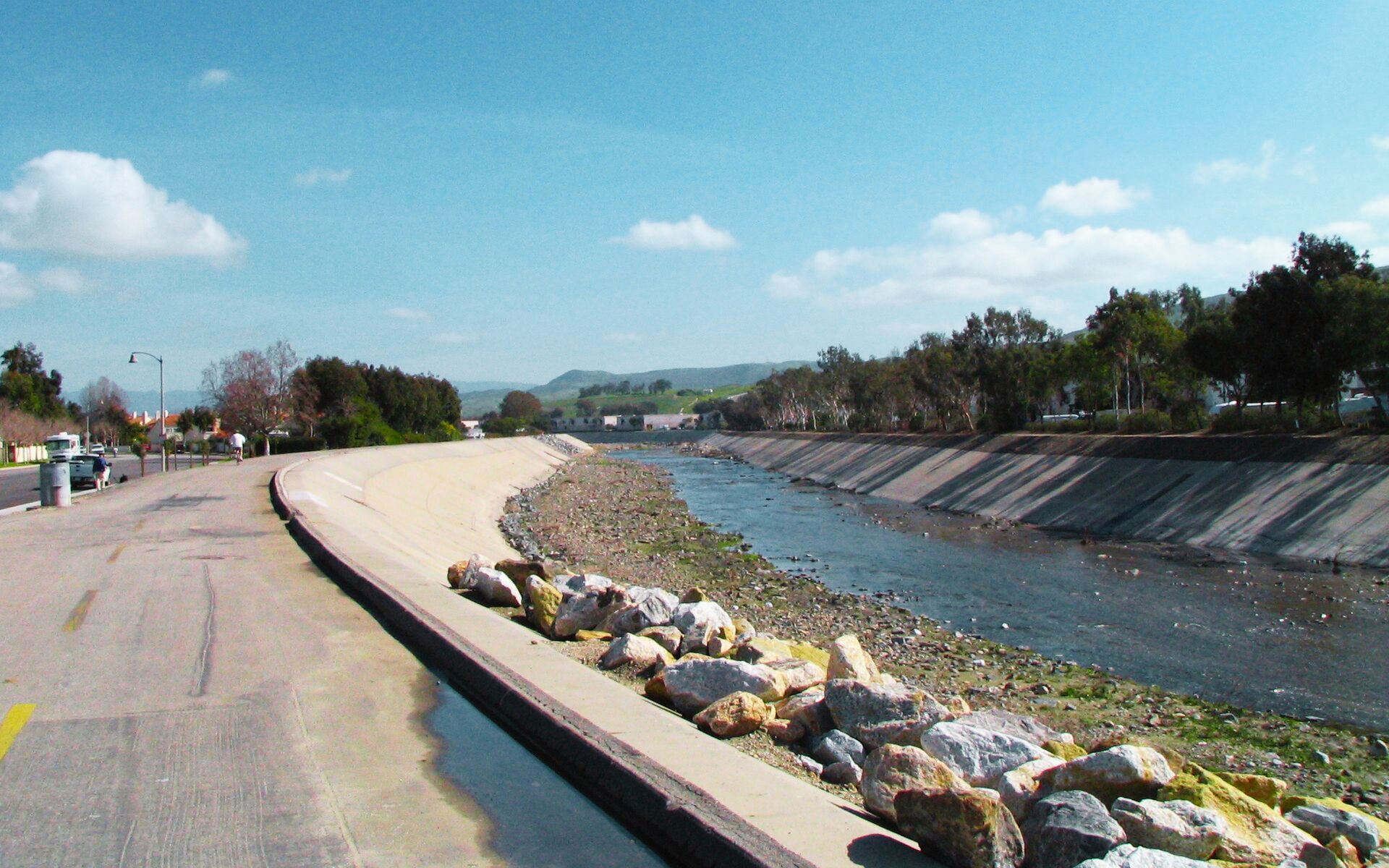
San Juan Capistrano trails are one of the biggest reasons the city feels different from many other parts of Orange County. Historic downtown may get much of the attention, but beyond the Mission and Los Rios, San Juan Capistrano has an extensive network of trails, parks, creek corridors, equestrian routes, and protected open space. The […]

San Juan Capistrano Equestrian Lifestyle: Horse Properties, Trails & Riding Culture
The San Juan Capistrano equestrian lifestyle is not simply part of the city’s history. Horses are still visible in its neighborhoods, trails, boarding facilities, riding arenas, and community events today. That makes San Juan Capistrano unusual within Orange County. A buyer can live within minutes of I-5, historic downtown, Dana Point, and the coast while […]
Historic Downtown San Juan Capistrano: Mission, Los Rios, Dining & Local Life
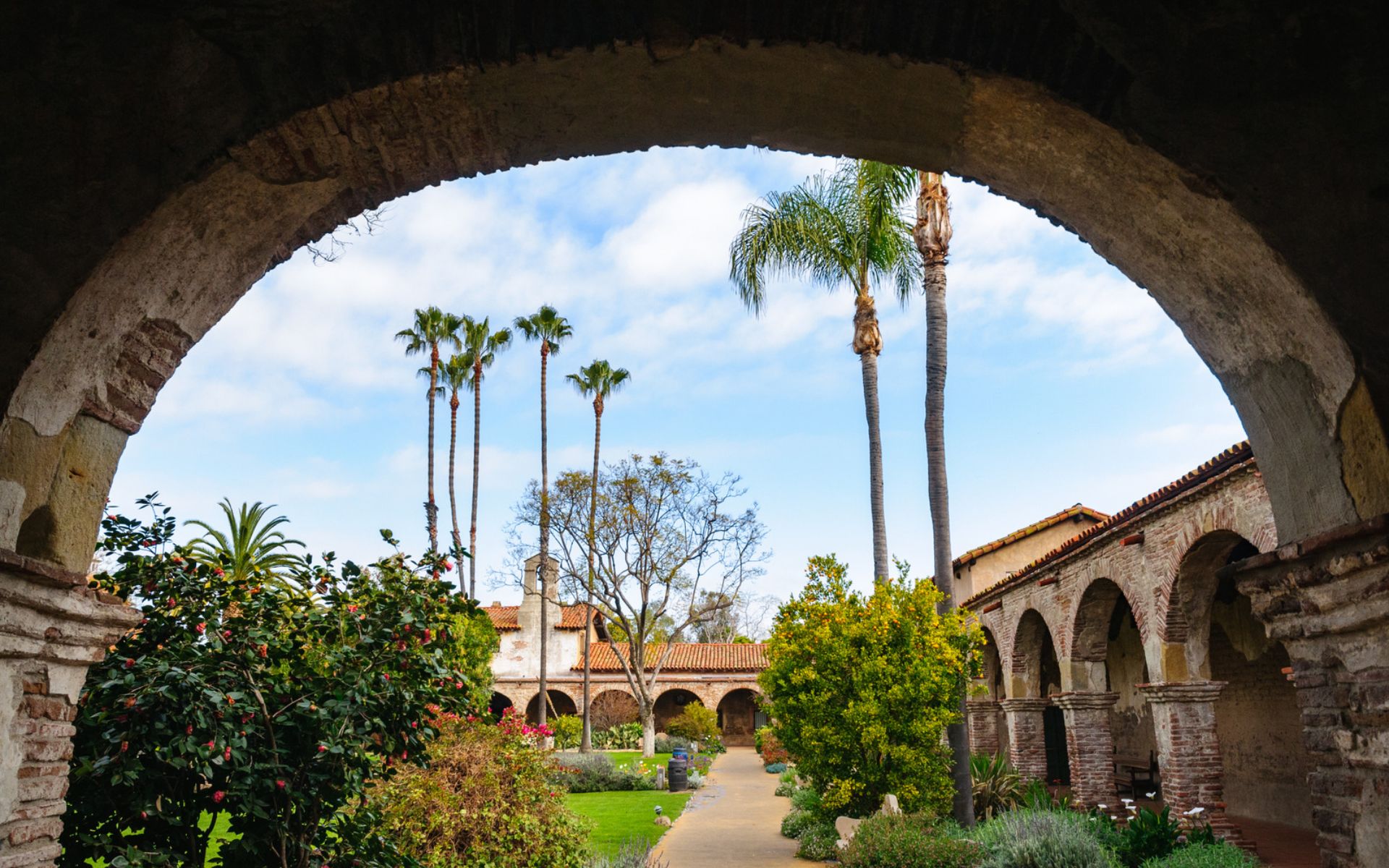
Downtown San Juan Capistrano is unlike almost any other town center in Orange County. Instead of being built around a modern shopping district, the heart of the city grew around history. Mission San Juan Capistrano sits at its center. Across the railroad tracks, Los Rios preserves one of California’s oldest residential environments. Restaurants, cafés, shops, […]
Join Our Mailing List
Are you interested in buying a home? Look no further than working with real estate experts.
Quick Links
Brokerage Info
25950 Acero., #100
Mission Viejo, CA 92691
DRE 01200533


All information is deemed reliable but not guaranteed and should be independently reviewed and verified.
Powered by Sprout Interactive

