
Dana Point Coastal Homes: Bluffs, Erosion, Salt Air & Buyer Considerations
Dana Point coastal homes offer some of the most appealing settings in South Orange County—from ocean-view properties above the Headlands and Strands to gated communities near Salt Creek, older hillside homes in Lantern Village, and residences stretching south through Capistrano Beach.
But buying near the Pacific also means looking beyond the view.
Coastal properties can come with considerations that may not apply—or may matter less—to homes farther inland.
Depending on the specific property, buyers may need to evaluate:
- Bluff and slope conditions
- Coastal erosion
- Drainage
- Retaining walls
- Flood exposure
- Storm and wave exposure
- Salt-air corrosion
- Exterior materials
- Windows and doors
- Waterproofing
- Roof condition
- Insurance
- HOA responsibilities
- Prior repairs
- Geotechnical history
- Coastal permits
- Long-term maintenance
The important phrase is “depending on the specific property.”
Dana Point is not one uniform coastal environment.
A home several streets inland in Lantern Village should not be evaluated the same way as a bluff-top property.
A condo near Strands may have different responsibilities from a detached home.
A property in Monarch Beach may have a completely different exposure profile from a home directly along Beach Road.
Dana Point’s own Public Safety Element emphasizes that coastal and geologic conditions can vary significantly from parcel to parcel and that appropriate mitigation for development should be designed on a parcel-specific basis by qualified geotechnical professionals.
That is why buyers should not simply ask:
“Is this a coastal home?”
A better question is:
“What does being coastal mean for this particular Dana Point property?”
Here is what buyers should know.
Dana Point Coastal Homes Are Not All Exposed to the Same Conditions
The phrase Dana Point coastal homes can describe very different properties.
One home may sit directly above the Pacific.
Another may be several blocks inland but still have an ocean view.
Another may be close to the beach without being on a bluff.
Another may be in a gated community where the HOA maintains significant exterior or common-area infrastructure.
Those differences matter.
The City describes Dana Point’s approximately 6.7-mile shoreline as including sandy and rocky beaches, coastal bluffs, and the Dana Point Headlands. It also notes that different portions of the coastline have experienced different erosion conditions depending on local geology, beach configuration, sediment supply, storms, and human-built improvements.
So when buyers compare homes, they should avoid applying one coastal concern to the entire city.
Location within Dana Point matters.
Location on the individual lot matters even more.
Bluff Conditions Matter for Some Dana Point Coastal Homes
Dana Point’s dramatic bluffs are one reason the city has such striking ocean views.
They are also geologic features.
The City’s Public Safety Element identifies bluff instability and coastal erosion as hazards that require site-specific evaluation where relevant.
That does not mean every bluff property is unsafe.
It means the bluff should be treated as part of the property analysis rather than as scenery alone.
For a relevant property, buyers may want qualified professionals to investigate questions such as:
- How far is the structure from the bluff edge?
- What type of soil or geologic material is present?
- Has the slope moved historically?
- Has stabilization work been performed?
- Is drainage directed toward or away from the slope?
- Are retaining structures present?
- Has previous geotechnical work been completed?
- Are there monitoring recommendations?
- Are there permits or reports related to bluff work?
A beautiful ocean view should not replace due diligence.
Coastal Erosion and Dana Point Coastal Homes
Dana Point identifies two broad forms of coastal erosion:
retreat of coastal bluffs
and
loss of beach sand.
The City notes that local impacts depend on factors including sediment supply, beach configuration, storm activity, coastal structures, and drainage changes.
That means a buyer should be cautious about statements such as:
“Dana Point has erosion problems.”
That is too broad.
A more accurate statement is:
Certain Dana Point coastal properties may be affected by erosion or bluff conditions, and the level of concern varies significantly by location.
The California Coastal Commission similarly notes that bluff erosion can accelerate when sea-level rise increases the amount of time coastal cliffs are exposed to wave action, particularly during storms.
For buyers, the takeaway is not to panic.
It is to investigate the actual parcel.
Dana Point Headlands Homes: Why Property-Specific Review Matters
The Dana Point Headlands are one of the city’s most recognizable coastal environments.
They combine:
- High coastal bluffs
- Ocean views
- Strand Beach
- Conservation areas
- Luxury residential development
- Trails
- Open space
Properties around the Headlands can provide exceptional coastal living.
But the terrain also demonstrates why geotechnical conditions should be evaluated individually.
In 2025, the California Coastal Commission documented an emergency situation at one Headlands bluff property following a significant bluff failure and subsequent accelerated erosion beneath part of the residence. The emergency permit process involved property-specific engineering and stabilization considerations.
That incident should not be interpreted as meaning all Headlands homes face the same conditions.
In fact, it demonstrates the opposite:
One coastal property can have circumstances that differ substantially from the property next door.
Do Not Generalize One Bluff Event to an Entire Neighborhood
When a coastal property experiences damage, headlines can make it easy to assume the entire neighborhood is affected.
That is not how geotechnical conditions work.
Dana Point’s adopted safety policies explicitly call for parcel-specific analysis because local geology, grading, drainage, structures, and exposure can differ.
For buyers considering Dana Point coastal homes, ask for documentation relating to the specific lot rather than relying on assumptions about the neighborhood.
Useful documents may include:
- Previous geotechnical reports
- Geological reports
- Drainage plans
- Grading plans
- Structural reports
- Permits
- Retaining-wall documentation
- Repair invoices
- Engineering correspondence
- HOA reports where applicable
Not every property will have all of these.
The property itself should determine what is relevant.
Capistrano Beach Includes Very Different Coastal Environments
Capistrano Beach should also not be treated as one uniform housing environment.
The area includes homes:
- On residential streets inland from the coast
- Along elevated bluff areas
- Near Pacific Coast Highway
- Near public beaches
- Inside the private Beach Road community
Those properties do not have the same exposure.
A home several streets inland should not automatically be evaluated as though it were directly on the shoreline.
This distinction became especially important in 2026.
Beach Road Is a Specific Shoreline Community
Beach Road is located within the private Capistrano Bay Community Services District.
Homes there sit in a particularly direct relationship with the ocean.
In August and September 2026, high tides and swells associated with Hurricane Marie caused significant damage along Beach Road. The City declared a local emergency within the Capistrano Bay district.
By October 8, 2026, the City reported:
- Seven red-tagged homes
- Two additional previously red-tagged homes that had been demolished
- One red-tagged home scheduled for demolition
- Twelve yellow-tagged homes
- Four green-tagged homes
These are serious conditions.
But they are also specific to Beach Road and the Capistrano Bay shoreline environment.
They should not be used to characterize every home in Capistrano Beach or every coastal home in Dana Point.
What the 2026 Beach Road Emergency Means for Buyers
The useful lesson from Beach Road is not:
“Do not buy in Dana Point.”
It is:
Understand the relationship between the specific home and the ocean.
A buyer considering a direct shoreline property should investigate:
- Historical wave exposure
- Previous flooding
- Prior emergency repairs
- Seawalls or revetments
- Foundation condition
- Coastal permits
- Maintenance responsibility
- Insurance availability
- Emergency access
- Association or district responsibilities
- Public versus private jurisdiction
The City’s Beach Road updates also highlight how coastal properties can involve multiple agencies. Along that stretch, responsibilities involve the City, the Capistrano Bay district, Orange County, the State, and the California Coastal Commission depending on the property and work involved.
That can make due diligence more complex than on a conventional interior lot.
Flood Risk for Dana Point Coastal Homes Should Be Checked by Address
Dana Point’s coastal location creates potential flood exposure in certain areas.
But again, the correct analysis is property-specific.
The City advises residents and buyers to use FEMA’s Flood Map Service Center to determine whether an individual property is located within a mapped flood zone.
Dana Point has also submitted updated technical information to FEMA concerning flood-hazard mapping along San Juan Creek, and FEMA approved the associated map revision process.
That means buyers should work from the current map—not an old disclosure, outdated screenshot, or assumption based solely on distance from the ocean.
Oceanfront Does Not Automatically Equal FEMA Flood Zone
A common misconception is that every home near the coast must be in the same flood zone.
That is not necessarily true.
Elevation, topography, drainage, waterways, and FEMA mapping all matter.
Likewise, an inland-looking property near a creek or drainage area can have flood considerations even if it is not directly on the beach.
For buyers, the correct questions are:
What flood zone is this exact parcel in?
Has the map changed?
What does my lender require?
What coverage is available?
Storm Exposure Is Another Property-Specific Consideration
Dana Point is preparing for the 2026–27 El Niño, which the City says may bring intense storms, heavy rainfall, strong winds, flooding, erosion, and landslides.
The City is advising residents to inspect:
- Roofs
- Retaining walls
- Foundations
- Slopes
- Gutters
- Downspouts
- Drainage systems
and to watch for standing water, seepage, saturated soil, or new cracking.
For buyers looking at Dana Point coastal homes, these same items deserve attention during inspections.
A home may perform beautifully in dry weather but reveal drainage issues during prolonged rain.
Drainage Can Be as Important as the Ocean
Some buyers focus so heavily on waves and coastal erosion that they overlook water coming from the other direction.
Rainfall and hillside drainage can also affect a property.
Poor drainage can contribute to:
- Saturated soil
- Foundation moisture
- Retaining-wall pressure
- Water intrusion
- Erosion
- Slope instability
Dana Point specifically recommends directing water away from buildings, foundations, and slopes and consulting qualified professionals where drainage problems, significant slopes, or soil movement are present.
For a hillside property, understanding where water goes during a storm may be just as important as understanding the ocean view.
Inspect Gutters, Downspouts and Drainage Systems
These may sound like ordinary maintenance items.
In a sloped coastal community, they can be much more important.
During an inspection, look at:
- Roof drainage
- Gutters
- Downspouts
- Area drains
- French drains
- Surface grading
- Swales
- Drainage pipes
- Outfalls
- Waterproofing
- Signs of ponding
Ask where the water ends up.
A downspout that simply empties beside a foundation may deserve more attention than a carefully designed system that moves water safely away from the structure.
Retaining Walls Deserve Careful Review
Many Dana Point properties use retaining walls because of the city’s hills and slopes.
A retaining wall may support:
- A yard
- Driveway
- Patio
- Neighboring grade
- Hillside
- Structure
- Landscaping terrace
The City’s current storm-preparation guidance specifically tells residents to inspect retaining walls for damage.
For buyers, questions may include:
- Who owns the wall?
- What does it retain?
- How tall is it?
- Is it permitted?
- Is drainage installed behind it?
- Are cracks visible?
- Is it leaning?
- Has it been repaired?
- Does the neighbor share responsibility?
Retaining walls should not be treated as decorative landscaping if they perform a structural function.
Retaining-Wall Drainage Can Matter as Much as the Wall Itself
Geotechnical design documents used in Dana Point emphasize drainage behind retaining walls so water pressure does not unnecessarily build up behind them.
For an existing home, buyers do not need to become engineers.
But visible symptoms can justify further investigation.
Look for:
- Water staining
- Efflorescence
- Cracking
- Bulging
- Soil movement
- Poor drainage
- Standing water
If something looks questionable, bring in the right professional.
Salt Air Is a Real Maintenance Factor for Dana Point Coastal Homes
Not every coastal consideration involves dramatic erosion or flooding.
One of the most ordinary issues is salt air.
FEMA notes that salt spray carried by breaking waves and onshore winds can significantly accelerate corrosion of metal connectors, fasteners, and other building materials. High humidity can further accelerate the process.
The effect varies depending on:
- Distance from the ocean
- Wind exposure
- Building orientation
- Material
- Protective coating
- Maintenance
- Moisture
That means a home one block from the water may experience different wear from one farther inland.
Check Exterior Metal Components Carefully
On Dana Point coastal homes, salt exposure can make exterior metal condition especially important.
Inspect items such as:
- Railings
- Gates
- Hinges
- Fasteners
- Exterior screws
- Light fixtures
- Garage-door hardware
- Balcony hardware
- Outdoor furniture
- HVAC components
- Electrical enclosures
- Metal fencing
Surface corrosion does not automatically mean a serious structural issue.
But corrosion on critical structural connectors deserves professional evaluation.
Salt Exposure Can Affect Hidden Components Too
Visible rust is easy to notice.
Hidden connectors are harder.
Depending on the structure, metal components may exist within:
- Deck framing
- Balcony assemblies
- Roof connections
- Exterior stairs
- Retaining systems
- Structural framing
FEMA’s coastal corrosion guidance focuses specifically on connectors and fasteners because salt exposure can affect building durability over time.
For properties very close to the ocean, buyers may want inspectors who are familiar with coastal construction.
Windows and Doors Are Important Coastal Components
Large windows and sliding doors are often among the best features of Dana Point coastal homes.
They frame:
- Ocean views
- Harbor views
- Sunsets
- Coastal hillsides
But extensive glass systems can also represent a major replacement cost.
During an inspection, look at:
- Window frames
- Sliding-door tracks
- Seals
- Weather stripping
- Hardware
- Corrosion
- Water intrusion
- Fogging between panes
- Proper operation
Salt and moisture exposure can affect hardware even when the glass itself looks fine.
Ocean-Facing Doors May Need More Frequent Maintenance
A sliding door directly exposed to ocean air may experience different wear from a door protected within an interior courtyard.
This is another example of why maintenance cannot be predicted from ZIP code alone.
Look at:
- Orientation
- Exposure
- Overhangs
- Wind
- Material
- Previous maintenance
The condition of the actual component matters more than a general rule.
Decks and Balconies Should Never Be Evaluated Only for the View
Dana Point’s coastal homes frequently use balconies and decks to maximize ocean views.
Buyers naturally walk onto the deck and look toward the water.
They should also look down.
Inspect:
- Waterproofing
- Deck surface
- Drainage
- Railings
- Connections
- Flashing
- Cracks
- Corrosion
- Signs of leakage below
- Previous repairs
If concerns appear, a qualified specialist can evaluate the assembly.
A panoramic view does not make structural or waterproofing issues less important.
Water Intrusion Can Start Small
Coastal weather, wind-driven rain, aging sealants, decks, roof penetrations, and windows can all create potential pathways for moisture.
Signs worth investigating include:
- Staining
- Bubbling paint
- Soft drywall
- Musty odors
- Damaged baseboards
- Efflorescence
- Ceiling discoloration
- Moisture around windows
- Previous patching
One stain does not automatically indicate a major problem.
But buyers should determine what caused it and whether the underlying issue was repaired.
Roof Condition Matters for Dana Point Coastal Homes
A roof inspection is valuable on almost any home.
For coastal properties, exposure to sun, wind, moisture, and salt can make material condition especially important.
Ask:
- How old is the roof?
- What material is it?
- Has it been repaired?
- Are there active leaks?
- Are flashing details sound?
- Are gutters functioning?
- Are roof-mounted systems secure?
For flat or low-slope contemporary homes, drainage and waterproofing details can be especially important.
HVAC Equipment Can Be Exposed to Coastal Air
Exterior HVAC condensers contain metal components and coils.
Properties closer to the ocean may experience more corrosion depending on exposure.
Look at:
- Coil condition
- Cabinet corrosion
- Service records
- Age
- Placement
- Protective coatings, if any
A functioning system can still be approaching the point where replacement should be included in the ownership budget.
Exterior Paint and Coatings Are Part of the Maintenance Cycle
Paint does more than improve appearance.
It can help protect exterior building materials.
For coastal homes, buyers should look closely at:
- Peeling
- Cracking
- Fading
- Exposed wood
- Caulking
- Metal coatings
- Deck finishes
- Stucco cracking
Ask when the exterior was last maintained and what products were used.
A home that looks freshly painted may still deserve inspection of the underlying material.
Landscaping Can Affect Slope and Drainage Performance
Landscaping is another area buyers sometimes treat as purely aesthetic.
On sloped properties, it can interact with drainage and erosion.
Dana Point’s storm guidance recommends protecting exposed soil and watching for signs such as saturated ground and new cracking.
For hillside homes, consider:
- Irrigation
- Overwatering
- Drainage
- Plant roots
- Bare soil
- Slope vegetation
- Surface runoff
A lush yard is not necessarily a problem.
But irrigation and drainage should make sense for the property.
Coastal Permits May Matter for Certain Improvements
Properties within California’s coastal zone may be subject to coastal development requirements depending on the type and location of proposed work.
This becomes particularly important for work involving:
- Coastal protection
- Bluff areas
- Shoreline structures
- Major grading
- Significant exterior changes
- Certain additions or redevelopment
The Beach Road emergency in 2026 illustrated this directly: emergency coastal development permits for protective measures were handled through the California Coastal Commission rather than the City.
Buyers planning major improvements should verify permitting requirements before assuming a project can be completed as envisioned.
Do Not Assume You Can Build the Same Thing as the Neighbor
Two neighboring homes may have different:
- Permits
- Setbacks
- Lot conditions
- Easements
- Geotechnical constraints
- HOA restrictions
- Coastal requirements
A neighbor’s remodel does not guarantee your proposed project will receive the same approvals.
Before paying a premium for “future potential,” verify the feasibility of that future.
HOA Documents Can Be Especially Important for Coastal Condos
In a condominium or planned community, some coastal maintenance may be handled collectively.
Depending on the association, common responsibilities might include:
- Exterior paint
- Roofing
- Balconies
- Retaining walls
- Drainage
- Landscaping
- Private roads
- Building insurance
- Coastal access improvements
Those responsibilities vary.
Review:
- Reserve study
- Budget
- Insurance
- Maintenance plans
- Recent meeting minutes
- Special assessments
- Engineering reports
- Litigation
- Planned capital projects
A well-maintained coastal association may require meaningful dues.
Those dues should be evaluated alongside the condition of the assets they support.
Insurance for Dana Point Coastal Homes Should Be Quoted Early
Insurance should not be treated as a final-week escrow task.
Property characteristics can influence:
- Availability
- Premium
- Deductibles
- Required coverage
- Flood coverage
- Other supplemental coverage
For properties in mapped flood areas, lender requirements may also apply.
The City directs property owners to FEMA resources for flood-zone determination and flood-insurance information.
Obtain insurance quotes for the actual address before your contingency periods expire.
Tsunami Preparedness Is Part of Living Near the Coast
Dana Point is certified by NOAA/NWS as Tsunami Ready.
The City notes that coastal areas at lower elevations and close to the shoreline may face greater tsunami exposure and provides evacuation information for residents.
This does not mean a tsunami is a daily ownership concern.
But residents near the coast should know:
- Their evacuation route
- Where higher ground is
- How emergency alerts work
- Which route they would use if instructed to evacuate
Emergency preparedness is part of living in any region with natural hazards.
Coastal Risk Is Only One Part of the Dana Point Lifestyle
It is easy for an article about due diligence to make coastal ownership sound like a list of problems.
That is not the point.
Buyers choose Dana Point coastal homes because they may offer:
- Pacific views
- Beach access
- Ocean breezes
- Walkability
- Surfing
- Boating
- Trails
- Harbor access
- Outdoor living
- Sunsets
- Resort-style communities
The goal is not to discourage coastal ownership.
It is to understand the property well enough that those benefits remain enjoyable after closing.
Dana Point Coastal Homes by Area
Different parts of the city call for different questions.
The Headlands and Strands
Buyers may focus more on:
- Bluff and slope conditions
- Geotechnical history
- Ocean exposure
- Drainage
- HOA responsibilities
- Coastal permits
- Salt-air maintenance
Niguel Shores
Relevant issues may include:
- HOA responsibilities
- Association reserves
- Exterior maintenance
- Ocean exposure
- Gated-community rules
- Drainage
- Salt air
Monarch Beach
Buyers may examine:
- HOA structure
- Salt-air exposure
- Slope conditions
- Drainage
- Resort-area location
- Exterior maintenance
Lantern Village
Because of the varied housing stock, questions may include:
- Hillside drainage
- Retaining walls
- Older-home systems
- Ocean exposure
- Roof and windows
- Remodel history
- Unpermitted work
Dana Point Harbor Area
Buyers may consider:
- Flood-zone mapping
- Harbor proximity
- Moisture exposure
- HOA responsibilities for condos
- Exterior building maintenance
- Current and future Harbor conditions
Capistrano Beach
The questions depend strongly on the property.
A bluff-top home, inland residential property, and Beach Road residence should not receive identical due diligence.
For direct shoreline properties, coastal exposure may become much more significant.
Older Dana Point Coastal Homes Can Require Different Due Diligence
Dana Point contains older homes as well as new luxury construction.
Older properties can be attractive because of:
- Character
- Location
- Larger established lots
- Unique architecture
- Mature neighborhoods
But buyers may need to investigate:
- Electrical systems
- Plumbing
- Sewer lines
- Roofing
- Waterproofing
- Windows
- Drainage
- Foundations
- Retaining walls
- Previous additions
A renovated interior does not automatically mean the underlying systems have been updated.
New Construction Is Not Automatically Maintenance-Free
A newly built coastal home may benefit from:
- New materials
- Current building standards
- Modern waterproofing
- New mechanical systems
- Updated drainage
But buyers should still inspect.
Construction quality matters.
Design matters.
Exposure matters.
A new house located directly on the coast still lives in a coastal environment.
What Should Buyers Inspect Before Purchasing Dana Point Coastal Homes?
The inspection plan should fit the property.
Depending on the home, buyers may consider:
- General home inspection
- Roof inspection
- Sewer scope
- HVAC inspection
- Pest inspection
- Drainage evaluation
- Foundation review
- Structural inspection
- Geotechnical review
- Geological review
- Retaining-wall evaluation
- Balcony or deck inspection
- Pool inspection
- Moisture investigation
- Insurance review
Not every house requires every specialist.
Use visible conditions, disclosures, reports, location, and recommendations from qualified professionals to determine what is appropriate.
Ask for Previous Geotechnical and Engineering Reports
If the property has a slope, bluff, substantial retaining wall, or known geological history, previous reports may be valuable.
Ask whether the seller has:
- Geotechnical reports
- Soil reports
- Engineering plans
- Monitoring reports
- Repair documentation
- Drainage studies
- Coastal permits
- Retaining-wall reports
Older reports do not necessarily describe current conditions.
But they may provide important history for the professionals evaluating the property today.
Review Seller Disclosures Carefully
Disclosures can provide information about:
- Water intrusion
- Drainage
- Repairs
- Insurance claims
- Slope issues
- Flooding
- Retaining walls
- Previous damage
- Permits
Read them early enough to investigate anything that raises questions.
Do not simply wait for the inspector to discover everything independently.
Look at the Property After Rain if Possible
A dry-day showing tells you very little about drainage.
If weather and timing allow, visiting during or after rainfall can reveal:
- Ponding
- Runoff
- Drain performance
- Slope saturation
- Water near foundations
- Gutter performance
Dana Point’s current winter-preparation guidance specifically emphasizes monitoring saturated soil, seepage, and new cracking.
If you cannot observe the property during rain, ask about past performance and inspect the drainage system closely.
Look Beyond the House to Adjacent Slopes and Lots
A property can be influenced by conditions outside its walls.
Look uphill.
Look downhill.
Look next door.
Consider:
- Neighboring retaining walls
- Drainage from adjacent lots
- Irrigation
- Slopes
- Trees
- Grading
- Shared structures
Water and soil do not necessarily respect property lines.
Build Coastal Maintenance Into the Ownership Budget
The purchase price is only one part of owning near the Pacific.
Depending on the property, a realistic reserve may need to account for:
- Exterior painting
- Corroded hardware
- Window maintenance
- Door hardware
- Roofing
- Deck waterproofing
- HVAC replacement
- Drainage work
- Retaining-wall work
- Landscaping
- HOA assessments
There is no universal coastal-maintenance percentage that applies to every Dana Point home.
A detached oceanfront estate and an inland condo are completely different assets.
Budget from the actual condition of the property.
Deferred Maintenance Can Be More Expensive Near the Coast
Small exterior issues can become larger if ignored.
Examples include:
- Failed sealant allowing water intrusion
- Corroded railing components
- Clogged drainage
- Peeling protective coatings
- Roof leaks
- Failed deck waterproofing
Regular inspections and maintenance can therefore be particularly valuable for Dana Point coastal homes exposed to wind, moisture, and salt.
A Dana Point Coastal Home Buyer Checklist
Before making a final purchase decision, evaluate the home in layers.
Location
- Distance from shoreline
- Elevation
- Bluff or slope location
- FEMA flood zone
- Beach access
- Drainage environment
Structure
- Foundation
- Roof
- Retaining walls
- Decks
- Balconies
- Windows
- Doors
Coastal Exposure
- Salt corrosion
- Ocean-facing materials
- Exterior hardware
- HVAC condition
- Protective coatings
Water Management
- Gutters
- Downspouts
- Area drains
- Grading
- Slope drainage
- Waterproofing
- Signs of intrusion
Documentation
- Permits
- Engineering reports
- Geotechnical reports
- Coastal approvals
- Repair history
- HOA documents
- Insurance claims
Financial
- Insurance quote
- Flood insurance if applicable
- HOA dues
- Special assessments
- Maintenance reserve
- Expected near-term repairs
The goal is not to find a property with zero maintenance.
That home does not exist.
The goal is to understand what you are buying.
Dana Point Coastal Homes FAQ
Are Dana Point coastal homes at risk from erosion?
Some properties may be affected by bluff erosion, beach erosion, or other coastal processes, while others may have little direct exposure. Dana Point’s Public Safety Element states that coastal conditions vary substantially and should be evaluated on a parcel-specific basis.
Are all Dana Point bluff homes unsafe?
No. Bluff-top location alone does not determine whether a property is unsafe. Geology, slope condition, drainage, setbacks, construction, previous work, and other factors should be evaluated for the specific parcel.
What happened on Beach Road in 2026?
High tides and swells associated with Hurricane Marie caused significant damage within the private Capistrano Bay/Beach Road community. The City declared a local emergency and reported multiple red- and yellow-tagged properties.
Does the Beach Road damage mean Capistrano Beach is unsafe?
No. Beach Road is a specific shoreline community. Conditions there should not be generalized to every Capistrano Beach property or to Dana Point as a whole.
Do Dana Point coastal homes have salt-air damage?
Properties exposed to ocean salt and moisture may experience accelerated corrosion of certain metals and building components. FEMA notes that salt spray and coastal humidity can increase corrosion rates.
What parts of a coastal home are most affected by salt air?
Potentially exposed components include metal fasteners, connectors, railings, gates, lighting, HVAC equipment, window and door hardware, and other exterior metal components.
Do I need a geotechnical inspection for a Dana Point home?
Not necessarily for every property. A geotechnical review may be appropriate for homes involving bluffs, significant slopes, retaining walls, soil movement, drainage concerns, or known geologic history. Follow recommendations from qualified professionals based on the property.
Should buyers inspect retaining walls?
Yes, particularly when a wall supports significant soil, a driveway, yard, neighboring grade, or structure. Condition and drainage can both matter.
How do I know whether a Dana Point property is in a flood zone?
The City directs property owners to FEMA’s Flood Map Service Center for current flood-zone information. Dana Point has also processed updated FEMA mapping information along San Juan Creek.
Do all Dana Point coastal homes need flood insurance?
No. Requirements depend on the property’s flood-zone designation, lender requirements, and other circumstances.
What should I inspect on an ocean-view home?
Depending on the property, buyers may examine the roof, windows, doors, decks, balconies, drainage, retaining walls, foundations, exterior metal, HVAC equipment, waterproofing, and signs of water intrusion.
Are Dana Point coastal homes more expensive to maintain?
Some may require more frequent exterior maintenance because of salt, moisture, wind, ocean exposure, slope conditions, or complex construction. The amount varies significantly by property.
Does Dana Point have coastal erosion?
Yes. The City identifies coastal-bluff retreat and loss of beach sand as forms of erosion affecting parts of the Dana Point coastline. The effect varies significantly by location.
Is Dana Point preparing for El Niño?
Yes. The City is currently preparing for the 2026–27 El Niño and advises residents to inspect roofs, drainage, retaining walls, foundations, and slopes before winter storms.
Does Dana Point have tsunami risk?
Dana Point is a coastal city and maintains tsunami-preparedness and evacuation information. The City is certified as Tsunami Ready by NOAA/NWS.
Can I add a seawall or coastal protection to a Dana Point property?
Coastal protection work can involve specialized permitting and agency review. Buyers should never assume a seawall or other protective structure can automatically be installed or modified. Consult the appropriate planning, engineering, and coastal authorities for the specific property.
Are Headlands homes more exposed to coastal conditions?
Some Headlands properties occupy bluff and ocean-facing environments, while others may have different exposures. The correct analysis is property-specific.
What Should Buyers Know Before Purchasing Dana Point Coastal Homes?
Dana Point coastal homes can offer extraordinary lifestyle benefits.
You may wake up to the Pacific.
Walk to the beach.
Watch the sunset from your deck.
Live near Strands or Salt Creek.
Spend mornings on the Headlands trails.
Walk to Dana Point Harbor.
Or simply enjoy coastal breezes from a residential street several blocks inland.
Those benefits are real.
So are the responsibilities that can come with certain coastal properties.
The important thing is not to assume every property carries the same risk—or the same maintenance burden.
Instead, investigate the individual home.
Check the flood map.
Understand the elevation.
Look at drainage.
Inspect retaining walls.
Review the roof.
Examine windows and doors.
Look for corrosion.
Ask about water intrusion.
Review geotechnical history when relevant.
Read HOA documents.
Obtain insurance quotes.
Review coastal and building permits.
And bring in the appropriate qualified professionals when the location or condition of the property calls for deeper investigation.
The City of Dana Point itself emphasizes that geologic and erosion conditions can vary enough that mitigation must be designed on a parcel-specific basis.
That is the right mindset for buyers too.
Do not buy or reject a home because it is simply labeled “coastal.”
Understand this coast, this neighborhood, this lot, this structure, and this property’s history.
That is how buyers can make a more informed decision—and enjoy the Dana Point coastal lifestyle with a clearer understanding of what ownership involves.
Explore More About Living in Dana Point
Living in Dana Point, CA: 5 Reasons You’ll Love It & 3 Reasons It Might Not Be for You
Dana Point Beaches & Ocean Lifestyle
Dana Point Neighborhoods & Homes
Dana Point Harbor & Lantern District
Dana Point Parks & Trails
Dana Point Location & Commute
Dana Point Home Prices & Coastal Living Costs
Dana Point Parking, Harbor Crowds & Seasonal Traffic
Recent Updates

Living in San Juan Capistrano, CA: 5 Reasons You’ll Love It & 3 Reasons It Might Not Be for You
Living in San Juan Capistrano, CA offers a version of South Orange County that feels distinctly different from the beach cities just a few miles away. Instead of being defined primarily by the coastline, San Juan Capistrano blends California history, equestrian culture, open space, trails, larger residential properties, gated communities, a walkable historic downtown, and […]
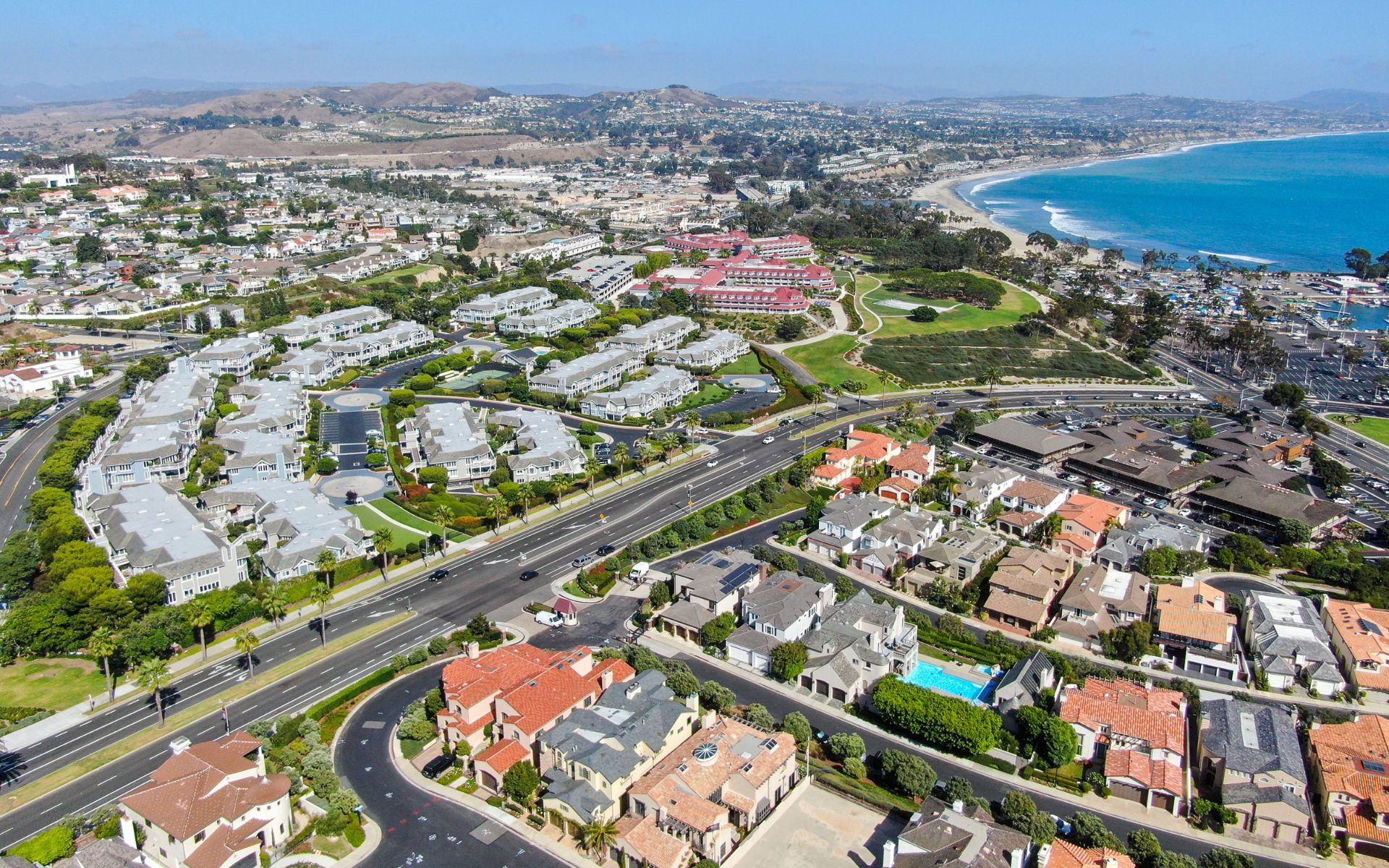
Dana Point Parking, Harbor Crowds & Seasonal Traffic: What Residents Should Know
Dana Point parking and seasonal traffic are part of the tradeoff that comes with living in a popular Southern California coastal community. Most days, Dana Point can feel relaxed and residential. But conditions can change considerably on: Warm summer weekends Beach days Holiday weekends Major Harbor events Concert and festival weekends Whale-watching events Holiday celebrations […]
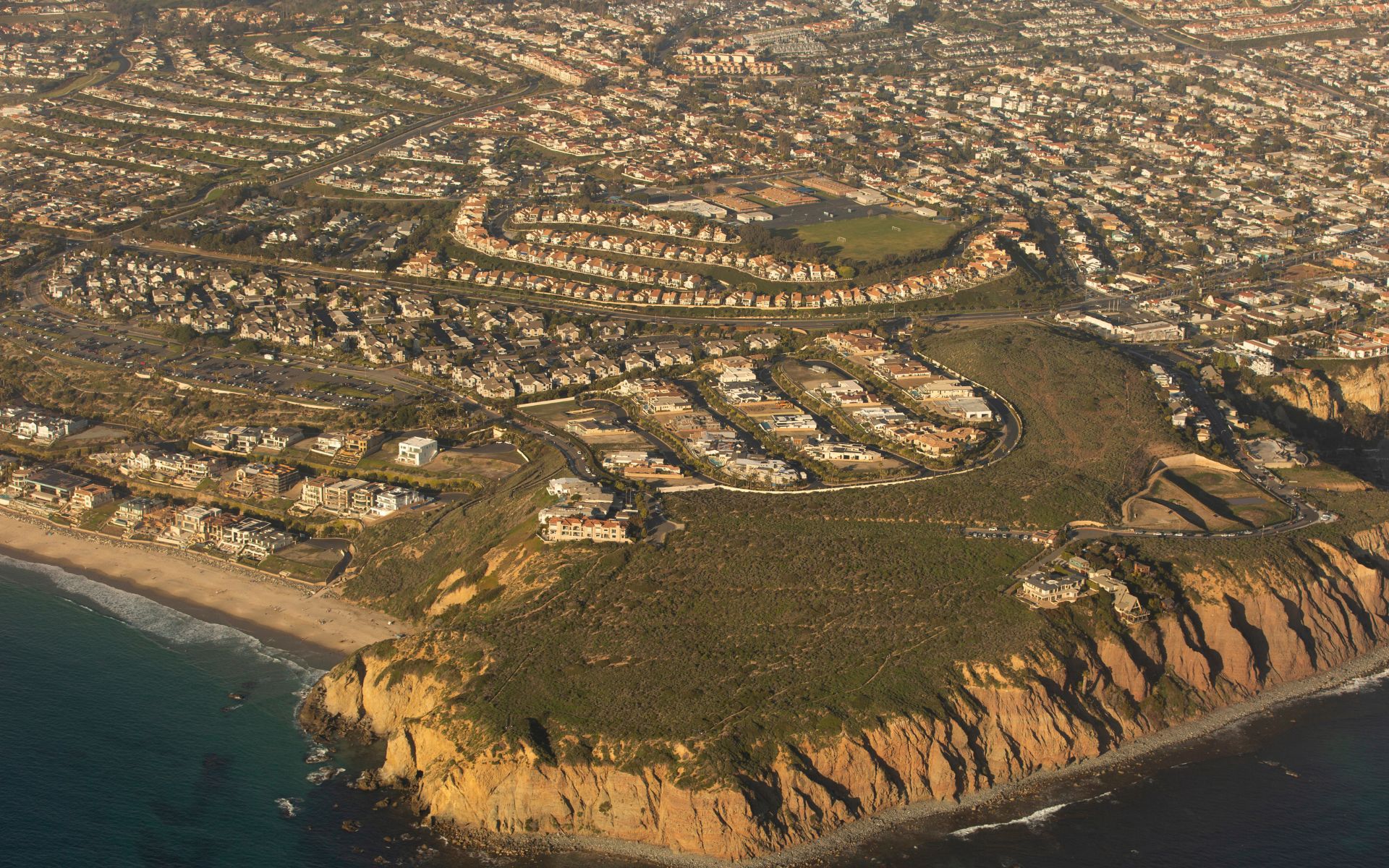
Dana Point Home Prices & Coastal Living Costs: What Buyers Should Budget For
Dana Point home prices reflect the premium many buyers are willing to pay for coastal access, ocean views, desirable neighborhoods, and the South Orange County lifestyle. In Dana Point, buyers can choose from homes near the Harbor, bluff-top properties overlooking the Pacific, gated coastal communities, older homes in Lantern Village, resort-oriented properties around Monarch Beach, […]
Join Our Mailing List
Are you interested in buying a home? Look no further than working with real estate experts.
Quick Links
Brokerage Info
25950 Acero., #100
Mission Viejo, CA 92691
DRE 01200533


All information is deemed reliable but not guaranteed and should be independently reviewed and verified.
Powered by Sprout Interactive

