
Dana Point Home Prices & Coastal Living Costs: What Buyers Should Budget For
Dana Point home prices reflect the premium many buyers are willing to pay for coastal access, ocean views, desirable neighborhoods, and the South Orange County lifestyle.
In Dana Point, buyers can choose from homes near the Harbor, bluff-top properties overlooking the Pacific, gated coastal communities, older homes in Lantern Village, resort-oriented properties around Monarch Beach, condos near Strands, and residential areas stretching south into Capistrano Beach.
But understanding Dana Point home prices means looking beyond the purchase price alone.
The real ownership budget may also include property taxes, homeowners insurance, HOA dues, special assessments, coastal maintenance, salt-air exposure, exterior repairs, drainage or slope maintenance, utilities, and reserves for unexpected expenses.
For buyers moving from an inland community, some of these costs may be unfamiliar. For buyers already accustomed to coastal Orange County, the bigger question may be how one Dana Point neighborhood compares with another.
The goal is not simply to ask:
“Can I afford the purchase price?”
A better question is:
“What will this particular Dana Point home realistically cost me to own?”
Here is what buyers should budget for.
Dana Point Home Prices in 2026
Dana Point is a high-value coastal housing market, but there is no single number that represents every property.
As of October 2026, Redfin reported a median Dana Point sale price of approximately $2.09 million for the three-month period ending in October, up 9.9% from the comparable period a year earlier. Homes were taking about 42 days to sell on that measure.
Realtor.com reported different October figures: a median sold price of approximately $2.415 million and a median listing price of approximately $2.465 million. Realtor.com classified Dana Point as a balanced market and reported that homes sold for about 98% of the asking price on average.
Those numbers should not be treated as contradictory.
Real estate platforms use different methodologies, time periods, datasets, and property mixes.
That is why buyers should use broad market statistics for context—not to determine the value of a specific home.
Why Dana Point Home Prices Can Vary So Much
Dana Point is not one uniform housing market.
Two homes located only a few minutes apart can differ substantially in price because of:
- Ocean views
- Harbor views
- Beach access
- Elevation
- Lot size
- Gated-community amenities
- HOA structure
- Property age
- Remodel quality
- Garage and parking
- Street location
- Coastal exposure
- Bluff or slope conditions
- Walkability
- Proximity to restaurants and the Harbor
A condo near the coast may cost less than a detached home but include monthly HOA dues.
An older Lantern Village property may have no large community association but require more individual maintenance.
A gated Monarch Beach or Niguel Shores property may carry higher association costs in exchange for amenities and controlled access.
A Headlands property can sit in an entirely different luxury tier.
That is why Dana Point home prices should be compared neighborhood by neighborhood and property by property.
Dana Point Home Prices by Neighborhood
Current listing data illustrates how wide the range can be.
Realtor.com’s October 2026 neighborhood statistics reported approximate median listing prices of:
- Lantern Village: $2.20 million
- Capistrano Beach: $2.50 million
- Niguel Shores: $2.95 million
- Dana Point Headlands: $8.995 million
For comparison, the citywide median listing price was approximately $2.465 million.
These are listing-price medians, not appraisals or predictions of what an individual home will sell for.
They can also move significantly from month to month—especially in luxury neighborhoods where only a small number of homes may be available.
Still, they illustrate something important:
Where you buy within Dana Point can change your budget dramatically.
Lantern Village: Price Can Depend Heavily on the Individual Property
Lantern Village contains one of Dana Point’s widest mixes of housing.
Buyers may encounter:
- Older coastal cottages
- Mid-century homes
- Condominiums
- Townhomes
- Duplexes
- Renovated single-family homes
- Contemporary infill
- Hillside properties
- Ocean-view homes
Because the housing stock is so varied, two nearby properties can have very different values.
An older home without a major ocean view may compete in a completely different price range from a recently rebuilt residence several streets away.
Buyers should look beyond price per square foot.
In Lantern Village, value can also depend heavily on:
- Elevation
- View corridor
- Street grade
- Parking
- Garage size
- Walkability
- Remodel quality
- Lot usability
- Proximity to Del Prado
- Harbor access
Monarch Beach: Resort-Oriented Coastal Living Can Carry a Premium
Monarch Beach offers a different housing environment.
The area includes upscale residential communities, gated neighborhoods, golf-course proximity, resort surroundings, and access toward Salt Creek Beach.
For some buyers, the premium is not only about the house.
It is also about the surrounding environment.
A buyer may be paying for:
- Gated access
- Community appearance
- Coastal location
- Golf proximity
- Resort-area setting
- Association amenities
- Beach proximity
- Views
That makes it especially important to compare the purchase price with the full monthly ownership cost, including HOA dues and any additional community assessments.
Niguel Shores: Factor Community Amenities Into the Budget
Niguel Shores is another example of why purchase price alone does not tell the whole story.
The gated community provides amenities that can include recreation facilities, community spaces, sports courts, and coastal access.
Those amenities require ongoing funding.
For buyers, the question should not simply be:
“What are the HOA dues?”
Ask:
- What do the dues include?
- When were they last increased?
- What do the reserves look like?
- Are special assessments pending?
- What major projects are planned?
- What insurance does the association carry?
- What insurance must the homeowner carry separately?
The HOA documents matter just as much as the current monthly number.
Dana Point Headlands: Luxury Pricing Comes With Property-Specific Costs
The Headlands represent the upper end of Dana Point’s housing market.
Luxury homes, bluff-top positioning, ocean views, custom construction, large residences, and proximity to protected coastal open space can all contribute to substantially higher values.
But higher purchase prices can also magnify other expenses.
A larger custom home may mean higher costs for:
- Insurance
- Property taxes
- Exterior maintenance
- Landscaping
- Windows and doors
- Roofing
- HVAC
- Security systems
- Pool or spa maintenance
- Specialized building systems
Certain properties within the Strand at Headlands are also located within Dana Point Community Facilities District No. 2006-1, which uses special taxes to fund specified infrastructure and maintenance obligations. Buyers should review the actual tax bill and disclosures for the individual property rather than assuming every Dana Point home has the same tax structure.
Capistrano Beach: Bluff-Top and Shoreline Homes Should Not Be Treated the Same
Capistrano Beach includes a wide range of properties.
Some sit inland or on bluff-top residential streets.
Others are positioned much closer to the shoreline.
Those homes should not automatically be grouped together.
A bluff-top home may have different concerns from a shoreline home.
A property on or near Beach Road may have a completely different risk and maintenance profile from a home several streets inland.
That distinction became particularly visible in 2026.
Following coastal flooding and wave activity associated with Hurricane Marie, homes within the private Beach Road community experienced significant damage, with some properties red- or yellow-tagged by the City. The situation was specific to the Capistrano Bay/Beach Road area and should not be generalized to Dana Point as a whole.
For buyers, the lesson is simple:
Coastal risk is property-specific.
Dana Point home prices can therefore make much more sense when buyers compare similar property types within the same neighborhood rather than relying on the citywide median.
Dana Point Home Prices Are Only the Beginning of the Ownership Budget
When buyers determine how much home they can afford, they often begin with:
Purchase price + mortgage payment.
That is necessary.
But it is incomplete.
A more realistic ownership budget should account for:
Mortgage principal and interest
Property taxes
Homeowners insurance
HOA dues
Special assessments
Utilities
Routine maintenance
Coastal maintenance
Large future repairs
Landscaping or exterior care
Property-specific insurance
Emergency reserves
Some of these costs are predictable.
Others are not.
The goal is to leave enough room in the budget that a repair does not become a financial emergency.
Property Taxes: Start With California Proposition 13
California property taxes operate under Proposition 13.
Generally, when a reassessable property changes ownership, its new base-year assessed value is established at approximately its market value at the time of purchase.
The base property-tax levy is 1% of assessed value, but the actual tax bill can also include voter-approved bonds and fixed-charge special assessments, including certain Mello-Roos charges.
That means buyers should not simply look at the seller’s existing tax bill and assume theirs will be the same.
The seller may have owned the property for decades.
Their assessed value could be dramatically lower than your purchase price.
Do Not Estimate Your Property Taxes From the Seller’s Current Bill
This is one of the most important budgeting mistakes to avoid.
Suppose a longtime owner purchased a Dana Point home years ago.
Their property may still be assessed using a much lower Proposition 13 base value.
If you purchase that home for current market value, the property will generally be reassessed.
Your future bill can therefore be substantially higher than the seller’s existing bill.
Orange County specifically advises buyers that reassessable changes of ownership establish a new base-year value based on market value at the time of transfer.
Before making an offer, ask for an estimate based on your expected purchase price and the property’s specific tax-rate area.
Remember the Supplemental Property Tax Bill
New California buyers can also be surprised by a supplemental property-tax bill after closing.
Orange County explains that a supplemental assessment adjusts the property’s taxable value from the previous owner’s assessed value to the new market value following a change in ownership.
Depending on when the purchase occurs, a buyer may receive one or two supplemental assessments.
This bill may arrive after escrow closes.
It may also be separate from the regular amounts being collected through your lender’s impound account.
That makes it worth setting aside money rather than assuming every property-tax obligation is already covered in your monthly mortgage payment.
Special Assessments Can Change the Actual Tax Bill
The familiar “about 1%” California property-tax shorthand is not the complete picture.
Orange County calculates property taxes using:
1% base tax
plus
voter-approved bonds
plus
fixed-charge special assessments
which can include Mello-Roos.
Those additional charges depend on the property.
Before buying, review the actual preliminary title information, tax bill, disclosures, and any applicable community-facilities-district documentation.
Do not assume the tax structure on one Dana Point property applies to another.
Higher Dana Point home prices can also translate into a significantly larger property-tax obligation after reassessment, which is why buyers should estimate taxes using their expected purchase price.
How HOA Dues Affect Dana Point Home Prices and Ownership Costs
Dana Point has many properties within homeowners associations.
These can include:
- Condominiums
- Townhomes
- Gated communities
- Planned coastal communities
- Luxury developments
HOA dues may help pay for things such as:
- Landscaping
- Gates
- Private streets
- Pools
- Recreation facilities
- Community buildings
- Exterior maintenance
- Roofs
- Common-area insurance
- Management
- Reserves
What is included varies by association.
A higher HOA fee is not automatically bad.
A lower one is not automatically good.
What matters is whether the association is adequately funded for what it is responsible for maintaining.
Review the HOA Reserves, Not Just the Monthly Fee
Imagine two communities.
Community A charges less per month but has weak reserves and major work approaching.
Community B charges more but has well-funded reserves and an established maintenance plan.
Looking only at the monthly dues may make Community A appear cheaper.
The long-term picture may be very different.
Before buying into an HOA, review:
- Current dues
- Budget
- Reserve study
- Reserve balance
- Insurance
- Meeting minutes
- Pending litigation
- Current assessments
- Proposed assessments
- Planned capital projects
For coastal properties, this can be especially important because exterior building components may face greater environmental exposure.
Special Assessments Deserve Their Own Budget Conversation
HOA dues and special assessments are not the same thing.
An association may levy a special assessment for a major project that cannot be fully covered by existing reserves.
Examples might include:
- Roof replacement
- Exterior rehabilitation
- Structural repairs
- Balconies or decks
- Plumbing
- Waterproofing
- Road work
- Retaining structures
Before buying, ask whether any assessment has already been approved or is being discussed.
The lowest-priced condo in a community may not be the cheapest choice if a major assessment is approaching.
Insurance Costs Beyond Dana Point Home Prices
California’s insurance market has changed substantially in recent years.
The California Department of Insurance recommends that consumers shop the market and obtain property-specific quotes because eligibility and premium costs can vary significantly. Its 2026 comparison tool also notes that wildfire vulnerability can materially affect premiums for individual properties.
For Dana Point buyers, insurance should be part of early due diligence.
Do not wait until the final days before closing to discover:
- Which carriers will insure the home
- What coverage is available
- What the deductible will be
- What exclusions apply
- Whether additional coverage is recommended
- What the annual premium will be
Get an actual quote for the specific address.
Coastal Does Not Automatically Mean the Same Insurance Risk
Dana Point contains many different environments.
A hillside home near open space can present a different insurance profile from a condo near the Harbor.
A shoreline property may have different considerations from a detached home inland.
A bluff-top property may raise different questions again.
That is why citywide insurance averages are not especially useful when budgeting for a specific purchase.
Property characteristics matter.
What If Standard Homeowners Insurance Is Difficult to Obtain?
California maintains the FAIR Plan as an insurer of last resort for qualifying properties that cannot obtain basic property insurance through the regular market.
However, the California Department of Insurance notes that FAIR Plan coverage is more limited than a traditional homeowners policy and may need to be paired with additional coverage, such as a Difference in Conditions policy, depending on the situation.
That does not mean a Dana Point buyer will need the FAIR Plan.
It means insurance availability should be confirmed rather than assumed.
Flood Risk Should Be Checked Property by Property
Dana Point’s location on the coast means buyers should also check flood information for the specific address.
The City’s hazard planning identifies FEMA-mapped flood areas associated with locations including San Juan Creek, Salt Creek, parts of the Harbor area, and portions of the southeastern coastline.
The City specifically directs residents and buyers to FEMA’s current Flood Map Service Center to determine whether an individual property is located in a mapped flood zone.
This is another area where generalizations are risky.
“Dana Point is coastal” does not mean every home has identical flood exposure.
Check the parcel.
Coastal Erosion and Bluff Conditions Can Affect Certain Properties
Dana Point’s General Plan identifies both coastal-bluff retreat and beach-sand loss as forms of coastal erosion affecting parts of the city.
The City notes that conditions vary by location and that bluff instability and erosion should be evaluated on a parcel-specific basis where relevant.
That does not mean every bluff-area home is unsafe.
It means buyers considering a bluff, slope, or shoreline property may need more specialized due diligence than someone purchasing a conventional interior lot.
Depending on the property, that might include review by:
- Geotechnical professionals
- Structural engineers
- Drainage specialists
- Coastal consultants
- Insurance professionals
The appropriate experts depend on the site.
Salt Air Creates a Real Maintenance Consideration
One of the less dramatic—but much more common—costs of coastal ownership is salt exposure.
Ocean air can accelerate wear on certain exterior materials.
Depending on the home and proximity to the water, owners may find themselves paying closer attention to:
- Exterior metal hardware
- Railings
- Gates
- Fasteners
- Light fixtures
- Garage-door components
- HVAC equipment
- Window and door hardware
- Outdoor furniture
- Paint and coatings
This does not make coastal ownership impractical.
It simply means maintenance may need to happen more frequently.
A buyer who compares two homes should consider their exterior materials and condition—not only interior finishes.
Windows and Doors Matter More Than Buyers Sometimes Expect
Large windows and sliding doors are part of the appeal of many Dana Point homes.
They bring in:
- Ocean views
- Natural light
- Coastal breezes
- Indoor-outdoor living
They can also become expensive building components to replace.
Before buying, inspect:
- Window seals
- Frames
- Sliding-door tracks
- Corrosion
- Water intrusion
- Weather stripping
- Exterior caulking
- Glass condition
For homes with extensive ocean-facing glass, replacement costs can be meaningful.
Decks and Balconies Deserve Careful Inspection
Coastal homes often use decks and balconies to take advantage of views.
Those spaces should be treated as structural components, not merely lifestyle features.
Buyers should look for:
- Waterproofing condition
- Drainage
- Surface deterioration
- Railings
- Corrosion
- Wood damage
- Signs of water intrusion
- Past repairs
If anything appears questionable, bring in an appropriate qualified professional.
A spectacular view should not distract from the condition of the structure supporting the deck.
Drainage Can Be a Major Ownership Issue on Hillside Properties
Dana Point’s hills create many of its best views.
They also make drainage important.
The City’s current storm-preparation guidance specifically advises homeowners to inspect retaining walls, foundations, slopes, gutters, downspouts, and drainage systems, and to watch for seepage, saturated soil, or new cracking.
That is highly relevant for buyers.
Before purchasing a hillside property, investigate:
- Where water flows
- How the property drains
- Retaining walls
- Slope condition
- Previous drainage work
- Past water intrusion
- Grading
- Foundation history
These are not cosmetic details.
Retaining Walls Can Become a Major Expense
Dana Point has many properties on sloping lots.
Retaining walls may support:
- Yards
- Driveways
- Terraces
- Neighboring grades
- Landscaping
- Structures
A wall that looks like landscaping may actually perform an important structural function.
During inspection, determine:
- Who owns it
- What it supports
- Whether permits exist
- Whether movement is visible
- Whether drainage is working
- Whether repairs have been made
Major retaining-wall work can be far more expensive than ordinary landscaping.
Older Dana Point Homes May Require a Larger Maintenance Reserve
Some parts of Dana Point contain older housing stock.
That can be part of the charm—particularly in Lantern Village and Capistrano Beach.
But older homes may also contain systems nearing the end of their expected service lives.
Depending on the property, buyers should investigate:
- Roof
- Electrical
- Plumbing
- Sewer line
- HVAC
- Foundation
- Windows
- Waterproofing
- Drainage
- Retaining walls
A beautifully renovated kitchen does not necessarily mean the underlying infrastructure has been updated.
Condos Can Reduce Some Maintenance—but Shift Costs to the HOA
A Dana Point condo may appeal to buyers who do not want to personally maintain every exterior component.
Depending on the association, exterior building maintenance may be shared.
That can include items such as:
- Roofs
- Landscaping
- Common areas
- Exterior paint
- Building insurance
- Pools
- Roads
But those costs do not disappear.
They are funded through HOA dues and reserves.
This is why condo buyers need to evaluate both the unit and the association.
Single-Family Homes Provide More Control—and More Responsibility
A detached home may provide greater flexibility.
You may have more control over:
- Exterior improvements
- Landscaping
- Maintenance timing
- Contractors
- Remodeling
But you may also be responsible for nearly everything.
A buyer moving from a condo into a single-family Dana Point home should consider whether the maintenance budget needs to increase.
Budget for Inspections Before You Budget for Improvements
When buyers fall in love with a home, it is easy to start mentally pricing:
- New flooring
- New kitchen
- New paint
- New furniture
The more important early expenses may be inspections.
Depending on the property, buyers may consider:
- General home inspection
- Roof inspection
- Sewer scope
- HVAC inspection
- Termite/pest inspection
- Drainage evaluation
- Foundation evaluation
- Geotechnical review
- Structural review
- Pool inspection
- Chimney inspection
- Specialized coastal or slope review
Not every property needs every inspection.
The home should determine the due diligence plan.
Closing Costs Should Be Included in the Cash Budget
The down payment is not the only amount a buyer may need at closing.
Buyer expenses can include some combination of:
- Loan fees
- Appraisal
- Inspections
- Escrow charges
- Title-related costs
- Prepaid insurance
- Property-tax reserves
- HOA-related charges
- Other transaction-specific expenses
How these costs are allocated depends on the transaction, financing, contract, and negotiated terms.
Rather than relying on a generic percentage, ask your lender and escrow professionals for a property-specific estimate before making final budget decisions.
Mortgage Rates Can Change the Budget More Than the Purchase Price Suggests
A buyer should also evaluate monthly affordability based on the current loan being offered—not a rate they saw months earlier.
Interest rates can materially change the payment on a seven-figure Dana Point purchase.
That means the same home price may produce a very different monthly payment at different interest rates.
Before shopping at the top of your range, ask the lender to show you:
- Estimated principal
- Interest
- Taxes
- Insurance
- HOA
- Mortgage insurance, if applicable
- Total estimated monthly housing expense
The total matters more than the headline loan payment.
Maintain Cash Reserves After Closing
One of the biggest budgeting mistakes is putting every available dollar into the purchase.
A coastal home can still have an unexpected:
- Roof leak
- Plumbing problem
- Appliance failure
- HVAC repair
- Drainage issue
- Exterior repair
- HOA assessment
- Insurance deductible
A buyer who closes with adequate reserves has more flexibility when something needs attention.
The exact reserve amount should reflect the property, your finances, and advice from your financial professionals.
A Turnkey Home Can Sometimes Be Cheaper Than a Lower-Priced Fixer
Suppose two Dana Point homes differ by $150,000.
The cheaper home needs:
- Roof work
- Windows
- Exterior repairs
- Drainage
- HVAC
- Kitchen improvements
The more expensive home has already addressed those items.
The lower purchase price does not automatically make the first property the better financial choice.
Buyers should compare:
purchase price + near-term required work
rather than purchase price alone.
Ocean Views Can Carry a Premium—But Ask What You Are Paying For
An ocean view is one of Dana Point’s most valuable lifestyle features.
But “ocean view” can mean many things:
- Panoramic unobstructed view
- Harbor view
- Whitewater view
- Partial ocean view
- Distant ocean view
- Peek-a-boo view
The permanence of the view matters too.
Consider:
- Neighboring development
- Trees
- Building height
- HOA restrictions
- Future construction
- View easements, if any
Do not pay a substantial premium without understanding exactly what creates and protects the view.
Beach Access and Ocean Views Are Different Types of Value
A home can have a spectacular view but require a drive to reach the beach.
Another property may have little or no ocean view but allow residents to walk to the sand.
Ask what you actually value more.
For some buyers:
view > access
For others:
access > view
That decision can significantly change the home-price range you should consider.
Gated Communities Add Another Layer to the Budget
Dana Point includes several gated and private communities.
These can provide amenities such as:
- Controlled access
- Private streets
- Community facilities
- Pools
- Sports courts
- Landscaping
- Beach access
- Security-related services
Those amenities contribute to the lifestyle.
They also need to be funded.
Compare the HOA cost with what you actually expect to use.
Paying for extensive amenities can make sense if they are part of your everyday routine.
What Dana Point Home Prices Don’t Tell You About Coastal Ownership
This is the most important point in the entire article.
There is no universal “Dana Point coastal maintenance fee.”
There is no single insurance premium.
There is no standard HOA.
There is no identical flood risk.
There is no single property-tax rate that captures every assessment.
A three-bedroom condo near Strands, an older Lantern Village home, a gated Niguel Shores residence, a Monarch Beach property, and a Beach Road home may all have completely different ownership budgets.
That is why the correct analysis happens at the property level.
What Buyers Should Budget Beyond Dana Point Home Prices
Before deciding what purchase price is comfortable, estimate all of the following:
Upfront
- Down payment
- Lender costs
- Appraisal
- Inspections
- Escrow/title-related costs
- Prepaid insurance
- Initial property-tax requirements
- Immediate repairs
- Moving expenses
Monthly
- Mortgage principal and interest
- Property-tax reserve
- Homeowners insurance
- HOA dues
- Utilities
- Landscaping
- Pool or spa service
- Regular maintenance
Annual or Irregular
- Supplemental property taxes
- Special assessments
- Exterior maintenance
- HVAC servicing
- Roof repairs
- Window and door maintenance
- Drainage work
- Termite/pest work
- Insurance deductibles
- Large appliance replacement
- Emergency repairs
This creates a far more realistic affordability picture than the listing price alone.
Dana Point Home Prices & Coastal Living Costs FAQ
What is the median home price in Dana Point?
Redfin reported a median sale price of approximately $2.09 million for the three months ending October 2026. Realtor.com reported an October 2026 median sold price of approximately $2.415 million. The difference reflects different datasets and methodologies.
What is the median listing price in Dana Point?
Realtor.com reported an October 2026 median listing price of approximately $2.465 million.
Are all Dana Point neighborhoods equally expensive?
No. Current asking prices vary substantially between neighborhoods and property types. Lantern Village, Capistrano Beach, Niguel Shores, Monarch Beach, and the Headlands each have different housing stock and price profiles.
How much are property taxes in Dana Point?
California property taxes generally begin with a 1% base levy on assessed value, but the actual bill may also include voter-approved bonds, special assessments, and applicable Mello-Roos or other fixed charges. The exact amount should be calculated for the specific property.
Will my property taxes be the same as the seller’s?
Not necessarily. A reassessable purchase generally establishes a new base-year assessed value based on market value at the time of transfer, so a new buyer’s taxes may be significantly different from those of a longtime owner.
What is a supplemental property-tax bill?
A supplemental assessment adjusts the taxable value after a change in ownership or qualifying new construction. Depending on the purchase date, a buyer may receive one or two supplemental bills.
Do Dana Point homes have HOA fees?
Some do and some do not. Condominiums, gated communities, and planned developments are more likely to have HOA dues. The amount and what it covers depend on the individual association.
Should I review HOA reserves before buying?
Yes. Buyers should review association finances, reserves, budgets, insurance, planned projects, meeting minutes, and any current or proposed assessments.
Is homeowners insurance more expensive near the coast?
Insurance pricing is property-specific and depends on multiple underwriting factors. Buyers should obtain an actual quote for the property early in the purchase process rather than relying on a citywide average.
Does every Dana Point home need flood insurance?
No. Flood exposure varies by property. Dana Point contains FEMA-mapped flood areas, including areas associated with San Juan Creek, Salt Creek, portions of the Harbor, and the southeastern coast. Buyers should check the current FEMA map for the exact address.
Do Dana Point homes require more maintenance because of salt air?
Properties closer to the ocean may experience greater exposure to salty coastal air, which can accelerate deterioration of some metals, finishes, exterior hardware, and mechanical components. The effect depends on location, materials, maintenance, and exposure.
Should buyers be concerned about coastal erosion?
Not every property faces the same risk. Dana Point’s planning documents identify coastal-bluff retreat and beach erosion as hazards affecting portions of the coastline, so buyers considering relevant bluff, slope, or shoreline properties should evaluate conditions on a parcel-specific basis.
Is Beach Road representative of all Capistrano Beach homes?
No. Beach Road is a specific private shoreline community within the broader Capistrano Beach area. The significant coastal flooding and property damage reported there in 2026 should not be generalized to all Capistrano Beach or Dana Point properties.
Are condos cheaper to maintain than single-family homes?
They can reduce the amount of exterior maintenance an individual owner handles directly, but those shared costs are funded through HOA dues and reserves. Buyers should evaluate the association’s financial health along with the unit itself.
Which Dana Point neighborhood is most affordable?
There is no reliable single answer because available inventory and property mix change constantly. Buyers should compare current listings and recent comparable sales based on the type of home they actually want rather than relying only on a neighborhood median.
What Should Dana Point Buyers Budget For?
The biggest mistake a Dana Point buyer can make is treating the listing price as the complete cost of coastal ownership.
The home may be $2 million.
But what are the property taxes?
What does insurance cost for that exact address?
Is there an HOA?
Are the reserves healthy?
Is there a special assessment?
Does the property need exterior work?
How old is the roof?
Are the windows exposed to salt air?
How does the lot drain?
Is there a retaining wall?
Is the home on a slope?
Is it in a mapped flood area?
Are there coastal or bluff considerations?
And how much cash will you still have after closing if something needs repair?
These questions do not make Dana Point less attractive.
They help buyers choose a property they can comfortably enjoy.
A coastal home should provide more than an impressive view on closing day.
It should fit your long-term financial plan, maintenance expectations, lifestyle, and tolerance for property-specific coastal considerations.
That is why buyers should compare homes based on total ownership—not simply the asking price.
Explore More About Living in Dana Point
Living in Dana Point, CA: 5 Reasons You’ll Love It & 3 Reasons It Might Not Be for You
Dana Point Beaches & Ocean Lifestyle
Dana Point Neighborhoods & Homes
Dana Point Harbor & Lantern District
Dana Point Parks & Trails
Recent Updates

Dana Point Location & Commute: I-5, PCH, Irvine, Laguna Beach & San Diego Access
Dana Point may feel like a relaxed coastal community, but its location places residents within reach of several major South Orange County employment centers, neighboring beach cities, regional transit options, and the Interstate 5 corridor connecting Orange County with San Diego and Los Angeles. That combination is one of the reasons Dana Point commute patterns […]

Dana Point Parks & Trails: Headlands, Bluff Top Trail, Salt Creek & Outdoor Recreation
Dana Point parks and trails give residents another way to experience the coast beyond spending the day on the sand. The city combines bluff-top paths, ocean overlooks, grassy neighborhood parks, paved bike routes, protected coastal habitat, playgrounds, dog areas, sports facilities, and trails that connect residential neighborhoods with beaches and the Harbor. That variety matters […]
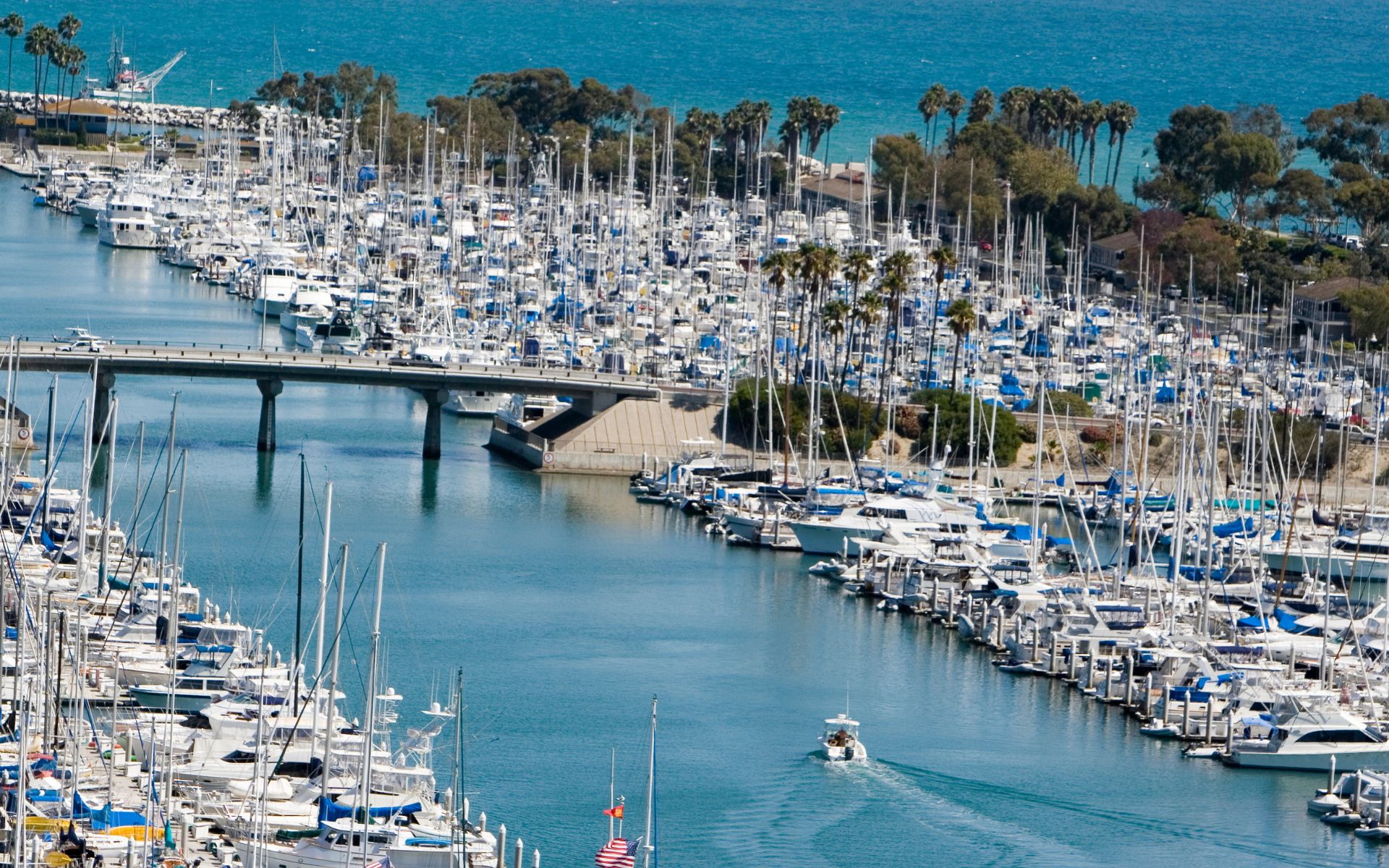
Dana Point Harbor & Lantern District: Dining, Shopping, Boating & Coastal Living
Dana Point Harbor and the nearby Lantern District create one of the most distinctive coastal lifestyles in South Orange County. This is where boating, whale watching, paddleboarding, waterfront dining, local businesses, beaches, community events, and residential neighborhoods come together within a relatively compact part of Dana Point. But the Harbor and Lantern District are not […]
Join Our Mailing List
Are you interested in buying a home? Look no further than working with real estate experts.
Quick Links
Brokerage Info
25950 Acero., #100
Mission Viejo, CA 92691
DRE 01200533


All information is deemed reliable but not guaranteed and should be independently reviewed and verified.
Powered by Sprout Interactive

