
Dana Point Neighborhoods & Homes: Lantern District, Monarch Beach, Capistrano Beach & More
Choosing a home in Dana Point is not simply a question of how close you want to be to the Pacific Ocean.
Dana Point neighborhoods can create dramatically different lifestyles depending on whether you choose an older home in Lantern Village, a property near the Lantern District and Harbor, a gated coastal community around Monarch Beach, an ocean-view home in Niguel Shores, a luxury residence near the Headlands, or an established property in Capistrano Beach.
The City itself describes Dana Point as a collection of distinct communities rather than one uniform coastal environment. Its planning documents identify the original communities of Dana Point, Capistrano Beach, and Monarch Beach, along with areas such as Lantern Village, the Town Center/Lantern District, the Headlands, Doheny Village, and the Harbor.
That variety matters for buyers.
Two Dana Point homes with similar prices or square footage can provide completely different experiences in terms of:
- Beach access
- Harbor access
- Ocean views
- Walkability
- HOA structure
- Gated-community amenities
- Home age
- Lot size
- Elevation
- Parking
- Coastal exposure
- Commute routes
- Seasonal visitor activity
That is why Dana Point neighborhoods and homes are best compared neighborhood by neighborhood and property by property.
Here is what buyers should know.
Dana Point Neighborhoods at a Glance
Dana Point becomes much easier to understand when you stop thinking of it as one coastal real estate market.
Lantern Village contains some of Dana Point’s oldest residential neighborhoods, with steep streets, historic homes, ocean-oriented roads, condos, and newer infill properties surrounding the city’s central coastal area.
The Lantern District and Town Center create the more walkable mixed-use side of central Dana Point, with restaurants, businesses, Del Prado Avenue, Pacific Coast Highway, and connections toward the Harbor.
Monarch Beach sits toward the northern end of the city and offers a more resort-oriented residential environment with upscale communities, golf, coastal recreation, and proximity to Salt Creek Beach.
Niguel Shores is a gated coastal community positioned between the Monarch Beach and Headlands areas.
The Dana Point Headlands combine luxury residential development with dramatic bluff-top scenery, Strands Beach, coastal trails, and protected open space.
Capistrano Beach occupies the southern end of Dana Point and contains some of the city’s oldest residential areas, including bluff-top neighborhoods and shoreline properties.
Dana Hills and central Dana Point provide more traditional residential settings farther from the immediate Harbor and beach activity.
Doheny Village is a mixed-use area close to I-5, Doheny State Beach, Capistrano Beach, and the southern end of Dana Point Harbor.
These areas are close geographically.
The lifestyle can still change substantially from one to another.
Lantern Village: Historic Dana Point With Hills, Views and Character
Lantern Village is one of the most recognizable Dana Point neighborhoods.
The City describes Lantern Village as Dana Point’s historic center, containing some of its earliest neighborhoods and the city’s largest concentration of historic homes.
Much of the neighborhood developed during the 1920s and 1930s as part of Dana Point’s original vision as a “community by the sea.”
The area is also defined by something buyers immediately notice when driving through it:
the hills.
The City describes Lantern Village as having steep, curving topography and ocean-oriented streets, with many locations offering ocean views and relatively easy access toward the Town Center by foot or bike.
That creates a residential environment that feels very different from flatter master-planned communities elsewhere in South Orange County.
What Types of Homes Can Buyers Find in Lantern Village?
Lantern Village is not one uniform subdivision.
Buyers may encounter:
- Older coastal cottages
- Mid-century homes
- Renovated single-family residences
- Duplexes and multifamily properties
- Condominiums
- Townhomes
- Contemporary infill construction
- Hillside homes
- Ocean-view properties
The variety is part of the appeal.
One street may contain older modest homes alongside substantially remodeled properties.
Another may include condos positioned above the street with views toward the Pacific.
Some homes have garages and usable driveways.
Others reflect an older coastal street pattern where parking deserves more attention.
That means square footage alone is not enough when comparing Lantern Village homes.
Lantern Village Elevation Can Change the Home
Elevation is particularly important here.
Dana Point’s lantern-named streets climb the hillside above the Harbor and Pacific.
Depending on the property, elevation can influence:
- Ocean views
- Harbor views
- Street grade
- Driveway slope
- Walking difficulty
- Wind exposure
- Privacy
- Parking
- How easily you can reach the Lantern District
A property that looks only a few blocks from Del Prado Avenue on a map may involve a meaningful hill.
If walkability is one reason you are considering Lantern Village, walk the route before deciding.
Lantern Village vs. Lantern District: They Are Not Exactly the Same
These names are often used interchangeably, but buyers should understand the distinction.
Lantern Village is primarily the historic residential community.
The Lantern District, often associated with Dana Point’s Town Center, is the mixed-use commercial and pedestrian-oriented area centered around Pacific Coast Highway and Del Prado Avenue.
The City describes the Town Center as one of Dana Point’s primary business districts and envisions it as a mixed-use, pedestrian-friendly center accessible by multiple forms of transportation.
For buyers, the distinction matters.
You may want to live in Lantern Village but close to the Lantern District.
That could give you a residential street while still placing restaurants, coffee shops, services, and Harbor access within a more convenient distance.
Living Near the Lantern District: Walkability vs. Activity
The Lantern District can be one of Dana Point’s more appealing areas for buyers who do not want every outing to require a car.
Depending on the property, residents may be able to walk toward:
- Del Prado Avenue
- Restaurants
- Coffee shops
- Local businesses
- Pacific Coast Highway
- Bluff-top viewpoints
- Community events
- Dana Point Harbor
But walkability comes with a tradeoff.
Homes closer to commercial activity may experience more:
- Visitor traffic
- Pedestrians
- Restaurant activity
- Street parking demand
- Events
- Delivery traffic
- Weekend activity
A buyer who wants to walk to dinner may consider that an excellent exchange.
Someone who prioritizes a quieter residential environment may prefer to be several streets farther away.
Monarch Beach: Resort-Oriented Coastal Living
Monarch Beach creates a very different version of Dana Point.
The City describes Monarch Beach as a planned, recreation-oriented resort and residential area developed around a mix of homes, open space, commercial uses, golf, coastal recreation, and major resorts including the Ritz-Carlton and Waldorf Astoria.
That planned character makes Monarch Beach feel noticeably different from historic Lantern Village.
Rather than older streets developing gradually around a coastal town center, buyers encounter more organized residential communities, landscaped environments, gated neighborhoods, golf-oriented areas, and resort-adjacent real estate.
What Types of Homes Can Buyers Find in Monarch Beach?
Depending on the community, buyers may encounter:
- Detached single-family homes
- Gated neighborhoods
- Condominiums
- Townhomes
- Golf-course-adjacent properties
- Ocean-view homes
- Luxury residences
- Properties close to Salt Creek Beach
Not every Monarch Beach home has an ocean view.
Not every home sits near the golf course.
And not every property offers the same beach access.
That is why buyers should compare the exact community rather than treating “Monarch Beach” as one home type.
Monarch Beach Can Appeal to Buyers Who Want a More Planned Coastal Environment
Some buyers specifically want the ocean without living directly beside the more active Harbor or Lantern District.
Monarch Beach can provide that alternative.
The overall setting may appeal if your priorities include:
- Gated or planned neighborhoods
- Resort surroundings
- Golf
- Salt Creek Beach
- Coastal views
- Landscaped residential streets
- Quieter residential pockets
- Proximity toward Laguna Beach
The tradeoff is that the area can feel less like a traditional walkable beach town.
Many everyday errands and destinations still involve driving.
The best fit depends on whether you value a more private residential setting or a stronger connection to the Harbor and Town Center.
Niguel Shores: Gated Coastal Living Near Salt Creek and Strands
Niguel Shores is another important area for buyers comparing Dana Point neighborhoods.
The community sits in a highly desirable coastal location near Salt Creek, Strands Beach, the Headlands, and Monarch Beach.
Niguel Shores operates through its own homeowners association and gated entry system. The association maintains current governing documents, architectural guidelines, landscaping guidance, parking rules, and buyer information, which makes reviewing the HOA particularly important before purchasing.
Niguel Shores Amenities Are Part of the Ownership Experience
Community amenities can play a meaningful role in why buyers consider Niguel Shores.
Association updates identify recreation that includes:
- Swimming and spa facilities
- Tennis
- Pickleball
- Basketball
- Bocce
- Shuffleboard
- Volleyball
- Playground areas
- Grass recreation areas
Those facilities can add considerable lifestyle value for someone who expects to use them regularly.
But the amenities are also part of a larger HOA ownership structure.
Buyers should review current dues, rules, architectural restrictions, parking requirements, maintenance responsibilities, and community documents for the specific property.
Ocean Views Within Niguel Shores Can Vary Significantly
Like many coastal Dana Point neighborhoods, Niguel Shores includes elevation changes and different property orientations.
One home may have a broad Pacific view.
Another may primarily overlook neighborhood landscaping.
Some properties may have stronger access toward the coastal side of the community.
Others may sit farther inland.
That means buyers should avoid treating every Niguel Shores home as interchangeable simply because they share the same gated-community name.
The specific street and lot still matter.
Dana Point Headlands: Luxury Homes and Dramatic Coastal Geography
Few parts of Dana Point are as visually distinctive as the Headlands.
The Headlands rise above the Pacific between the Harbor and Strands Beach, creating dramatic coastal bluffs, trails, protected habitat, ocean views, and some of the city’s highest-end residential real estate.
The City’s Headlands planning documents preserve substantial portions of the area for public parks, conservation, open space, coastal access, and scenic views while also allowing residential development in designated areas.
The broader conservation area includes nearly 60 acres of protected parks and open space, connected by an approximately three-mile public trail system.
What Types of Homes Are Around the Headlands?
The residential environment is largely luxury-oriented.
Buyers may encounter:
- Large detached homes
- Gated residential enclaves
- Ocean-view properties
- Bluff-oriented locations
- Contemporary coastal architecture
- Homes near Strands Beach
- Properties adjoining open space
Some Headlands homes derive much of their value from the combination of view, location, lot orientation, architecture, and proximity to protected coastal land.
That makes property-level analysis especially important.
A Headlands Home Should Be Evaluated Beyond the View
A dramatic Pacific view can easily become the first thing buyers notice.
It should not be the only thing.
Depending on the specific property, buyers may also want to understand:
- Bluff or slope relationship
- Drainage
- Retaining structures
- Exterior exposure
- Coastal maintenance
- Insurance
- HOA requirements
- Trail and open-space proximity
- Parking
- Visitor activity near coastal access
The Headlands illustrate a recurring Dana Point principle:
The more unique the location, the more property-specific the due diligence becomes.
Capistrano Beach: Established Residential Dana Point Near San Clemente
At the southern end of Dana Point, Capistrano Beach offers another very different residential environment.
The City describes Capistrano Beach as one of Dana Point’s oldest and most distinguished residential areas.
Its architecture is eclectic, reflecting multiple periods of development.
The City also distinguishes between the shoreline environment around Beach Road and the residential areas on the bluffs above the coast. Palisades Drive creates one of the area’s most recognizable connections as it winds down the bluff toward Pacific Coast Highway and the beach.
That distinction matters tremendously when comparing homes.
Capistrano Beach Is More Than Beach Road
When buyers hear “Capistrano Beach,” it is easy to picture homes directly along the water.
But the broader community includes several different residential settings.
You may encounter:
- Bluff-top single-family homes
- Established residential streets
- Ocean-view properties
- Homes farther inland
- Properties closer to PCH
- Shoreline homes
- Older houses
- Extensively remodeled properties
- Newer infill construction
A bluff-top Capistrano Beach home should not automatically be compared with a property directly along the shoreline.
They may share the same broader neighborhood name but have very different maintenance, access, risk, privacy, parking, and ownership considerations.
Beach Road Is a Highly Specific Coastal Environment
Beach Road represents one of the most direct shoreline living environments in Dana Point.
That makes it fundamentally different from much of the rest of Capistrano Beach.
Recent 2026 coastal damage along the private Capistrano Bay District on Beach Road is also a reminder that buyers should not generalize the conditions of one shoreline area to an entire neighborhood—or the entire city.
The lesson for buyers is simple:
Evaluate the actual parcel.
A home several streets inland or higher on the bluff may have a completely different relationship with coastal conditions.
Capistrano Beach Can Appeal to Buyers Who Want a More Residential Feel
Compared with the Harbor and Lantern District, parts of Capistrano Beach can feel more residential.
There is generally less emphasis on a concentrated downtown environment.
Instead, buyers may value:
- Established streets
- Coastal proximity
- Views from elevated properties
- Access toward Doheny
- Proximity to San Clemente
- Convenient routes toward I-5
- A less Harbor-centered lifestyle
For someone who likes Dana Point but spends significant time in San Clemente or travels south, the location may be particularly practical.
Dana Hills and Central Dana Point: A More Traditional Residential Alternative
Not every buyer wants to live directly beside the beach, Harbor, or resort areas.
Dana Hills and the broader central Dana Point residential area provide another option.
The City describes the central Dana Point community as the area surrounding Lantern Village and Town Center and extending toward the Harbor, with terrain that can provide distant views toward Capistrano Valley, the southern coastline, and the Santa Ana Mountains.
This part of the city can feel more like an established residential community than a visitor-oriented coastal district.
Buyers may find:
- Detached single-family homes
- Condominiums
- Townhomes
- Hillside streets
- Residential cul-de-sacs
- Properties farther from beach crowds
- Homes with varying view orientations
For some buyers, this creates a useful middle ground.
You remain in Dana Point and close to the coast without necessarily having Harbor activity outside your door.
Dana Hills Can Make Sense If Everyday Convenience Matters More Than Walk-to-Beach Access
The real question is how you expect to spend your time.
If you plan to surf or walk the Harbor every morning, a more inland residential location may feel less convenient.
If you value a quieter neighborhood and are comfortable driving several minutes to the beach, it may be a better fit.
That is why the phrase “close to the beach” should never be the only criterion in a Dana Point home search.
The street you live on may matter more than the raw mileage.
Doheny Village: Mixed-Use Dana Point Near I-5 and the Coast
Doheny Village is another part of Dana Point buyers should understand.
It sits near I-5, Doheny State Beach, Capistrano Beach, and the southern Harbor area.
Unlike primarily residential neighborhoods, Doheny Village has historically contained a mixture of commercial, industrial, residential, and visitor-serving uses.
The City adopted a Doheny Village Plan in 2021 intended to encourage more diverse housing within a mixed-use, pedestrian-oriented environment and improve connections between Doheny Village, Capistrano Beach, and the Harbor.
For buyers, that means Doheny Village should not be evaluated like Monarch Beach or Niguel Shores.
The land-use environment is different.
What Does Doheny Village Offer Home Buyers?
Depending on the property, buyers may encounter multifamily housing and other residential options close to:
- Doheny State Beach
- I-5
- Pacific Coast Highway
- Capistrano Beach
- Dana Point Harbor
- Local businesses
The attraction may be access rather than exclusivity.
Someone who wants convenient freeway access and proximity to Doheny may see value here.
A buyer who wants a gated resort environment may look elsewhere.
That contrast is exactly why Dana Point neighborhoods need to be evaluated individually.
Dana Point Harbor Is a Lifestyle Center More Than a Traditional Residential Neighborhood
Dana Point Harbor is central to the city’s identity.
But buyers should distinguish the Harbor itself from the neighborhoods surrounding it.
The County manages the Harbor, while nearby residential areas rise around Lantern Village, the Headlands, and other central Dana Point neighborhoods.
The Harbor provides access to:
- Boating
- Sailing
- Whale watching
- Paddleboarding
- Kayaking
- Restaurants
- Shops
- Baby Beach
- Walking areas
- Doheny State Beach
The Harbor revitalization is also changing the commercial and public-space environment. The City describes the Harbor as having an important economic and social relationship with the Town Center and Headlands.
For home buyers, Harbor proximity can therefore add lifestyle value even when the property itself is technically in another neighborhood.
Older Homes vs. Planned Coastal Communities in Dana Point
One of the biggest decisions when comparing Dana Point neighborhoods and homes is whether you prefer an older established neighborhood or a more planned residential community.
Lantern Village and Capistrano Beach can provide:
- Greater architectural variety
- Older homes
- Different lot configurations
- Mature streets
- Renovated properties beside original homes
- Less uniform neighborhood design
Monarch Beach, Niguel Shores, and newer Headlands development may offer:
- More coordinated architecture
- Gated environments
- Shared amenities
- HOA oversight
- More planned landscaping
- Community rules
- Recreation facilities
Neither is automatically better.
Some buyers love the individuality of an older coastal street.
Others want the predictability and amenities of a managed community.
Condos vs. Single-Family Homes in Dana Point
Dana Point also offers meaningful variation in property type.
A condo may provide access to a location that would be significantly more expensive if purchased as a detached home.
That can be particularly relevant around central Dana Point, Lantern Village, and areas closer to the Harbor.
But the lower purchase price does not automatically mean lower ownership costs.
Condo buyers should evaluate:
- HOA dues
- Master insurance
- Reserve funding
- Exterior maintenance
- Roof responsibility
- Parking
- Guest parking
- Storage
- Pet rules
- Rental rules
- Special assessments
A detached home may give you more control over the property while placing more maintenance responsibility directly on the owner.
The correct comparison is the complete ownership experience.
Gated vs. Non-Gated Dana Point Neighborhoods
Gated communities are an important part of the Dana Point market, particularly around some coastal and luxury areas.
For certain buyers, gates provide the community structure they prefer.
Others may place more value on easier visitor access, fewer association restrictions, or living on a more traditional public street.
Before buying in a gated Dana Point community, consider:
- Guest procedures
- Contractor access
- Delivery access
- HOA dues
- Parking rules
- Architectural standards
- Community amenities
- Gatehouse procedures
- Exterior renovation restrictions
These details can meaningfully affect everyday ownership.
HOA Structure Can Change the Dana Point Homeownership Experience
One of the biggest mistakes buyers can make is assuming all Dana Point neighborhoods have similar HOA arrangements.
They do not.
A home in an older Lantern Village street may have a completely different ownership structure from a property inside Niguel Shores.
A condo may have a substantial HOA that covers building systems and common areas.
A gated detached-home community may have dues supporting landscaping, security, recreation, or private infrastructure.
Another property may have much less association involvement.
Before buying, review the specific property’s current governing documents and costs.
Ocean View vs. Beach Access in Dana Point
Dana Point’s hills create many opportunities for ocean views.
But an ocean view does not automatically mean easy beach access.
A Lantern Village hillside home may have an excellent Harbor or Pacific view while requiring a steep walk.
A Monarch Beach property may overlook the coastline but still require a specific route to Salt Creek.
A Niguel Shores property may offer a different combination of gated-community amenities and coastal access.
A Capistrano Beach home on the bluff may have a broad view while sitting well above the shoreline.
The right feature depends on your priorities.
Some buyers care most about seeing the Pacific from the living room.
Others want to reach the sand without getting in the car.
Elevation Matters Across Dana Point Neighborhoods
Dana Point is a coastal city built around hills, bluffs, and ridgelines.
Elevation can affect:
- View quality
- Street grade
- Driveway slope
- Wind
- Walking
- Drainage
- Privacy
- Ocean exposure
- Parking
- Accessibility
That means two homes that appear equally close to the coast on a map can feel very different.
Always experience the route.
Do not judge walkability by mileage alone.
Parking Can Matter More in Some Dana Point Neighborhoods
Parking is not equally important everywhere.
A property with a two-car garage and driveway may feel straightforward in a residential neighborhood.
A condo or older home close to the Lantern District may require more attention to:
- Assigned parking
- Garage dimensions
- Street parking
- Guest parking
- HOA restrictions
- Event traffic
The closer you are to popular restaurants, beaches, Harbor activity, or visitor areas, the more useful it is to understand parking under peak conditions.
Walkability Means Different Things in Different Dana Point Neighborhoods
There is no simple answer to the question:
Is Dana Point walkable?
It depends entirely on where you live.
A Lantern Village home near Del Prado may provide genuine restaurant and business walkability.
A home near the Harbor may give you excellent recreational walking.
A Monarch Beach property may be closer to parks, trails, or Salt Creek but farther from a traditional downtown environment.
A Headlands property may emphasize trails and scenic coastal walks.
A Capistrano Beach home may have a more residential walking environment.
Buyers should define what they actually mean by “walkable.”
Walking to dinner is different from walking to the beach.
Walking along the bluff is different from walking to groceries.
Dana Point Homes Can Vary Dramatically Within the Same Neighborhood
Neighborhood research should narrow your search.
It should never replace property-level due diligence.
Within the same Dana Point neighborhood, homes may differ in:
- Elevation
- Ocean view
- Harbor view
- Lot orientation
- Street noise
- HOA
- Parking
- Renovation history
- Home age
- Beach access
- Coastal exposure
- Landscaping
- Drainage
- Garage configuration
- Proximity to commercial areas
A property on one Lantern Village street may feel completely different from another only several blocks away.
The same is true in Capistrano Beach, Monarch Beach, and other areas.
How Do Dana Point Neighborhood Prices Compare?
Dana Point does not have one uniform price point.
Current October 2026 Realtor.com data illustrate how much neighborhood-level asking prices can differ.
The platform reported median listing prices of approximately:
- $2.20 million in Lantern Village
- $2.50 million in Capistrano Beach
- $2.95 million in Niguel Shores
- $8.995 million in Dana Point Headlands
The citywide median listing price was approximately $2.465 million.
These are listing-price medians, not valuations of individual homes.
The Headlands in particular is a small luxury market where a limited number of expensive listings can move the median substantially.
The more important takeaway is this:
Dana Point neighborhoods should never be priced or compared as one market.
Property type, location, view, lot, condition, HOA, renovation level, gated-community status, beach proximity, and coastal exposure can all affect value.
What Should Buyers Compare Between Dana Point Neighborhoods?
When narrowing your search, compare more than the house.
Consider:
- Beach access
- Harbor access
- Ocean views
- Walkability
- Street grade
- Parking
- HOA dues
- HOA rules
- Community amenities
- Gated access
- Home age
- Lot configuration
- Coastal exposure
- I-5 access
- PCH access
- Seasonal visitor activity
- Commute routes
- Shopping and dining
- Maintenance requirements
Then visit your favorite neighborhoods at different times.
A quiet weekday showing does not necessarily tell you what the street feels like on a summer Saturday.
Which Dana Point Neighborhood Is Best?
There is no single best Dana Point neighborhood.
The better question is:
Which Dana Point neighborhood fits the way you actually want to live?
Lantern Village may appeal if you want character, hillside streets, ocean views, and proximity to the Lantern District.
The Lantern District may be the stronger fit if restaurants, businesses, Harbor access, and walkability matter most.
Monarch Beach may appeal if you prefer a more planned, upscale, resort-adjacent environment.
Niguel Shores may stand out if gated coastal living and community amenities are priorities.
The Headlands may make sense if dramatic views, luxury real estate, coastal trails, and a unique bluff-top setting are central to your search.
Capistrano Beach may appeal if you prefer an established residential environment closer to San Clemente and the southern side of Dana Point.
Dana Hills or central Dana Point may be a better fit if you want a more traditional residential setting while remaining close to the coast.
The right answer depends on the property, not simply the neighborhood name.
Dana Point Neighborhoods & Homes FAQ
What are the main neighborhoods in Dana Point?
Dana Point includes several distinct residential and mixed-use areas, including Lantern Village, the Lantern District/Town Center, Monarch Beach, Niguel Shores, the Dana Point Headlands, Capistrano Beach, Dana Hills, central Dana Point, and Doheny Village.
What is the difference between Lantern Village and the Lantern District?
Lantern Village is primarily the historic residential community containing many of Dana Point’s oldest neighborhoods. The Lantern District is associated more closely with the Town Center and its restaurants, businesses, mixed-use development, and pedestrian-oriented environment.
Is Lantern Village walkable?
Parts of Lantern Village can provide convenient access toward the Lantern District and Town Center, but the neighborhood is hilly. Actual walkability depends on the property, elevation, street grade, and destination.
Is Monarch Beach part of Dana Point?
Yes. Monarch Beach is one of Dana Point’s major communities. The City describes it as a planned resort and residential area with golf, coastal recreation, upscale development, and major resort properties.
Is Niguel Shores gated?
Yes. Niguel Shores operates through a homeowners association with controlled guest and service access through its gatehouse. Buyers should review current association rules and property-specific HOA information before purchasing.
Are there ocean-view homes in Dana Point?
Yes. Dana Point’s hills, bluffs, and elevated residential areas create ocean and Harbor views in several neighborhoods. Views are highly property-specific and depend on elevation, orientation, surrounding structures, landscaping, and lot position.
Where are the most expensive homes in Dana Point?
Luxury homes are found in several coastal areas, including the Headlands and other high-end gated communities. Current neighborhood-level listing data show the Headlands at the upper end of Dana Point’s asking-price environment, but individual values vary substantially.
Is Capistrano Beach part of Dana Point?
Yes. Capistrano Beach is the southern Dana Point community near San Clemente. It includes bluff-top residential areas, established neighborhoods, coastal properties, and the shoreline environment around Beach Road.
Is Beach Road the same as Capistrano Beach?
No. Beach Road is a highly specific shoreline community within the broader Capistrano Beach area. Other Capistrano Beach homes may sit on the bluffs or farther inland and can have very different ownership considerations.
Does every Dana Point home have an HOA?
No. HOA structure varies widely by property and neighborhood. Some gated communities and condo developments have significant association involvement, while other properties may have different or limited HOA structures.
Which Dana Point neighborhood is closest to the Harbor?
Lantern Village and central Dana Point contain residential areas close to Dana Point Harbor, while the Headlands also adjoin the broader Harbor environment. Actual access depends on the property and route.
Which Dana Point neighborhoods are closest to Salt Creek Beach?
Monarch Beach and nearby coastal communities such as Niguel Shores are among the residential areas most closely associated with Salt Creek and the northern Dana Point coastline.
Which Dana Point neighborhood is closest to San Clemente?
Capistrano Beach occupies the southern end of Dana Point and sits immediately north of San Clemente.
Are there older homes in Dana Point?
Yes. Lantern Village and Capistrano Beach contain some of Dana Point’s oldest residential areas. Home age, renovation history, systems, architecture, and maintenance can vary substantially even within the same street.
Are there gated communities in Dana Point?
Yes. Dana Point contains multiple gated residential environments, particularly in some coastal and higher-end areas. HOA structure, amenities, rules, guest access, and fees vary by community.
Should buyers choose a Dana Point neighborhood before choosing a home?
A neighborhood can help narrow the search, but the final decision should be property-specific. Elevation, views, parking, HOA structure, home condition, coastal exposure, lot position, walkability, and beach access can vary substantially within the same neighborhood.
Explore More South Orange County Communities
If you’re comparing Dana Point neighborhoods with other South Orange County communities, these live guides can help you see how the housing and lifestyle options differ.
Explore San Clemente Neighborhoods & Homes
Explore the Living in San Clemente Guide
Explore Portola Hills Neighborhoods & Homes
Explore the Living in Portola Hills Guide
Thinking About Buying or Selling a Home in Dana Point?
The biggest advantage of researching Dana Point neighborhoods and homes is realizing how many different versions of the Dana Point lifestyle exist.
You can choose the historic hillside streets of Lantern Village.
You can live close to restaurants and Harbor activity around the Lantern District.
You can prioritize the resort-oriented setting of Monarch Beach.
You can choose gated coastal living in Niguel Shores.
You can search for a luxury ocean-view home around the Headlands.
You can look south toward Capistrano Beach for an established residential environment closer to San Clemente.
Or you can choose a more traditional residential pocket farther from the busiest coastal destinations.
The right Dana Point home is not simply the property with the best view or the shortest distance to the beach.
It is the one where the neighborhood, home type, HOA structure, parking, walkability, elevation, beach access, Harbor access, commute, ownership costs, and everyday lifestyle work together for the way you actually want to live.
Recent Updates
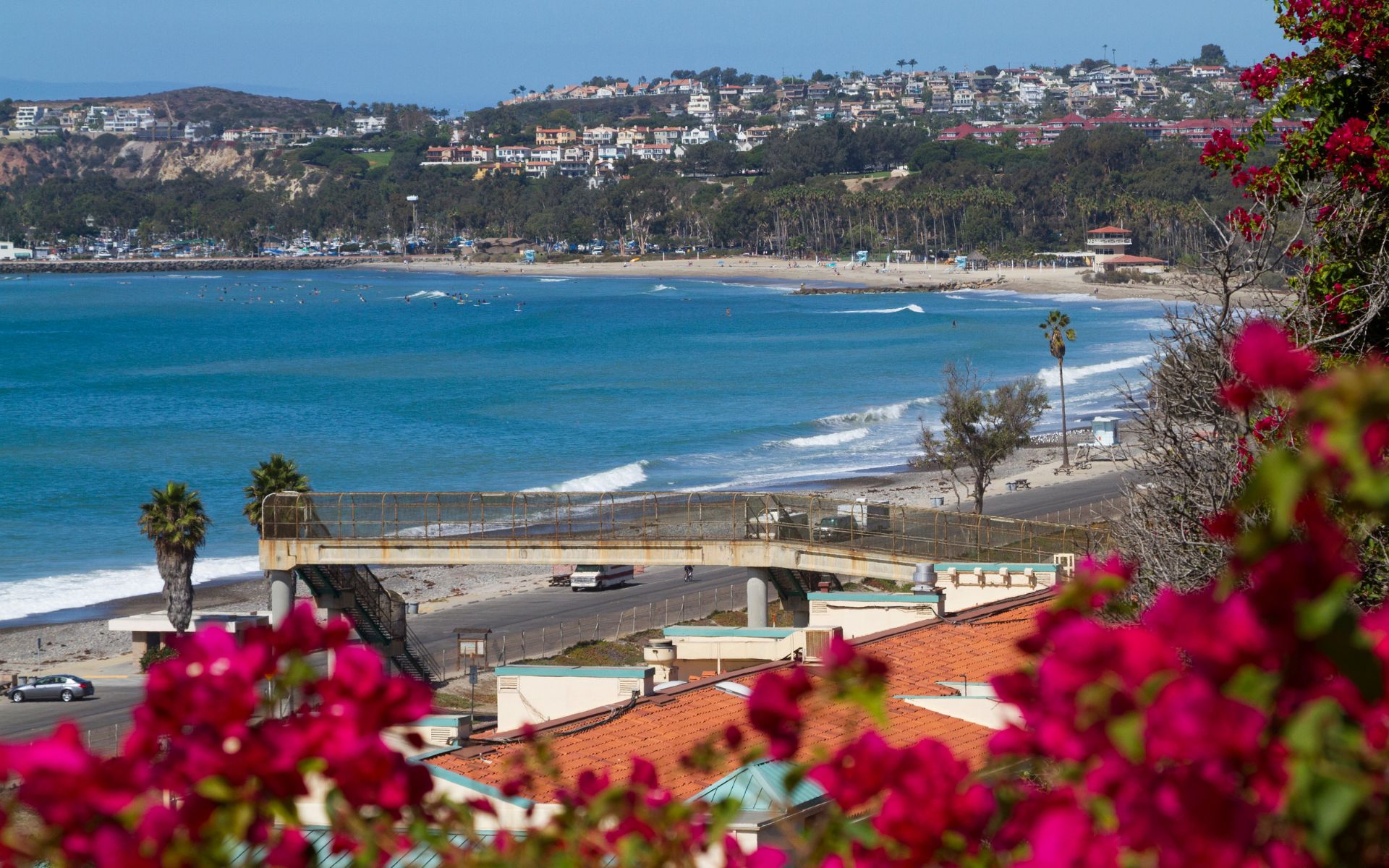
Dana Point Beaches & Ocean Lifestyle: Doheny, Salt Creek, Strands, Baby Beach & More
Dana Point beaches are one of the biggest reasons buyers consider living in this part of South Orange County. But there is no single Dana Point beach experience. Doheny State Beach offers surfing, picnic areas, camping, and a broad stretch of coastline beside Dana Point Harbor. Baby Beach provides calmer Harbor water that works well […]
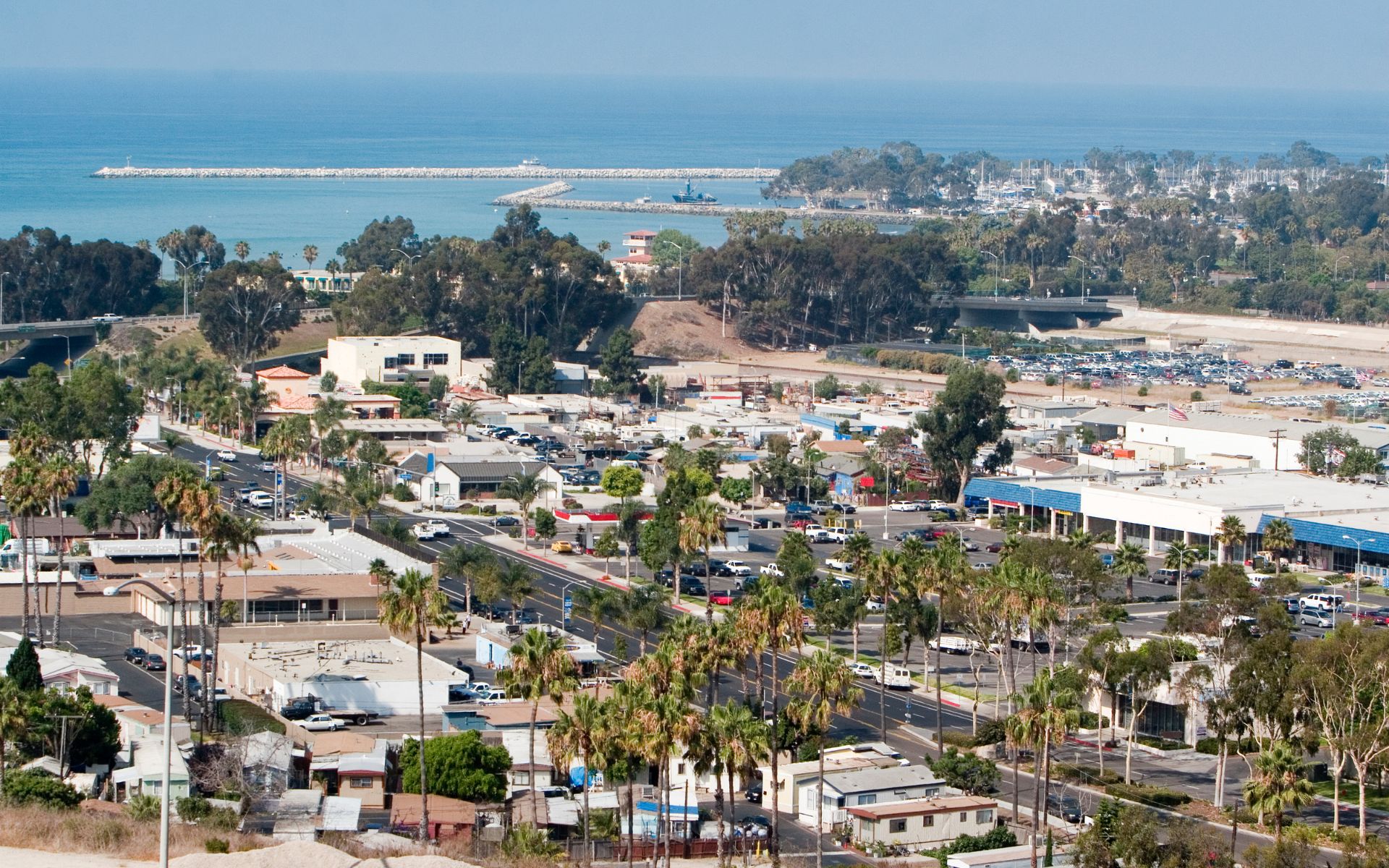
Living in Dana Point, CA: 5 Reasons You’ll Love It & 3 Reasons It Might Not Be for You
Living in Dana Point, CA means having the Pacific Ocean woven into everyday life. This South Orange County coastal city combines beaches, surfing, boating, whale watching, bluff-top trails, a working harbor, ocean-view neighborhoods, resort-style communities, and a walkable coastal district centered around the Lantern District and Dana Point Harbor. But Dana Point is not one […]

San Clemente Coastal Homes: Erosion, Bluffs, Salt Air & Buyer Considerations
San Clemente coastal homes offer something difficult to duplicate: Pacific Ocean views, access to beaches and the Beach Trail, hillside settings, ocean breezes, and the ability to live in one of South Orange County’s most recognizable beach communities. But buying near the coast also requires a different kind of due diligence. A home overlooking the […]
Join Our Mailing List
Are you interested in buying a home? Look no further than working with real estate experts.
Quick Links
Brokerage Info
25950 Acero., #100
Mission Viejo, CA 92691
DRE 01200533


All information is deemed reliable but not guaranteed and should be independently reviewed and verified.
Powered by Sprout Interactive

