
San Juan Capistrano Home Prices & Ownership Costs: What Buyers Should Budget For
San Juan Capistrano home prices can look very different from one property to the next.
That is because San Juan Capistrano is not a market built around one dominant type of housing.
Buyers may be comparing:
- Condos and townhomes
- Established single-family neighborhoods
- Golf-oriented communities
- Gated developments
- Newer master-planned homes
- Hillside properties
- Custom estates
- Equestrian properties
- Larger lots with extensive landscaping
- Homes near historic downtown
For the three months ending October 2026, Redfin reported a median sale price of $1,426,508 in San Juan Capistrano. That was up 7.5% from the same period a year earlier. The median sale price per square foot was $717.
Zillow measures the market differently. Its Home Value Index placed the typical San Juan Capistrano home value at $1,336,621 as of October 31, 2026, up 4.1% year over year.
Those numbers provide useful context. However, they do not tell you what your specific home will cost to buy or own.
A Marbella golf-oriented property, Stoneridge equestrian home, Pacifica San Juan residence, downtown condo, and Hunt Club estate can have completely different purchase prices and carrying costs.
That is why buyers should look beyond the listing price.
The better question is:
What will this specific San Juan Capistrano property cost me to own each year?
Here is what to include in that calculation.
Current San Juan Capistrano Home Prices
San Juan Capistrano remains a relatively high-priced residential market in South Orange County.
For the three months ending October 2026, Redfin reported:
- Median sale price: $1,426,508
- Year-over-year price change: +7.5%
- Median price per square foot: $717
- Median days on market: 46
- Sale-to-list ratio: 98.5%
Meanwhile, Zillow reported a typical home value of $1,336,621 at the end of October 2026. It also reported 103 homes for sale and a median list price of approximately $1.71 million.
The difference between Redfin and Zillow does not mean one is necessarily wrong. Instead, they measure different aspects of the housing market.
Redfin’s median sale price reflects homes that actually sold. Zillow’s Home Value Index uses a model to track typical residential values across the market.
For buyers, both are useful. However, neither should replace neighborhood-specific comparable sales.
Why Median San Juan Capistrano Home Prices Can Be Misleading
A citywide median combines very different types of property.
That matters especially in San Juan Capistrano.
For example, a smaller attached home may sell well below the citywide median. Meanwhile, a remodeled estate with acreage, views, or equestrian improvements may sell for several times that amount.
Therefore, buyers should not assume that a $1.43 million median means most homes cost approximately $1.43 million.
The actual search depends heavily on:
- Property type
- Neighborhood
- Lot size
- Home size
- Condition
- Views
- Gated access
- Golf proximity
- Equestrian amenities
- Age
- HOA structure
- Location within the city
San Juan Capistrano home prices are best evaluated using comparable sales within the same neighborhood and property type.
San Juan Capistrano Home Prices by Neighborhood
The neighborhood can significantly influence both purchase price and ownership cost.
Understanding how San Juan Capistrano home prices vary by neighborhood helps buyers establish a more realistic budget.
Marbella: Golf-Oriented Luxury Homes
Marbella generally attracts buyers seeking larger homes, guard-gated living, golf surroundings, and an established luxury environment.
Within Marbella, buyers may find both detached residences and attached golf-oriented housing.
In addition to the purchase price, buyers should consider residential HOA dues, landscaping, and property maintenance.
Private country club membership may involve separate expenses, depending on the buyer’s lifestyle.
The Hunt Club: Custom Estates and Larger Lots
The Hunt Club contains custom estate properties on larger lots.
Here, buyers may be paying for much more than interior square footage.
Property values can reflect:
- Land
- Privacy
- Equestrian facilities
- Views
- Pools
- Landscaping
- Custom architecture
- Renovation quality
However, larger properties can also create higher maintenance costs.
Mission Hills Ranch and Stoneridge: Equestrian-Oriented Properties
These communities may appeal to buyers looking for larger lots and equestrian character.
However, horse-oriented properties can add expenses that a conventional suburban home does not have.
Those costs may include:
- Fencing
- Barn maintenance
- Stall maintenance
- Water
- Feed storage
- Trailer areas
- Drainage
- Equestrian improvements
Buyers should evaluate the condition and permitted use of existing horse facilities before purchasing.
Pacifica San Juan: Newer Homes and Planned Communities
Pacifica San Juan offers relatively newer housing.
Newer homes may reduce certain near-term repair concerns. However, buyers should carefully review HOA obligations, special taxes, and property-specific assessments.
For homes with ocean, hillside, or Dana Point Harbor views, the quality and orientation of the view can also influence pricing.
Rancho Madrina: Gated Luxury Living
Rancho Madrina offers substantial detached homes within a gated residential setting.
Buyers may find larger floor plans, outdoor entertaining areas, pools, and landscaped yards.
As a result, maintenance expenses can extend beyond the house itself. Buyers should review HOA dues, utility costs, landscaping, and the condition of major home systems.
San Juan Hills: Multiple Housing Types and Price Points
San Juan Hills includes several types of housing.
Buyers may encounter detached homes, attached homes, golf-area properties, and age-qualified communities.
Because housing types vary, HOA dues and maintenance responsibilities can also differ.
Always verify the exact subdivision and association before comparing prices.
Historic Downtown and Central San Juan Capistrano
Homes closer to downtown may offer smaller lots, older construction, condos, townhomes, and easier access to the Mission, Los Rios, restaurants, and rail.
A smaller lot may reduce landscaping costs. However, an older home may require a larger repair and renovation budget.
For some buyers, downtown walkability and train access may also justify paying more for a particular location.
Beyond San Juan Capistrano Home Prices: The True Cost of Ownership
A common buyer mistake is calculating affordability from the mortgage payment alone.
A more complete ownership budget should consider:
- Mortgage principal and interest
- Property taxes
- Homeowners insurance
- HOA dues
- Special assessments
- Utilities
- Landscaping
- Pool maintenance
- Repairs
- Long-term capital improvements
- Fire-related property maintenance
- Equestrian expenses, if applicable
- Hillside and drainage maintenance, if applicable
The balance between these expenses can vary greatly from home to home.
Comparing San Juan Capistrano home prices without considering ongoing expenses can underestimate the true cost of ownership.
San Juan Capistrano Property Taxes and Homeownership Costs
California property taxes begin with the framework established by Proposition 13.
The basic property-tax levy is 1% of assessed value. Additional voter-approved bonded indebtedness and applicable assessments can increase the actual amount a property owner pays.
For a buyer, the most important point is this:
Do not base your future tax bill on what the current owner pays.
A long-term owner may have an assessed value far below current market value. Proposition 13 generally limits annual increases in assessed value to no more than 2%, subject to applicable rules and exceptions.
When a reassessable change of ownership occurs, the property generally receives a new base-year value reflecting its market value at the time of transfer.
As a result, the new buyer’s property-tax bill may look very different from the seller’s.
The Exact Property Tax Bill Can Vary by Address
Orange County calculates property taxes using the taxable value and the rate applicable to the property’s specific tax-rate area.
The total tax bill may include:
- The 1% basic levy
- Voter-approved bonded indebtedness
- Special assessments
- Mello-Roos special taxes, where applicable
Therefore, two similarly priced homes in San Juan Capistrano may not have identical property-tax bills.
Before purchasing, review the actual tax information for the specific parcel.
Buyers Should Prepare for Supplemental Property Taxes
This is one ownership cost that can surprise California buyers.
When a property changes ownership, Orange County may issue a supplemental assessment.
The assessment reflects the difference between the previous taxable value and the new assessed value following the reassessable transfer.
Supplemental taxes are generally prorated based on the applicable assessment period.
Depending on when the purchase occurs, a buyer may receive one or two supplemental assessments.
Supplemental Tax Bills May Arrive After Closing
The Orange County Assessor explains that supplemental taxes may not be included in the original escrow calculations.
That means buyers should keep funds available after closing.
Do not assume every property-tax obligation has been handled simply because escrow closed successfully.
HOA Fees and San Juan Capistrano Housing Costs
San Juan Capistrano contains both HOA and non-HOA neighborhoods.
Even within HOA communities, the services provided can differ significantly.
An association might cover some combination of:
- Gated entry
- Security
- Private roads
- Landscaping
- Common areas
- Pools
- Recreation facilities
- Exterior building maintenance
- Roof maintenance
- Community insurance
Another association may provide far fewer services.
Therefore, the dollar amount alone does not tell the entire story.
Review what the dues actually include.
Condos Require Extra HOA Research
For a condominium buyer, HOA health can be just as important as the condition of the unit.
Before purchasing, review:
- Current monthly dues
- Reserve funding
- Reserve study
- Association insurance
- Upcoming projects
- Special assessments
- Litigation
- Roof responsibility
- Exterior maintenance
- Parking rules
- Rental restrictions
A lower purchase price can become less attractive if the association is underfunded or facing major repairs.
Special Assessments Can Increase Ownership Costs
An HOA may occasionally levy a special assessment for projects that reserves do not fully cover.
Examples include:
- Roof replacement
- Exterior painting
- Road repairs
- Structural repairs
- Pool renovation
- Major landscaping
- Insurance-related expenses
Before buying, ask whether the association has approved, proposed, or discussed any assessments.
Recent HOA meeting minutes can help reveal issues that may not be obvious during a showing.
Mello-Roos and Special Taxes in San Juan Capistrano
Some newer or planned communities may have special taxes or assessments.
These charges can fund infrastructure, public facilities, or other community obligations.
However, buyers should not assume that every San Juan Capistrano home has Mello-Roos.
Likewise, do not assume that a newer home does not have additional tax obligations.
Verify the specific parcel and its current tax bill.
These charges can affect the annual ownership budget. Therefore, they are important when comparing two similarly priced properties.
Homeowners Insurance Costs in San Juan Capistrano
Insurance should be investigated early in the purchase process.
This is especially important for homes near:
- Hillsides
- Open space
- Heavy vegetation
- Wildland areas
- Equestrian land
- Canyon edges
California’s insurance market has experienced significant changes.
The California Department of Insurance advises consumers who cannot obtain traditional residential coverage to explore the California FAIR Plan after searching the traditional insurance market.
For buyers, insurance availability should not be an afterthought.
Obtain address-specific quotes before making a final commitment to the property.
The FAIR Plan Is Not the Same as Standard Homeowners Insurance
The California FAIR Plan serves as an insurance option of last resort.
Its basic coverage is more limited than a traditional homeowners policy.
For example, a FAIR Plan policy does not automatically provide the same liability, theft, and broader protections commonly found in conventional homeowners coverage.
Some homeowners pair it with a separate Difference in Conditions policy to fill coverage gaps.
As a result, buyers should consider both premium costs and coverage limitations.
Insurance Costs Can Vary Within the Same Neighborhood
Insurers may evaluate several factors, including:
- Construction type
- Roof condition
- Property age
- Fire exposure
- Distance to vegetation
- Claims history
- Replacement cost
- Home size
- Mitigation measures
Even two properties next to each other may receive different quotes.
That is why using the current owner’s premium as your estimate can be misleading.
San Juan Capistrano Luxury Homes and Maintenance Costs
A large estate may have a higher purchase price. However, the ownership difference extends beyond the mortgage.
Larger homes typically have more:
- Roof area
- Windows
- HVAC equipment
- Plumbing fixtures
- Electrical systems
- Flooring
- Exterior surfaces
When something needs repair or replacement, scale matters.
Replacing one HVAC unit is different from maintaining a property with multiple systems.
The same principle applies to roofing, exterior painting, and plumbing.
Large Lots Add Their Own Expenses
San Juan Capistrano offers larger properties than buyers may find in many nearby coastal communities.
That land can be a major lifestyle benefit. However, it also requires maintenance.
Possible expenses include:
- Landscaping
- Irrigation
- Tree trimming
- Weed management
- Fencing
- Gates
- Driveway maintenance
- Drainage
- Retaining walls
- Outdoor lighting
The larger the property, the more important it becomes to understand what the current owner spends to maintain it.
Landscaping Can Be a Major Budget Category
Mature landscaping can make a property beautiful.
However, large lawns, gardens, mature trees, hedges, slopes, and ornamental plants require regular care.
Buyers should consider:
- Gardener costs
- Water use
- Irrigation repairs
- Tree trimming
- Fertilizer
- Pest control
- Slope vegetation
- Fire-related vegetation management
A heavily landscaped estate can have substantially different operating costs from a low-maintenance patio home.
Swimming Pools Add Ongoing Costs
Pools are a desirable feature for many Southern California buyers.
However, ownership costs may include:
- Cleaning
- Chemicals
- Heating
- Electricity
- Pumps
- Filters
- Repairs
- Resurfacing
- Safety equipment
A pool can be an important lifestyle feature. Nevertheless, buyers should budget for it as a system that requires ongoing maintenance.
San Juan Capistrano Equestrian Home Prices and Ownership Costs
The equestrian market is one of the features that makes San Juan Capistrano distinctive.
However, San Juan Capistrano home prices do not tell buyers the full cost of owning an equestrian property.
Horse-oriented homes may require:
- Barn maintenance
- Stall repairs
- Fencing
- Water
- Arena maintenance
- Feed storage
- Trailer parking
- Manure removal
- Drainage
- Pest management
In addition, horses themselves create separate expenses for feed, boarding, veterinary care, training, farriers, and transportation.
For serious equestrian buyers, land functionality can matter as much as the house.
Usable Land Matters More Than Total Acreage
A property may advertise one acre or more.
However, not all land is equally usable.
Part of the parcel may contain:
- Slopes
- Drainage areas
- Easements
- Open-space restrictions
- Retaining structures
- Natural vegetation
If the buyer wants a barn, arena, pool, sport court, guest structure, or large lawn, usable area matters more than total parcel size.
That difference can also influence future maintenance costs.
San Juan Capistrano Hillside Homes and Property Expenses
Some San Juan Capistrano homes sit on or beside hillsides.
These locations may provide:
- Views
- Privacy
- Larger lots
- Open-space surroundings
However, they may also introduce additional ownership considerations.
Buyers should evaluate:
- Drainage
- Retaining walls
- Slope stability
- Erosion
- Irrigation
- Vegetation
- Fire exposure
- Insurance
- Access
A spectacular hillside view may justify a premium for one buyer.
Meanwhile, another buyer may prefer a flatter property with fewer site-related maintenance responsibilities.
Retaining Walls Can Become a Significant Expense
Retaining walls are easy to ignore when they appear stable.
However, major repairs can be costly.
During inspections, look for:
- Cracks
- Movement
- Drainage issues
- Soil pressure
- Water staining
- Deferred maintenance
If the property relies heavily on retaining systems, consider obtaining an assessment from an appropriately qualified specialist.
Drainage Should Never Be an Afterthought
Southern California may be dry much of the year.
However, winter storms can reveal problems that are invisible during a sunny showing.
Look for:
- Proper grading
- Drains
- Swales
- Gutters
- Downspouts
- Slope runoff
- Standing water
- Erosion
This is especially important on hillside, estate, and equestrian properties.
Older San Juan Capistrano Homes: Prices and Repair Costs
Some San Juan Capistrano neighborhoods contain homes that have been standing for decades.
An older home can offer:
- Mature landscaping
- Established lot size
- Architectural character
- Desirable location
However, buyers should closely inspect major systems.
These may include:
- Roof
- Plumbing
- Electrical
- HVAC
- Sewer
- Windows
- Foundation
- Drainage
An older home with updated major systems may be very different financially from a similar property where those systems are nearing replacement age.
When evaluating San Juan Capistrano home prices, buyers should consider the age and condition of major home systems.
Newer San Juan Capistrano Homes: Prices and Ownership Costs
A newer home may reduce immediate repair risk.
However, newer communities can sometimes involve:
- HOA dues
- Special taxes
- Smaller lots
- Community restrictions
Therefore, newer does not automatically mean cheaper to own.
Instead, the costs may shift into different categories.
Buyers should compare both ongoing expenses and potential future maintenance before deciding which property offers better value.
Utilities and the Cost of Living in San Juan Capistrano
Utility expenses depend heavily on the property’s size, condition, and features.
Factors include:
- Home size
- HVAC efficiency
- Pool equipment
- Landscaping
- Irrigation
- Solar
- Number of occupants
- Electric vehicle charging
- Horse facilities
For example, a large estate may consume substantially more electricity and water than a townhome.
When possible, ask the seller for historical utility information.
Although your usage may differ, previous bills can help you build a more realistic ownership budget.
Solar Panels Need Their Own Review
If a property has solar, determine whether the system is:
- Owned
- Financed
- Leased
- Subject to a power purchase agreement
Additionally, review:
- Remaining balance
- Transfer requirements
- Equipment age
- Energy production
- Battery system
- Roof condition underneath the panels
Do not assume that seeing solar panels automatically means lower ownership costs.
The agreement matters.
Gated Communities and San Juan Capistrano Ownership Costs
Guard-gated environments can provide privacy and controlled access.
However, the staffing and infrastructure required to operate those communities can contribute to HOA expenses.
Buyers should understand what they receive in exchange.
Possible services include:
- Gate staffing
- Security patrols
- Private-road maintenance
- Landscaping
- Common-area maintenance
- Community management
For some buyers, those benefits justify the expense.
Others may prefer a non-gated neighborhood with fewer association obligations.
Golf-Oriented Living Can Have Separate Club Costs
Living near a private country club does not necessarily mean membership comes with homeownership.
For example, a buyer in Marbella should review residential HOA obligations separately from any private club membership they may want.
Golf-related lifestyle costs might include:
- Initiation fees
- Monthly dues
- Food minimums
- Golf fees
- Other club charges
These costs are lifestyle choices rather than universal homeownership expenses.
However, buyers should include them in the household budget if club participation is part of the reason for purchasing the home.
Budget for Repairs Even When the Home Looks Perfect
Every house needs maintenance eventually.
A buyer should maintain a reserve for:
- Appliances
- Plumbing
- Electrical repairs
- HVAC
- Roof work
- Paint
- Landscaping
- Water intrusion
- Pool equipment
- Garage doors
- Irrigation
A newly remodeled kitchen does not eliminate the need to maintain the rest of the property.
Furthermore, buyers of larger estates or equestrian properties may need additional reserves for specialized systems and outdoor improvements.
Renovations Can Also Affect Property Taxes
Orange County distinguishes between ordinary maintenance and taxable new construction.
The Assessor explains that new additions, pools, patio covers, decks, sunrooms, and certain structural rehabilitation may increase taxable value.
By contrast, normal maintenance and replacement, such as replacing an existing roof or updating cabinets and counters, generally do not create the same reassessment.
Buyers planning a major renovation should understand how proposed improvements may affect future taxes.
Closing Costs When Buying a San Juan Capistrano Home
Buyers should also budget for one-time transaction expenses.
These may include:
- Lender costs
- Appraisal
- Inspections
- Escrow
- Title-related costs
- Prepaid taxes
- Prepaid insurance
- HOA transfer or document fees
- Other transaction-specific expenses
The exact amount depends on the purchase, financing, and negotiated contract terms.
Therefore, ask your lender and escrow team for property-specific estimates rather than relying on a general percentage.
Build a Property-Specific San Juan Capistrano Homeownership Budget
A useful buyer exercise is to create a monthly and annual budget for the actual property.
Include the following categories.
Mortgage Payment
Calculate principal and interest based on your loan amount, interest rate, and repayment term.
Property Taxes
Use an estimate based on the expected new assessed value and the property’s actual tax-rate area.
Homeowners Insurance
Obtain a quote for the specific address rather than relying on citywide averages.
HOA Dues
Include every applicable association, including master associations and sub-associations.
Special Taxes
Check the tax bill for Mello-Roos or other assessments. Avoid counting these expenses twice if your property-tax estimate already includes them.
Utilities
Estimate electricity, gas, water, sewer, and waste collection.
Landscaping
Include routine gardening, trees, irrigation, and slope maintenance.
Pool Maintenance
Include service, power, heating, chemicals, and long-term repairs.
Maintenance Reserve
Set aside funds for repairs and future replacements.
Property-Specific Costs
Add equestrian facilities, gates, private roads, acreage, hillside work, or other special features.
Together, these expenses provide a much more useful picture than the listing price alone.
Why Similar San Juan Capistrano Home Prices Can Mean Different Monthly Costs
Imagine two homes priced at approximately the same amount.
One is a newer home with HOA dues and special taxes.
The other is an older custom property on a large lot without the same association obligations.
The first might require less immediate physical maintenance but have higher fixed monthly fees.
Meanwhile, the second might have lower association costs but require more landscaping, irrigation, repairs, and reserve funding.
Neither is automatically less expensive.
They simply distribute ownership costs differently.
Even similar San Juan Capistrano home prices can result in substantially different monthly ownership expenses.
San Juan Capistrano Home Prices FAQ
What is the median home price in San Juan Capistrano?
For the three months ending October 2026, Redfin reported a median sale price of approximately $1.43 million. Market conditions and the mix of homes sold can affect this figure over time.
Are San Juan Capistrano home prices rising?
Redfin reported a 7.5% year-over-year increase in the median sale price for the three months ending October 2026.
Meanwhile, Zillow’s typical home value increased 4.1% year over year as of October 31, 2026.
These historical figures do not guarantee future appreciation.
Why are Redfin and Zillow home prices different?
They use different methodologies.
Redfin’s median sale price reflects completed home sales. Zillow’s Home Value Index is a modeled estimate of typical home values.
Are all San Juan Capistrano homes over $1 million?
No. The market includes condos, townhomes, attached housing, detached homes, and luxury estates across a wide range of prices.
What affects San Juan Capistrano home prices?
Major factors include neighborhood, property type, home size, lot size, condition, views, gated access, equestrian amenities, golf proximity, age, and location.
Is San Juan Capistrano expensive to live in?
Housing can represent a substantial expense, particularly for larger detached homes, luxury estates, and equestrian properties.
However, total ownership costs depend on the individual property, financing, taxes, insurance, HOA dues, and maintenance requirements.
How are California property taxes calculated after buying?
A reassessable purchase generally establishes a new base-year value based on market value at the time of transfer.
The basic property-tax levy is 1% of assessed value. Additional bonds, assessments, and special taxes may increase the total bill.
Will I receive a supplemental property tax bill?
You may. A reassessable change of ownership can create a supplemental assessment reflecting the difference between the prior taxable value and the new assessed value.
Are supplemental property taxes included in escrow?
Not necessarily. Supplemental taxes may arrive after closing, so buyers should keep funds available.
Does San Juan Capistrano have Mello-Roos?
Some properties may have Mello-Roos special taxes or other assessments.
The exact obligations vary by parcel. Therefore, buyers should review the specific property’s tax bill.
Does every San Juan Capistrano neighborhood have an HOA?
No. HOA structure varies by neighborhood and property type.
Some communities have significant shared amenities and maintenance responsibilities. Others may have fewer association obligations or no HOA.
Are equestrian homes more expensive to maintain?
They can be. Larger lots, barns, stalls, fencing, drainage, arenas, and other horse-related infrastructure can add significant maintenance responsibilities.
Are hillside homes more expensive to maintain?
They can be. Slope maintenance, drainage, retaining walls, vegetation management, and insurance can create additional expenses.
Is homeowners insurance difficult to obtain in California?
Availability depends on the property and insurer.
Buyers should obtain address-specific coverage information early, especially for homes near hillsides, open space, and areas with greater wildfire exposure.
What is the California FAIR Plan?
It is an insurance option of last resort for property owners who have difficulty obtaining coverage in the traditional market.
Its basic coverage is more limited than a traditional homeowners policy.
Should I rely on the seller’s property-tax or insurance bill?
No. Your property taxes may reflect a new assessed value.
Likewise, your insurance quote can differ because of current underwriting, replacement costs, and coverage requirements.
Are newer San Juan Capistrano homes cheaper to maintain?
Not necessarily. Newer homes may require fewer immediate repairs. However, they can also involve HOA dues, special taxes, and other recurring expenses.
Do golf-course homes cost more to own?
They may, depending on the property’s condition, landscaping, HOA obligations, and any optional private club membership costs.
How much should I budget beyond the mortgage?
There is no single amount that applies to every home.
Build a property-specific budget that includes taxes, insurance, HOA dues, utilities, maintenance reserves, and any additional estate, equestrian, or hillside expenses.
San Juan Capistrano Home Prices: What Should Buyers Really Budget For?
The purchase price is only the first number.
A more useful calculation includes everything required to own and maintain the property comfortably.
For a condo, HOA dues and association health may be especially important.
For a newer planned home, special taxes and HOA costs may deserve closer review.
For an older home, repair reserves may matter more.
Meanwhile, estate properties can have substantial landscaping and maintenance expenses.
Equestrian properties add another layer through barns, fencing, water, land, and drainage.
Finally, hillside homes may require additional attention to insurance, vegetation, slope, and retaining structures.
Before making an offer, calculate:
- Purchase price
- Mortgage payment
- Property taxes
- Supplemental taxes
- Insurance
- HOA dues
- Special assessments
- Utilities
- Landscaping
- Pool expenses
- Maintenance reserves
- Equestrian costs
- Hillside or drainage costs
- Planned improvements
That complete picture is far more valuable than comparing San Juan Capistrano home prices alone.
A home that costs slightly more to purchase may actually fit the budget better if it requires less maintenance.
Meanwhile, a lower-priced property may become more expensive once HOA dues, insurance, repairs, or extensive land maintenance are included.
The goal is not simply to find a home you can buy.
It is to find a home you can comfortably own.
Thinking About Buying or Selling in San Juan Capistrano?
From historic downtown and golf-oriented neighborhoods to gated estates, equestrian properties, and newer planned communities, San Juan Capistrano offers a diverse housing market.
Understanding neighborhood-specific pricing and ownership costs can help buyers compare properties more effectively. For sellers, understanding these differences can also help position a home more accurately within the local market.
Explore More About Living in San Juan Capistrano
Explore the Living in San Juan Capistrano guide
Explore the San Juan Capistrano Neighborhoods & Homes guide
Explore the Downtown San Juan Capistrano guide
Explore the San Juan Capistrano Equestrian guide
Explore the San Juan Capistrano Trails guide
Explore the San Juan Capistrano Commute guide
Explore the Living in San Clemente guide
Explore the Living in Dana Point guide
Recent Updates

San Juan Capistrano Location & Commute: I-5, Metrolink, Irvine, Dana Point & San Diego Access
A San Juan Capistrano commute can look very different depending on where you work and how you prefer to travel. The city sits directly along Interstate 5 in South Orange County. That gives residents relatively straightforward access north toward Irvine and central Orange County and south toward San Clemente, Oceanside, and San Diego. At the […]
San Juan Capistrano Parks, Trails & Open Space: Hiking, Riding & Outdoor Recreation
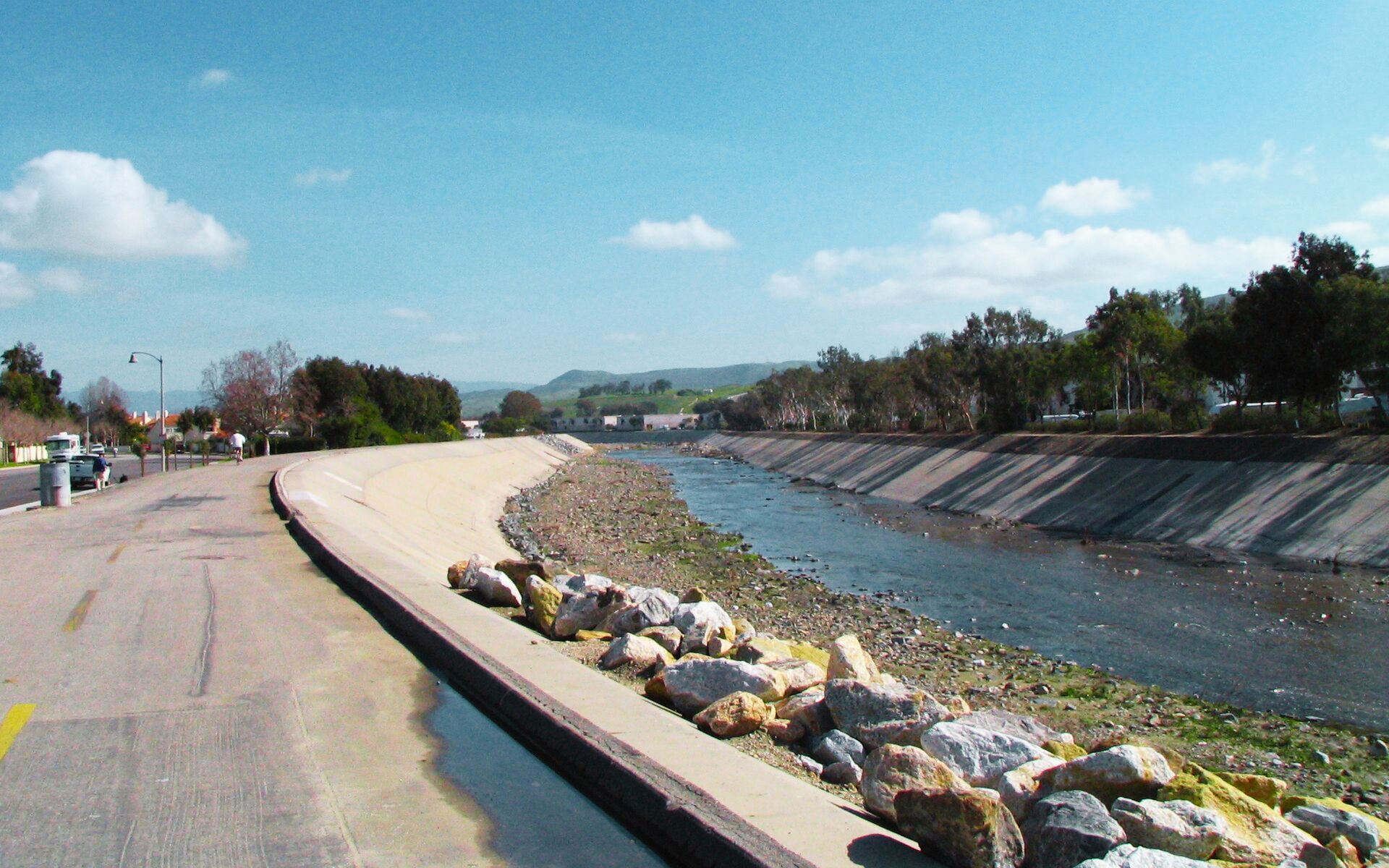
San Juan Capistrano trails are one of the biggest reasons the city feels different from many other parts of Orange County. Historic downtown may get much of the attention, but beyond the Mission and Los Rios, San Juan Capistrano has an extensive network of trails, parks, creek corridors, equestrian routes, and protected open space. The […]

San Juan Capistrano Equestrian Lifestyle: Horse Properties, Trails & Riding Culture
The San Juan Capistrano equestrian lifestyle is not simply part of the city’s history. Horses are still visible in its neighborhoods, trails, boarding facilities, riding arenas, and community events today. That makes San Juan Capistrano unusual within Orange County. A buyer can live within minutes of I-5, historic downtown, Dana Point, and the coast while […]
Join Our Mailing List
Are you interested in buying a home? Look no further than working with real estate experts.
Quick Links
Brokerage Info
25950 Acero., #100
Mission Viejo, CA 92691
DRE 01200533


All information is deemed reliable but not guaranteed and should be independently reviewed and verified.
Powered by Sprout Interactive

