
Dana Point Harbor & Lantern District: Dining, Shopping, Boating & Coastal Living
Dana Point Harbor and the nearby Lantern District create one of the most distinctive coastal lifestyles in South Orange County.
This is where boating, whale watching, paddleboarding, waterfront dining, local businesses, beaches, community events, and residential neighborhoods come together within a relatively compact part of Dana Point.
But the Harbor and Lantern District are not the same place.
Dana Point Harbor is the waterfront center for boating, marina activity, ocean excursions, Baby Beach, restaurants, shops, walking, and recreation.
The Lantern District, centered around Del Prado Avenue and Pacific Coast Highway, is Dana Point’s pedestrian-oriented Town Center, with restaurants, businesses, services, mixed-use development, and connections toward nearby residential streets in Lantern Village.
Together, they create a lifestyle that can be especially appealing to buyers who want more than an ocean view.
For some residents, the attraction is being able to walk to dinner.
For others, it is launching a paddleboard at Baby Beach, taking a boat out of the Harbor, joining a whale-watching trip, walking along the waterfront, or living close enough to make these activities part of an ordinary week.
And in 2026, this part of Dana Point is undergoing one of its biggest transformations in decades.
The Dana Point Harbor revitalization is actively rebuilding the marina, restaurants, retail areas, public spaces, parking, and waterfront experience while the Harbor remains open.
For buyers, that creates an important question:
What is it really like to live near Dana Point Harbor and the Lantern District today—and what could this area look like as the revitalization continues?
Here is what you should know.
Dana Point Harbor at a Glance
Dana Point Harbor is much more than a place to keep a boat.
The Harbor currently supports:
- Boating
- Sailing
- Whale watching
- Sportfishing
- Kayaking
- Paddleboarding
- Parasailing
- Diving
- Catalina Island ferry service
- Waterfront dining
- Shopping
- Baby Beach
- Walking areas
- Public events
- Marina services
The Harbor describes itself as a year-round destination for ocean recreation, with whale watching, sailing, fishing, paddleboarding, diving, and other activities operating from the waterfront.
That mix is what makes Dana Point Harbor particularly relevant to homebuyers.
You do not have to own a boat to benefit from living nearby.
The Harbor can function as a recreational center, dining destination, walking area, beach access point, transportation hub for Catalina Island, and gathering place.
Dana Point Harbor Is Part of Everyday Life, Not Just a Visitor Destination
When buyers first visit Dana Point, it can be easy to think of the Harbor as somewhere tourists go.
Residents use it differently.
Someone living nearby may walk the waterfront in the morning.
Another resident may launch a paddleboard at Baby Beach.
A family might meet for dinner after work.
A boater may stop by the marina several times each week.
Someone else may take visiting friends on a whale-watching trip.
The Harbor currently hosts activities throughout the year and maintains public access while major construction continues.
For the right buyer, that means Dana Point Harbor can become part of the normal rhythm of living in Dana Point rather than an occasional destination.
Boating Is Central to the Dana Point Harbor Lifestyle
Dana Point’s identity has long been connected with the water.
The marina is one of the defining parts of the Harbor, and its current reconstruction is substantial.
The Marina at Dana Point began its 15-phase dock and slip replacement program in 2022.
By fall 2026, the project had progressed beyond four-fifths completion. Phase 12 opened in September 2026, and Phase 13 was underway with completion anticipated by the end of the year.
For boat owners considering a move to Dana Point, Harbor proximity may therefore carry very different lifestyle value than it does for someone who simply enjoys seeing the ocean.
Questions worth considering include:
- How frequently will you use the marina?
- Where is your slip located?
- How will you transport boating equipment?
- Does the home provide enough garage or storage space?
- How easy is the route from the property to the Harbor?
- Does being within walking or biking distance matter?
A panoramic ocean view may be beautiful.
For a serious boater, practical Harbor access may be even more valuable.
Dana Point Harbor Is a Major Whale-Watching Destination
Whale watching is another defining part of the Dana Point waterfront.
Multiple operators offer whale- and dolphin-watching excursions from the Harbor, along with private charters and other ocean trips. Dana Wharf Sportfishing & Whale Watching has operated from the Harbor since 1971.
For residents, this gives the Harbor another layer of everyday recreational value.
Visiting family does not necessarily require a long drive to find something distinctly Southern Californian to do.
The ocean experience is already in the neighborhood.
During the current revitalization, Dana Wharf’s excursions are continuing while operations shift temporarily around construction areas.
Sportfishing and Charters Add to the Harbor’s Working-Waterfront Character
Dana Point Harbor is not simply decorative waterfront real estate.
It functions as an active marina and departure point for fishing, sailing, charters, excursions, and other water-based businesses.
That working-waterfront identity is important.
It gives the Harbor a different atmosphere from a purely resort-oriented waterfront.
Boats leave.
People arrive with gear.
Fishing and whale-watching passengers gather.
Marina services operate throughout the day.
For some buyers, that activity is part of Dana Point’s appeal.
Others may prefer a home where the ocean is visible but Harbor activity is farther away.
Neither choice is universally better.
They are different lifestyles.
You Can Take the Catalina Express From Dana Point Harbor
Another unusual Dana Point Harbor amenity is direct ferry service to Catalina Island.
Catalina Express operates from Dana Point Harbor, with Catalina Island located roughly 30 miles offshore. The Harbor identifies Dana Point as a daily departure point for Catalina service.
For most buyers, ferry access will not determine which home they purchase.
But it adds another dimension to living near the Harbor.
A day or overnight trip to Catalina can begin locally instead of requiring a drive to another departure port.
That type of amenity is part of what distinguishes Dana Point’s waterfront lifestyle from many other Orange County communities.
Baby Beach Makes the Harbor Useful Even If You Do Not Own a Boat
One of the best examples of Dana Point Harbor’s broader recreational appeal is Baby Beach.
Located inside the Harbor, Baby Beach offers protected water that feels very different from Dana Point’s open-ocean beaches.
Residents use the area for:
- Paddleboarding
- Kayaking
- Beach recreation
- Picnics
- Harbor views
- Family outings
The Harbor specifically highlights Baby Beach as a place for paddleboarding and enjoying calmer Harbor water.
This can matter when choosing a home.
Someone who owns paddleboards or kayaks may prioritize:
- Garage storage
- Easy vehicle access
- Proximity to Golden Lantern
- A short route to the Harbor
- Space to wash and store equipment
Those practical details may influence lifestyle value more than an extra bedroom or slightly larger lot.
Dana Point Harbor Dining Is Part of the Waterfront Experience
Dining is another major component of Dana Point Harbor.
The Harbor continues to host waterfront dining while the revitalization progresses, although specific restaurants and locations are changing as construction moves through different phases.
For buyers, the larger lifestyle point matters more than any single restaurant.
Living close to the Harbor can mean having waterfront dining within minutes of home.
Depending on where you live, you may be able to:
- Walk to dinner
- Bike to the Harbor
- Meet friends for drinks near the marina
- Combine dinner with a waterfront walk
- Spend an afternoon at Baby Beach and stay for dinner
That ability to combine recreation and dining without leaving the local area is part of what makes the Harbor appealing.
The Dana Point Harbor Dining and Retail Experience Is Changing
Buyers should understand that the Harbor they see today is not the finished version.
The revitalized Commercial Core is planned to contain approximately 120,000 square feet of restaurant and retail space, along with public gathering areas, waterfront paseos, outdoor seating, landscaping, public art, and recreation areas.
Plans call for approximately 50 restaurant and retail concepts, ranging across different dining formats and shopping uses.
However, Dana Point Harbor Partners has not yet announced the complete future tenant mix.
That distinction is important.
Buyers should evaluate the Harbor based on what exists now while understanding that the waterfront commercial experience is actively changing.
Do not make a property decision based solely on a rumored future restaurant or retailer.
Dana Point Harbor Revitalization Is Well Underway in 2026
The Harbor revitalization is not an abstract future proposal.
Construction is happening now.
As of November 2026:
- The new Harbor entrance and first two Commercial Core phases were completed in July 2025.
- The 984-space parking structure is open.
- Phase 3 waterfront construction began in February 2026.
- Phase 5 work was underway by July 2026.
- Phase 4 Wharf demolition moved forward in fall 2026.
- The marina reconstruction had passed the four-fifths-complete mark.
- Phase 13 of the 15-phase marina project was underway.
This matters for anyone considering a home near the waterfront.
The Harbor experience during construction is temporary.
But the construction itself is part of the current ownership environment.
What Will the Revitalized Dana Point Harbor Include?
The Commercial Core plan includes substantial changes to the waterfront.
Planned features include:
- Approximately 120,000 square feet of restaurant and retail space
- A 984-space parking structure
- New and remodeled restaurant and retail buildings
- Waterfront boardwalk improvements
- Expanded public gathering areas
- Outdoor dining
- Public art
- Green spaces
- Seating areas
- An elevated deck
- Recreational programming areas
- EV charging
- New landscaping
- Improved pedestrian connections
The project is also designed to improve connections across the waterfront and create stronger pedestrian links through Dana Point Harbor.
For buyers planning to stay in Dana Point long term, that future environment may be relevant.
But timing matters.
Construction schedules can change.
The New Dana Point Harbor Parking Structure Is Already Open
Parking is one of the most practical changes already completed.
The new Harbor parking structure contains 984 spaces, including dedicated boater parking and EV charging.
It reopened to the public in July 2025.
During the current construction period, Dana Point Harbor is offering up to four hours of free parking in the structure, with pedestrian access maintained toward the Wharf.
For residents, this may make the Harbor easier to use during periods when surface parking areas are affected by construction.
It does not eliminate busy weekends or event traffic.
But it materially changes the Harbor parking environment compared with the past.
Construction Means the Harbor Experience Is Temporarily Different
This is one of the most important things buyers should understand in 2026.
A Harbor-area property should not be evaluated as though construction does not exist.
Current work can affect:
- Pedestrian routes
- Surface parking
- Restaurant locations
- Retail access
- Construction noise
- Traffic patterns
- Visual conditions
- Temporary business relocations
At the same time, Dana Point Harbor Partners is maintaining public access to marina facilities, excursions, businesses, parking, and waterfront areas as construction progresses in phases.
For someone buying a home nearby, the correct perspective is both short-term and long-term.
What is it like to live here during construction?
And:
What could the Harbor become once these improvements are substantially complete?
Not Everything in the Revitalization Has a Fixed Timeline
The Harbor redevelopment contains several components with different schedules.
One important example is the proposed hotel component.
Two new hotel concepts received earlier project approvals, but the Orange County Board of Supervisors did not approve the restructured ground leases in August 2026, leaving hotel construction on hold.
The existing Dana Point Marina Inn remains open.
For buyers, this is a reminder not to treat every rendering or proposal as a guaranteed near-term outcome.
Separate:
what is already built,
what is actively under construction,
and
what remains dependent on future decisions.
The Lantern District Creates Dana Point’s More Traditional Town-Center Experience
Drive uphill from Dana Point Harbor and the environment changes.
The Lantern District, also referred to in City planning as the Town Center, forms one of Dana Point’s primary commercial districts.
The City’s Town Center Plan is specifically designed to support a pedestrian-friendly environment for shopping, dining, entertainment, and community activity.
That makes the Lantern District an important counterpart to the Harbor.
The Harbor is centered around the water.
The Lantern District is centered more around streets, businesses, restaurants, and everyday town-center activity.
Together, they create Dana Point’s central coastal core.
Del Prado Avenue Is Central to the Lantern District Experience
Del Prado Avenue is one of the streets most closely associated with the Lantern District.
Restaurants, businesses, services, and mixed-use properties line the corridor and surrounding streets.
For nearby residents, this can create genuine walkability.
Someone living in the right part of Lantern Village may be able to walk to:
- Coffee
- Restaurants
- Local businesses
- Services
- Community activities
- Pacific Coast Highway
- Bluff-top viewpoints
- Harbor connections
That gives central Dana Point a different lifestyle from Monarch Beach or more residential portions of Capistrano Beach.
The Lantern District Is Designed Around Pedestrian Activity
The Town Center Plan was developed specifically to rebalance streets and public improvements toward a more pedestrian-oriented environment.
The City describes its goal as supporting shopping, dining, entertainment, private reinvestment, and the activities that create identity for a town center.
For a buyer who wants a coastal city where some everyday destinations can be reached without getting into a car, this can be a meaningful advantage.
But Dana Point’s hills still matter.
Walkable does not always mean flat.
Lantern Village and the Lantern District Work Together—but They Are Not the Same Thing
This distinction is particularly important for homebuyers.
Lantern Village is the historic residential neighborhood surrounding much of central Dana Point.
The Lantern District/Town Center is the more commercial and mixed-use center.
Dana Point planning documents describe Lantern Village as containing many of the city’s earliest neighborhoods, with steep, curving streets and significant ocean orientation.
The Town Center is described as a primary business district with strong pedestrian and multimodal goals.
For many buyers, the ideal situation may be:
live in Lantern Village, walk to the Lantern District, and remain close to Dana Point Harbor.
That combination can provide residential surroundings without giving up access to dining and waterfront activity.
How Walkable Is Dana Point Harbor From the Lantern District?
The answer depends heavily on the property.
On a map, the Lantern District and Harbor appear very close.
In reality, elevation matters.
Central Dana Point sits above portions of the Harbor.
A walk downhill may feel easy.
The return uphill may feel very different.
Buyers should test the actual route rather than relying solely on distance.
Ask:
- Is there a sidewalk the entire way?
- How steep is the route?
- Would you realistically make the walk at night?
- Would you walk home after dinner?
- Would you carry beach or boating equipment?
- Does the property have an alternative route?
A home advertised as “close to the Harbor” may provide excellent proximity without being truly walkable for every household.
Bluff-Top Viewpoints Connect Central Dana Point With the Harbor
One feature that strengthens the relationship between the Lantern District and waterfront is Dana Point’s bluff-top geography.
City planning documents specifically identify the Town Center’s connection with bluff-top viewpoints overlooking Dana Point Harbor, including locations near the southern ends of Amber Lantern, Violet Lantern, and Golden Lantern.
This creates an unusual urban arrangement.
The commercial district sits above the water.
Residential streets rise around it.
And the Harbor forms the coastal center below.
For buyers who value views and walkability, exact elevation and street position can therefore be particularly important.
Golden Lantern Is an Important Connection Between the Harbor and the City
Golden Lantern provides one of the primary routes between central Dana Point and the Harbor.
The revitalization’s new Harbor entrance was constructed at Golden Lantern and Dana Point Harbor Drive as part of the first two Commercial Core phases.
That makes Golden Lantern relevant to both vehicle and pedestrian movement.
For nearby homeowners, proximity may provide convenience.
It can also mean being closer to one of the primary approaches to the waterfront.
That is why buyers should evaluate traffic patterns at the exact property rather than simply choosing a neighborhood.
Dana Point Harbor and the Lantern District Offer Different Dining Experiences
Dining near the Harbor and dining in the Lantern District can feel different.
At the Harbor, the setting itself is part of the experience.
The marina, waterfront, boats, and Pacific environment shape the atmosphere.
In the Lantern District, dining feels more integrated into the city’s street environment around Del Prado and the Town Center.
For residents living between the two areas, that variety can be valuable.
One night can mean waterfront dining.
Another can mean walking to a neighborhood restaurant.
That is a different lifestyle from a community where dining and recreation generally require driving to a regional shopping center.
Community Events Can Add Energy—and Activity
Dana Point Harbor and central Dana Point host community events throughout the year.
The Harbor’s current calendar includes recurring and seasonal activities, while the waterfront also hosts markets and major annual events.
For residents, that can be a major benefit.
You may be able to walk or take a short drive to events that other visitors travel across Orange County to attend.
But events can also affect:
- Traffic
- Parking
- Pedestrian activity
- Noise
- Road access
A buyer close to the Harbor or Lantern District should decide whether that energy feels exciting or inconvenient.
The Dana Point Trolley Can Make the Harbor and Lantern District Easier to Use
During summer, Dana Point operates a free trolley connecting key destinations across the city.
The trolley generally runs every 15 minutes and connects beaches, parks, shopping areas, and neighboring trolley systems in San Clemente and Laguna Beach.
For residents near a practical stop, this can provide another way to reach the Harbor or other destinations during the busiest coastal season.
It can be particularly useful when you would rather avoid moving your car or searching for parking.
Harbor Proximity Can Be Valuable Even Without Harbor Views
A common real estate mistake is assuming the Harbor only adds value when you can see it from the house.
That is not necessarily true.
A property with no Harbor view may be only a short walk or drive away.
Another home may have a spectacular view but require a more complicated route to reach the waterfront.
Think about the actual benefit you are paying for.
Is it:
- The view?
- Walkability?
- Boating access?
- Restaurant access?
- Baby Beach?
- Whale watching?
- Waterfront recreation?
- Proximity to events?
Two homes can be equally “near Dana Point Harbor” while delivering very different experiences.
Ocean View, Harbor View, and Harbor Access Are Different Features
Dana Point buyers should separate three concepts.
Ocean view: You can see the Pacific.
Harbor view: You can see Dana Point Harbor or marina activity.
Harbor access: You can conveniently reach the Harbor.
One property may offer all three.
Another may offer only one.
A hillside Lantern Village home may provide a Harbor view without being an easy walk.
A lower-elevation home may provide less dramatic views but easier physical access.
Neither is universally more valuable.
The answer depends on your priorities.
Parking Should Still Be Evaluated at the Home
The new 984-space Harbor parking structure improves public parking capacity.
That does not eliminate the importance of residential parking.
If you are considering a home near the Lantern District or Harbor, evaluate:
- Garage dimensions
- Driveway configuration
- Street parking
- Guest parking
- HOA parking rules
- Event-day conditions
- Construction impacts
- Whether you will actually park your vehicles inside the garage
This is particularly important for older properties where garage size may not match modern expectations.
Harbor Activity Does Not Affect Every Dana Point Neighborhood Equally
Someone living directly above the Harbor may experience more visitor movement than someone in Monarch Beach or a quieter part of Capistrano Beach.
Even within Lantern Village, a home close to Golden Lantern or Del Prado may feel different from one on a smaller residential street.
That means Harbor traffic should not be treated as a Dana Point-wide issue.
Visit the property at:
- Morning commute time
- Lunch
- Evening
- Friday night
- A warm weekend
- A major event if possible
The street will tell you more than the ZIP code.
Is Living Near Dana Point Harbor Right for You?
Living near Dana Point Harbor may be an excellent fit if you value:
- Boating
- Whale watching
- Paddleboarding
- Kayaking
- Waterfront walking
- Baby Beach
- Dining
- Community events
- Catalina Island access
- A more active coastal environment
You may prefer another Dana Point neighborhood if you prioritize:
- Quieter residential streets
- Greater separation from visitor activity
- Resort-oriented communities
- Gated amenities
- Larger lots
- Easier freeway access
- Less exposure to Harbor construction
The key is identifying how frequently you will actually use the Harbor.
If you visit once every few months, paying a premium for proximity may not provide much everyday value.
If you use it four times a week, the calculation can be completely different.
Is Living Near the Lantern District Right for You?
The Lantern District may appeal if you want:
- Walkable dining
- Local businesses
- A town-center atmosphere
- Harbor proximity
- Central Dana Point location
- Nearby residential streets
- Bluff-top viewpoints
- Community activity
It may be less appealing if you strongly prefer:
- Flat streets
- Minimal commercial activity
- Large suburban lots
- Very quiet evenings
- A gated residential environment
Again, there is no universal best option.
Dana Point offers both.
Dana Point Harbor & Lantern District FAQ
What is Dana Point Harbor known for?
Dana Point Harbor is known for boating, sailing, whale watching, sportfishing, paddleboarding, kayaking, Baby Beach, waterfront dining, marina activity, community events, and Catalina Island ferry service.
Is Dana Point Harbor being renovated?
Yes. Dana Point Harbor is undergoing a major multiyear revitalization involving the marina, restaurants, retail, public spaces, waterfront areas, and parking. Construction remained active through 2026.
What is finished at Dana Point Harbor?
The first two Commercial Core phases, including the new 984-space parking structure and Harbor entrance improvements, were completed in July 2025. Additional waterfront and Wharf phases are now under construction.
Is Dana Point Harbor still open during construction?
Yes. Public access, marina activity, excursions, parking, and businesses continue during the phased construction, although routes and individual business locations can change.
How much parking is at the new Dana Point Harbor structure?
The new structure contains 984 spaces, including dedicated boater spaces and EV charging.
Is Dana Point Harbor parking free?
During the current construction period, the Harbor is offering up to four hours of free parking in the new structure. Parking policies can change, so residents and visitors should confirm current information before visiting.
Can you take a ferry to Catalina Island from Dana Point?
Yes. Catalina Express operates ferry service from Dana Point Harbor to Catalina Island.
Can you go whale watching from Dana Point Harbor?
Yes. Multiple whale- and dolphin-watching excursions depart from the Harbor.
Where is Baby Beach?
Baby Beach is located inside Dana Point Harbor and is known for calmer Harbor water, picnicking, paddleboarding, and kayaking.
What is the Lantern District in Dana Point?
The Lantern District is Dana Point’s Town Center area around Del Prado Avenue, Pacific Coast Highway, and surrounding streets. The City’s plan emphasizes a pedestrian-friendly mix of shopping, dining, entertainment, businesses, and community activity.
Is Lantern Village the same as the Lantern District?
No. Lantern Village is primarily the historic residential neighborhood surrounding central Dana Point. The Lantern District/Town Center is the more commercial and mixed-use center.
Is Dana Point Harbor walkable from the Lantern District?
In some locations, yes, but elevation matters. Central Dana Point sits above the Harbor, so a route that looks short on a map can involve substantial hills.
Is the Lantern District walkable?
Parts of the Lantern District are designed around pedestrian activity and provide access to restaurants, businesses, services, and nearby viewpoints. Actual walkability from a home depends on the street and elevation.
Does Dana Point have a trolley?
Yes. Dana Point operates free seasonal summer trolley service that connects beaches, parks, shopping areas, and neighboring communities.
Is living near Dana Point Harbor noisy?
It depends heavily on the exact property. Homes closer to commercial activity, major access routes, events, or active construction may experience more activity than homes several streets away.
Will the Dana Point Harbor revitalization increase restaurants and shopping?
The Commercial Core is planned to contain approximately 120,000 square feet of restaurant and retail space. Dana Point Harbor Partners has not yet announced the complete future tenant mix.
Thinking About Buying or Selling Near Dana Point Harbor?
The biggest advantage of Dana Point Harbor and the Lantern District is that they allow residents to experience the coast in ways that go well beyond simply seeing the ocean.
You can live near the marina and make boating part of your routine.
You can paddle from Baby Beach.
You can take visiting friends whale watching.
You can board a ferry to Catalina Island.
You can walk along the waterfront.
You can live in Lantern Village and walk toward restaurants in the Lantern District.
Or you can choose a quieter Dana Point neighborhood and drive into the Harbor only when you want the activity.
The area is also changing.
The Harbor you see in 2026 is in the middle of a major revitalization, with new marina infrastructure, waterfront buildings, parking, restaurants, retail, landscaping, and public spaces taking shape.
That makes property-level research especially important.
Do not simply ask whether a home is “near Dana Point Harbor.”
Look at the street, elevation, walking route, parking, Harbor access, construction exposure, ocean or Harbor views, proximity to the Lantern District, traffic patterns, and how often you will actually use the waterfront.
Those details determine whether Harbor proximity is simply a selling point—or something that genuinely improves your everyday life.
Explore More About Living in Dana Point
Living in Dana Point, CA: 5 Reasons You’ll Love It & 3 Reasons It Might Not Be for You
Dana Point Beaches & Ocean Lifestyle: Doheny, Salt Creek, Strands, Baby Beach & More
Dana Point Neighborhoods & Homes: Lantern District, Monarch Beach, Capistrano Beach & More
Recent Updates
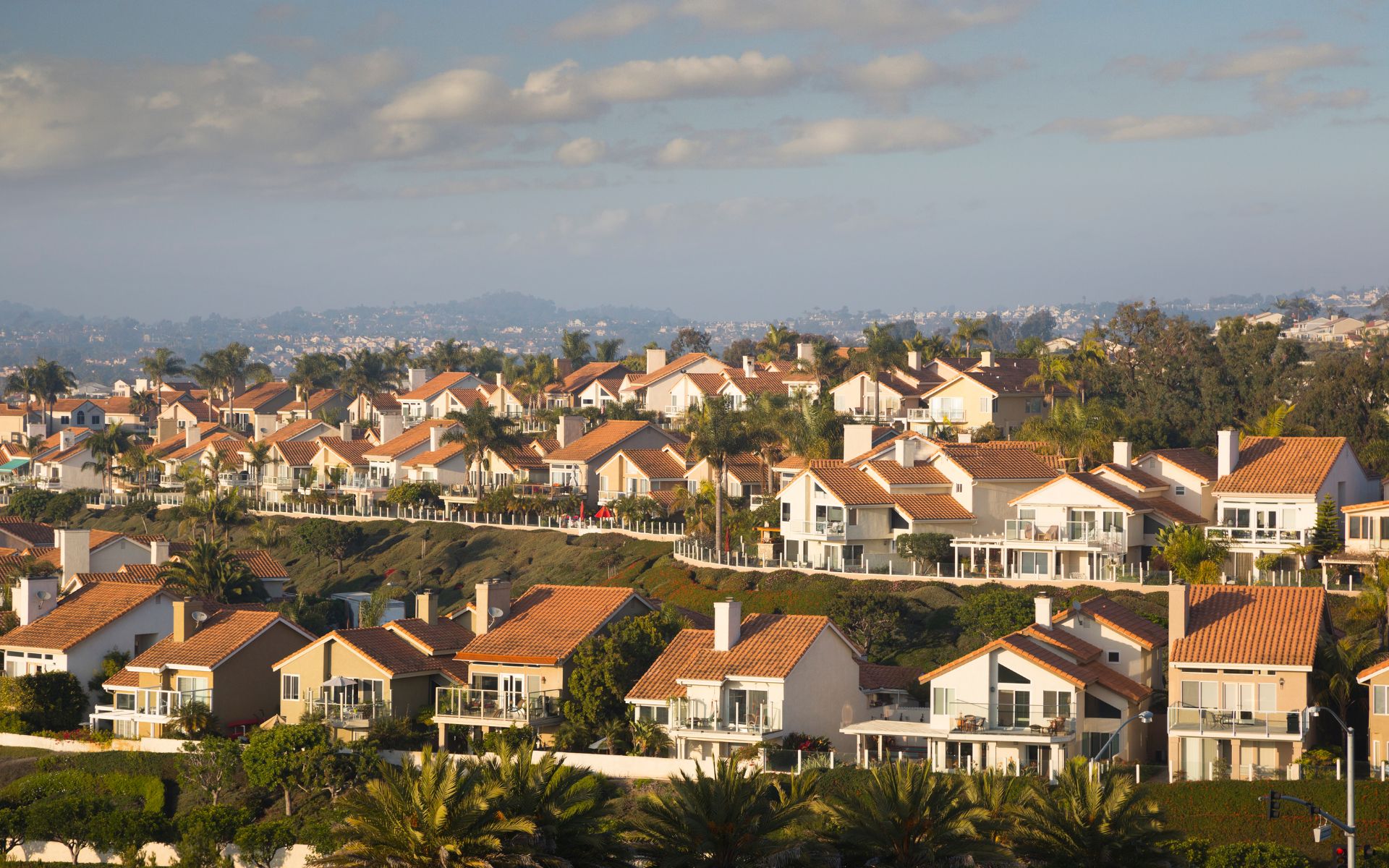
Dana Point Neighborhoods & Homes: Lantern District, Monarch Beach, Capistrano Beach & More
Choosing a home in Dana Point is not simply a question of how close you want to be to the Pacific Ocean. Dana Point neighborhoods can create dramatically different lifestyles depending on whether you choose an older home in Lantern Village, a property near the Lantern District and Harbor, a gated coastal community around Monarch […]
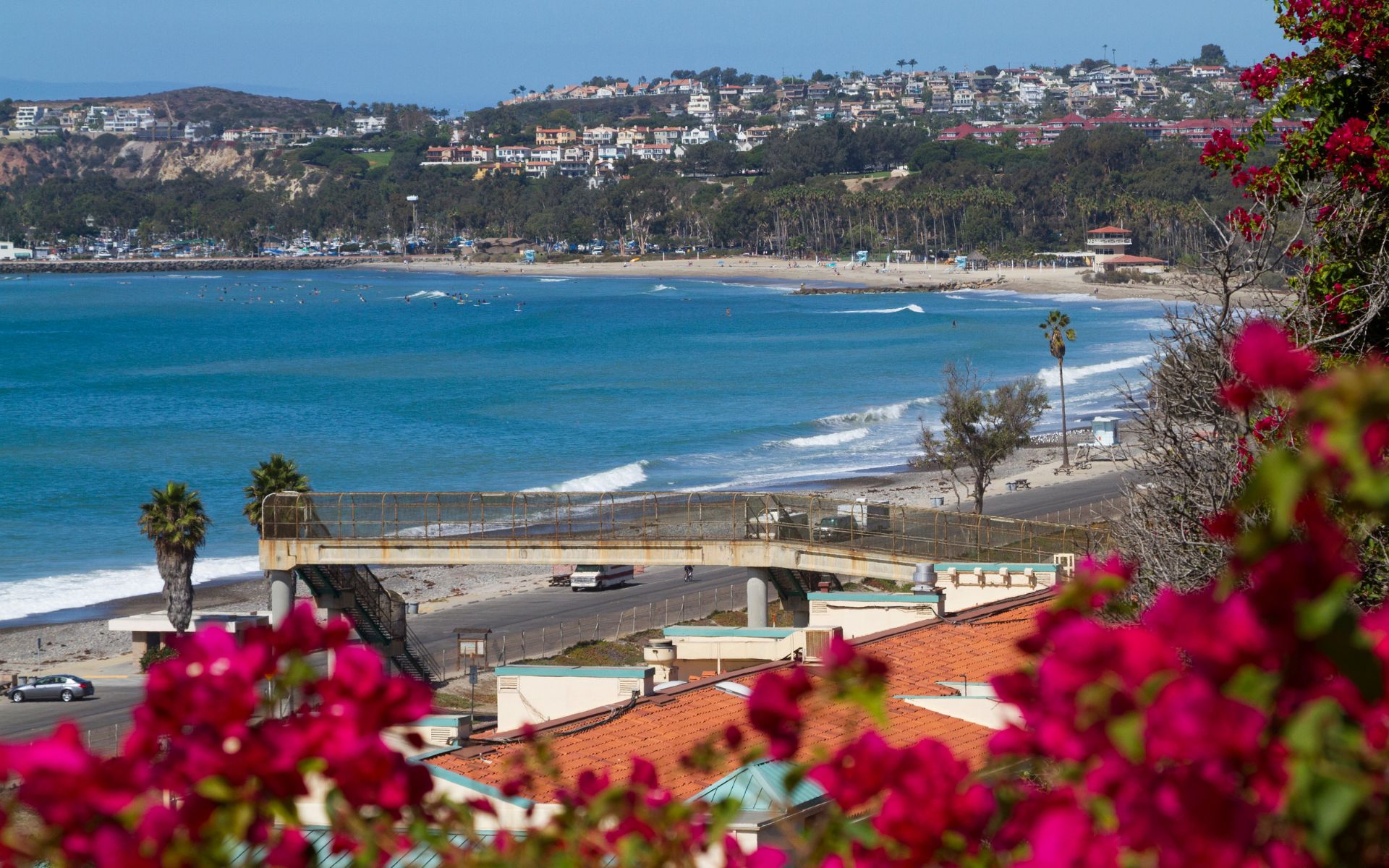
Dana Point Beaches & Ocean Lifestyle: Doheny, Salt Creek, Strands, Baby Beach & More
Dana Point beaches are one of the biggest reasons buyers consider living in this part of South Orange County. But there is no single Dana Point beach experience. Doheny State Beach offers surfing, picnic areas, camping, and a broad stretch of coastline beside Dana Point Harbor. Baby Beach provides calmer Harbor water that works well […]
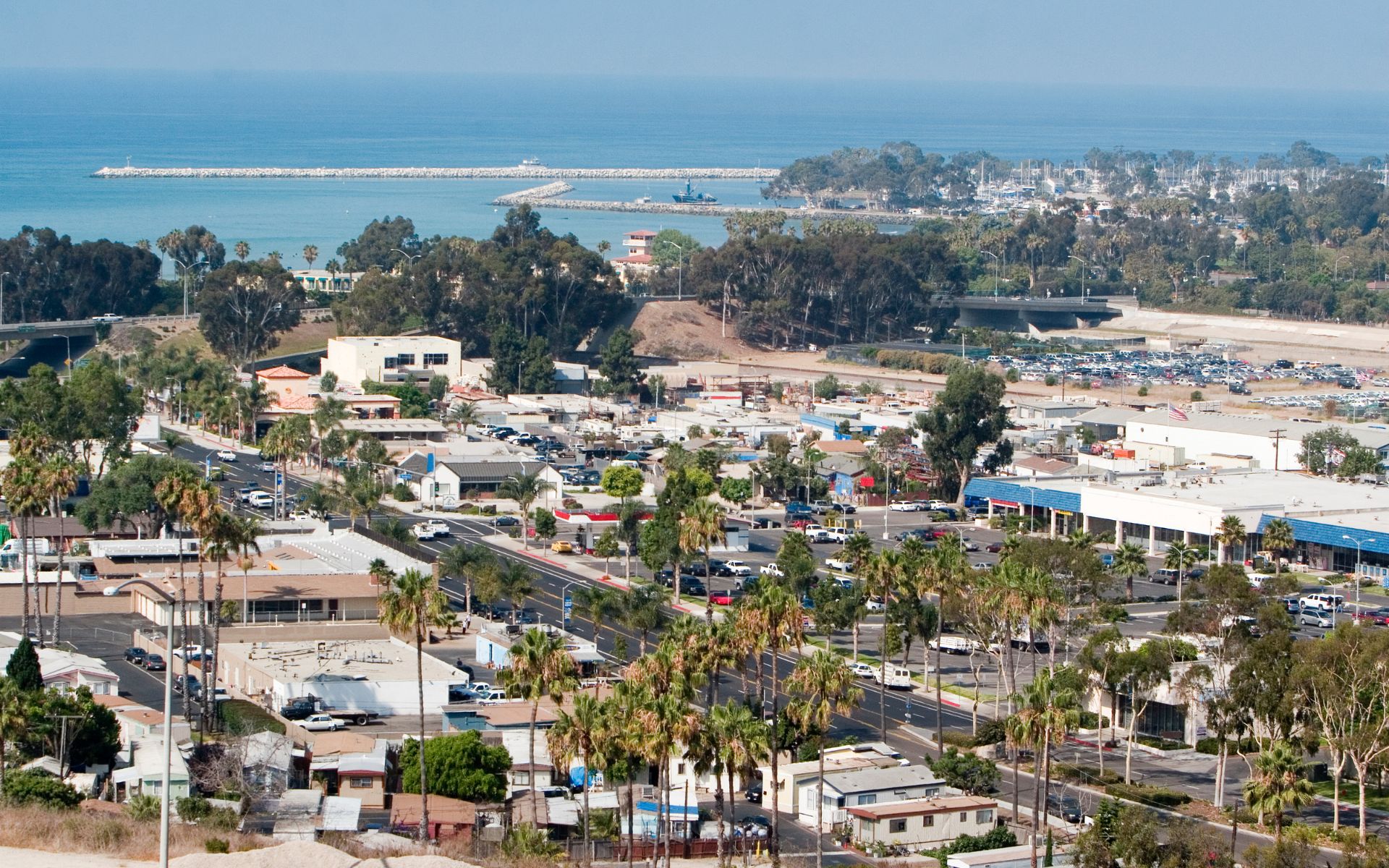
Living in Dana Point, CA: 5 Reasons You’ll Love It & 3 Reasons It Might Not Be for You
Living in Dana Point, CA means having the Pacific Ocean woven into everyday life. This South Orange County coastal city combines beaches, surfing, boating, whale watching, bluff-top trails, a working harbor, ocean-view neighborhoods, resort-style communities, and a walkable coastal district centered around the Lantern District and Dana Point Harbor. But Dana Point is not one […]
Join Our Mailing List
Are you interested in buying a home? Look no further than working with real estate experts.
Quick Links
Brokerage Info
25950 Acero., #100
Mission Viejo, CA 92691
DRE 01200533


All information is deemed reliable but not guaranteed and should be independently reviewed and verified.
Powered by Sprout Interactive

