
5 Reasons You’ll Love Living in Mission Viejo and 3 Reasons It Might Not Be for You
If you’re considering moving to South Orange County, understanding the Mission Viejo pros and cons can help you decide whether the city fits the way you actually want to live.
Mission Viejo is an established master-planned community known for Lake Mission Viejo, parks and trails, residential neighborhoods, shopping, recreation, and convenient access throughout South Orange County.
But no city is the right fit for everyone.
Some buyers love Mission Viejo’s suburban setting and established neighborhoods. Others may prefer newer construction, a more walkable downtown environment, or a community directly on the coast.
Here are 5 reasons you may love living in Mission Viejo and 3 reasons it might not be for you.
1. Lake Mission Viejo Gives the Community Something Special
One of Mission Viejo’s most recognizable features is Lake Mission Viejo.
The private recreational lake gives eligible members access to amenities and activities such as beaches, boating, fishing, paddleboarding, community events, and lakeside recreation.
But buyers should understand that lake membership is property-specific. Not every Mission Viejo home has exactly the same membership status or privileges.
If the lake is one of the biggest reasons you’re considering Mission Viejo, it is worth understanding how membership works before choosing a home.
Learn more:
What It’s Really Like Living Near Lake Mission Viejo
2. Mission Viejo Has a Strong Parks and Recreation Network
Mission Viejo offers much more outdoor recreation than the lake alone.
Residents have access to neighborhood parks, sports facilities, walking routes, natural trails, golf, aquatics, and larger recreation areas throughout the city.
Popular outdoor destinations include Oso Creek Trail, Oso Viejo Community Park, Florence Joyner Olympiad Park, Arroyo Trabuco, Wilderness Glen, La Paws Dog Park, and the walking route around Lake Mission Viejo.
For buyers who walk, run, cycle, play sports, have children involved in recreation, or simply want green space nearby, location within the city can make a real difference.
Learn more:
Parks, Trails & Outdoor Recreation in Mission Viejo: A Local Guide
3. Shopping, Dining and Everyday Convenience Are Spread Throughout the City
Mission Viejo does not depend on one small commercial district for everyday needs.
Shopping and dining are distributed throughout the city, with destinations such as The Shops at Mission Viejo, Plaza del Lago, La Paz Plaza, Gateway Center, and commercial areas along Marguerite Parkway, Alicia Parkway, La Paz Road, and Crown Valley Parkway.
That can make everyday errands convenient, although the places you use most will depend heavily on which neighborhood you choose.
The city also offers access to major healthcare, education, fitness, dining, and professional services.
Learn more:
Shopping, Dining & Everyday Convenience in Mission Viejo: A Local Guide
4. Mission Viejo Offers a Variety of Established Neighborhoods
Not all Mission Viejo neighborhoods offer the same housing experience.
Buyers can find:
- Traditional single-family neighborhoods
- Gated communities
- Townhomes and condominiums
- Patio homes
- Lake-oriented communities
- HOA and non-HOA properties
- 55+ communities such as Casta del Sol and Palmia
- Homes built across several decades
Some properties also have Lake Mission Viejo Association membership, while others may have a separate neighborhood HOA or multiple association layers.
Housing age, renovations, lot size, terrain, amenities, and HOA structure can vary considerably from one property to another.
Learn more:
Mission Viejo Neighborhoods & Master-Planned Living: What Buyers Should Know
5. Mission Viejo Has a Useful South Orange County Location
Mission Viejo’s location is another major advantage for many buyers.
The city provides access to I-5, SR-241, Irvine, Lake Forest, Rancho Santa Margarita, Laguna Niguel, Laguna Hills, San Juan Capistrano, and other South Orange County destinations.
Major local roads include Marguerite Parkway, Alicia Parkway, La Paz Road, Oso Parkway, Crown Valley Parkway, Los Alisos Boulevard, and Jeronimo Road.
Residents also have access to regional transportation options such as the Laguna Niguel/Mission Viejo Metrolink Station, OC Bus, and local shuttle service.
The important thing is that commute convenience varies depending on the exact neighborhood.
Learn more:
Mission Viejo Location, Commutes & Nearby Communities: A Local Guide
3 Reasons Mission Viejo Might Not Be for You
Mission Viejo has a lot going for it, but there are also trade-offs worth understanding before buying.
1. You Want to Live Directly at the Beach
Mission Viejo gives residents access to Orange County’s coastal communities, but it is still an inland city.
For buyers who visit the beach occasionally or want coastal access without living directly on the ocean, that may work very well.
But if your ideal lifestyle means walking to the sand, seeing the ocean from your neighborhood, or building everyday life around the coast, Mission Viejo will feel very different from Laguna Beach, Dana Point, or other coastal communities.
Learn More:
How Far Is Mission Viejo From the Beach? What Buyers Should Know
2. You Want a Traditional Walkable Downtown
Mission Viejo does not have a historic Main Street-style downtown where restaurants, cafés, stores, nightlife, and homes are concentrated into one highly walkable district.
Shopping and dining are spread across the city in suburban commercial centers.
That works well for buyers who prefer convenience by car and neighborhood shopping centers.
But if your ideal lifestyle means leaving your car at home and walking from dinner to coffee, shops, entertainment, and nightlife, Mission Viejo may feel more suburban than you want.
Learn More:
Does Mission Viejo Have a Downtown? What Everyday Life Really Feels Like
3. You Want a Large Selection of Brand-New Homes
Mission Viejo is an established community.
Much of its housing was built decades ago, so buyers will frequently compare properties with different levels of renovation and modernization.
That can be a positive if you like mature neighborhoods, established landscaping, larger residential areas, and homes with character.
But buyers specifically looking for large new-construction communities, modern production homes, or extensive newly developed neighborhoods may find fewer choices here than in newer parts of Orange County.
Learn More:
Mission Viejo New Construction: What Buyers Should Know About Older Homes
Mission Viejo Pros and Cons: Who Is the City a Good Fit For?
Mission Viejo may be a strong fit if you value:
- An established suburban community
- Lake recreation
- Parks and trails
- Multiple neighborhood choices
- Single-family housing
- Shopping and dining nearby
- Access to South Orange County
- Mature landscaping
- Community recreation
- HOA and non-HOA options
- 55+ communities
- Proximity to Irvine, Lake Forest, Laguna Niguel, and other nearby cities
Mission Viejo may be less aligned with your priorities if you want:
- Large amounts of brand-new construction
- Dense urban living
- A traditional walkable downtown
- High-rise housing
- Extensive nightlife
- A car-free lifestyle
- A home directly on the Orange County coast
Neither list makes Mission Viejo objectively better or worse than another city.
The goal is figuring out whether its layout, housing, location, and lifestyle match what you actually want from your next home.
Frequently Asked Questions About Living in Mission Viejo
Is Mission Viejo a Master-Planned Community?
Yes. Mission Viejo was developed as a master-planned community beginning in the 1960s.
That planning is still visible in its neighborhoods, parks, shopping centers, major roads, recreation facilities, and Lake Mission Viejo.
Does Mission Viejo Have a Lake?
Yes.
Lake Mission Viejo is a private recreational lake operated through the Lake Mission Viejo Association.
Membership and privileges are tied to individual properties, so buyers should verify the specific address.
Does Mission Viejo Have Good Parks and Trails?
Mission Viejo has an extensive recreation network including neighborhood parks, sports facilities, walking routes, natural trails, golf, and aquatic recreation.
The best options depend on where within the city you live.
Does Mission Viejo Have Shopping and Restaurants?
Yes.
Major destinations include The Shops at Mission Viejo and Plaza del Lago, along with numerous neighborhood shopping centers and commercial corridors throughout the city.
Does Mission Viejo Have a Downtown?
Not in the traditional historic Main Street sense.
Shopping and dining are distributed across the city, although Mission Viejo has continued exploring ways to strengthen its central gathering and commercial areas.
Does Mission Viejo Have HOAs?
Some properties do, and some do not.
A home may have a neighborhood HOA, Lake Mission Viejo Association membership, both, or another structure.
Buyers should verify every association attached to the specific property.
Is Mission Viejo Close to Irvine?
Mission Viejo is south of Irvine and is connected through I-5 and local South Orange County road networks.
Actual commute conditions depend on the neighborhood, destination, and time of day.
Is Mission Viejo Close to the Beach?
Mission Viejo is inland but within driving distance of several Orange County coastal communities.
The experience is very different from living directly in a beach city.
Is Living in Mission Viejo Right for You?
The biggest advantage of Mission Viejo is not one single feature.
It is the combination of Lake Mission Viejo, parks, established neighborhoods, shopping, recreation, housing variety, and South Orange County access.
For some buyers, that creates exactly the suburban lifestyle they are looking for.
For others, older housing, limited walkability, or the inland location may be meaningful tradeoffs.
That is why understanding the Mission Viejo pros and cons before choosing a property matters.
The right decision is not simply whether Mission Viejo is a good city.
It is whether Mission Viejo is the right city for the way you want to live.
Recent Updates
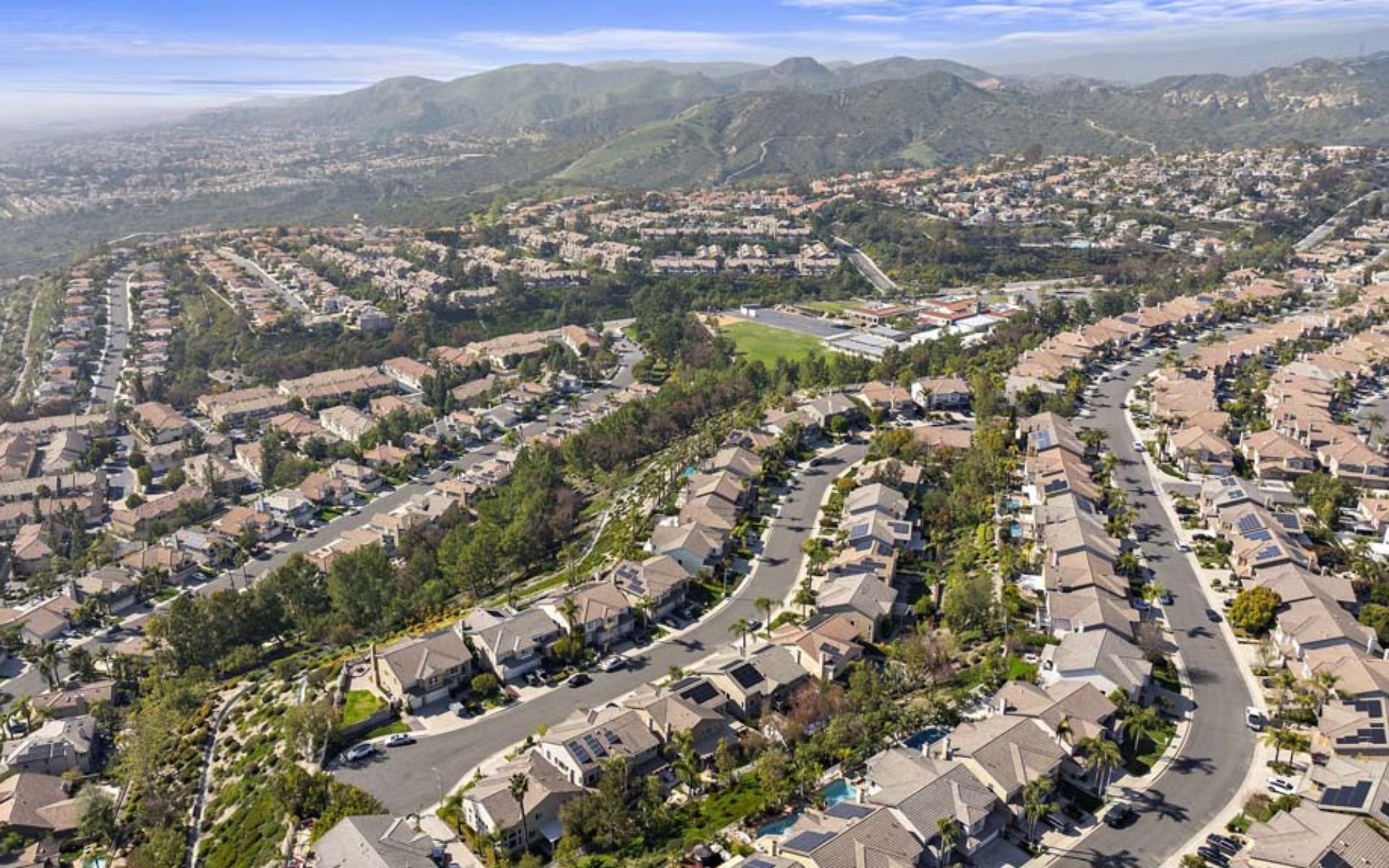
Portola Hills Neighborhoods and Homes: What Buyers Should Know
If you’re comparing Portola Hills neighborhoods and homes, one of the first things to understand is that Portola Hills is not a single subdivision with one type of property. Located on the foothill side of Lake Forest, California, Portola Hills includes established residential neighborhoods along with newer development around Portola Center. Buyers can find detached […]
5 Reasons You’ll Love Living in Portola Hills and 3 Reasons It Might Not Be for You
If you’re considering living in Portola Hills, CA, you’re probably looking for more than a list of homes for sale. You want to know what everyday life actually feels like. Portola Hills sits in the eastern foothill area of Lake Forest in South Orange County, where residential neighborhoods meet hills, open space, trails, and nearby […]
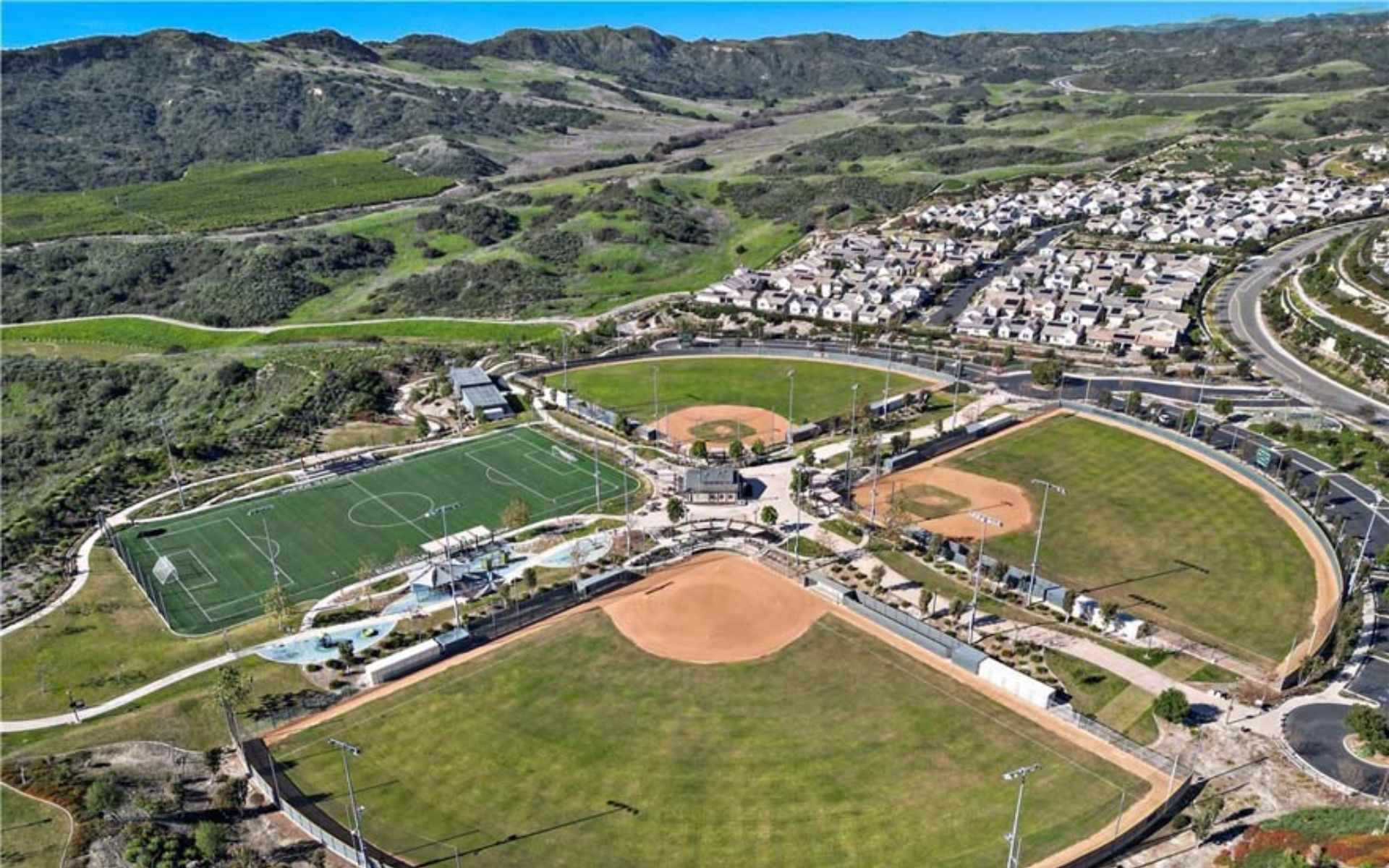
Ladera Ranch Inland Location: Beach and Freeway Access for Home Buyers
If you’re considering buying a home in Ladera Ranch, the Ladera Ranch inland location is an important lifestyle factor to understand before deciding whether the community fits the way you want to live. Ladera Ranch sits in South Orange County near Mission Viejo, Rancho Santa Margarita, Rancho Mission Viejo, and San Juan Capistrano. It offers […]
Join Our Mailing List
Are you interested in buying a home? Look no further than working with real estate experts.
Quick Links
Brokerage Info
25950 Acero., #100
Mission Viejo, CA 92691
DRE 01200533


All information is deemed reliable but not guaranteed and should be independently reviewed and verified.
Powered by Sprout Interactive

