
San Clemente Coastal Homes: Erosion, Bluffs, Salt Air & Buyer Considerations
San Clemente coastal homes offer something difficult to duplicate: Pacific Ocean views, access to beaches and the Beach Trail, hillside settings, ocean breezes, and the ability to live in one of South Orange County’s most recognizable beach communities.
But buying near the coast also requires a different kind of due diligence.
A home overlooking the Pacific from a bluff, a residence near T-Street, a condo close to the Pier Bowl, a property near North Beach, and an elevated home farther inland may all be marketed around the same coastal lifestyle.
They do not necessarily face the same physical conditions.
Depending on the property, buyers may need to think about bluff or slope conditions, drainage, erosion, salt-air exposure, moisture, retaining structures, coastal weather, insurance, maintenance, and the history of improvements made to the home or site.
That does not mean coastal San Clemente homes should automatically be considered risky.
It means buyers should understand exactly what they are buying.
The better question is not:
“Is it safe to buy near the San Clemente coast?”
It is:
“What conditions apply to this specific property, and what should I investigate before I buy it?”
Here is what San Clemente buyers should know.
San Clemente Coastal Homes Are Not All the Same
One of the biggest mistakes buyers can make is treating every home with an ocean view as if it has the same coastal exposure.
San Clemente’s topography changes dramatically from the shoreline to the hills.
Some properties sit closer to the beach.
Others are positioned above coastal bluffs.
Some sit on elevated streets well back from the coastline.
Others overlook canyons or slopes without being directly exposed to the ocean.
And many San Clemente homes with excellent ocean views are located inland enough that their physical conditions may be very different from a bluff-edge residence.
The City of San Clemente’s 2026 geologic-hazard work reflects this complexity.
Its May 2026 revised administrative draft Geologic Hazard Report divides the coastal zone into different geomorphic areas based on factors such as topography, geology, depositional history, and human modification. Importantly, the report also makes clear that these citywide maps are general guidance rather than parcel-specific conclusions. Site-specific conditions require property-level investigation by qualified professionals.
That distinction should guide buyers too.
Evaluate the parcel, not just the neighborhood name.
Why Bluff and Slope Conditions Matter for San Clemente Coastal Homes
San Clemente is built across coastal terraces, hillsides, canyons, and bluffs.
Those landforms create some of the city’s most impressive views.
They can also make drainage, soil conditions, slope geometry, retaining systems, and past grading important parts of a property investigation.
The City warns that many structures in San Clemente are located on hillsides or near the tops of coastal canyons. During periods of heavy rainfall, saturated ground can increase the possibility of slope failure or landslides in susceptible areas.
That does not mean every hillside property is unstable.
It means hillside buyers should look beyond the view.
A beautiful ocean panorama should not replace questions about:
- Drainage
- Retaining walls
- Slope history
- Grading
- Water movement
- Past repairs
- Geotechnical reports
- Whether modifications were properly permitted
A property that has been carefully engineered and maintained may present a completely different ownership situation from one where drainage or slope maintenance has been neglected.
Coastal Bluff and Hillside Are Not the Same Thing
Buyers should also distinguish between a coastal bluff property and a hillside property.
A bluff is generally associated with a relatively steep coastal landform.
A hillside may be inland and have no direct relationship to shoreline erosion.
That matters in San Clemente because many properties are elevated.
A Rancho San Clemente home, for example, may have a panoramic Pacific view while sitting far enough inland that its concerns are different from those of a home positioned immediately above the coastal corridor.
Similarly, properties in Forster Ranch or other inland areas may sit near slopes or canyons even though they are not coastal-bluff homes.
The correct due diligence questions depend on the actual landform supporting and surrounding the property.
San Clemente Has a Long History of Living With Coastal Geology
Coastal geology is not an abstract issue in San Clemente.
The city has dealt with several highly visible slope and shoreline projects in recent years.
At Casa Romantica Cultural Center and Gardens, the City completed Phase I of its slope-repair project in June 2026 following previous slope failures. Additional work at the top of the slope remains subject to review and permitting.
Farther north, the Mariposa Point Coastal Rail Emergency Project was completed in October 2026. The project included a nearly 1,400-foot catchment wall designed to protect the railroad tracks from falling rock, soil, and debris from the adjacent bluff while also restoring the San Clemente Beach Trail.
These are public infrastructure examples.
They should not be interpreted as evidence that every nearby private residence has the same conditions.
But they demonstrate why San Clemente buyers should take local geology seriously when a property sits near a bluff, slope, or canyon.
Erosion Is Different From a Landslide
The terms are sometimes used interchangeably in casual conversation, but they describe different processes.
Erosion generally refers to the gradual removal or movement of soil, rock, or sand through forces such as water, waves, wind, or runoff.
A landslide or slope failure involves movement of material down a slope.
The two can interact.
Water can be especially important.
Heavy rainfall can saturate soil, increase groundwater pressures, overwhelm drainage systems, or expose weaknesses in certain slope conditions.
San Clemente’s emergency-planning guidance specifically notes that localized flooding and erosion can occur during heavy winter rains and identifies slope failure as a concern for some hillside and coastal-canyon properties when soil becomes saturated.
This is why drainage deserves more attention than many buyers initially give it.
Drainage May Be One of the Most Important Things to Inspect
When buyers tour an ocean-view home, their attention naturally goes toward the view.
But water often deserves just as much attention.
Look at where roof runoff goes.
Look at gutters and downspouts.
Look at surface drains.
Look at retaining walls.
Look at the direction water travels across the lot.
Look at irrigation near slopes.
Ask whether drainage systems have been modified.
Ask about previous flooding, soil movement, retaining-wall repairs, or water intrusion.
San Clemente recommends that property owners clear gutters, drains, and storm pathways before major storms, and the City provides additional guidance specifically for owners of hillside properties.
For a buyer, those recommendations point to an important principle:
Water management is part of property maintenance.
A Standard Home Inspection May Not Answer Every Geologic Question
A general home inspector can evaluate many important components of a property.
But a standard home inspection is not the same thing as a geotechnical investigation.
If the property has significant slope, bluff, retaining-wall, drainage, foundation, or soil considerations, buyers may need advice from appropriately licensed specialists.
San Clemente’s May 2026 geologic-hazard draft specifically emphasizes site-specific investigation when evaluating potential geologic risks rather than relying solely on citywide maps. It identifies qualified professionals such as California-registered geotechnical civil engineers or licensed professional geologists for detailed analysis.
That is particularly relevant when the location itself is a major part of the property’s value.
If you are paying a significant premium for a blufftop location or hillside view, understanding the land supporting that premium matters.
Ask for Existing Geotechnical Reports
Some properties may already have useful records.
Depending on the home and its history, documents could include:
- Geotechnical reports
- Soils reports
- Engineering plans
- Grading plans
- Drainage studies
- Retaining-wall plans
- Foundation investigations
- Slope-repair documentation
- Reports prepared for previous additions or improvements
Older reports should not automatically be treated as a guarantee of current conditions.
But they can help a buyer and the buyer’s professionals understand how the site has previously been evaluated.
They may also reveal whether previous owners performed significant engineering work.
Look at the Permit History
This matters with coastal and hillside homes because seemingly simple improvements can interact with drainage, grading, structural loads, or slope conditions.
A remodeled interior is one thing.
A retaining wall, deck, major addition, pool, slope alteration, or drainage change can be another.
Buyers should determine whether significant improvements were properly permitted when permits were required.
This is especially important when an expensive coastal property has undergone multiple renovations over decades.
A beautifully remodeled kitchen tells you very little about what happened outside the building envelope.
New Coastal Development Can Require More Detailed Hazard Analysis
San Clemente is continuing to develop its Local Coastal Program and related geologic-hazard guidance.
The City’s May 2026 revised administrative draft states that new shoreline and coastal-bluff development that could be threatened by coastal hazards should undergo site-specific analysis covering issues such as flooding, wave run-up, overtopping, erosion, and potential changes associated with sea-level rise.
The draft calls for scenario-based evaluation over the anticipated life of the development, generally using a minimum 75-year planning horizon unless otherwise specified.
For an existing-home buyer, this does not mean you need to conduct the same process required for a proposed development.
But it demonstrates how property-specific the City considers coastal hazard evaluation.
Sea-Level Rise Does Not Affect Every San Clemente Home the Same Way
“Sea-level rise” can sound like a single citywide risk.
It is not.
Elevation, distance from the shoreline, bluff geometry, beach width, existing infrastructure, wave exposure, and local geology all influence how coastal hazards may affect a particular location.
The California Coastal Commission notes that rising sea levels can increase wave reach and contribute to erosion along beaches and coastal cliffs over time.
A buyer should therefore avoid two extremes.
Do not assume that every San Clemente coastal property faces the same future risk.
But do not assume that a panoramic ocean view means coastal conditions are irrelevant.
Again, the correct analysis is parcel-specific.
San Clemente Is Actively Addressing Shoreline Erosion
San Clemente has also undertaken large-scale coastal protection and beach-restoration efforts.
The City’s sand-replenishment program is designed to widen the beach, reduce coastal storm damage, lessen erosion, protect infrastructure, reduce the threat of bluff failures associated with wave action, and improve recreational beach area.
The program envisions future nourishment cycles as the shoreline continues to respond to waves, storms, and natural sand movement.
For homeowners, this is useful context.
The San Clemente coastline is dynamic.
Public agencies actively manage infrastructure, beaches, and shoreline conditions because the physical coast changes over time.
Salt-Air Maintenance for San Clemente Ocean-View Homes
Not every coastal consideration involves geology.
Sometimes the issue is much simpler:
salt.
Marine air can accelerate corrosion and weathering on exposed building components.
Properties very close to the coastline may need more attention to exterior metals, railings, gates, fasteners, outdoor lighting, window hardware, HVAC equipment, garage components, balconies, and other exposed materials.
The exact effect depends on distance from the ocean, wind exposure, material selection, protective finishes, construction quality, and maintenance history.
A home several blocks inland may age differently from one directly exposed to prevailing ocean air.
And a well-maintained coastal home may perform much better than a neglected property farther from the water.
The lesson is not that salt air makes coastal ownership undesirable.
It is that maintenance matters more when the environment is harder on the materials.
Look Closely at Metal Components
Buyers often focus on roofs, plumbing, foundations, and HVAC systems.
Near the coast, exterior metal deserves attention too.
Look at:
- Railings
- Balcony hardware
- Garage-door components
- Exterior fasteners
- Gates
- Light fixtures
- Window hardware
- Electrical equipment
- Outdoor appliances
- Exposed mechanical systems
Surface rust does not automatically mean there is a structural issue.
But widespread corrosion can provide clues about how aggressively the environment affects the property and how consistently it has been maintained.
Windows and Doors Matter Near the Coast
Ocean-facing homes can experience significant wind and weather exposure.
Windows and exterior doors therefore play an important role in comfort and maintenance.
Buyers may want to look for:
- Evidence of water intrusion
- Damaged seals
- Corroded hardware
- Deteriorated frames
- Difficulty opening or closing doors
- Failed insulated glass
- Condition of exterior caulking or flashing
Large ocean-view windows can be one of a home’s best features.
They can also become a meaningful replacement expense.
That makes their condition worth investigating.
Balconies and Decks Deserve Special Attention
Balconies and decks are common features in San Clemente coastal homes because they allow owners to take advantage of views and outdoor living.
But exposed structures can receive significant sun, moisture, wind, and marine-air exposure.
Inspectors should look carefully at waterproofing, drainage, connections, railings, surface deterioration, and signs of moisture intrusion.
For elevated decks, balconies, and exterior stairs, buyers should understand both current condition and maintenance requirements.
Do not let the ocean view distract from the structure holding the furniture.
Coastal Moisture Can Reveal Deferred Maintenance
Moisture issues are not limited to homes directly on the sand.
Fog, marine air, rain, drainage, irrigation, and construction details can all contribute to moisture problems.
Look for:
- Staining
- Peeling finishes
- Musty odors
- Damaged wood
- Efflorescence
- Deteriorated exterior surfaces
- Repeated patching
None of these automatically proves there is a serious problem.
But they can justify closer investigation.
Older San Clemente Coastal Homes Require Context
Many central and coastal San Clemente neighborhoods contain homes built decades ago.
That history is part of the city’s appeal.
Older properties can have character, established landscaping, unique architecture, and locations that would be difficult to reproduce today.
But the maintenance history matters.
A 1950s or 1960s home that has been comprehensively renovated may be very different from a similar-age property where improvements have primarily been cosmetic.
Buyers should understand the condition and age of major systems, including:
- Electrical
- Plumbing
- Roofing
- Windows
- Drainage
- Foundation
- HVAC
- Sewer components
- Waterproofing
- Decks
- Exterior finishes
“Remodeled” does not necessarily mean “fully modernized.”
Pier Bowl Buyers Should Look Beyond the Ocean View
The Pier Bowl offers one of San Clemente’s most recognizable residential environments.
Depending on the property, residents may enjoy ocean views, walkability to the Pier, beach access, restaurants, the Beach Trail, and proximity to Avenida Del Mar.
But the terrain around the Pier Bowl also means buyers should pay attention to the exact lot.
Is the home above or below the street?
Is the driveway steep?
Is there a retaining wall?
How does water move during rain?
Does the property sit near a slope?
What type of foundation does it have?
Have additions or decks been constructed toward the view side?
Two Pier Bowl homes only a few streets apart may have very different physical conditions.
North Beach and Mariposa Point Require Property-Level Analysis
North Beach combines beach access, residential properties, rail infrastructure, the Beach Trail, and coastal slopes.
Recent public work at nearby Mariposa Point illustrates the importance of local geology: OCTA’s completed 2026 project included a nearly 1,400-foot catchment wall to protect the rail corridor from material falling from the adjacent bluff.
That project does not establish the condition of any private home.
It does reinforce why buyers near coastal slopes should investigate their actual site rather than relying on a general assumption about North Beach.
T-Street and Southwest San Clemente Offer Another Coastal Environment
Homes around T-Street and the southern coastal neighborhoods can provide exceptional access to surfing, beaches, the Beach Trail, and ocean views.
But proximity to the coastline can mean different maintenance conditions from those experienced farther inland.
A home several streets back may primarily require routine coastal maintenance.
A property on more complicated topography may require additional attention to drainage or slopes.
Another home may have no meaningful slope issue at all.
That is why buyers should resist broad statements like:
“Everything near T-Street has erosion risk.”
or:
“Anything away from the bluff is automatically fine.”
Neither is a substitute for evaluating the property.
Marblehead and Sea Summit Should Be Evaluated by Exact Location
Marblehead and Sea Summit provide some of San Clemente’s strongest combinations of newer development, open space, ocean views, and coastal proximity.
But even within these areas, lot orientation and physical setting can vary.
Some homes sit closer to coastal open space.
Others are positioned deeper within residential streets.
Some enjoy panoramic views.
Others are more sheltered.
Do not assume every property shares identical coastal exposure simply because it belongs to the same community.
HOA maintenance responsibilities, landscaping rules, drainage systems, community infrastructure, and lot-specific conditions may also influence what individual owners need to maintain.
Rancho San Clemente Shows Why Ocean View Does Not Mean Oceanfront
Rancho San Clemente is an excellent example of a distinction buyers should understand.
Many properties are elevated enough to provide impressive Pacific views.
Yet the community sits inland from the immediate shoreline.
A buyer may therefore receive much of the visual benefit of coastal living without the same physical exposure associated with a residence very close to the ocean.
That does not eliminate property-specific hillside considerations.
It simply demonstrates that view, elevation, coastline distance, and geologic setting are separate factors.
Retaining Walls Should Not Be Treated as Landscaping
Retaining walls can look like ordinary yard features.
Structurally, they may be much more important.
If a property relies on significant retaining structures, buyers should understand:
- What the wall is retaining
- How old it is
- Whether drainage is incorporated
- Whether movement or cracking is visible
- Whether repairs have been made
- Whether engineering documentation exists
A decorative garden wall is not the same thing as a retaining structure supporting a meaningful difference in grade.
When in doubt, ask the appropriate professional.
Landscaping Can Affect Slopes and Drainage
Landscaping near slopes is not purely aesthetic.
Plant selection, irrigation, drainage, root systems, and soil disturbance can all influence site conditions.
San Clemente’s landscape guidance for projects adjacent to coastal bluffs and canyons specifically emphasizes erosion control, habitat compatibility, and water conservation.
For buyers, one practical question is:
Where does the irrigation water go?
A lush slope is not automatically better than a dry one.
The goal is appropriate landscaping and water management for the site.
Insurance Considerations for San Clemente Coastal Properties
Property-specific insurance research is important throughout California, and homes with unusual coastal, hillside, wildfire, or other characteristics may require additional investigation.
Buyers should obtain an address-specific insurance quote early enough in the transaction to understand availability, coverage, exclusions, deductibles, and cost.
Do not assume one San Clemente property will receive the same insurance treatment as another.
And do not rely solely on what the current owner pays.
Underwriting standards and property conditions can change.
Understand What Your Policy Does Not Cover
Standard homeowners insurance does not necessarily cover every type of loss that could affect a property.
Earthquake, flood, earth movement, landslide, and other hazards can involve different exclusions, endorsements, or separate policies depending on the circumstances and insurer.
This is one area where assumptions can be expensive.
Ask the insurance professional specifically about the property you are considering and the risks you want covered.
The goal is not simply to obtain an insurance quote.
It is to understand what the quote actually covers.
San Clemente Coastal Homes Require a Maintenance Budget
Just as Blog 7 discussed San Clemente home prices and carrying costs, coastal-property maintenance should be considered part of the budget.
Depending on the home, owners may need to plan for more frequent attention to:
- Exterior paint and finishes
- Metal components
- Windows and doors
- Decks and balconies
- Roofing
- Drainage
- Landscaping
- Retaining structures
- Outdoor mechanical equipment
- Exposed fixtures
That does not mean every coastal home will cost dramatically more to maintain.
Construction quality and previous care matter enormously.
A well-maintained coastal home may require fewer immediate repairs than an inland property with years of deferred maintenance.
Do Not Assume a Newer Home Requires No Investigation
Newer construction can reduce certain age-related concerns.
But it should not eliminate due diligence.
Buyers should still look at:
- Drainage
- Grading
- Slope location
- Waterproofing
- HOA responsibilities
- Insurance
- Exterior exposure
- Maintenance requirements
The correct question is not:
“Is it new?”
It is:
“How was this property designed for its location, and how has it performed?”
Do Not Assume an Older Coastal Home Is a Problem
The opposite assumption is equally misleading.
Many older San Clemente homes have been standing successfully for decades.
Some have undergone major structural, drainage, foundation, or exterior improvements.
Others benefit from excellent construction and consistent maintenance.
Age alone does not determine condition.
The important questions involve what has been maintained, what has been replaced, what has been repaired, what has been permitted, and what remains original.
What Should Buyers Inspect Before Purchasing San Clemente Coastal Homes?
A thorough review should go beyond the cosmetic condition of the house.
Buyers may want to evaluate the home inspection, roof, foundation, drainage, gutters, exterior waterproofing, windows and doors, balconies and decks, retaining structures, visible corrosion, HVAC and outdoor equipment, landscaping and irrigation, permit history, property disclosures, insurance availability, prior repairs, and any existing geological, soils, engineering, or slope reports.
For a property with meaningful bluff, hillside, foundation, drainage, or geologic considerations, a qualified specialist may also be appropriate.
The exact inspections should be based on the home.
There is no single coastal-home checklist that applies equally to every property.
Ask What Happened During Previous Heavy Rain
One useful question is surprisingly simple:
What happens here when it rains hard?
Look for clues.
Does water collect anywhere?
Does runoff cross the property?
Do drains keep up?
Has mud or debris entered the yard?
Have retaining walls needed repairs?
Has the garage ever taken water?
Has landscaping moved?
Has the seller performed drainage work?
San Clemente specifically warns residents that heavy winter rains can produce localized flooding, erosion, and saturated-slope conditions.
Understanding how an individual home has performed during previous storms can provide valuable context.
Should Recent San Clemente Slope Projects Concern Buyers?
They should encourage due diligence, not panic.
Casa Romantica and Mariposa Point are highly visible examples of slope-related projects, but they involve specific sites and conditions.
They do not establish the risk level of a home elsewhere in the city.
In fact, that is one of the most important ideas in this entire guide:
Geologic conditions are local.
Sometimes extremely local.
The condition of one bluff does not automatically determine the condition of another property.
Use city information to identify questions.
Use qualified professionals to answer those questions for the property.
Is Buying a San Clemente Coastal Home Worth It?
For many homeowners, absolutely.
There is a reason San Clemente coastal real estate commands a premium.
Living near the Pacific can mean morning walks on the Beach Trail.
Surf sessions at T-Street.
Dinner on Avenida Del Mar.
Ocean sunsets from home.
Walking to the Pier.
Cooler coastal weather.
Views that change throughout the day.
And a lifestyle that is difficult to reproduce inland.
The additional due diligence is not an argument against coastal living.
It is part of buying intelligently.
The Tradeoff: Coastal Lifestyle vs. Property-Specific Responsibility
Every location has tradeoffs.
A home farther inland may avoid some direct marine exposure but require a drive to reach the beach.
A coastal property may provide exceptional walkability and ocean views while requiring additional exterior maintenance.
A blufftop home may offer extraordinary views but justify more detailed geological investigation.
An elevated inland home may provide an ocean view without immediate shoreline exposure but have its own hillside considerations.
There is no universally “best” choice.
There is only the property whose location, condition, maintenance needs, risk profile, cost, and lifestyle benefits make sense for you.
San Clemente Coastal Homes FAQ
Are San Clemente coastal homes at risk from erosion?
Risk varies significantly by property. A bluff-edge property, hillside home, beachfront location, and inland ocean-view home can have very different conditions. Buyers should evaluate the specific parcel rather than assuming the same erosion risk applies throughout San Clemente.
Are all San Clemente ocean-view homes on coastal bluffs?
No. Many San Clemente homes have ocean views because of the city’s elevation and hills. An ocean view does not automatically mean the property sits on or immediately adjacent to a coastal bluff.
Are landslides common in San Clemente?
San Clemente’s hillside and coastal-canyon terrain means slope failures are a recognized local hazard in susceptible locations, particularly when soils become saturated during heavy rainfall. That does not mean every hillside or coastal property has landslide problems.
Should I get a geotechnical inspection before buying a San Clemente coastal home?
It depends on the property. Homes with significant slopes, bluff conditions, retaining structures, foundation concerns, or unusual drainage may justify review by a geotechnical engineer or professional geologist. San Clemente’s geologic-hazard guidance emphasizes site-specific professional investigation for evaluating potential geological risks.
What is the difference between an ocean-view home and a blufftop home?
An ocean-view home simply has a view of the Pacific. It may sit miles inland or on an elevated hillside. A blufftop property sits at or near the top of a coastal bluff and can have different geological and setback considerations.
Does salt air damage San Clemente homes?
Marine air can accelerate corrosion and weathering of certain exposed materials, particularly metal components and exterior finishes. The effect depends on the property’s proximity to the ocean, exposure, construction materials, protective coatings, and maintenance.
What should I inspect on a coastal San Clemente home?
Buyers should consider the roof, drainage, foundation, exterior finishes, windows and doors, decks and balconies, retaining structures, exposed metals, outdoor equipment, landscaping, irrigation, permits, insurance, and any existing engineering or geotechnical documentation.
Does living near the ocean mean higher maintenance costs?
It can, particularly for homes with greater marine-air, moisture, sun, or wind exposure. But property condition and construction quality matter more than distance from the coast alone.
Should I inspect retaining walls before buying?
Yes, particularly if a retaining wall supports significant grade or appears structurally important to the property. Buyers should understand the condition, drainage, history, and purpose of major retaining structures.
Does heavy rain affect San Clemente hillside homes?
It can. The City notes that heavy winter rainfall can cause localized flooding and erosion and may increase slope-failure risk where hillside or canyon soils become saturated.
What happened at Casa Romantica?
The City has been repairing the slope beneath Casa Romantica following previous slope failures. Phase I of the slope restoration was completed in June 2026, with additional work at the top of the slope continuing through the review and permitting process.
What is the Mariposa Point project?
OCTA completed a coastal rail protection project at Mariposa Point in October 2026 that included a nearly 1,400-foot catchment wall designed to protect the railroad from rocks, soil, and debris from the adjacent bluff. The project also restored the San Clemente Beach Trail through the area.
Is San Clemente doing anything about beach erosion?
Yes. San Clemente has a sand-replenishment program intended to widen portions of the beach, reduce storm damage and erosion, protect infrastructure, and improve recreational beach area.
Does sea-level rise matter when buying in San Clemente?
It may matter for some coastal properties much more than others. Elevation, shoreline distance, bluff conditions, beach width, wave exposure, and geology all affect potential exposure. San Clemente’s developing geologic-hazard guidance calls for property-specific evaluation of sea-level-rise scenarios for certain new shoreline and coastal-bluff development.
Are newer coastal homes safer than older homes?
Age alone does not determine risk or condition. Newer homes may benefit from modern construction standards, while older homes may have undergone substantial engineering and renovation. Buyers should evaluate the actual property, improvements, maintenance history, and site conditions.
Is it a bad idea to buy a bluff or hillside home in San Clemente?
Not automatically. Many buyers specifically choose elevated properties for views, privacy, and location. The key is understanding the property’s site-specific conditions and obtaining appropriate inspections or professional evaluations when warranted.
Thinking About Buying or Selling a Coastal Home in San Clemente?
The most important thing to understand about San Clemente coastal homes is that the view does not tell you everything about the property.
Two homes with nearly identical Pacific Ocean views can sit on completely different terrain.
One may be close to the beach.
Another may be on an inland ridgeline.
One may require significant coastal maintenance.
Another may be relatively sheltered.
One may involve bluff or slope considerations.
Another may have none of those issues.
That is why buyers should evaluate the home, the land, drainage, slope conditions, maintenance history, permits, insurance, coastal exposure, inspections, and any property-specific geological or engineering information available.
The goal is not to avoid the San Clemente coast.
It is to understand the property well enough to enjoy everything the location offers with fewer surprises.
Explore More About Living in San Clemente
Start with the main guide:
5 Reasons You’ll Love Living in San Clemente and 3 Reasons It Might Not Be for You
You can also explore the detailed guides covering:
San Clemente Beaches & Surfing: Pier, T-Street, North Beach & More
San Clemente Neighborhoods & Homes: What Buyers Should Know
Downtown San Clemente & Avenida Del Mar: Shopping, Dining & Coastal Living
San Clemente Parks & Trails: Beach Trail, Ridgelines & Outdoor Recreation
San Clemente Location & Commute: I-5, Metrolink, Irvine & San Diego Access
San Clemente Home Prices & Coastal Living Costs: What Buyers Should Budget For
San Clemente Parking, Beach Crowds & Summer Traffic: What Residents Should Know
Recent Updates
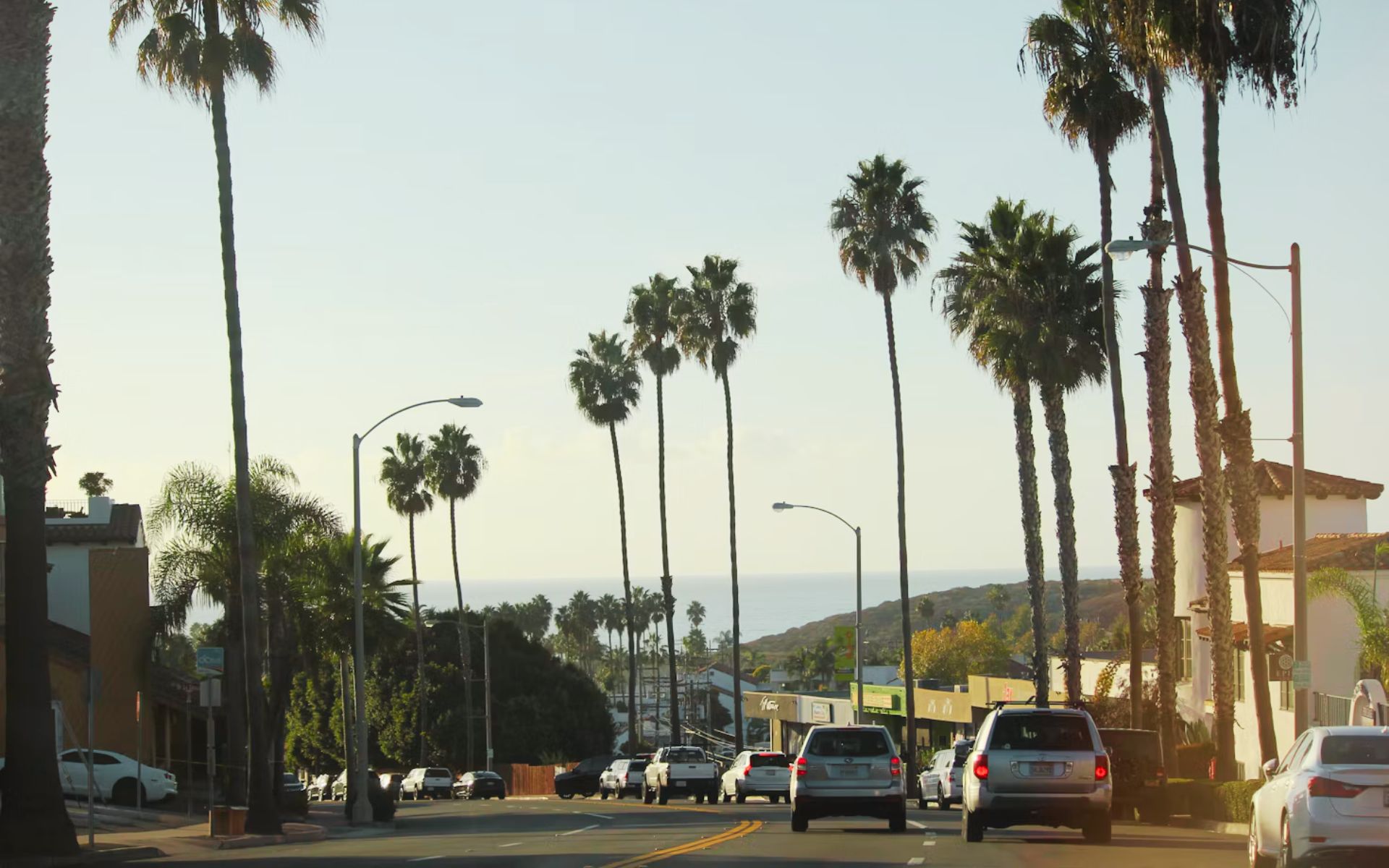
San Clemente Parking, Beach Crowds & Summer Traffic: What Residents Should Know
San Clemente parking, beach crowds, and summer traffic are part of the tradeoff that comes with living in one of South Orange County’s most popular coastal communities. Most of the year, daily life in San Clemente can feel very different depending on where you live. A homeowner in Talega, Forster Ranch, or Rancho San Clemente […]
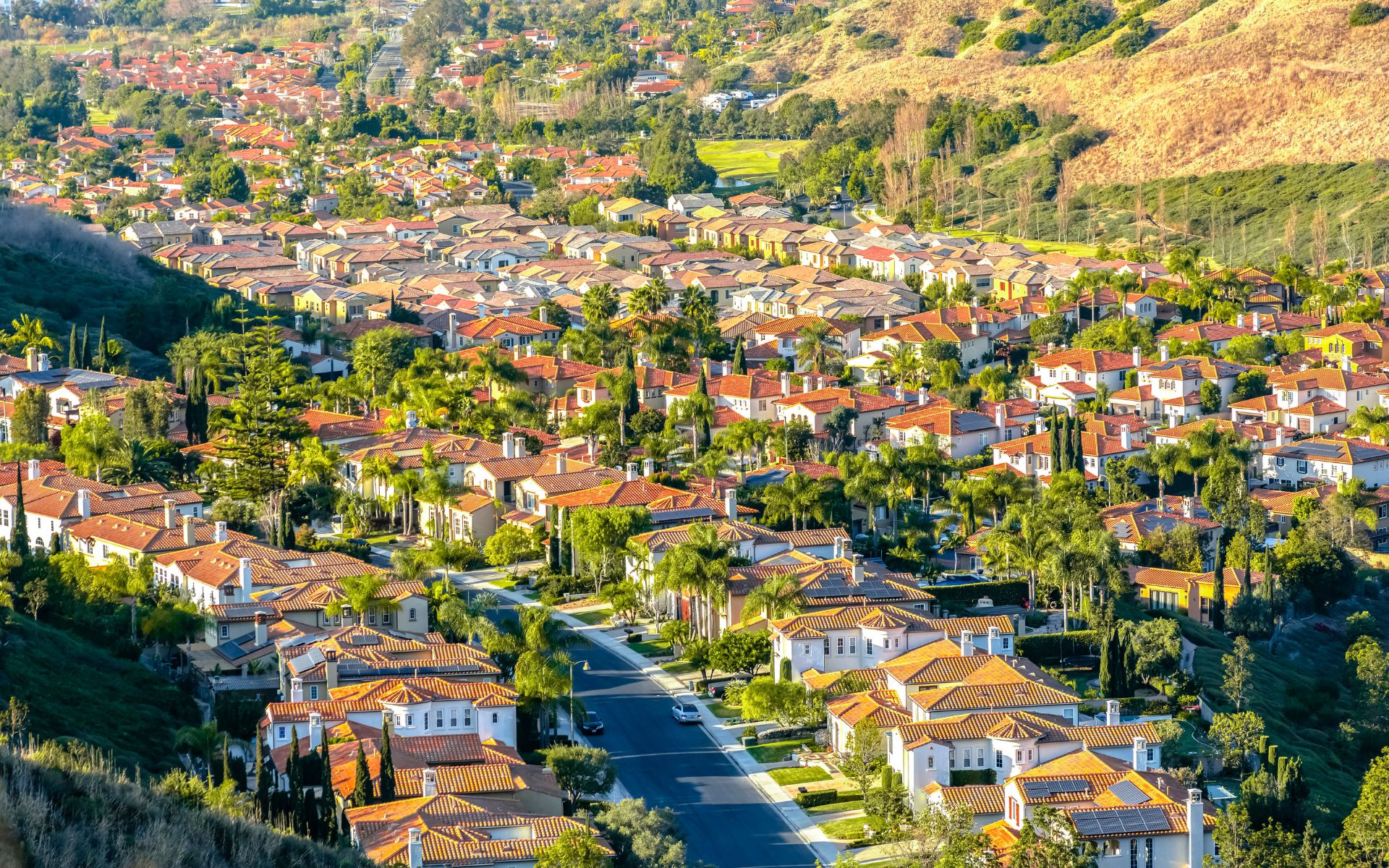
San Clemente Home Prices & Coastal Living Costs: What Buyers Should Budget For
San Clemente home prices reflect more than the cost of buying a house in Orange County. Buyers are also paying for location, neighborhood, ocean proximity, views, lot position, community amenities, and access to one of Southern California’s most recognizable coastal lifestyles. But the purchase price is only part of the budget. Depending on the property, […]
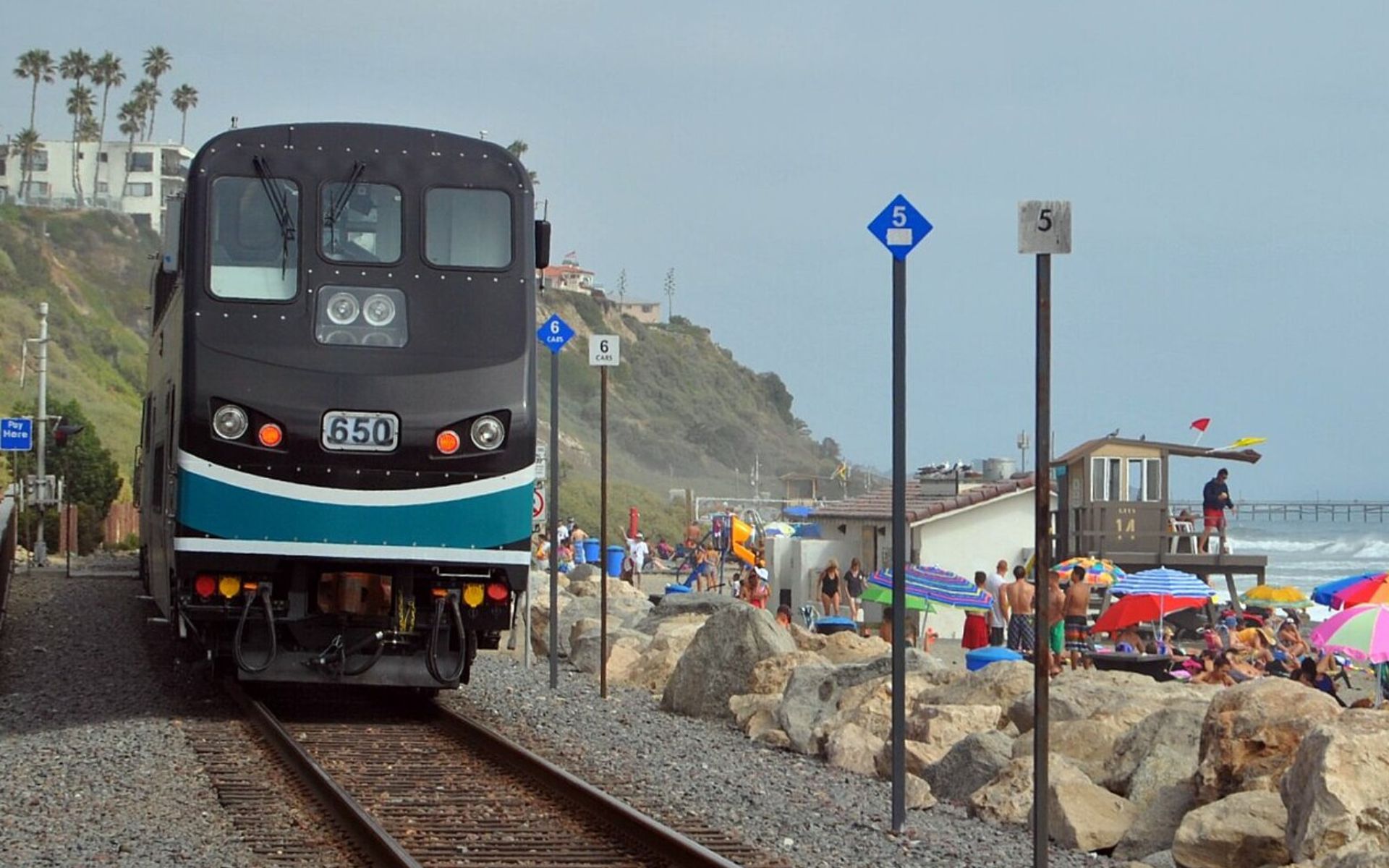
San Clemente Location & Commute: I-5, Metrolink, Irvine & San Diego Access
The San Clemente commute is shaped by something that makes this city different from most of South Orange County: San Clemente sits at the southern edge of Orange County with Interstate 5, two Metrolink stations, coastal bus service, local trolley routes, and direct connections north toward Irvine and south toward Oceanside and San Diego County. […]
Join Our Mailing List
Are you interested in buying a home? Look no further than working with real estate experts.
Quick Links
Brokerage Info
25950 Acero., #100
Mission Viejo, CA 92691
DRE 01200533


All information is deemed reliable but not guaranteed and should be independently reviewed and verified.
Powered by Sprout Interactive

