
Mission Viejo Neighborhoods & Master-Planned Living: What Buyers Should Know
When buyers start comparing Mission Viejo neighborhoods, one thing becomes clear quickly: two homes with the same Mission Viejo mailing address can offer very different ownership experiences.
One property might be an older single-family home on a traditional residential street.
Another might sit inside a gated HOA community.
Some homes have Lake Mission Viejo Association membership, while others do not.
Mission Viejo also includes townhomes, condominiums, patio homes, newer planned developments, and established 55+ communities such as Casta del Sol and Palmia.
That variety comes from the way Mission Viejo developed.
The area was still largely ranch land in 1965. Construction of the planned community began the following year, and Mission Viejo eventually incorporated as a city in 1988.
For today’s buyer, understanding that history helps explain why the city can feel cohesive while individual neighborhoods still offer noticeably different housing, amenities, association structures, and day-to-day lifestyles.
Mission Viejo Neighborhoods Grew From a Master-Planned Community
Mission Viejo was not developed around an old downtown that slowly expanded outward.
Much of the community was planned from the beginning around residential areas, major roads, parks, schools, shopping centers, recreation, and eventually Lake Mission Viejo.
That planning is still visible today.
Major corridors include:
- Marguerite Parkway
- Alicia Parkway
- La Paz Road
- Olympiad Road
- Oso Parkway
- Crown Valley Parkway
- Los Alisos Boulevard
- Jeronimo Road
These roads connect residential areas with shopping, recreation, healthcare, education, and surrounding South Orange County communities.
Instead of one central residential district, Mission Viejo developed as a collection of neighborhoods and residential tracts spread throughout the hills.
That is why choosing among Mission Viejo neighborhoods is less about finding one universally preferred section of town and more about deciding which location, housing style, amenities, and HOA structure fit your priorities.
For buyers, comparing Mission Viejo neighborhoods means looking beyond price and square footage to understand HOA structure, lake access, housing age, recreation, and everyday convenience.
Mission Viejo Is Primarily a Single-Unit Housing Market
Mission Viejo’s housing stock is strongly oriented toward individual homes.
Current City housing data has identified approximately 35,000 housing units, with single-unit structures making up the majority of the housing stock.
Owner occupancy is also common throughout Mission Viejo.
That helps explain why much of the city feels residential and suburban even though Mission Viejo also contains condominiums, townhomes, apartments, senior housing, and other housing formats.
Buyers should still avoid assuming that “Mission Viejo” automatically means a detached single-family home.
Different communities can offer very different options.
Many Mission Viejo Homes Are Established Rather Than New
Mission Viejo’s first homes were built during the 1960s, followed by substantial development through the 1970s, 1980s, and later decades.
As a result, a significant amount of the city’s housing stock is now several decades old.
That does not automatically make an older home less desirable.
It means buyers should evaluate condition and improvements, not simply the year it was built.
Items worth reviewing can include:
- Roof
- Plumbing
- Electrical systems
- HVAC
- Windows
- Insulation
- Kitchen and bathrooms
- Flooring
- Drainage
- Exterior finishes
- Landscaping
- Garage condition
- Previous additions or remodels
- Permits for major improvements
A well-maintained older Mission Viejo home may have undergone substantial modernization.
Another property of the same age may still require significant updates.
Age alone tells only part of the story.
Older Homes Can Mean More Established Mission Viejo Neighborhoods
There is another side to Mission Viejo’s mature housing stock.
Older Mission Viejo neighborhoods often come with established landscaping, mature trees, developed parks, finished streetscapes, and commercial areas that have served residents for decades.
You are generally evaluating an existing environment rather than trying to imagine what a newly developing community might eventually become.
For some buyers, that predictability is appealing.
Others may place a higher priority on newer construction, newer systems, contemporary floor plans, or recently built community amenities.
Mission Viejo provides a variety of housing experiences, although the city overall is much more established than newer master-planned areas elsewhere in Orange County.
Neighborhood Names in Mission Viejo Can Be Complicated
Buyers may hear names such as:
- Madrid
- Castille
- Cordova
- Barcelona
- El Dorado
- Pacific Hills
- Canyon Crest
- Painted Trails
- Casta del Sol
- Palmia
- Aegean Heights
Some identify distinct HOA communities.
Others are development, tract, or local area names.
Some residents may describe their location based on a nearby road, park, school, or Lake Mission Viejo rather than a formal neighborhood name.
This is worth remembering when searching listings.
Do not assume that two people using the same neighborhood label are necessarily describing identical boundaries.
For property-specific questions, the actual address matters more than the marketing name.
The City’s Property Map Can Help Buyers Verify an Address
Mission Viejo offers a Community GIS tool that can help buyers research an individual property.
Depending on the address, available information may include:
- Property lines
- Homeowners association information
- School district
- Zoning
- Land use
- Water district
- Flood information
- Utility information
It can be a useful starting point, especially when HOA structure, school district, or zoning matters.
For an actual purchase, important details should still be independently confirmed through the appropriate association, City department, escrow documents, school district, or other official source.
Lake Mission Viejo Membership Is Property-Specific
This is one of the most important distinctions among Mission Viejo neighborhoods.
Living in Mission Viejo does not automatically mean every home has identical Lake Mission Viejo privileges.
Lake Mission Viejo Association includes more than 25,000 properties, and most, but not all, single-family homes and condominiums in Mission Viejo either belong to the association or may be eligible for membership.
Membership is tied to the property.
Once membership is attached to a home, it generally transfers with the property when it is sold.
That means buyers should verify the specific address, not simply assume that a home near the lake has membership.
Older Homes Can Have Different Lake Membership Histories
Lake membership history can also vary depending on when and where a property was developed.
Certain older homes within qualifying areas were given opportunities to join Lake Mission Viejo Association rather than automatically receiving membership when they were first built.
Some older qualifying properties may still have different membership histories than homes developed later.
For buyers, the practical takeaway is simple:
Verify Lake Mission Viejo membership directly for the specific property before relying on it as part of your purchase decision.
Lake Membership and Neighborhood HOA Are Not Always the Same Thing
This is a common source of confusion.
Lake Mission Viejo Association can be one HOA layer, while the immediate neighborhood may have another HOA.
A property might have:
Lake Mission Viejo Association
for lake amenities and association obligations
plus
a neighborhood or condominium HOA
for community-specific amenities, gates, landscaping, exterior maintenance, private streets, architectural standards, or other services.
That means buyers should not ask only:
“Is there an HOA?”
A better question is:
“How many associations apply to this property, what does each one cover, and what are the current assessments?”
HOA Structure Can Change the Ownership Experience
A home in a traditional tract without a neighborhood HOA can feel very different from one inside a highly managed association.
Depending on the community, an HOA might regulate or maintain things such as:
- Exterior appearance
- Landscaping
- Roofing
- Paint colors
- Parking
- Common areas
- Gates
- Pools
- Clubhouses
- Private streets
- Tennis or pickleball courts
- Architectural changes
The exact responsibilities vary considerably.
For buyers, the important question is whether the association’s services, amenities, costs, and restrictions align with the ownership experience they want.
Canyon Crest Represents One Type of Mission Viejo Community
Canyon Crest Estates is one example of a distinct HOA community within Mission Viejo.
It is located in the Lake Mission Viejo area and operates through its own homeowners association.
For buyers considering a community like Canyon Crest, that means evaluating more than the physical home.
You may also want to review:
- Neighborhood HOA dues
- Lake Mission Viejo membership
- Community rules
- Architectural requirements
- Common amenities
- Gate procedures
- Reserve funding
- Special assessments, if any
- What the HOA maintains
- What the homeowner maintains
Those details can materially affect both monthly housing costs and the overall ownership experience.
Pacific Hills Offers a Different Setting
The Pacific Hills area is another recognizable part of Mission Viejo.
Pacific Hills Drive connects the area between Oso Parkway and La Paz Road, while Pacific Hills Park provides neighborhood recreation including sports facilities, a playground, picnic areas, and open space.
This illustrates how local parks can become part of the identity of individual residential areas.
When comparing homes, buyers may want to map not only shopping and commuting routes but also the parks and recreation facilities they would realistically use.
For a deeper look at recreation throughout the city, read:
Parks, Trails & Outdoor Recreation in Mission Viejo: A Local Guide
Aegean Heights Shows Another Side of Mission Viejo Housing
Aegean Heights is a good example of how Mission Viejo housing extends beyond traditional detached suburban homes.
The planned community includes a combination of detached patio homes and townhomes, along with private streets, common landscaping, a clubhouse, pool, and recreation amenities.
For buyers who want Mission Viejo but do not necessarily want a traditional detached home on a larger individual lot, communities like this broaden the available choices.
Casta del Sol Is a Major 55+ Community
Mission Viejo also has established age-qualified housing.
Casta del Sol is one of the city’s best-known 55+ communities.
Community recreation includes amenities and activities such as:
- Bocce
- Lawn bowling
- Pickleball
- Tennis
- Shuffleboard
- Swimming
- Clubs and organized activities
- Community gardening
Casta del Sol also sits in a recreation-oriented part of Mission Viejo near the golf course, Oso Creek corridor, aquatics facilities, and Lake Mission Viejo.
For buyers specifically looking for an active-adult environment, that combination can make the community worth comparing with other 55+ options.
Palmia Offers Another 55+ Housing Option
Palmia is another established Mission Viejo 55+ community.
The community includes different housing formats, including condominiums and single-family homes.
Palmia also offers association amenities and organized activities.
This is a good example of why buyers searching Mission Viejo should identify the housing format and community structure they want before simply filtering by ZIP code.
Two age-qualified communities in the same city can still offer very different homes, layouts, associations, and amenities.
Mission Viejo Also Has Gated and Non-Gated Communities
Another meaningful difference among Mission Viejo neighborhoods is access and community structure.
Some communities are gated.
Many traditional residential neighborhoods are not.
A gated community may appeal to someone who likes a defined entrance or specific shared facilities.
Someone else may prefer a traditional public-street neighborhood without an additional association structure.
Neither is automatically better.
The important thing is knowing which environment you are buying into.
Streets Can Feel Very Different From One Another
Even within the same general Mission Viejo area, individual streets can vary.
Consider factors such as:
- Cul-de-sac versus through street
- Hillside versus flatter terrain
- Interior tract versus major-road proximity
- Park proximity
- Trail proximity
- Lake proximity
- Views
- Lot orientation
- Street width
- Garage configuration
- HOA versus non-HOA
- Attached versus detached housing
These differences are difficult to understand from citywide averages.
They become much clearer when comparing actual homes.
Hills Are Part of Mission Viejo’s Residential Character
Mission Viejo was built across rolling South Orange County terrain.
That contributes to the city’s appearance, but it can also affect individual properties.
A hillside lot may offer a very different setting from a flatter interior street.
Buyers may encounter:
- Sloped lots
- Terraced landscaping
- Retaining walls
- Elevated views
- Homes positioned above or below neighboring streets
- Different driveway grades
Those factors can influence both lifestyle and property maintenance.
A listing photo rarely tells the whole story.
Views Can Vary Significantly
Depending on location and elevation, some Mission Viejo homes may offer views toward:
- Lake Mission Viejo
- Saddleback Mountain
- Local hills
- Golf course areas
- Open space
- Neighborhood rooftops
- City lights
Views are property-specific and should never be assumed based solely on a neighborhood name.
Even adjacent streets can have very different orientations.
Lot Size and Layout Matter as Much as Neighborhood Name
Buyers sometimes become focused on one particular community.
But two houses within that community may function completely differently.
One might offer:
- Larger backyard
- Pool
- Single-level layout
- Three-car garage
- Open hillside exposure
Another might have:
- Smaller yard
- Two-story floor plan
- More interior updates
- Different street position
- Better proximity to parks or shopping
That is why Mission Viejo neighborhoods should be used as a framework for a search, not as a substitute for evaluating the individual property.
Floor Plans Reflect Different Eras of Development
Mission Viejo’s long development history means its housing reflects multiple design periods.
Depending on the neighborhood and construction date, buyers may encounter:
- Single-story ranch-style layouts
- Two-story traditional homes
- Patio homes
- Townhomes
- Condominiums
- Detached homes with smaller lots
- Larger planned-community homes
- Age-qualified housing
Older floor plans may include more separated living areas.
Renovated homes may have walls removed or kitchens opened.
Later construction may offer more contemporary layouts from the beginning.
Again, condition matters as much as age.
Remodeling Is Common in Established Mission Viejo Homes
Because so much of Mission Viejo is established, buyers will often compare homes that have undergone very different levels of renovation.
One property may have:
- Updated kitchen
- Reconfigured floor plan
- Newer windows
- Updated HVAC
- Solar
- Renovated bathrooms
- Modern flooring
while another nearby property may retain much more of its original design.
When evaluating remodeling, buyers should also determine whether major additions or structural changes were properly permitted.
New Construction Is More Limited Than in Newer Orange County Communities
Mission Viejo is largely built out.
New housing can still be added through infill, redevelopment, accessory dwelling units, and targeted projects.
But buyers looking for large tracts of brand-new production homes will generally find fewer options here than in newer developing communities.
That is part of the tradeoff.
Mission Viejo offers an established environment.
It does not offer the same volume of brand-new neighborhoods found in communities still undergoing major residential expansion.
Established Does Not Mean Nothing Changes
Mission Viejo continues to evolve.
Housing can still be added through redevelopment, infill projects, accessory dwelling units, and targeted residential development.
Commercial areas are changing too, including improvements at The Shops at Mission Viejo and ongoing planning around the City’s Core Area.
So buyers should think of Mission Viejo as an established city that continues to adapt, rather than a community frozen in its original master plan.
Location Within Mission Viejo Can Change Your Daily Routine
Consider two hypothetical buyers.
One chooses a home near Lake Mission Viejo and Olympiad Road.
Their everyday routine may revolve around:
- Lake access
- Plaza del Lago
- Lake walking routes
- Nearby parks
- Marguerite Parkway
Another chooses a home closer to Alicia Parkway and Los Alisos Boulevard.
Their routine might revolve more around:
- Alicia-area shopping
- Lake Forest connections
- Nearby neighborhood parks
- SR-241 access
Someone in southern Mission Viejo may prioritize:
- The Shops at Mission Viejo
- Providence Mission Hospital
- Saddleback College
- I-5
- Crown Valley Parkway
All of them are in Mission Viejo.
Their day-to-day experience can still feel very different.
Different Mission Viejo neighborhoods can offer very different combinations of parks, shopping, recreation, housing styles, and association amenities.
Shopping Access Can Help Differentiate Mission Viejo Neighborhoods
Where you live also influences which commercial areas become part of your regular routine.
Residents may use destinations such as:
- The Shops at Mission Viejo
- Plaza del Lago
- Gateway Center
- La Paz Plaza
- Alicia-area shopping centers
- Marguerite Parkway businesses
- Crown Valley Parkway businesses
If everyday convenience matters to your home search, read:
Shopping, Dining & Everyday Convenience in Mission Viejo: A Local Guide
Parks Can Help Buyers Compare Mission Viejo Neighborhoods
Mission Viejo’s park network is spread throughout the city.
Individual residential areas are connected with parks such as:
- Pacific Hills Park
- Cordova Park
- Barcelona Park
- Madrid Fore Park
- Pinecrest Park
- Oso Viejo Community Park
- Beebe Park
- Gilleran Park
Mission Viejo has dozens of parks and open-space locations, so buyers can evaluate recreation at a very local level rather than simply asking whether the city has parks.
If walking to a playground, sports field, trail, or open space matters, map that from the actual property.
Schools Should Also Be Verified by Address
School assignment can vary across Mission Viejo.
Buyers should not assume that every home with a Mission Viejo address feeds into the same schools or even the same school district.
Property-location tools can provide useful preliminary information, but school assignments should always be confirmed directly with the applicable district when they are important to a home search.
What Should Buyers Review About an HOA?
If the property belongs to an association, review more than the monthly dues.
Important documents can include:
- CC&Rs
- Rules and regulations
- Current budget
- Reserve study
- Meeting minutes
- Insurance information
- Architectural guidelines
- Pending litigation
- Recent or planned special assessments
- Maintenance responsibilities
Also determine whether there are multiple associations.
A lower monthly HOA number can be misleading if another association assessment applies separately.
HOA Amenities Should Match What You Actually Use
A pool, clubhouse, tennis court, gate, or lake membership has value only in relation to your priorities.
If you use those amenities regularly, association costs may feel worthwhile.
If you rarely use them, another ownership structure may fit better.
This is why HOA comparisons should not be reduced to:
“Lower dues are better.”
A more useful comparison is:
“What am I paying, what does it cover, and does that structure fit how I want to live?”
Lake Mission Viejo Can Add Another Layer to the Decision
For many buyers, LMVA membership is one of Mission Viejo’s distinctive benefits.
Membership can provide access to private Lake Mission Viejo facilities and activities such as:
- North Beach
- East Beach
- Marina
- Boat rentals
- Fishing
- Picnic areas
- Community events and concerts
Lake Mission Viejo covers approximately 125 surface acres, with association amenities reserved for eligible member properties, occupants, and guests.
For a complete explanation of property-specific membership, assessments, boating, beaches, and access, read:
What It’s Really Like Living Near Lake Mission Viejo
Who Might Prefer Mission Viejo’s Established Neighborhoods?
Mission Viejo may appeal to buyers who value:
- Established residential streets
- Mature landscaping
- Multiple housing styles
- Neighborhood parks
- Lake recreation
- HOA and non-HOA choices
- Gated and non-gated options
- Single-story and two-story homes
- Condominiums and townhomes
- 55+ communities
- Access to shopping and healthcare
- A mature master-planned environment
The important advantage is choice within an established city.
Who Might Prefer Something Else?
Mission Viejo may be less aligned with someone whose highest priority is:
- A large selection of brand-new construction
- A dense urban neighborhood
- High-rise residential living
- Walking to most daily destinations
- A traditional historic downtown
- New mixed-use development as the dominant housing format
Those buyers may want to compare Mission Viejo with other Orange County communities offering a different development pattern.
Mission Viejo Neighborhoods vs. Rancho Santa Margarita
Mission Viejo and Rancho Santa Margarita are both master-planned South Orange County communities, but they developed during different periods and at different scales.
Mission Viejo is larger and has a broader mix of established housing, commercial centers, age-qualified communities, and residential areas developed across several decades.
Rancho Santa Margarita has a more compact foothill identity centered heavily around its own master-planned neighborhoods and Lago Santa Margarita.
If you are comparing the two, read:
What Should Buyers Compare From One Mission Viejo Home to Another?
Rather than asking only whether you like Mission Viejo, compare each property across several categories.
The Home
Look at:
- Age
- Condition
- Floor plan
- Lot
- Garage
- Renovations
- Major systems
The Location
Look at:
- Street position
- Major-road access
- Hills and terrain
- Parks
- Trails
- Shopping
- Healthcare
- Lake proximity
The Association Structure
Confirm:
- Neighborhood HOA
- LMVA membership
- Number of associations
- Current assessments
- What each HOA maintains
- Community rules
The Lifestyle
Ask yourself:
- Where would I walk?
- Where would I shop?
- Which park would I use?
- Would I use Lake Mission Viejo?
- How much driving would my routine require?
- Does the neighborhood fit how I spend my weekends?
That approach can be far more useful than choosing a home based on a neighborhood name alone.
Questions to Ask When Comparing Mission Viejo Neighborhoods
Before buying, consider:
- How old is the home, and what has been updated?
- Is the property detached, attached, condo, townhome, or patio home?
- Is there a neighborhood HOA?
- Is the property part of Lake Mission Viejo Association?
- Are there multiple HOA assessments?
- What amenities does each association provide?
- What does the homeowner maintain?
- What architectural restrictions apply?
- Which parks and trails are closest?
- Where would I shop most often?
- What is the terrain around the property?
- What are the current school assignments if that matters to my search?
- Have major renovations been permitted?
- Does the location make my normal routine easier?
- Would another Mission Viejo area better fit my priorities?
Frequently Asked Questions About Mission Viejo Neighborhoods
Is Mission Viejo a Master-Planned Community?
Yes.
Development of the planned community began during the 1960s, decades before Mission Viejo incorporated as a city in 1988.
The master-planned structure is still visible in the way residential areas, parks, schools, shopping centers, roads, and recreation facilities are distributed throughout the city.
Are Most Mission Viejo Homes Single-Family Homes?
Single-unit homes make up the majority of Mission Viejo’s housing stock.
Mission Viejo also contains condominiums, townhomes, patio homes, apartments, and age-qualified communities.
Are All Mission Viejo Homes in an HOA?
No.
HOA structure varies by property.
Some homes have a neighborhood HOA, some have Lake Mission Viejo Association membership, some have both, and others may have different arrangements.
Always verify the specific property.
Do All Mission Viejo Homes Have Lake Access?
No.
Most, but not all, Mission Viejo single-family homes and condominiums either belong to Lake Mission Viejo Association or may qualify for membership.
Membership should be verified directly for the property.
Can a Home Have Two HOAs?
Yes.
A property can potentially have Lake Mission Viejo Association membership plus another HOA serving its immediate neighborhood or condominium community.
Does Mission Viejo Have 55+ Communities?
Yes.
Casta del Sol and Palmia are two established 55+ communities in Mission Viejo.
Does Mission Viejo Have Condos and Townhomes?
Yes.
Although Mission Viejo is heavily oriented toward single-unit housing, the city contains many attached and alternative housing options.
Communities such as Aegean Heights include townhomes and patio homes, while Palmia includes both condominiums and single-family residences.
Are Mission Viejo Homes Mostly Older?
A large portion of Mission Viejo was developed decades ago.
That makes property condition, renovation history, permits, major systems, and maintenance important considerations when comparing homes.
Is There New Construction in Mission Viejo?
Yes, but Mission Viejo is largely built out, so new construction is more limited than in communities with large amounts of undeveloped land.
New housing is more likely to come through infill, redevelopment, accessory dwelling units, and targeted residential projects.
Are Mission Viejo Neighborhoods a Major Reason to Live Here?
For many buyers, yes.
Mission Viejo offers something that can be difficult to understand from a citywide search page: variety inside an established master-planned community.
You can find traditional residential streets, gated communities, lake-oriented neighborhoods, townhomes, condominiums, patio homes, 55+ communities, older homes with mature landscaping, and later-developed planned neighborhoods.
The tradeoff is that this variety also creates more details to verify.
HOA structure can differ.
Lake membership can differ.
Housing age can differ.
Street setting can differ.
Even homes only a short distance apart may offer very different ownership experiences.
Ultimately, the right Mission Viejo neighborhoods to consider are the ones that best match your preferred housing type, location, association structure, amenities, and everyday routine.
The goal is not simply to find a Mission Viejo address.
It is to find the part of Mission Viejo that fits the way you actually want to live.
Explore More of Mission Viejo
Start with our complete guide:
Then explore:
What It’s Really Like Living Near Lake Mission Viejo
Parks, Trails & Outdoor Recreation in Mission Viejo: A Local Guide
Shopping, Dining & Everyday Convenience in Mission Viejo: A Local Guide
Recent Updates
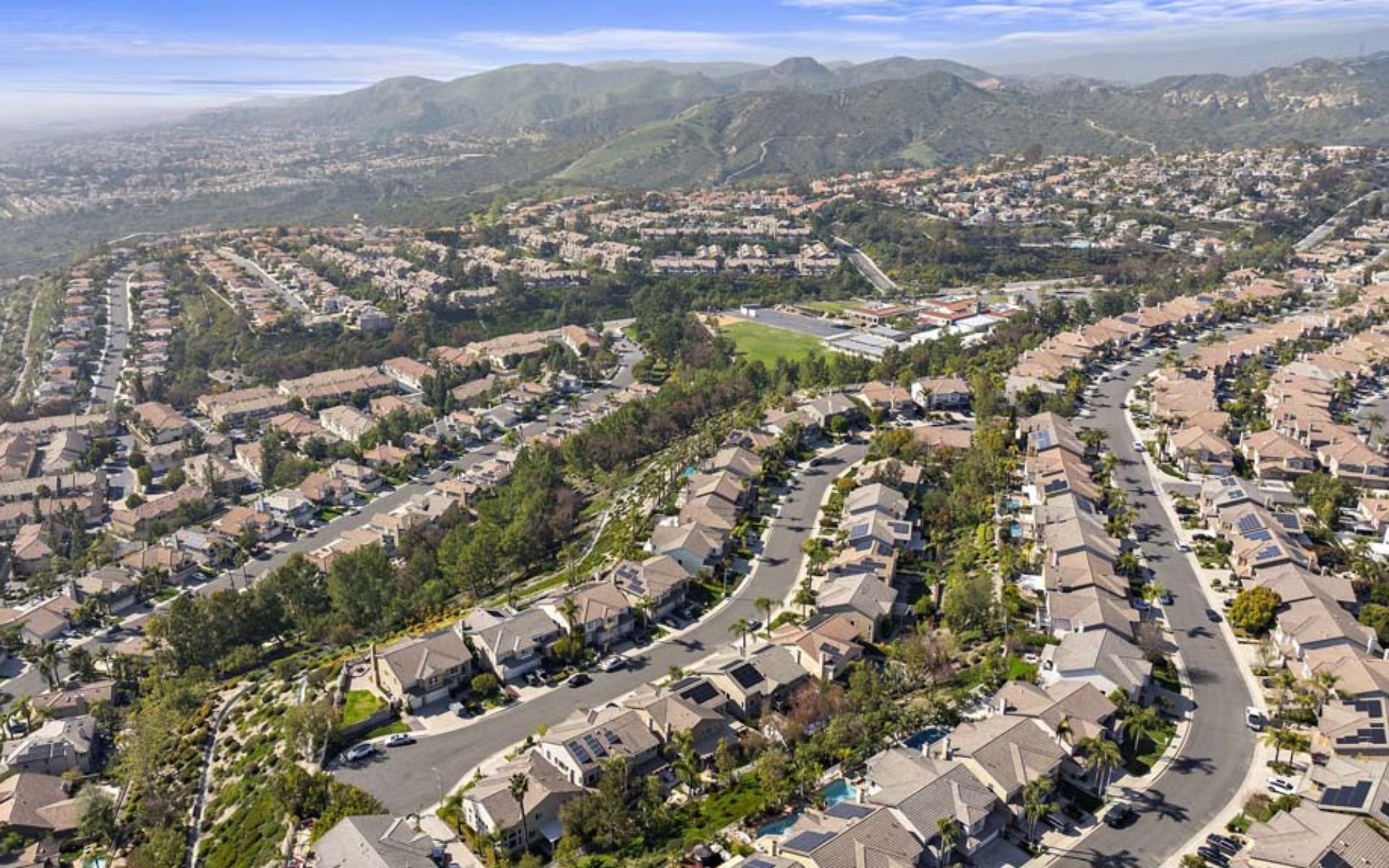
Portola Hills Neighborhoods and Homes: What Buyers Should Know
If you’re comparing Portola Hills neighborhoods and homes, one of the first things to understand is that Portola Hills is not a single subdivision with one type of property. Located on the foothill side of Lake Forest, California, Portola Hills includes established residential neighborhoods along with newer development around Portola Center. Buyers can find detached […]
5 Reasons You’ll Love Living in Portola Hills and 3 Reasons It Might Not Be for You
If you’re considering living in Portola Hills, CA, you’re probably looking for more than a list of homes for sale. You want to know what everyday life actually feels like. Portola Hills sits in the eastern foothill area of Lake Forest in South Orange County, where residential neighborhoods meet hills, open space, trails, and nearby […]
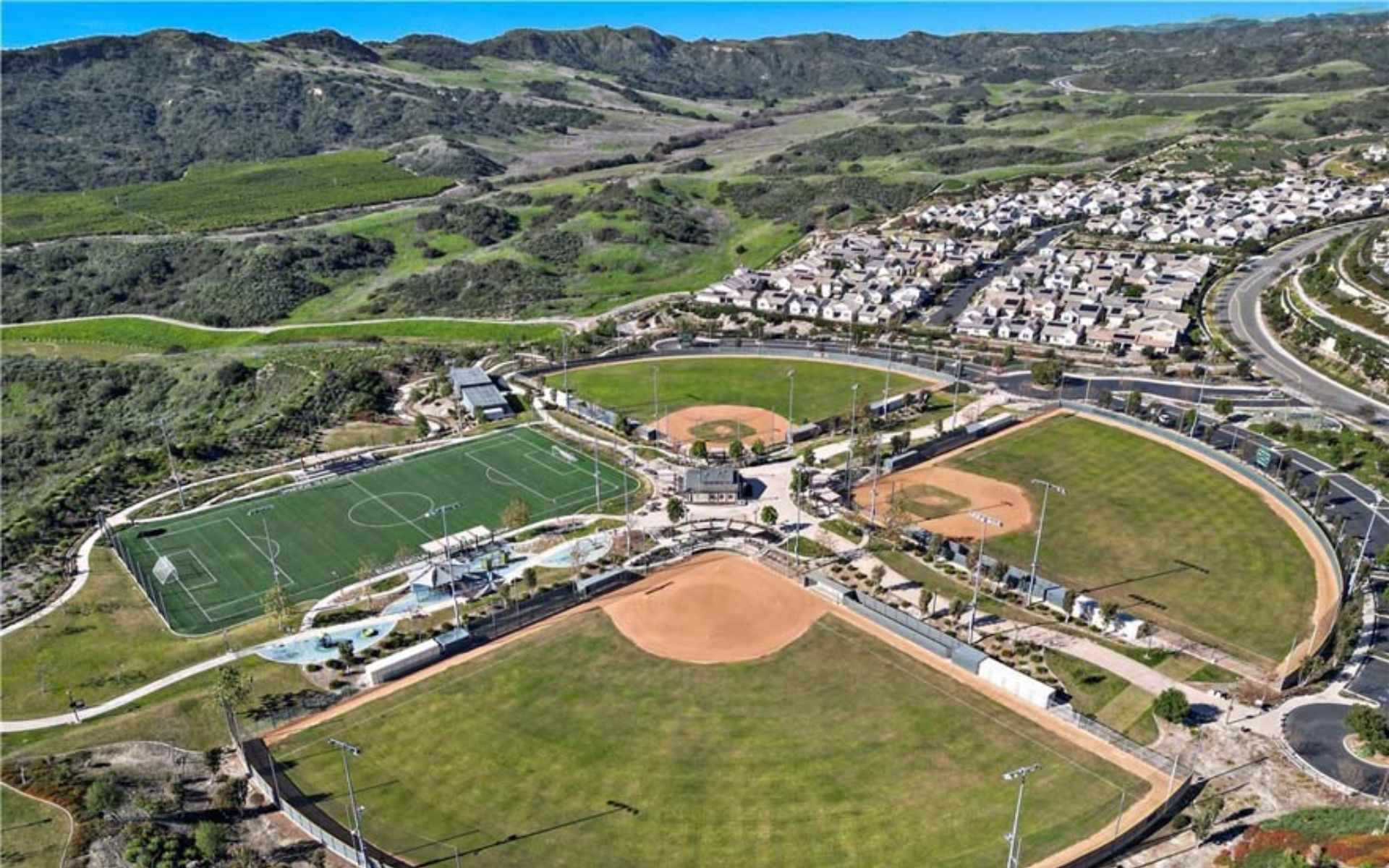
Ladera Ranch Inland Location: Beach and Freeway Access for Home Buyers
If you’re considering buying a home in Ladera Ranch, the Ladera Ranch inland location is an important lifestyle factor to understand before deciding whether the community fits the way you want to live. Ladera Ranch sits in South Orange County near Mission Viejo, Rancho Santa Margarita, Rancho Mission Viejo, and San Juan Capistrano. It offers […]
Join Our Mailing List
Are you interested in buying a home? Look no further than working with real estate experts.
Quick Links
Brokerage Info
25950 Acero., #100
Mission Viejo, CA 92691
DRE 01200533


All information is deemed reliable but not guaranteed and should be independently reviewed and verified.
Powered by Sprout Interactive

