
Does Mission Viejo Have a Downtown? What Everyday Life Really Feels Like
When buyers ask about Mission Viejo downtown, the answer depends on what they mean by “downtown.”
Mission Viejo does have a central civic and commercial area around Marguerite Parkway, La Paz Road, Oso Creek, the Civic Center, and nearby shopping centers. The City refers to this broader area as its Downtown Core or Core Area and has spent years exploring ways to make it more connected, pedestrian-friendly, and community-oriented.
But Mission Viejo does not currently have the kind of traditional downtown many buyers picture when they think of a historic Main Street lined with restaurants, cafés, shops, nightlife, and homes within a compact walkable district.
Instead, Mission Viejo is an established master-planned suburban community where residential neighborhoods, shopping centers, parks, schools, recreation, and services are spread throughout the city.
For some buyers, that layout works extremely well.
For others, especially those who want to walk from home to dinner, coffee, shopping, entertainment, and nightlife, it can be one of Mission Viejo’s more noticeable trade-offs.
So what does everyday life actually feel like without a traditional downtown?
Does Mission Viejo Have a Downtown?
Mission Viejo has a Downtown Core, but it is different from a traditional downtown.
The City has long identified an area around La Paz Road and Marguerite Parkway, extending south toward Oso Parkway, as a central part of Mission Viejo. Planning efforts for the area have considered shopping, restaurants, public gathering areas, pedestrian circulation, bicycle connections, civic uses, and access to Oso Creek.
Within and around this broader area are destinations such as:
- Mission Viejo Civic Center
- Mission Viejo Library
- Oso Creek Trail
- Norman P. Murray Community and Senior Center
- Oso Viejo Community Park
- Local shopping centers
- Restaurants and services
- North Paseo at LOS OSOS
These destinations provide a community core.
But they are not arranged like a dense historic downtown where everything is clustered tightly together along a few pedestrian streets.
That distinction is important when buyers evaluate a Mission Viejo downtown lifestyle.
Mission Viejo Was Designed Differently From a Historic Main Street City
Mission Viejo’s layout makes more sense when you understand how the city developed.
Mission Viejo is a master-planned community whose development began in the 1960s. Its original design included residential neighborhoods, landscaped roadways, commercial centers, schools, recreation, and community amenities planned together rather than growing organically around a historic commercial district.
That planning created many of the qualities residents still associate with Mission Viejo:
- Established residential neighborhoods
- Mature landscaping
- Parks and open space
- Lake Mission Viejo
- Neighborhood shopping centers
- Major arterial roads
- Recreation facilities
- Distinct residential tracts
But it also means shopping and dining tend to be distributed throughout the city instead of concentrated in one downtown.
Mission Viejo Shopping Centers Function Like Neighborhood Hubs
Instead of one central Main Street, Mission Viejo has numerous commercial centers spread across different parts of the city.
These include areas such as:
- Alicia Towne Plaza
- Gateway Center
- La Paz Plaza
- Los Alisos Village
- Marguerite Plaza
- Mission Viejo Marketplace
- Olympiad Plaza
- Plaza del Lago
- Plaza Viejo
- Silverado Plaza
- The Patio
- Trabuco Hills
- Other neighborhood retail centers
For residents, this can actually be convenient.
Your grocery store, coffee shop, restaurant, gym, or service provider may be relatively close to your neighborhood.
The tradeoff is that you often move between these destinations by car rather than walking between them within one dense commercial district.
What Does Everyday Life in Mission Viejo Actually Feel Like?
For many residents, everyday Mission Viejo life is built around short trips between neighborhoods and local destinations.
A typical routine might involve:
- Driving from home to a neighborhood coffee shop
- Taking children to school or sports
- Walking Oso Creek Trail
- Stopping at a shopping center
- Heading to Lake Mission Viejo
- Going to The Shops at Mission Viejo
- Meeting friends for dinner
- Returning to a residential neighborhood
Many of those destinations may be nearby.
But they are generally not all clustered within one walkable downtown district.
That makes Mission Viejo feel more like a network of suburban activity centers than a traditional city center.
Can You Walk Around Mission Viejo?
Yes, but the answer depends heavily on what kind of walking you mean.
Mission Viejo has substantial recreational walking opportunities.
Residents can use routes such as:
- Oso Creek Trail
- Arroyo Trabuco
- Wilderness Glen
- The Lake Mission Viejo walking loop
- Neighborhood sidewalks
- Parks and open spaces
Residents may be able to walk:
- Around their neighborhood
- To a nearby park
- Along a trail
- Around Lake Mission Viejo
- Between certain community destinations
- To some nearby businesses depending on the property
But recreational walkability and daily errand walkability are not the same thing.
A neighborhood can be excellent for an evening walk while still requiring a car for groceries, restaurants, appointments, and most shopping.
Recreational Walkability Is One of Mission Viejo’s Strengths
This is an important distinction.
If your idea of walkability means:
“Can I leave my home and enjoy a pleasant walk?”
Mission Viejo can perform very well depending on the neighborhood.
Residents have access to sidewalks, parks, trails, landscaped residential areas, and recreation corridors.
The Oso Creek Trail is particularly important because it runs through the city’s central area and connects with several community destinations.
So buyers should not interpret “Mission Viejo is suburban” as meaning “you cannot walk anywhere.”
The real issue is what you can walk to.
Errand Walkability Is Much More Property-Specific
If your definition of walkability is:
“Can I walk from my house to coffee, groceries, restaurants, shopping, and entertainment?”
The answer varies much more.
Some properties may sit reasonably close to a neighborhood commercial center.
Others may be surrounded almost entirely by residential streets.
Major roads such as:
- Marguerite Parkway
- Alicia Parkway
- La Paz Road
- Crown Valley Parkway
- Oso Parkway
- Los Alisos Boulevard
help connect the city, but they also reinforce Mission Viejo’s car-oriented suburban structure.
For buyers who want strong everyday walkability, the best approach is to test the specific address, not rely on a citywide description.
Oso Creek Is Central to Mission Viejo’s Downtown Vision
One of the most interesting parts of Mission Viejo’s future downtown planning is Oso Creek.
The City’s Core Area Vision has focused on connecting commercial and civic destinations with Oso Creek and Oso Creek Trail.
Planning concepts have emphasized creating a more walkable village environment with pedestrian connections, gathering areas, retail, dining, and stronger connections with the creek and trail.
That is important because Mission Viejo already has a natural pedestrian corridor running through its central area.
The challenge has been making surrounding commercial and civic spaces feel more connected to it.
What Is LOS OSOS?
LOS OSOS is one of the central projects associated with Mission Viejo’s effort to strengthen its Downtown Core.
The project centers on the former Stein Mart property along Marguerite Parkway.
The City purchased the approximately 3.3-acre property in 2021 and has explored redevelopment concepts that could include restaurants, retail, entertainment, professional services, and public gathering spaces.
Earlier concepts envisioned features such as:
- A pedestrian paseo
- Restaurants
- Retail
- Entertainment
- Gathering areas
- Connections toward Oso Creek
- Outdoor community spaces
The broader goal has been to create a more recognizable central destination where residents can gather, dine, shop, and spend time.
Is LOS OSOS Finished?
No.
This is important to communicate accurately to buyers.
The original LOS OSOS concept moved forward through several stages, but market conditions, construction costs, legal issues involving the older commercial center, store closures, and limited developer interest led the City to reconsider the original development approach.
In 2025, the City moved toward exploring a broader range of redevelopment possibilities.
So buyers should not look at conceptual plans and assume Mission Viejo already has a completed new downtown.
As of 2026, redevelopment of the property remains an evolving process.
North Paseo at LOS OSOS Is Already Being Used
Although the larger redevelopment remains in progress, the North Paseo at LOS OSOS is already functioning as a community gathering space.
Located at 25282 Marguerite Parkway, it has hosted activities such as:
- Farmers markets
- Night markets
- Food vendors
- Local artisans
- Live entertainment
- Seasonal events
- Community activities
That gives residents at least a glimpse of the more pedestrian-oriented gathering environment the city has been trying to create.
What Does a Night Market Change About Mission Viejo?
Events at North Paseo temporarily create something closer to the traditional downtown experience some buyers are looking for.
Instead of driving to one store, completing an errand, and leaving, residents can:
- Walk between vendors
- Browse local products
- Eat
- Listen to music
- Meet other residents
- Spend time outdoors
- Attend as a family
- Stay for several activities
These events do not turn Mission Viejo into a traditional downtown city.
But they do demonstrate how community gathering and pedestrian-oriented experiences can fit within the city’s suburban structure.
The Farmers Market Adds Another Walkable Gathering Experience
North Paseo has also hosted a Farmers Market and Crafts event featuring locally grown produce, prepared foods, baked goods, crafts, and local vendors.
For residents, that creates another reason to spend time in the central area rather than simply pass through it.
It is a good example of how Mission Viejo’s downtown experience can evolve through events and programming even before major redevelopment is complete.
The Civic Center Adds a Recognizable Community Core
The Mission Viejo Civic Center area also helps give the city a central identity.
City Hall and the Mission Viejo Library sit near Marguerite Parkway and La Paz Road, close to the Oso Creek corridor and surrounding commercial uses.
This area functions differently from an old downtown square, but it does create a concentration of civic destinations.
Residents may visit this part of Mission Viejo for:
- Library programs
- City services
- Community events
- Oso Creek Trail
- Nearby restaurants
- Shopping
- Recreation
That makes the broader Civic Center/Core Area one of the closest things Mission Viejo has to a traditional city center.
The Shops at Mission Viejo Creates Another Pedestrian Environment
Mission Viejo also has another major pedestrian-oriented environment at The Shops at Mission Viejo.
The regional mall provides a large concentration of shopping and dining where visitors can park once and walk between stores.
The property is also being expanded with additional outdoor retail, dining, gathering space, landscaping, and pedestrian-oriented areas.
That development is relevant to the walkability discussion because it creates another environment designed around walking once visitors arrive.
However, it is still a regional shopping center rather than a traditional mixed-use downtown where most residents live within walking distance.
Plaza del Lago Offers a Different Kind of Walkable Destination
Plaza del Lago near Lake Mission Viejo provides another smaller-scale example.
Residents and visitors can combine:
- Restaurants
- Services
- Shopping
- Lake views
- Nearby recreation
in one setting.
Eligible Lake Mission Viejo members may also reach the commercial area through the nearby Market Dock.
For buyers living nearby, Plaza del Lago may feel more integrated into everyday neighborhood life than a regional mall.
But again, walkability depends on the exact home.
Someone living close to Plaza del Lago may experience Mission Viejo differently from someone several miles away.
Mission Viejo Downtown: Why the City Has Multiple Activity Centers
For buyers, understanding the Mission Viejo downtown layout means looking at the Civic Center, LOS OSOS, Oso Creek, North Paseo, The Shops at Mission Viejo, Plaza del Lago, and neighborhood commercial areas together.
Rather than having one downtown, Mission Viejo has multiple activity centers.
Those include:
- Civic Center / Downtown Core
- LOS OSOS / North Paseo
- The Shops at Mission Viejo
- Plaza del Lago
- Neighborhood shopping centers
- Lake Mission Viejo
- Parks and recreation centers
Different households may use different centers depending on where they live.
That distributed structure is one of the defining characteristics of everyday Mission Viejo life.
Is That a Bad Thing?
Not necessarily.
Some buyers actually prefer it.
A distributed suburban layout can mean you have shopping, parks, schools, and services positioned throughout residential areas rather than everyone converging on one city center.
For some households, that creates convenience.
You may drive a short distance to the places you use rather than travel across the entire city to one downtown.
It can also mean residential streets feel more separated from nightlife and major commercial activity.
Whether that feels like a benefit or drawback depends heavily on the lifestyle you want.
Who Might Like Mission Viejo’s Layout?
Mission Viejo may work particularly well if you:
- Prefer established suburban neighborhoods
- Are comfortable driving for errands
- Like having shopping centers spread throughout the city
- Value parks and recreational walking
- Want residential areas separated from major nightlife
- Prefer quieter neighborhood streets
- Use Lake Mission Viejo
- Like community events but do not need them outside your door
- Want access to multiple commercial areas instead of one downtown district
For these buyers, the lack of a traditional Mission Viejo downtown may barely feel like a disadvantage.
Who Might Miss a Traditional Downtown?
Mission Viejo may feel less aligned with buyers who want:
- Restaurants immediately outside their home
- A highly walkable Main Street
- Apartments or condos above retail
- Coffee shops within a few blocks
- Concentrated nightlife
- Frequent pedestrian activity
- Historic commercial buildings
- Walking to most everyday errands
- A dense mixed-use environment
If those things are central to your lifestyle, Mission Viejo’s suburban layout deserves careful consideration.
Can You Live Near Shopping in Mission Viejo?
Yes.
Some neighborhoods are closer than others to commercial areas such as:
- Plaza del Lago
- La Paz Plaza
- Gateway Center
- Alicia-area shopping
- Marguerite Parkway businesses
- The Shops at Mission Viejo
Living close to one of these centers may make certain errands relatively easy.
But buyers should verify the actual pedestrian route.
A store may appear close on a map while a major road, intersection, hill, or neighborhood layout makes walking less practical than expected.
For more about local commercial areas, read:
Shopping, Dining & Everyday Convenience in Mission Viejo: A Local Guide
Hills Can Affect Walkability Too
Distance is not the only thing that affects walking in Mission Viejo.
The city was developed across rolling terrain.
Depending on the neighborhood, a walk may involve:
- Hills
- Sloped streets
- Longer blocks
- Curving residential roads
- Major arterial crossings
A half-mile route on a map may feel different depending on elevation and street design.
This is another reason buyers should walk the area around a home instead of relying only on a map.
Trails Can Make Some Neighborhoods Feel More Connected
Mission Viejo’s trail system can improve pedestrian and bicycle connectivity in certain areas.
The Oso Creek Trail, in particular, runs through a central portion of the city and connects with community destinations.
The City has also continued investing in bicycle and pedestrian improvements, including projects intended to strengthen connections between Mission Viejo, neighboring communities, trails, and regional transportation.
That does not suddenly make the entire city walkable.
But it shows that pedestrian and bicycle connectivity remain part of Mission Viejo’s long-term planning.
Recreational Walking and Transportation Should Be Separated
This distinction is worth repeating.
Mission Viejo can be excellent for someone who says:
“I want somewhere beautiful to walk every day.”
It may be less ideal for someone who says:
“I want to accomplish almost all of my errands on foot.”
Those are two different definitions of walkability.
Mission Viejo’s parks, residential streets, lake loop, and trails can support the first very well.
The second depends heavily on the specific neighborhood and usually still involves a car for many activities.
For more on Mission Viejo’s trails and recreation, read:
Parks, Trails & Outdoor Recreation in Mission Viejo: A Local Guide
What Might a Typical Mission Viejo Evening Look Like?
Imagine living in an established neighborhood near Lake Mission Viejo.
After work, you might walk through your neighborhood or around the lake.
Then you drive a few minutes to dinner at Plaza del Lago or another nearby commercial center.
On another evening, you might stop at The Shops at Mission Viejo.
On Saturday, you could head to a farmers market or Night Market at North Paseo.
The activities are available.
What differs from a traditional downtown is the connection between them.
Instead of walking out your front door and moving through one compact district, you are more likely to combine walking with short drives.
For many Mission Viejo residents, that simply becomes part of normal life.
Mission Viejo Downtown vs. Laguna Beach
Laguna Beach provides a useful comparison because its central area feels much more like a traditional pedestrian-oriented coastal downtown.
There, visitors can move among:
- Restaurants
- Galleries
- Shops
- Beaches
- Cafés
- Public spaces
within a relatively compact district.
Mission Viejo offers a very different environment.
Its strengths are more closely tied to:
- Suburban neighborhoods
- Lake Mission Viejo
- Parks and trails
- Regional shopping
- Recreation
- Road access
- Distributed commercial centers
A buyer attracted to one lifestyle may not necessarily prefer the other.
Mission Viejo vs. San Juan Capistrano
San Juan Capistrano also provides a useful comparison.
Its historic central area includes a more traditional concentration of dining, shopping, historic sites, and pedestrian activity.
Mission Viejo is newer and more intentionally suburban.
A buyer who wants a recognizable historic town center may gravitate toward San Juan Capistrano.
Someone who values Mission Viejo’s neighborhoods, lake amenities, recreation, and suburban layout may prefer Mission Viejo.
Mission Viejo vs. Rancho Santa Margarita
Rancho Santa Margarita is also master-planned and suburban, so the comparison is closer.
Neither city functions like an old Main Street community.
Both have lake-oriented recreation and commercial centers rather than a dense traditional downtown.
Mission Viejo, however, is larger and has a broader network of commercial, civic, and recreation destinations distributed throughout the city.
If you are comparing the communities, read:
Could Mission Viejo Downtown Become More Walkable?
Parts of the city may become more pedestrian-oriented over time.
Current and ongoing efforts involving:
- LOS OSOS
- North Paseo
- Oso Creek Trail
- Pedestrian improvements
- Bicycle connections
- The Shops at Mission Viejo expansion
All point toward stronger gathering spaces and pedestrian connectivity.
However, buyers should evaluate Mission Viejo based on what exists now, not what a conceptual redevelopment might eventually become.
Future projects can change.
Timelines can change.
Development plans can change.
If traditional walkability is essential to your purchase decision, make sure the home works for you under current conditions.
What Should Buyers Look at Around a Specific Home?
When evaluating walkability, start at the house.
Check:
- Distance to the nearest park
- Distance to a trail
- Distance to coffee
- Distance to groceries
- Distance to restaurants
- Sidewalk availability
- Major-road crossings
- Hills and elevation
- Street lighting
- Traffic
- Bicycle connections
- Distance to community facilities
Then actually walk the route.
A map cannot tell you everything about how the neighborhood feels on foot.
Mission Viejo Neighborhoods Can Feel Very Different
One neighborhood may sit close to:
- Lake Mission Viejo
- Plaza del Lago
- A park
- A walking trail
Another may be much more residential and require driving before reaching commercial destinations.
That difference can matter significantly for someone who walks often.
It is another reason choosing a Mission Viejo home should happen at the property and neighborhood level.
For more, read:
Mission Viejo Neighborhoods & Master-Planned Living: What Buyers Should Know
Does Working From Home Change the Downtown Question?
It can.
For someone commuting every day, road and freeway access may matter much more than walkability.
For someone working remotely, the immediate neighborhood may become more important.
A remote worker may value:
- Walking routes
- Coffee nearby
- Parks
- Lake access
- Restaurants
- Places to work outside the house
- Community events
That may make certain Mission Viejo locations more appealing than others.
If you work remotely, spend some time in the neighborhood during the middle of a weekday before buying.
It can tell you much more than visiting only during an open house.
Does Mission Viejo Have Nightlife?
Mission Viejo has restaurants, community events, entertainment, and evening activities, but it is not generally structured around a concentrated nightlife district.
North Paseo Night Markets create periodic evening activity, and restaurants and commercial destinations operate throughout the city.
But buyers looking for a dense district where bars, restaurants, entertainment venues, and late-night destinations are clustered together may prefer another community.
For many Mission Viejo households, that quieter suburban evening environment is part of the appeal.
Is Mission Viejo Walkable for Families?
That depends on the neighborhood and destination.
Families may find good walking access to:
- Neighborhood parks
- Playgrounds
- Trails
- Schools in some areas
- Recreation facilities
- Lake routes
But families should not assume children can walk safely or conveniently to every school, shopping center, or activity.
Major streets and neighborhood boundaries matter.
Evaluate each property individually.
Is Mission Viejo Walkable for Retirees?
Again, it depends on location.
Mission Viejo includes established 55+ communities such as Casta del Sol and Palmia, and certain areas offer access to recreation, trails, community facilities, and local amenities.
But hills, distance to shopping, and dependence on driving should also be considered.
For buyers planning for long-term mobility, accessibility around the specific home may matter as much as the home itself.
Questions to Ask If Walkability Matters to You
Before buying a Mission Viejo home, ask:
- What do I actually want to walk to?
- Is there a park within a comfortable walk?
- Can I reach a trail without driving?
- Are coffee shops or restaurants nearby?
- Can I safely cross the major roads around the neighborhood?
- How hilly is the route?
- Would I realistically walk to shopping or still drive?
- How close is the home to Oso Creek Trail?
- Would I use the Downtown Core or North Paseo regularly?
- Does this neighborhood work for my lifestyle today, rather than relying on future redevelopment?
Those questions are more useful than relying on a general “walkability” label.
Frequently Asked Questions About Mission Viejo Downtown and Walkability
Does Mission Viejo Have a Downtown?
Mission Viejo has an area the City identifies as its Downtown Core or Core Area, centered around portions of Marguerite Parkway, La Paz Road, civic facilities, commercial centers, and Oso Creek.
However, it does not currently function like a traditional historic Main Street-style downtown.
What Is LOS OSOS in Mission Viejo?
LOS OSOS is an ongoing redevelopment effort focused on the former Stein Mart property along Marguerite Parkway.
The City has explored restaurant, retail, entertainment, professional-service, and community-gathering uses for the site.
Is LOS OSOS Completed?
No.
The larger redevelopment remains an evolving project.
North Paseo at the site, however, is already used for markets and community events.
Does Mission Viejo Have a Farmers Market?
Mission Viejo has hosted farmers market and craft events at North Paseo at LOS OSOS, bringing together local produce, food, crafts, and vendors.
Current event schedules should be checked before visiting.
Does Mission Viejo Have Night Markets?
Yes.
North Paseo has hosted themed Night Markets featuring vendors, food, entertainment, and community activities.
Event dates and themes vary.
Is Mission Viejo Walkable?
Mission Viejo offers strong recreational walking opportunities through neighborhoods, parks, and trails.
Everyday errand walkability varies considerably by address.
Most households still rely on a car for many shopping, dining, work, and service trips.
What Is the Main Walking Trail in Mission Viejo?
The Oso Creek Trail is one of Mission Viejo’s best-known pedestrian routes and runs through an important part of the city’s central area.
Can You Walk Around Lake Mission Viejo?
Yes.
There is a paved walking route around Lake Mission Viejo.
Private lake amenities, however, require appropriate Lake Mission Viejo Association access.
Does Mission Viejo Have a Main Street?
Not in the traditional historic-downtown sense.
Mission Viejo instead has several commercial centers and civic destinations connected by major roads.
Is Mission Viejo Trying to Create a More Walkable Downtown?
Yes.
Core Area planning, LOS OSOS redevelopment efforts, Oso Creek connections, and pedestrian improvements have all focused on stronger gathering spaces and pedestrian connectivity.
Is the Lack of a Traditional Mission Viejo Downtown a Dealbreaker?
For many buyers, no.
Mission Viejo offers a different type of lifestyle.
You get:
- Established neighborhoods
- Lake Mission Viejo
- Extensive parks and recreation
- Neighborhood shopping centers
- Regional shopping
- Oso Creek Trail
- Community events
- South Orange County access
What you generally do not get is a compact Main Street where most of your shopping, dining, entertainment, and everyday errands happen on foot.
For some buyers, that distinction barely matters.
They would rather have quieter residential neighborhoods, parks, and convenient driving access.
For others, walkability is one of the most important qualities they want from a community.
Ultimately, the Mission Viejo downtown question comes down to whether you prefer a compact walkable district or a more distributed suburban layout.
The best way to decide is to spend time around the neighborhood you are considering.
Walk it.
Drive it.
Visit the closest shopping center.
Explore Oso Creek Trail.
Go to North Paseo.
See what everyday life actually feels like.
That will tell you far more than simply asking whether Mission Viejo has a downtown.
Explore More of Mission Viejo
Start with our complete Mission Viejo guide:
For shopping and dining:
Shopping, Dining & Everyday Convenience in Mission Viejo: A Local Guide
For parks and trails:
Parks, Trails & Outdoor Recreation in Mission Viejo: A Local Guide
For neighborhoods and housing:
Mission Viejo Neighborhoods & Master-Planned Living: What Buyers Should Know
Recent Updates
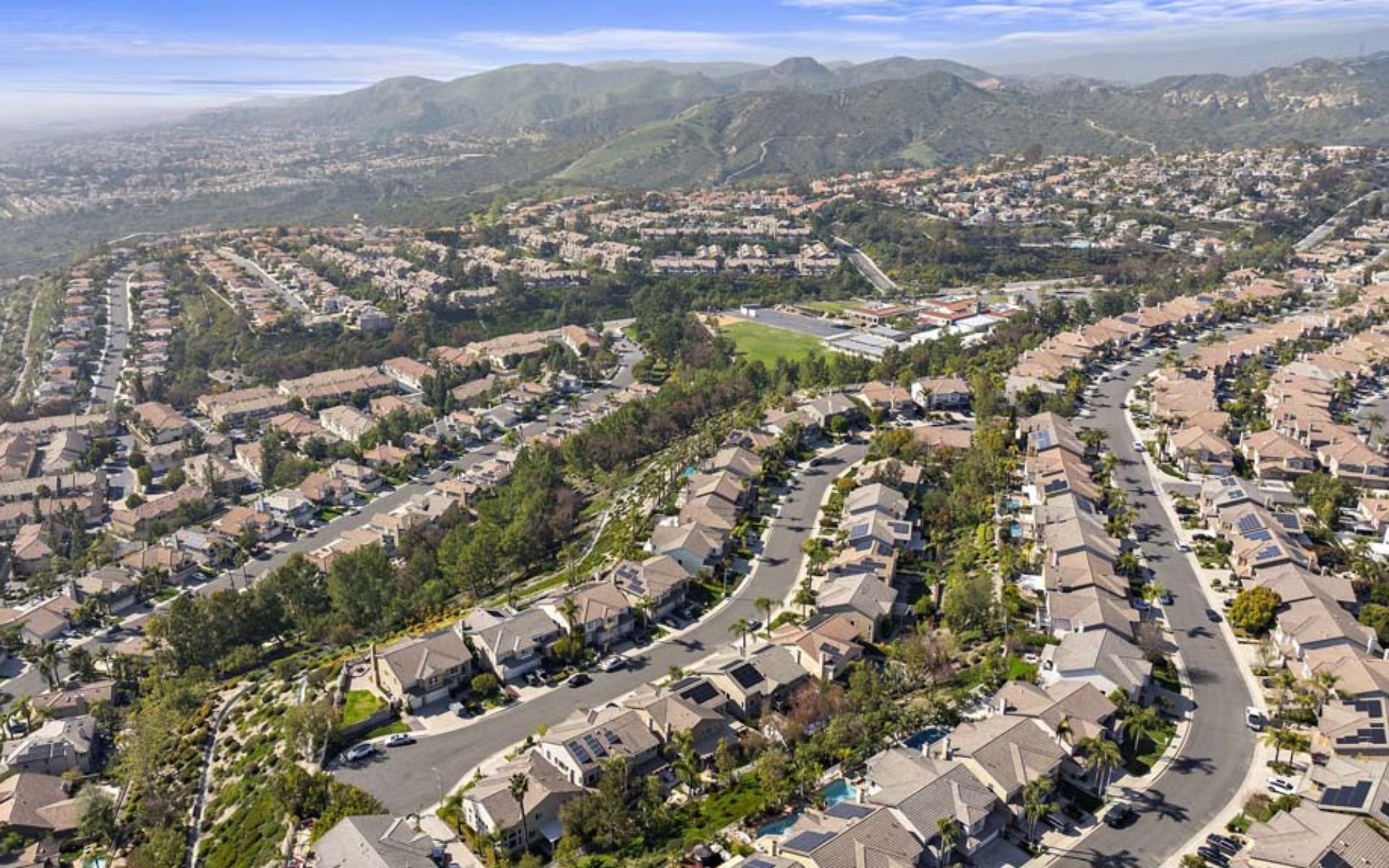
Portola Hills Neighborhoods and Homes: What Buyers Should Know
If you’re comparing Portola Hills neighborhoods and homes, one of the first things to understand is that Portola Hills is not a single subdivision with one type of property. Located on the foothill side of Lake Forest, California, Portola Hills includes established residential neighborhoods along with newer development around Portola Center. Buyers can find detached […]
5 Reasons You’ll Love Living in Portola Hills and 3 Reasons It Might Not Be for You
If you’re considering living in Portola Hills, CA, you’re probably looking for more than a list of homes for sale. You want to know what everyday life actually feels like. Portola Hills sits in the eastern foothill area of Lake Forest in South Orange County, where residential neighborhoods meet hills, open space, trails, and nearby […]
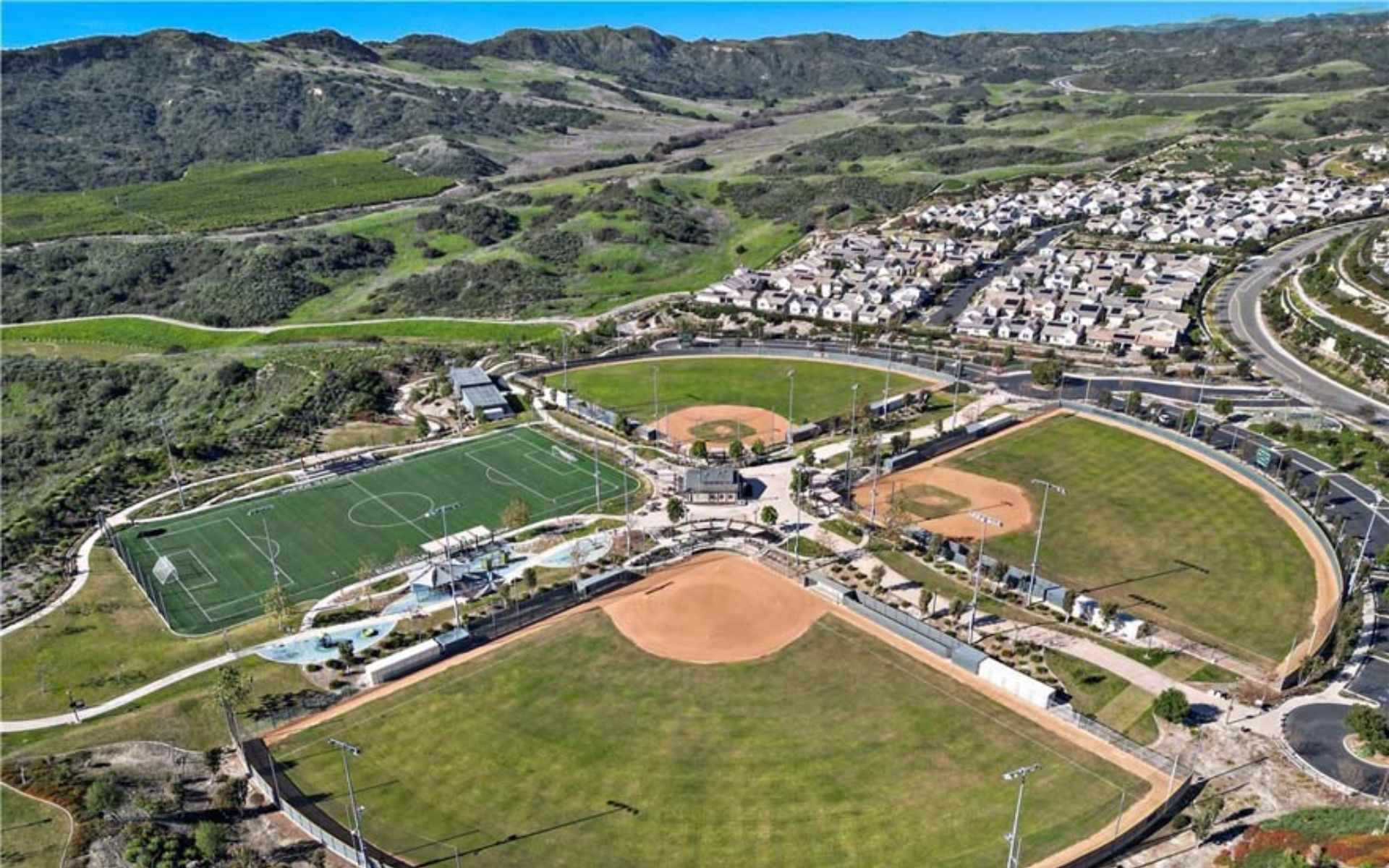
Ladera Ranch Inland Location: Beach and Freeway Access for Home Buyers
If you’re considering buying a home in Ladera Ranch, the Ladera Ranch inland location is an important lifestyle factor to understand before deciding whether the community fits the way you want to live. Ladera Ranch sits in South Orange County near Mission Viejo, Rancho Santa Margarita, Rancho Mission Viejo, and San Juan Capistrano. It offers […]
Join Our Mailing List
Are you interested in buying a home? Look no further than working with real estate experts.
Quick Links
Brokerage Info
25950 Acero., #100
Mission Viejo, CA 92691
DRE 01200533


All information is deemed reliable but not guaranteed and should be independently reviewed and verified.
Powered by Sprout Interactive

