
Historic Downtown San Juan Capistrano: Mission, Los Rios, Dining & Local Life
Downtown San Juan Capistrano is unlike almost any other town center in Orange County.
Instead of being built around a modern shopping district, the heart of the city grew around history.
Mission San Juan Capistrano sits at its center. Across the railroad tracks, Los Rios preserves one of California’s oldest residential environments. Restaurants, cafés, shops, historic buildings, the train station, and newer gathering places are all concentrated within a relatively compact area.
For residents, that creates something unusual in South Orange County:
A downtown that can become part of everyday life.
You can meet someone for coffee, walk through Los Rios, have dinner near the train tracks, visit the Mission, attend a community event, or catch a train without crossing the entire city.
However, living near downtown San Juan Capistrano is different from visiting for an afternoon.
Buyers should also think about visitor activity, parking, events, train noise, lot size, older housing, and how close they actually want to be to the historic core.
Here is what makes downtown San Juan Capistrano distinctive—and what buyers should understand before choosing a home nearby.
Downtown San Juan Capistrano Is Built Around the Mission
It is difficult to understand downtown San Juan Capistrano without starting with Mission San Juan Capistrano.
The Mission was permanently founded on November 1, 1776, as the seventh of California’s 21 Spanish missions. Today, it operates as a historic landmark, museum, chapel, and garden complex.
The site includes:
- Serra Chapel
- The ruins of the Great Stone Church
- Historic exhibits
- Mission gardens
- Original artifacts
- Cultural and educational programming
- Seasonal events
The Mission reports receiving more than 300,000 visitors annually, with some current visitor information citing more than 350,000.
That visitor activity shapes the surrounding downtown.
Restaurants benefit from it.
Shops benefit from it.
Events often center around it.
At the same time, residents living close to downtown may notice more activity during weekends, holidays, school trips, and major community celebrations.
The Mission Marked 250 Years in 2026
Mission San Juan Capistrano officially celebrated its 250th anniversary on November 1, 2026.
The anniversary year included special exhibits, historic bell ringings, cultural programs, concerts, and community events.
For San Juan Capistrano, this was more than a landmark anniversary.
It reinforced how closely the city’s modern identity remains connected to its history.
That connection is especially visible downtown.
Los Rios Gives Downtown San Juan Capistrano Its Historic Character
Walk across the railroad tracks from the downtown core and the atmosphere changes quickly.
The Los Rios Historic District preserves one of the most historically significant residential areas in California.
The district is listed on the National Register of Historic Places, with historic resources dating across several periods of San Juan Capistrano’s development.
Los Rios Street itself dates to the early settlement period of San Juan Capistrano. City historical documents trace the street to the Pueblo established in the 1800s, while structures in the district include adobe homes dating to the 1790s.
Today, the area combines:
- Historic residences
- Adobe structures
- Board-and-batten homes
- Mature trees
- Small businesses
- Restaurants and tea rooms
- Museums
- Gardens
- Pedestrian paths
- Direct access to the train station and downtown
Unlike a recreated heritage district, Los Rios remains connected to actual residential history.
That gives the neighborhood a character that newer master-planned shopping districts cannot easily reproduce.
Los Rios Is Still a Residential Neighborhood
This distinction matters for buyers.
Los Rios is not simply an outdoor shopping center with historic architecture.
Homes remain part of the district.
As a result, the area has a more intimate scale than a typical commercial downtown.
Pedestrians, cyclists, visitors, residents, trains, and occasional equestrian activity all share the environment.
City planning documents describe Los Rios Street as a tree-lined rural-style road where pedestrians, bicyclists, horses, automobiles, and nearby residents interact within the same historic setting.
For someone who loves history and walkability, that can be a major attraction.
However, buyers should not expect Los Rios itself to provide abundant housing inventory.
Properties in and immediately around the historic district are limited and highly individual.
For most buyers, the practical goal is not necessarily to live inside Los Rios.
Instead, it may be to find a home close enough to make Los Rios and downtown part of daily life.
Downtown San Juan Capistrano Has a Different Type of Walkability
San Juan Capistrano is not a fully walkable city.
Many neighborhoods still require a car.
However, the historic core creates one of the city’s most walkable pockets.
Within the broader downtown area, residents and visitors can reach:
- Mission San Juan Capistrano
- Los Rios Historic District
- The train station
- Restaurants
- Coffee shops
- Shops
- Historic buildings
- Community events
- Parks
- River Street Marketplace
That makes central San Juan Capistrano appealing to buyers who want to leave the car parked more often.
Walkability Depends on the Exact Address
Do not assume every property marketed as “near downtown” provides the same walking experience.
Ask:
- How far is the Mission?
- Can you walk to Los Rios safely?
- How long is the walk to the train station?
- Are sidewalks available?
- Do you need to cross a major road?
- How much elevation change is involved?
- Is the route comfortable after dark?
A home that is technically one mile from downtown may feel very different from one several blocks away.
The Train Station Is Part of Downtown—Not Outside It
One of the most distinctive features of downtown San Juan Capistrano is the train station.
The San Juan Capistrano Metrolink station is located at 26701 Verdugo Street, directly within the historic core. It serves both the Orange County Line and Inland Empire–Orange County Line. Amtrak and OCTA connections are also available.
That is very different from cities where the commuter rail station sits in a large parking complex far from restaurants or neighborhoods.
Here, passengers step off the train into the downtown environment.
The Mission is nearby.
Los Rios is across the tracks.
Restaurants and cafés are within walking distance.
The Historic Depot Adds to the Downtown Character
The railroad itself is part of San Juan Capistrano’s history.
Historic records identify the Santa Fe Railroad depot as dating to 1894 and describe it as an important part of the community’s development.
Today, that relationship between rail and downtown remains visible.
In fact, Trevor’s at the Tracks currently operates inside the old San Juan Capistrano train station building at 26701 Verdugo Street.
Few Orange County downtowns combine rail service, preserved architecture, restaurants, historic residences, and a major landmark so closely.
Dining Is a Major Part of Downtown San Juan Capistrano
Downtown has also evolved into a notable dining destination.
The restaurant mix ranges from casual cafés and historic settings to barbecue, contemporary dining, patios, cocktails, and newer food concepts.
Rather than being concentrated in one modern restaurant row, dining is spread across several parts of the historic core.
Trevor’s at the Tracks
Trevor’s at the Tracks occupies the historic station building.
Its location is part of the experience.
Guests eat beside an active railroad environment while remaining within walking distance of Los Rios, the Mission, and other downtown destinations.
For residents, this illustrates one of downtown’s biggest lifestyle advantages:
Dinner does not always require driving to another city or shopping center.
The Tea House on Los Rios
The Tea House on Los Rios adds a very different experience.
Set within the Los Rios environment, it reinforces the district’s small-scale, historic atmosphere rather than functioning like a typical suburban restaurant. The business continues to operate for dining, tea service, and private events.
Heritage Barbecue
Historic downtown is also home to Heritage Barbecue on Camino Capistrano.
The restaurant is recognized by the Michelin Guide for regional barbecue and has become a destination for Central Texas-style smoked meats.
Its presence shows how downtown San Juan Capistrano has expanded beyond purely historic or traditional dining.
The area now mixes heritage with contemporary food culture.
River Street Marketplace Has Added a New Layer to Downtown
One of the biggest recent changes is River Street Marketplace.
Located at 31896 Paseo Adelanto near Los Rios, the development opened in 2024 and was designed to reflect the area’s historic and ranch-oriented character.
The marketplace adds:
- Restaurants
- Casual food concepts
- Boutiques
- Fitness
- Craft drinks
- Outdoor gathering spaces
- Events
- Family-oriented activities
The development is also only a short walk from the San Juan Capistrano train station.
River Street Expands the Everyday Use of Downtown
Historically, some visitors may have come downtown primarily for the Mission or Los Rios.
River Street gives people another reason to stay.
Current dining options include concepts such as Finca, Ubuntu Café, Capo Leisure House, Mendocino Farms, McConnell’s Ice Cream, and several food-hall offerings.
Retail currently includes brands and boutiques ranging from Hobie Surf Shop and Free People to locally oriented specialty retailers.
For nearby residents, this means downtown is becoming useful for more than tourism.
It is increasingly a place for:
- Lunch
- Dinner
- Coffee
- Shopping
- Fitness
- Meeting friends
- Live events
- Family outings
That strengthens the appeal of living nearby.
Historic Architecture Is Part of Everyday Downtown Life
Downtown San Juan Capistrano contains more than one major historic landmark.
The broader historic area includes buildings and sites such as:
- Mission San Juan Capistrano
- Mission Basilica
- Historic adobes
- Capistrano Depot
- Los Rios Historic District
- San Juan Capistrano Library
- Egan House
- Historical Society properties
As a result, historic architecture is not confined to one museum property.
You encounter it while walking to lunch or crossing between neighborhoods.
For buyers who value architectural character, that can make downtown feel more distinctive than newer commercial centers.
Downtown Events Create a Strong Sense of Community
San Juan Capistrano’s major traditions often center around the historic core.
The best-known example is the Swallows Day Parade.
The Fiesta Association describes the event as one of the nation’s largest non-motorized parades, reflecting the city’s long connection with the annual Return of the Swallows tradition.
The 66th annual parade took place on March 21, 2026.
During the event, major downtown streets closed to vehicles and the City provided expanded trolley service for residents and visitors.
Events Are an Advantage—and a Tradeoff
For many residents, community events are part of the appeal.
You can live close to celebrations that other people drive across Orange County to attend.
However, major events can also mean:
- Street closures
- More visitors
- Parking demand
- Noise
- Longer local drive times
If you are considering a home close to the historic core, experience the area during both a quiet weekday and a major event.
You may love the energy.
Or you may prefer living several minutes farther away.
Parking Is Changing in Downtown San Juan Capistrano
Parking deserves attention because downtown continues to attract more visitors, restaurants, businesses, and events.
The City completed a Downtown Parking Study and presented a new Downtown Parking Management Plan to the City Council in June 2026. An implementation plan followed in September 2026, and the City began moving forward with near-term recommendations.
The downtown parking structure at 26732 Verdugo Street currently provides hundreds of public parking spaces with different hourly and all-day options.
River Street Marketplace also operates its own paid parking area.
For residents, this reinforces an important point:
Parking and downtown access are actively managed issues—not something buyers should ignore.
What Is It Like to Live Near Downtown San Juan Capistrano?
Living near downtown can provide a more connected lifestyle.
Instead of leaving your neighborhood for almost every outing, you may be able to incorporate downtown into your regular routine.
That can mean:
Saturday morning: Walk toward Los Rios for coffee.
Afternoon: Browse River Street or visit the Mission.
Evening: Meet friends for dinner near the train station.
Weekend trip: Walk to Metrolink or Amtrak rather than driving north or south first.
For someone who values activity and convenience, that is a meaningful lifestyle advantage.
However, it is not the right fit for everyone.
Homes Near Downtown Can Differ From San Juan Capistrano’s Estate Communities
Buyers sometimes associate San Juan Capistrano mainly with:
- Large estates
- Horse properties
- Hillside homes
- Gated communities
- Golf neighborhoods
Central San Juan Capistrano offers another option.
Depending on the street and subdivision, buyers may encounter:
- Older detached homes
- Condos
- Townhomes
- Smaller residential lots
- Established neighborhoods
- Homes with easier downtown access
That can create a more traditional neighborhood experience.
Smaller Lots May Be a Benefit for Some Buyers
Not everyone wants acreage.
A smaller lot may mean less:
- Landscaping
- Irrigation
- Tree maintenance
- Fencing
- Drainage work
- Exterior upkeep
For a buyer who values downtown access over land, that can be a worthwhile trade.
Older Homes Require Different Due Diligence
Homes in and around the historic core may also be older than properties in newer planned communities.
Therefore, buyers should pay close attention to:
- Roof age
- Plumbing
- Electrical systems
- HVAC
- Sewer lines
- Windows
- Drainage
- Foundation
- Past renovations
- Permits
Older does not automatically mean problematic.
In fact, many buyers prefer established homes with more individual character.
However, condition matters.
Train Proximity Can Be a Benefit or a Drawback
The train station is one of downtown’s strongest advantages.
It can also create noise.
Homes close to the rail corridor may experience:
- Passing trains
- Bells
- Horns
- Station activity
- Pedestrian traffic
Tolerance varies dramatically from one buyer to another.
Therefore, visit the property at several times of day.
Do not evaluate train noise during only one quiet showing.
Visitor Activity Is Highly Location-Specific
The Mission welcomes hundreds of thousands of visitors each year. Downtown restaurants, Los Rios, the train station, events, and River Street bring additional activity.
However, that does not mean every downtown-adjacent street feels busy.
Activity can change within only a few blocks.
One home may be close enough to walk downtown but still feel residential.
Another may sit directly along a frequently used route.
This is why street-level research matters.
Downtown San Juan Capistrano vs. Gated Community Living
For buyers, one useful comparison is downtown versus communities such as Marbella, Rancho Madrina, Pacifica San Juan, or the Hunt Club.
Downtown May Offer:
- Greater walkability
- Mission access
- Restaurants nearby
- Los Rios access
- Train convenience
- Community events
- Historic atmosphere
Gated and Estate Communities May Offer:
- Larger lots
- More privacy
- Controlled access
- Golf surroundings
- Equestrian opportunities
- Larger homes
- Quieter residential streets
Neither is better for everyone.
They represent different versions of living in San Juan Capistrano.
Who Might Love Living Near Downtown San Juan Capistrano?
Downtown may work especially well for buyers who value:
- Historic character
- Walkability
- Restaurants and cafés
- Rail access
- Community events
- Smaller-scale neighborhoods
- Local activity
- Being close to the Mission and Los Rios
It may also appeal to someone downsizing from a larger estate who no longer wants as much land to maintain.
Who Might Prefer Another Part of San Juan Capistrano?
A buyer may prefer a different neighborhood if the priority is:
- Acreage
- Horses
- Maximum privacy
- Guard-gated access
- Large custom homes
- Golf-course living
- Newer construction
- Less visitor activity
In that case, communities such as Marbella, Mission Hills Ranch, Stoneridge, the Hunt Club, Rancho Madrina, Pacifica San Juan, or San Juan Hills may be more appropriate.
Questions to Ask Before Buying Near Downtown San Juan Capistrano
Before purchasing a home, ask:
How walkable is the property really?
Do not rely on the listing description.
Walk the route yourself.
How close is the railroad?
Visit while trains are operating.
What is parking like on weekends?
Check both ordinary weekends and event days.
How much visitor traffic reaches the street?
Mission and restaurant traffic can vary greatly by location.
Is the home historically designated?
Historic properties may involve additional considerations for remodeling or exterior changes.
How old are the home’s major systems?
Inspect plumbing, electrical, sewer, roof, HVAC, and foundation carefully.
Is the property inside an HOA?
Some condos and townhomes may have association obligations even though the broader area feels like a traditional downtown.
What happens during major events?
Ask about street closures, parking, noise, and parade routes.
Downtown San Juan Capistrano FAQ
What is downtown San Juan Capistrano known for?
Downtown is best known for Mission San Juan Capistrano, Los Rios Historic District, the historic train station, restaurants, community events, and its preserved Old California character.
Is downtown San Juan Capistrano walkable?
The historic core is one of the city’s more walkable areas.
The Mission, Los Rios, train station, restaurants, shops, and River Street Marketplace are concentrated relatively close together.
Is Mission San Juan Capistrano downtown?
Yes.
Mission San Juan Capistrano sits at the heart of the historic downtown area.
When was Mission San Juan Capistrano founded?
The Mission was permanently founded on November 1, 1776, as the seventh of California’s 21 Spanish missions.
What is Los Rios Historic District?
Los Rios is a historic residential district across the railroad tracks from downtown. It contains historic adobe and wood-frame structures and is listed on the National Register of Historic Places.
Is Los Rios still residential?
Yes.
Although parts of the district now contain restaurants, shops, and visitor destinations, it retains residential properties and historic homes.
Does San Juan Capistrano have a downtown train station?
Yes.
The Metrolink station is located at 26701 Verdugo Street in the historic downtown. It serves the Orange County and Inland Empire–Orange County lines, with Amtrak and OCTA connections available.
Does downtown San Juan Capistrano have restaurants?
Yes.
Downtown offers a wide range of restaurants and cafés, including dining near the train station, Los Rios, Camino Capistrano, and River Street Marketplace.
What is River Street Marketplace?
River Street Marketplace is a newer dining, shopping, wellness, and gathering destination near the Los Rios Historic District. It opened in 2024 and is within walking distance of the train station.
Is parking available downtown?
Yes.
Downtown includes public lots and a multi-level parking structure at 26732 Verdugo Street. River Street Marketplace also has on-site paid parking.
Is downtown busy?
Activity varies.
Weekends, Mission events, restaurant periods, and major community celebrations can bring more visitors than ordinary weekdays.
Is it noisy near the train station?
Some nearby properties may experience train noise, bells, horns, and station activity.
Buyers should visit at different times before purchasing.
Are there homes near downtown San Juan Capistrano?
Yes.
Housing near the historic center includes detached homes, condos, townhomes, and established residential neighborhoods.
Is downtown better than Marbella or Hunt Club?
It depends on lifestyle.
Downtown offers greater walkability, dining, historic character, and train access.
Marbella or Hunt Club may offer larger homes, gates, privacy, golf, or estate-style living.
Is Downtown San Juan Capistrano Right for You?
The appeal of downtown San Juan Capistrano goes beyond having restaurants nearby.
It is the combination that makes the area distinctive.
You have a 250-year-old Mission.
You have Los Rios and its preserved residential history.
You have an active train station inside the historic core.
You have restaurants, cafés, shops, community traditions, newer destinations such as River Street Marketplace, and neighborhoods close enough to make those places part of everyday life.
However, buyers should also consider:
- Visitor activity
- Event traffic
- Parking
- Train noise
- Home age
- Lot size
- Historic-property restrictions
- Walkability from the specific address
- Maintenance
- HOA obligations
- Commute needs
For the right buyer, downtown offers one of the most distinctive lifestyles in South Orange County.
For another buyer, a gated, equestrian, golf, hillside, or newer planned community may be a better fit.
The key is understanding how you want San Juan Capistrano to function in your everyday life—not simply choosing a home because the address is close to downtown.
Explore More About Living in San Juan Capistrano
Explore the Living in San Juan Capistrano guide
Explore the San Juan Capistrano Neighborhoods & Homes guide
Explore the Living in San Clemente guide
Explore the Living in Dana Point guide
Recent Updates
San Juan Capistrano Neighborhoods & Homes: Marbella, Mission Hills, Stoneridge & More
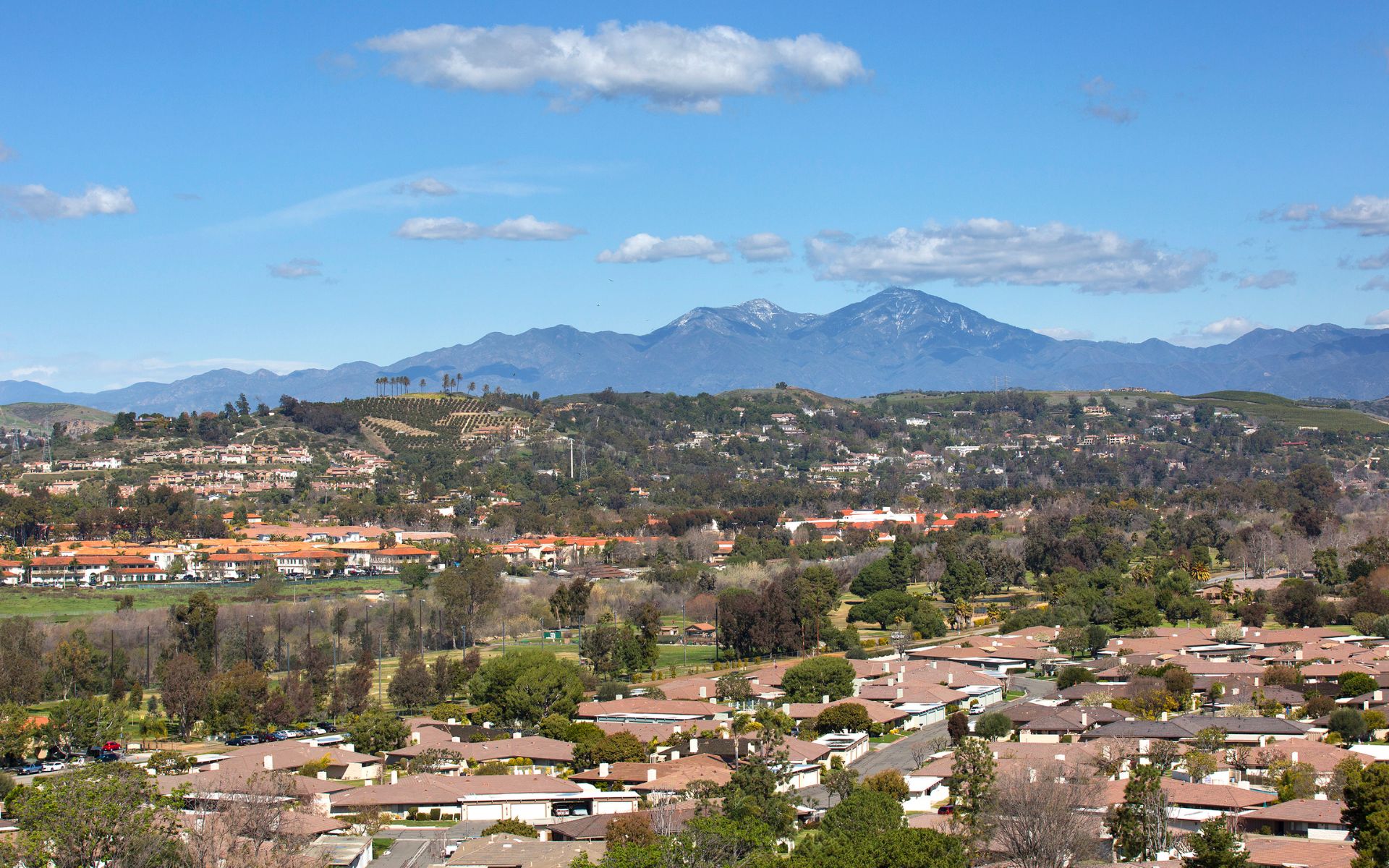
San Juan Capistrano neighborhoods offer one of the widest ranges of residential lifestyles in South Orange County. Within the same city, buyers can find: Guard-gated golf communities Equestrian neighborhoods Custom estates Larger-lot homes Newer master-planned communities Hillside properties Condos and townhomes 55+ communities Homes near historic downtown Properties with ocean, Harbor, golf-course, canyon, or hill […]
Living in San Juan Capistrano, CA: 5 Reasons You’ll Love It & 3 Reasons It Might Not Be for You
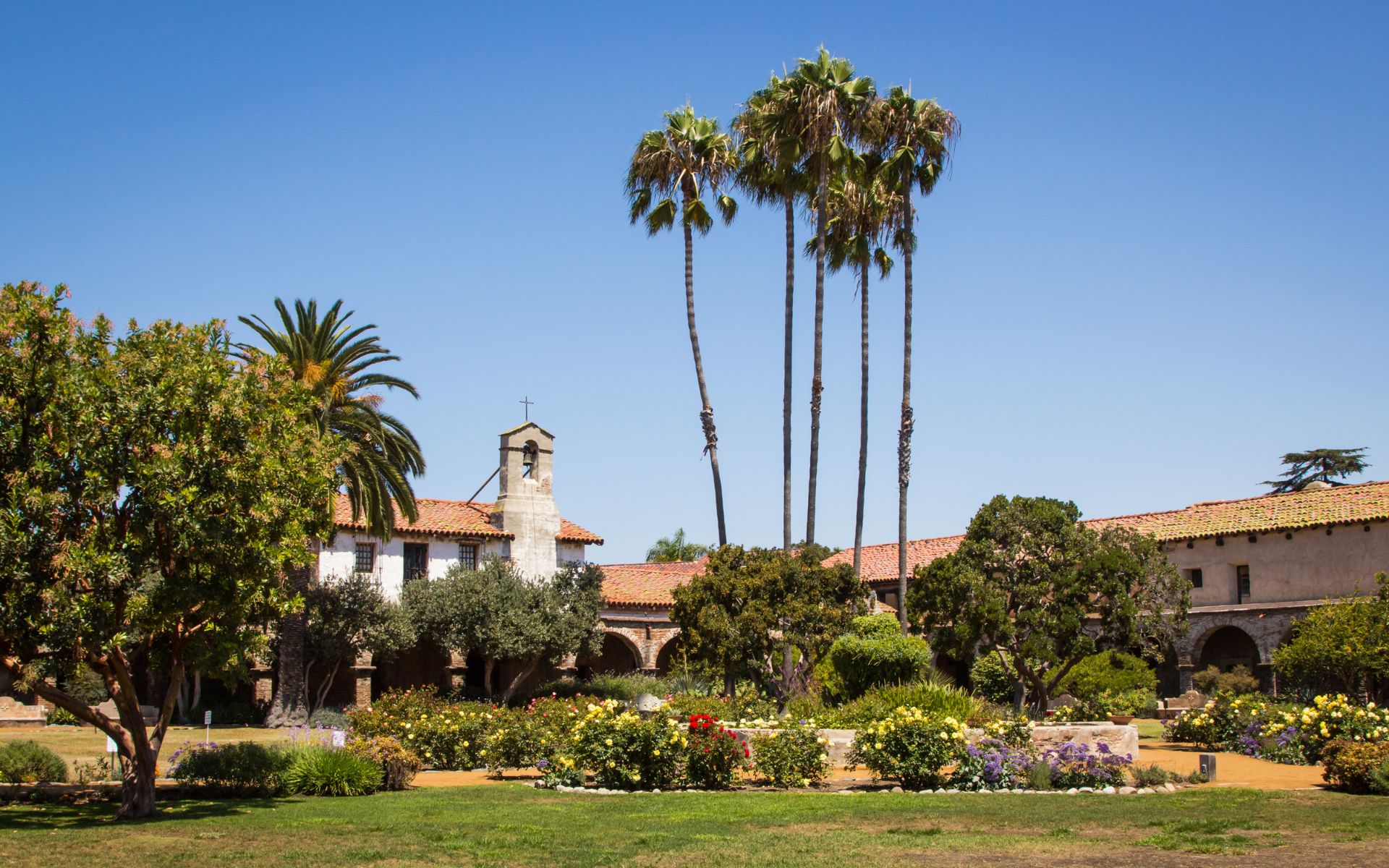
Living in San Juan Capistrano, CA offers a version of South Orange County that feels distinctly different from the beach cities just a few miles away. Instead of being defined primarily by the coastline, San Juan Capistrano blends California history, equestrian culture, open space, trails, larger residential properties, gated communities, a walkable historic downtown, and […]
Dana Point Coastal Homes: Bluffs, Erosion, Salt Air & Buyer Considerations
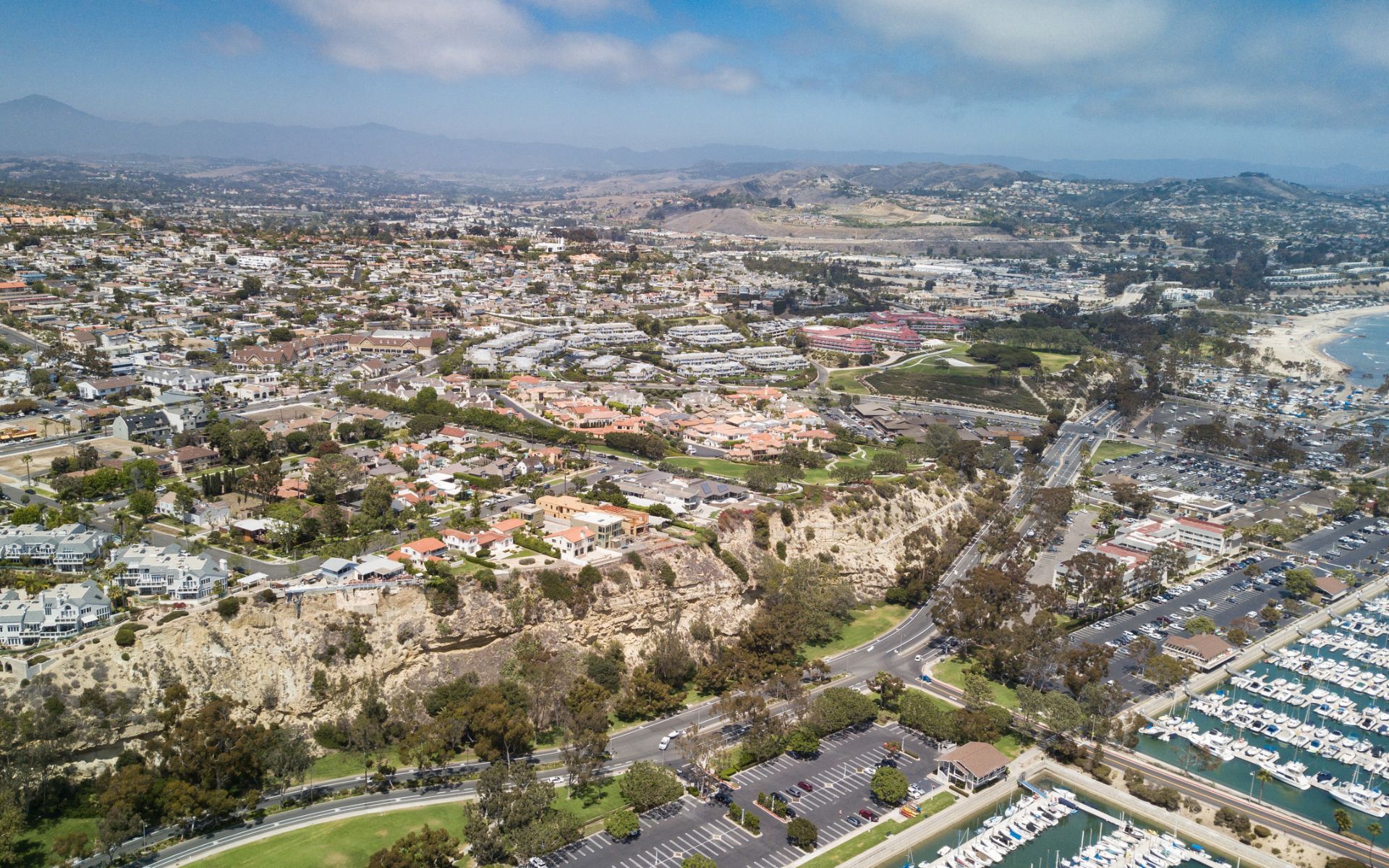
Dana Point coastal homes offer some of the most appealing settings in South Orange County—from ocean-view properties above the Headlands and Strands to gated communities near Salt Creek, older hillside homes in Lantern Village, and residences stretching south through Capistrano Beach. But buying near the Pacific also means looking beyond the view. Coastal properties can […]
Join Our Mailing List
Are you interested in buying a home? Look no further than working with real estate experts.
Quick Links
Brokerage Info
25950 Acero., #100
Mission Viejo, CA 92691
DRE 01200533


All information is deemed reliable but not guaranteed and should be independently reviewed and verified.
Powered by Sprout Interactive

