
5 Reasons You’ll Love Living in San Clemente and 3 Reasons It Might Not Be for You
If you’re considering living in San Clemente, CA, you’re probably looking for more than homes for sale and ocean-view listing photos.
You want to know what everyday life actually feels like.
San Clemente sits at the southern end of Orange County, where residential neighborhoods climb coastal hills above the Pacific Ocean. The city combines beaches and surf culture with the San Clemente Pier, Avenida Del Mar, coastal trails, neighborhood parks, I-5 access, and residential areas ranging from established coastal streets to communities such as Talega, Forster Ranch, Rancho San Clemente, and Marblehead. Brent & Marisa Whitaker describe San Clemente as the “Spanish Village by the Sea,” with Spanish-influenced architecture and surfing forming important parts of the city’s identity.
For some buyers, that combination of coastal living, beaches, neighborhood variety, outdoor recreation, and access between Orange County and San Diego County is exactly what they want.
For others, the cost of coastal real estate, beach parking and seasonal activity, or the additional considerations that can come with owning property near the coast may be meaningful tradeoffs.
Here are 5 reasons you may love living in San Clemente and 3 reasons it might not be the right fit for you.
5 Reasons You’ll Love Living in San Clemente
1. Beaches and Surfing Are Part of Everyday San Clemente Life
The beach is not simply a weekend destination in San Clemente. It is part of the city’s geography and identity.
The City of San Clemente maintains numerous coastal access points, including North Beach, the San Clemente Pier, T-Street, Linda Lane, Calafia, Corto Lane, El Portal, Lasuen, Mariposa, and Riviera. Those beaches differ in parking, accessibility, facilities, and how residents may use them.
The Pier area combines beach access with concessions, restrooms, metered parking, rail service, and direct proximity to Avenida Del Mar. North Beach also provides beach access beside a rail station, while T-Street is another well-known coastal access point with concessions, parking, and other amenities.
Farther south, San Clemente State Beach adds a mile-long beach below sandstone cliffs, while nearby San Onofre State Beach includes internationally recognized surfing areas such as Trestles, Old Man’s, Dogpatch, and other breaks. California State Parks describes Trestles as a world-class surf location.
The important point for buyers is that “close to the beach” can mean very different things depending on the property.
A home near the Pier may offer a completely different coastal routine from a property farther inland in Talega or Forster Ranch.
Coming next: San Clemente Beaches & Surfing: Pier, T-Street, North Beach & More
2. San Clemente Offers Very Different Neighborhood and Home Choices
One of the advantages of living in San Clemente is that the housing search does not revolve around one uniform neighborhood type.
Buyers may encounter coastal condos, older homes near downtown, hillside properties with ocean or canyon outlooks, established neighborhoods, gated communities, and larger planned residential areas.
Among the San Clemente neighborhoods commonly identified in current real estate data are Talega, Forster Ranch, Rancho San Clemente, Marblehead Inland, Marblehead Coastal, The Reserve, Forster Highlands, Mariners Point, Highland Light, and other smaller communities.
That variety matters because a buyer prioritizing proximity to the Pier and Avenida Del Mar may search very differently from someone who prioritizes a larger home, newer construction, community amenities, hillside views, or easier access to the eastern side of the city.
Even two homes with the same San Clemente ZIP code can provide very different experiences in terms of:
location, elevation, beach access, HOA structure, lot size, ocean views, parking, commute, architecture, and neighborhood amenities.
That is why San Clemente is best evaluated neighborhood by neighborhood and property by property, rather than as one coastal real estate market.
Coming next: San Clemente Neighborhoods & Homes: What Buyers Should Know
3. Avenida Del Mar, the Pier and Downtown Create a Distinct Coastal Center
San Clemente has something many suburban South Orange County communities do not: a recognizable coastal center that connects downtown activity with the beach.
Avenida Del Mar leads toward the Pier area, where the City lists the San Clemente Pier at 622 Avenida Del Mar. The Pier itself combines beach access, dining, concessions, fishing, parking, and rail access in one coastal location.
For residents, the broader downtown and Pier area can provide access to:
restaurants, cafés, local businesses, shopping, services, the beach, Parque Del Mar, the coastal rail corridor, and neighborhood streets within a relatively compact part of the city.
This is particularly important when comparing San Clemente with more car-dependent master-planned communities farther inland.
Not every San Clemente neighborhood is walkable to Avenida Del Mar, and buyers should not assume that simply having a San Clemente address means they can walk downtown.
But for properties positioned around central San Clemente and the Pier, proximity to dining, shopping, and the coast can be a major lifestyle advantage.
Coming next: Downtown San Clemente & Avenida Del Mar: Shopping, Dining & Coastal Living
4. Parks, Trails and Outdoor Recreation Extend Beyond the Beach
San Clemente’s outdoor lifestyle is not limited to surfing.
The city maintains parks throughout the community, including Linda Lane Park, Parque Del Mar, Rancho San Clemente Park, San Gorgonio Park, Marblehead Park, Pico Park, Richard T. Steed Memorial Park, and others. Amenities vary by park and can include playgrounds, sports fields, pickleball, tennis, basketball, picnic areas, ocean views, and beach access.
The coastal environment also supports walking, running, cycling, and beach-oriented recreation.
California State Parks notes that the City maintains the Beach Trail along Calafia State Beach, while San Clemente State Beach and nearby San Onofre add hiking, camping, surfing, swimming, and other outdoor opportunities.
This gives buyers multiple versions of an outdoor lifestyle.
One person may want morning walks near the Pier.
Another may prioritize surfing.
Another may prefer neighborhood parks, ridgeline trails, cycling, or larger sports facilities farther inland.
Where you live within San Clemente can determine which of those activities feels genuinely convenient.
Coming next: San Clemente Parks & Trails: Beach Trail, Parks & Outdoor Recreation
5. San Clemente Has a Strategic South Orange County Location
San Clemente occupies a distinctive position at the southern end of Orange County.
For drivers, Interstate 5 is the primary regional corridor, connecting the city north toward Dana Point, San Juan Capistrano, Mission Viejo and Irvine and south toward Oceanside and San Diego County.
San Clemente also has something many South Orange County communities do not: direct passenger rail access.
Current Metrolink service includes both San Clemente and San Clemente Pier stations on the Orange County corridor. Current schedules show rail connections toward San Juan Capistrano, Laguna Niguel/Mission Viejo, Irvine, Santa Ana, Anaheim and Los Angeles, as well as south toward Oceanside. Service schedules vary, so commuters should always verify current operations before making rail part of a regular routine.
That combination of I-5 + rail + coastal location gives San Clemente a transportation profile that differs significantly from inland communities such as Ladera Ranch, Rancho Santa Margarita, or Portola Hills.
But location within San Clemente still matters.
A home near Avenida Pico may provide a different I-5 experience from a property deeper within Talega, Forster Ranch, or a hillside neighborhood.
Coming next: San Clemente Location & Commute: I-5, Metrolink, Irvine & San Diego Access
3 Reasons San Clemente Might Not Be for You
1. Coastal Living Can Come With a Higher Price Tag
Living near the Pacific Ocean is one of San Clemente’s greatest attractions, but buyers should expect the coastal location to influence housing costs.
Home prices can vary significantly depending on neighborhood, property type, ocean view, beach proximity, lot size, age, condition, and community amenities.
Current 2026 market data also shows meaningful price differences among areas such as Talega, Forster Ranch, Marblehead Inland, Rancho San Clemente, and the 92672 and 92673 ZIP codes.
The purchase price is only part of the equation.
Depending on the property, buyers may also need to evaluate HOA dues, insurance, property taxes, possible special assessments, maintenance, coastal exposure, older-home improvements, or additional costs associated with view-oriented and bluff-adjacent properties.
San Clemente can still be the right choice. Buyers simply need to compare the complete cost of ownership, not just the listing price.
Coming next: San Clemente Home Prices & Coastal Living Costs: What Buyers Should Budget For
2. Popular Beaches Can Mean Parking, Visitors and Seasonal Activity
Living close to a popular beach is convenient when you want to use it.
It can feel different when everyone else wants to use it too.
The City lists metered parking at the Pier, North Beach, T-Street, and Linda Lane, which reflects how parking is managed around some of San Clemente’s most heavily used coastal access points.
A home near the coast may experience different conditions depending on:
weekends, summer beach demand, surf conditions, holidays, downtown events, train activity, and the specific street.
This does not mean every coastal neighborhood is constantly crowded.
It means buyers who are considering a home because it is close to the beach should visit that property under different conditions, not only during a quiet weekday showing.
A neighborhood five minutes from the sand can offer an entirely different daily experience from a hillside or inland San Clemente neighborhood.
Coming next: San Clemente Parking, Beach Crowds & Summer Traffic: What Residents Should Know
3. Coastal Homes Can Require Additional Property Research
The ocean is one of San Clemente’s biggest advantages, but coastal real estate can introduce considerations that buyers farther inland may encounter less often.
Depending on the property, buyers may want to investigate:
bluff or slope conditions, drainage, salt-air exposure, corrosion, exterior maintenance, insurance, coastal development rules, shoreline conditions, and the long-term relationship between the property and surrounding terrain.
This does not mean every San Clemente home faces coastal erosion or bluff concerns.
A Talega property several miles inland should not be evaluated the same way as a home positioned near a coastal bluff.
Even along the broader San Clemente coast, conditions are highly property-specific.
Nearby San Onofre demonstrates why shoreline conditions deserve ongoing attention: California State Parks reported restrictions and repairs in October 2026 after high tides, heavy surf, and coastal erosion damaged portions of the park. That event should not be applied to every San Clemente property, but it illustrates why coastal due diligence matters.
Coming next: San Clemente Coastal Homes: Erosion, Bluffs, Salt Air & Buyer Considerations
So, Is Living in San Clemente Right for You?
San Clemente may deserve a closer look if you want the Pacific Ocean to play a meaningful role in your lifestyle, enjoy access to beaches and outdoor recreation, like having a recognizable downtown and Pier area, want different neighborhood and housing choices, or value being positioned along I-5 between Orange County and northern San Diego County.
It may be less appealing if your priorities are minimizing housing costs, avoiding seasonal beach activity, living far from the coast, or keeping property maintenance and coastal due diligence as simple as possible.
The most important thing is not deciding whether San Clemente is objectively “better” than another South Orange County community.
It is understanding which part of San Clemente fits the way you actually want to live.
A home near the Pier provides a different lifestyle from Talega.
Forster Ranch differs from Rancho San Clemente.
A hillside ocean-view property creates different considerations from a downtown condo.
That variation is exactly why buyers should evaluate San Clemente at the neighborhood and property level.
Living in San Clemente FAQ
Where is San Clemente, California?
San Clemente is a coastal city at the southern end of Orange County, positioned along Interstate 5 between the rest of South Orange County and northern San Diego County. Brent & Marisa Whitaker’s San Clemente neighborhood guide describes it as the southernmost city in Orange County.
What beaches are in San Clemente?
The City identifies numerous beach access points, including North Beach, San Clemente Pier, T-Street, Linda Lane, Calafia, Corto Lane, El Portal, Lasuen, Mariposa, and Riviera. San Clemente State Beach is also located within the city.
Is San Onofre in San Clemente?
San Onofre State Beach sits immediately south of the city. California State Parks describes the beach as approximately three miles south of San Clemente along I-5, with the San Mateo Campground located on the outer edge of San Clemente.
What are some San Clemente neighborhoods?
Commonly recognized San Clemente areas include Talega, Forster Ranch, Rancho San Clemente, Marblehead Inland, Marblehead Coastal, The Reserve, Forster Highlands, Mariners Point, and Highland Light, among others.
Is San Clemente walkable?
It depends heavily on the neighborhood. Areas near Avenida Del Mar, the Pier, beach access points, and central San Clemente can offer more opportunities to combine walking with dining, shopping, and beach access. Many hillside, planned, and inland neighborhoods remain more car-oriented.
Does San Clemente have train service?
Yes. Metrolink currently serves both San Clemente and San Clemente Pier, with Orange County Line connections north and service toward Oceanside to the south. Current schedules should always be checked because service patterns can change.
Is San Clemente good for surfing?
Surfing is a major part of the local coastal culture. In addition to city beaches such as T-Street, nearby San Onofre State Beach includes internationally recognized surf areas, including Trestles.
Does San Clemente have parks besides the beach?
Yes. City parks include Linda Lane Park, Parque Del Mar, Rancho San Clemente Park, San Gorgonio Park, Marblehead Park, Pico Park, Richard T. Steed Memorial Park, and many others with varying recreation amenities.
Is San Clemente expensive?
San Clemente is a coastal Orange County real estate market, and housing costs vary considerably by neighborhood and property type. Current 2026 market data shows substantial differences among Talega, Forster Ranch, Marblehead Inland, Rancho San Clemente, and the city’s ZIP codes, making neighborhood-level comparison more useful than relying on one citywide number.
Is living near the San Clemente Pier different from living inland?
Yes. A Pier or downtown-adjacent property may provide easier access to the beach, Avenida Del Mar, dining, and rail service, but may also experience different parking and visitor patterns. Inland and hillside neighborhoods can offer different home styles, views, amenities, road access, and levels of separation from beach activity.
Explore San Clemente in More Detail
This guide is the starting point for the complete Living in San Clemente series.
The detailed guides will take a closer look at San Clemente beaches and surfing, neighborhoods and homes, Avenida Del Mar and downtown, parks and trails, commute and transportation, housing costs, beach parking and seasonal activity, and coastal-property considerations.
Buyers can also explore San Clemente real estate and neighborhood guide for additional community and housing information.
Is Living in San Clemente Right for You?
San Clemente offers something that is difficult to duplicate farther inland: a residential community where beaches, surfing, the Pier, Avenida Del Mar, coastal trails, Spanish-influenced architecture, hillside neighborhoods, I-5, and passenger rail all intersect.
But the experience depends heavily on where you live.
The right San Clemente home is not simply the one closest to the ocean or the one with the best view.
It is the property that gives you the right combination of neighborhood, beach access, housing type, commute, parking, amenities, ownership costs, views, and everyday lifestyle.
Recent Updates
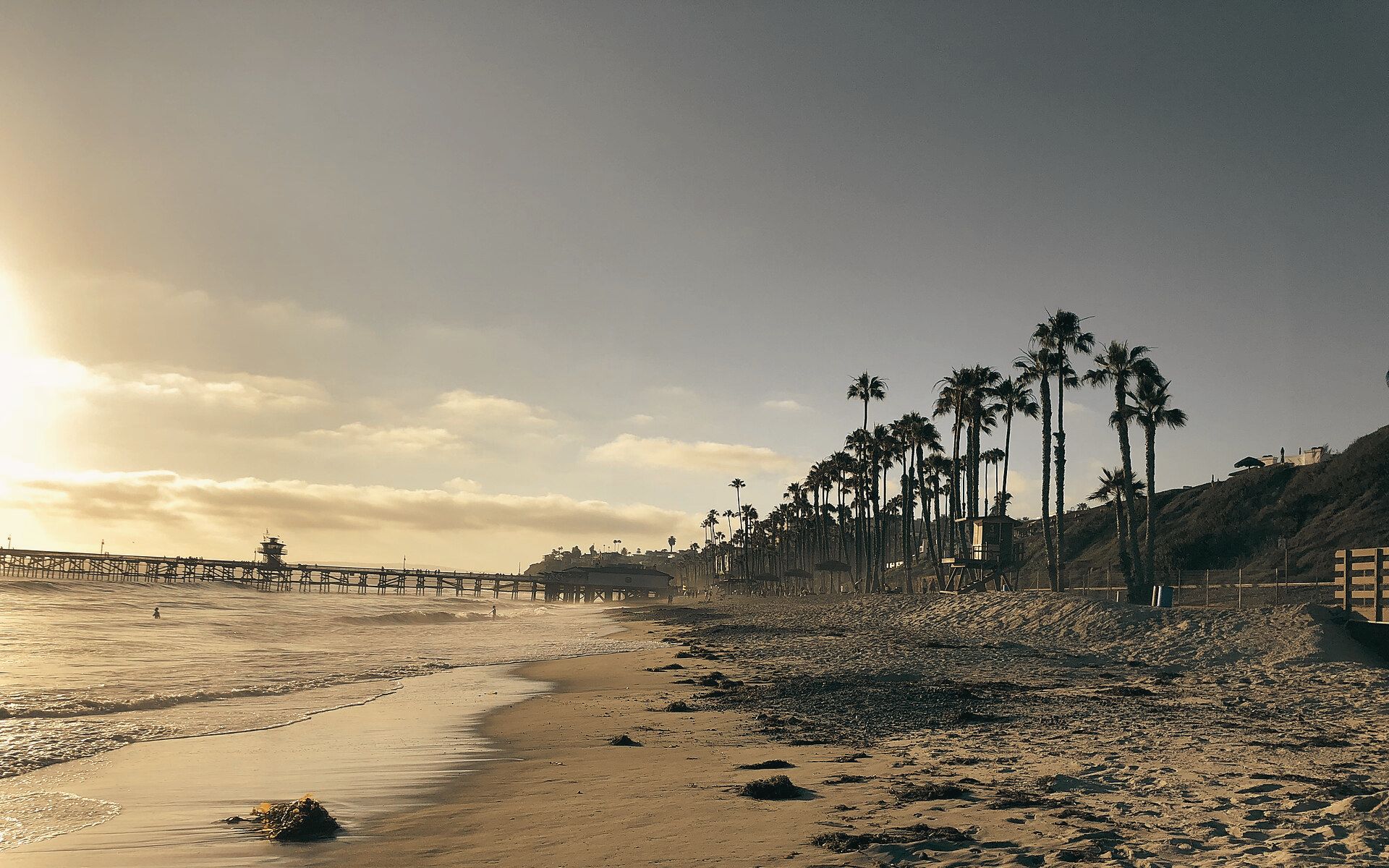
San Clemente Beaches & Surfing: Pier, T-Street, North Beach & More
For buyers considering living in San Clemente, California, the coastline is much more than a scenic backdrop. San Clemente beaches and surfing are woven into the city’s neighborhoods, recreation, local identity, and everyday lifestyle. From North Beach and the San Clemente Pier to T-Street, Linda Lane, Calafia, San Clemente State Beach, and the legendary surf […]
Portola Hills Inland Location: Freeway & Beach Access Tradeoffs
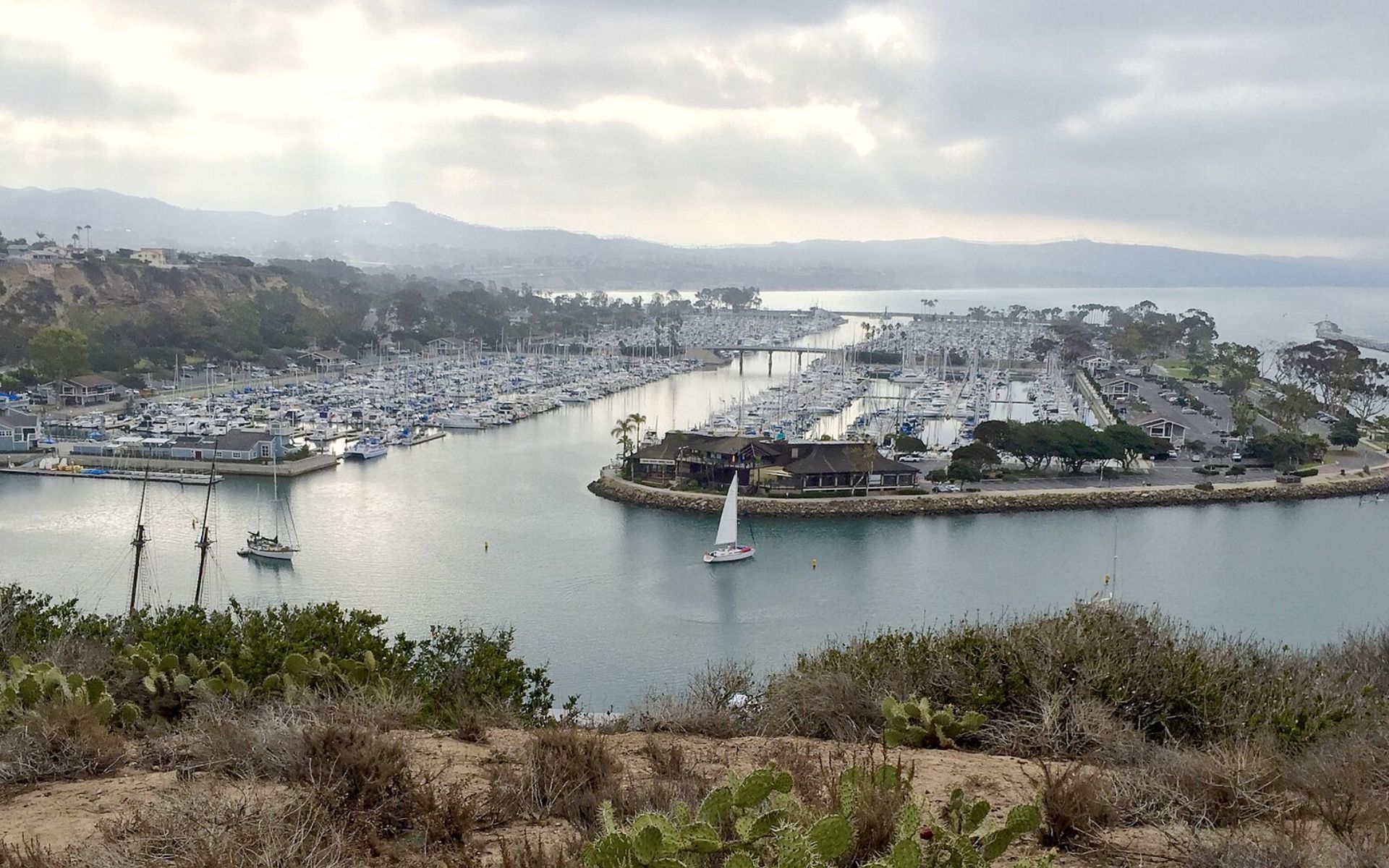
For buyers considering eastern Lake Forest, the Portola Hills inland location can be either an advantage or a tradeoff depending on how often you expect to use Interstate 5, visit the coast, or travel throughout South Orange County. Portola Hills sits in the foothills of Lake Forest, California, near Whiting Ranch Wilderness Park, Portola Center, […]

Portola Hills Fire Risk & Home Insurance: What Buyers Should Research
For buyers considering the foothill side of Lake Forest, Portola Hills fire risk and home insurance deserve the same careful attention as the home itself, the HOA, the view, and the commute. Portola Hills sits near hills, open space, vegetation, and Whiting Ranch Wilderness Park. Those natural surroundings are a major part of the community’s […]
Join Our Mailing List
Are you interested in buying a home? Look no further than working with real estate experts.
Quick Links
Brokerage Info
25950 Acero., #100
Mission Viejo, CA 92691
DRE 01200533


All information is deemed reliable but not guaranteed and should be independently reviewed and verified.
Powered by Sprout Interactive

