
San Clemente Parks & Trails: Beach Trail, Ridgelines & Outdoor Recreation
San Clemente parks and trails are a major part of the city’s outdoor lifestyle, extending from the Pacific coastline to inland ridgelines, canyons, neighborhood parks, and open space.
When people think about outdoor recreation in San Clemente, the beach usually comes first.
But San Clemente parks and trails extend well beyond the shoreline.
The city has trail systems that climb ridgelines above Forster Ranch and Rancho San Clemente, connect with open space near Talega, cross the coastal bluffs around Marblehead, and follow the Pacific between North Beach and Calafia. Neighborhood parks add playgrounds, sports fields, walking loops, tennis and basketball courts, ocean views, picnic areas, and other recreation throughout the city.
The City of San Clemente describes five major trail networks spanning the city from the beach to the canyons and along the ridgelines, creating outdoor options that can feel very different depending on where you live.
For buyers, that matters.
A home near Sea Summit offers a different outdoor routine from one in Forster Ranch, Rancho San Clemente, Talega, Marblehead, or near the San Clemente Beach Trail.
Here is what buyers should know about San Clemente parks, trails, hiking, recreation, and neighborhood access.
San Clemente Parks and Trails at a Glance
San Clemente’s outdoor recreation system includes coastal walking, neighborhood parks, sports facilities, natural-surface ridgeline trails, paved trails, canyon routes, and connections toward larger regional trail systems.
The City allows bicycles on its trails, although e-bikes are prohibited on the Beach Trail. Dogs are allowed on trails when leashed, while horses are permitted on the Forster Ridgeline, Prima Deshecha, and Cristianitos trails.
That variety means “close to a trail” can describe very different lifestyles.
For one buyer, it may mean walking along the Pacific before work.
For another, it may mean leaving the neighborhood and climbing a dirt ridgeline with views across San Clemente.
For someone else, it may mean having a park, soccer field, playground, or jogging loop a few streets from home.
San Clemente Beach Trail: The City’s Coastal Connector
The San Clemente Beach Trail is the city’s best-known recreational trail.
It stretches approximately 2.3 miles from North Beach to Calafia Beach, passing the San Clemente Pier and T-Street along the way. The trail is popular with walkers, joggers, pedal cyclists, and dog owners.
Unlike San Clemente’s inland ridgeline trails, the Beach Trail is relatively flat and places users directly beside the coastline.
From different sections of the trail, residents can access or pass areas around:
North Beach, Mariposa, Linda Lane, the Pier, T-Street, and Calafia.
That makes it especially valuable for buyers who want their everyday exercise routine to revolve around the coast.
Can You Bike the San Clemente Beach Trail?
Traditional pedal bicycles are permitted, but cyclists must yield to pedestrians and walk their bikes in marked areas. The City currently limits trail speeds to under 10 mph.
E-bikes and other motorized devices are not permitted on the Beach Trail.
That distinction is worth knowing if cycling is part of your routine.
San Clemente has other routes where bicycles are allowed, but the Beach Trail operates under more restrictive rules because of the high volume of pedestrians and the narrow coastal setting.
Are Dogs Allowed on the San Clemente Beach Trail?
Yes, dogs are allowed on the Beach Trail when kept on a leash six feet or shorter.
Dogs are not permitted on the beach itself, so someone walking a dog along the trail should not assume that trail access also means beach access.
Current San Clemente Beach Trail Update for October 2026
There has been an important recent change to the trail.
The Mariposa Point section reopened on October 9, 2026, following completion of OCTA’s coastal rail emergency project. The work included a nearly 1,400-foot catchment wall, reconstruction of the Beach Trail, and new landscaping after a landslide had interrupted the connection.
As of late October 2026, Metrolink crews are also replacing the Pedestrian Audible Warning System at Beach Trail railroad crossings. The City lists that work from September 28 through November 4, 2026, with beach access remaining open during construction.
Anyone using the trail should check current City and OCTA notices because coastal and rail conditions can change.
Sea Summit at Marblehead Trail: Coastal Bluff Recreation
For buyers comparing Marblehead and North San Clemente, the Sea Summit at Marblehead Trail is one of the most recognizable local outdoor features.
The City identifies access near 560 W. Avenida Vista Hermosa, with public parking available at the nearby Jim Johnson Memorial Sports Park. North Beach can also be used as a coastal-side access point via Avenida Estacion.
The trail setting is different from the Beach Trail.
Instead of walking almost at sea level beside the railroad and sand, the Sea Summit system places residents along coastal bluffs and open space above the shoreline.
That can create a stronger combination of ocean views, landscaped trails, bluff-top recreation, and neighborhood access.
For home buyers around Marblehead Coastal or Sea Summit, trail proximity can therefore be a genuine lifestyle feature rather than simply something nearby on a map.
Forster Ranch Ridgeline Trail: Hills, Open Space and Ocean Views
The Forster Ranch Ridgeline Trail provides a completely different San Clemente trail experience.
The City describes it as a 3.2-mile trail following the crest of the hills along the south and east sides of Forster Ranch. The trail has several steep sections, a natural surface, and large stretches surrounded by open space.
Because of its ridgeline location, the trail provides views across San Clemente’s inland development with the Pacific Ocean beyond.
The eastern side borders native coastal chaparral associated with the Mission Viejo Land Conservancy, adding a more open and natural feel than the developed coastal trail system.
The City also notes three designated viewpoints along the route.
For buyers considering Forster Ranch homes, this is one reason the neighborhood should not be evaluated only by commute distance or house style.
Depending on the property, access to ridgeline hiking and nearby open space may become part of everyday life.
Is the Forster Ranch Ridgeline Trail Difficult?
It can be more demanding than the Beach Trail.
The trail follows the crest of the hills, which means users encounter a number of steep sections and natural terrain.
That may appeal to someone who wants hiking, running, elevation, and outdoor exercise.
Someone looking primarily for a flat walking loop may prefer one of San Clemente’s parks or the coastal trail instead.
This is a good example of why buyers should think about what kind of trail access they actually want, not simply whether a neighborhood has trails nearby.
Rancho San Clemente Ridgeline Trail: Wide Coastal and Mountain Views
The Rancho San Clemente Ridgeline Trail is another major inland route.
The City describes it as a 3.5-mile trail for pedestrians, bicycles, and leashed dogs, with views extending along the coastline from the Dana Point Headlands toward San Diego County as well as inland hills, valleys, and mountains.
The trail surface is primarily asphalt with some natural-soil sections.
There are several steeper grades, but much of the trail consists of longer, more gradual slopes. The City identifies six trail entrances, with parking available near three of them.
For Rancho San Clemente buyers, the combination of elevation and trail access helps explain why this neighborhood can feel so different from the Pier Bowl or downtown.
Outdoor recreation here is less about walking to restaurants or the beach and more about ridgeline views, hillside exercise, and an elevated residential setting.
Cristianitos Regional Trail and the San Clemente Summit
Buyers who want a more demanding inland trail experience should know about the Cristianitos Regional Trail.
The trail follows the back edge of San Clemente behind Talega near the Camp Pendleton and Mission Viejo Conservancy boundaries.
The City describes it as one of the more serious hiking environments in coastal Orange County, with a graded route that can involve significant climbing depending on where you start. The trail is open to hikers, bicycles, and horses.
One of its most notable features is the San Clemente Summit.
At approximately 1,008 feet, the Summit is the highest point in San Clemente and sits on the northern portion of the Cristianitos Trail near the Avenida Talega access area.
From this inland edge of the city, the terrain feels much more like open South Orange County backcountry than coastal downtown San Clemente.
That is a major lifestyle distinction for buyers considering Talega.
Prima Deshecha Regional Trail
The Prima Deshecha Regional Trail begins in the same broader inland area near Avenida Pico and Camino La Pedriza.
The City currently describes it as a regional trail still being developed, with hiking, bicycling, and equestrian access and a route intended to connect from the San Diego County border near San Onofre through San Clemente toward the San Juan trail system.
The trail moves through a mix of native chaparral and areas near residential and commercial development.
This makes it less of a polished neighborhood walking trail and more of a developing regional recreation corridor.
Buyers near Talega and the eastern edge of San Clemente may therefore have access to outdoor environments that feel very different from the coastal trails west of I-5.
How San Clemente Parks and Trails Support Outdoor Living
Trails are only part of the recreation picture.
The City maintains parks throughout San Clemente with amenities ranging from playgrounds and picnic areas to baseball fields, soccer fields, basketball and tennis courts, pickleball, jogging loops, ocean viewpoints, swimming facilities, and skate facilities.
Most City parks are generally available from 6 a.m. to 10 p.m., subject to individual facility rules and reservations.
For buyers, the important question is not simply how many parks San Clemente has.
It is which park is close to the home and whether its amenities match your routine.
Forster Ranch Community Park
Forster Ranch Community Park, at 3207 Camino Vera Cruz, is a major recreation anchor for the Forster Ranch area.
Current City amenities include baseball and softball facilities, a walking and jogging loop, multipurpose and soccer fields, a running track, playground, picnic areas, mountain views, and tennis courts.
That makes the park particularly relevant for buyers who want organized sports and neighborhood recreation in addition to nearby ridgeline hiking.
A home within convenient reach of both the park and the Forster Ranch Ridgeline Trail offers two very different kinds of outdoor access.
Rancho San Clemente Park
Rancho San Clemente Park, at 150 Calle Aguila, reflects the elevated setting of the surrounding neighborhood.
Amenities include a walking and jogging loop, basketball and volleyball courts, children’s play areas, picnic facilities, grassy space, and both ocean and mountain views.
This is a good example of San Clemente’s geography influencing even neighborhood parks.
You do not necessarily need to be directly beside the coast to have ocean views or outdoor recreation tied to the city’s elevation.
Talega Park
Talega Park, at 179 Corte Cristianitos, serves the eastern side of San Clemente.
The City currently lists basketball, baseball, and softball facilities, a multipurpose field, playground, grassy space, picnic areas, and mountain views.
Its location also places it within the broader Talega and eastern San Clemente trail environment.
For buyers comparing Talega with coastal San Clemente, this is an important distinction.
Outdoor life in Talega tends to revolve more around parks, trails, neighborhood recreation, inland hills, and planned-community spaces, while coastal neighborhoods may revolve more heavily around beaches and the Beach Trail.
Marblehead Park
Marblehead Park, at 2400 Via Turqueza, provides another neighborhood-scale recreation option.
Current amenities include an amphitheater, basketball and tennis courts, a playground, an exercise and walking loop, picnic spaces, and ocean views.
Combined with Sea Summit trails and the nearby coastal setting, this gives the Marblehead area a particularly broad mix of recreation.
Buyers may be able to combine neighborhood parks, bluff trails, ocean views, and relatively convenient coastal access without necessarily living directly beside the Pier.
San Gorgonio Park
San Gorgonio Park, at 2916 Via San Gorgonio, is one of San Clemente’s more recreation-heavy parks.
The City lists lighted baseball and softball fields, basketball courts, a multipurpose field, playground, walking and jogging loop, picnic facilities, and both ocean and mountain views.
For families or buyers who use organized sports facilities regularly, proximity to a park like San Gorgonio may matter more in everyday life than proximity to a hiking trail.
That is why outdoor-lifestyle searches should always be tied back to the specific household.
Vista Hermosa Sports Park and Aquatics Center
For larger-scale recreation, Vista Hermosa Sports Park at 987 Avenida Vista Hermosa is one of the city’s major sports complexes.
The park includes the San Clemente Aquatics Center, lighted baseball, soccer, and football fields, walking and jogging space, picnic facilities, and Courtney’s SandCastle accessible playground.
Its location near Avenida Vista Hermosa also makes it relevant to buyers looking in northern San Clemente, Marblehead, and surrounding areas.
This is less of a quiet neighborhood green space and more of a destination recreation facility.
Richard T. Steed Memorial Park
Richard T. Steed Memorial Park, at 247 Avenida La Pata, adds another type of recreation environment.
Current City amenities include four lighted baseball and softball fields, batting facilities, eight unlighted pickleball courts, a skate court, picnic areas, and mountain views. Some facilities require permits.
This is useful for buyers whose outdoor lifestyle means organized sports, pickleball, skating, or active recreation rather than hiking.
Linda Lane Park: Coastal Park Meets Beach Access
Linda Lane Park, at 400 Linda Lane, bridges San Clemente’s park and beach lifestyles.
The City lists beach access, a children’s play area, grassy space, picnic areas, and ocean views.
Because the park sits close to the Beach Trail and central coastline, it provides a different experience from inland parks such as Talega Park or Forster Ranch Community Park.
This is why the word “park” alone does not tell buyers much in San Clemente.
The setting matters.
San Clemente State Beach Adds More Outdoor Recreation
At the southern end of the city, San Clemente State Beach adds camping, bluff-top recreation, and additional trails.
California State Parks currently identifies accessible Butterfly and Multi-Use Trails, along with campsites, picnic areas, and access to the beach.
That gives southern San Clemente residents another recreation option beyond City parks and neighborhood trail systems.
Which San Clemente Parks and Trails Are Near Each Neighborhood?
There is no single answer.
Forster Ranch stands out for access to the Forster Ranch Ridgeline Trail and Forster Ranch Community Park.
Rancho San Clemente offers elevated ridgeline recreation and broad coastal and mountain views.
Talega provides access to neighborhood recreation, the Cristianitos trail system, and the inland San Clemente Summit area.
Marblehead and Sea Summit provide coastal bluff trails, neighborhood parks, and relatively easy connections toward North Beach.
Downtown and coastal San Clemente provide stronger access to the Beach Trail, Pier, Linda Lane, T-Street, and other coastal recreation.
The right choice depends on whether your ideal outdoor routine involves hiking steep hills, walking beside the ocean, jogging through a park, playing sports, biking, or simply having open space close to home.
Trails Can Affect How a Neighborhood Feels
A nearby trail can influence more than exercise.
It can affect how a neighborhood connects with open space, how residents move through the community, the views available from surrounding streets, and even how removed a property feels from commercial activity.
But trail proximity should still be evaluated at the property level.
A house advertised as “near trails” may require a drive to the trailhead.
Another property may have an entrance only a few streets away.
The difference can determine whether the trail becomes part of everyday life or something you use only occasionally.
What Buyers Should Check About San Clemente Parks and Trails
Before choosing a home because of nearby recreation, buyers should compare:
- the actual walking or driving route to the nearest park or trail entrance;
- trail surface, elevation, steepness, and permitted uses;
- whether dogs, bicycles, e-bikes, or horses are allowed;
- parking availability at the trailhead or park;
- whether sports fields or park facilities require reservations;
- shade, water availability, restrooms, and playground facilities;
- weekend activity and organized sports use;
- whether the route feels practical for the household’s regular routine;
- current construction, maintenance, or temporary trail closures.
A trail that looks close on a map may involve a steep hill or indirect access.
Visit it from the property rather than relying only on mileage.
Wildlife Is Part of San Clemente’s Trail Environment
San Clemente’s trail system moves through coastal chaparral, canyons, hills, and open space.
The City specifically advises trail users that deer, coyotes, bobcats, and numerous local and seasonal birds are common.
For many residents, that is part of the appeal.
But it also means people walking dogs or using less-developed trails should stay aware of their surroundings and follow posted trail guidance.
Who May Love San Clemente Parks and Trails?
San Clemente may be especially appealing if outdoor recreation is something you want to build into normal daily life rather than save for occasional weekends.
The city offers unusual variety within a relatively compact area.
You can walk beside the ocean, climb a natural-surface ridgeline, use a neighborhood jogging loop, reach a playground, play tennis or pickleball, use sports fields, or hike toward the highest point in San Clemente.
The key is choosing the neighborhood that places your preferred type of recreation close enough to actually use.
San Clemente Parks and Trails FAQ
How many major trail networks are in San Clemente?
The City of San Clemente currently describes five major trail networks spanning the community from the beach to inland canyons and ridgelines.
What is the most popular trail in San Clemente?
The San Clemente Beach Trail is one of the city’s best-known and most heavily used trails. It runs approximately 2.3 miles from North Beach to Calafia Beach and passes the Pier and T-Street.
Is the San Clemente Beach Trail open?
Yes. The Mariposa Point connection reopened on October 9, 2026 after completion of a major coastal rail stabilization and trail reconstruction project. Users should still check current City notices for temporary construction or maintenance.
What is the highest point in San Clemente?
The San Clemente Summit, located along the northern portion of the Cristianitos Trail near Talega, reaches approximately 1,008 feet.
Does San Clemente have hiking trails with ocean views?
Yes. Both the Forster Ranch and Rancho San Clemente ridgeline trails provide elevated views toward the coastline. Sea Summit at Marblehead also offers a coastal bluff trail environment near the Pacific.
Are dogs allowed on San Clemente trails?
Dogs are generally allowed on City trails when leashed. On the Beach Trail, leashes must be six feet or shorter, and dogs are not allowed on the beach itself.
Are e-bikes allowed on San Clemente trails?
The City permits bicycles on its trails but specifically prohibits e-bikes on the San Clemente Beach Trail. Riders should check posted rules for the specific route they plan to use.
Which San Clemente neighborhoods have good trail access?
Forster Ranch, Rancho San Clemente, Talega, Marblehead, Sea Summit, and coastal neighborhoods near the Beach Trail all provide notable trail access, but they offer very different terrain and recreation experiences.
Does San Clemente have parks with sports facilities?
Yes. City facilities include baseball and softball fields, soccer and multipurpose fields, basketball and tennis courts, pickleball, swimming facilities, playgrounds, skate facilities, jogging loops, and other amenities.
Where can I find pickleball in San Clemente?
Richard T. Steed Memorial Park currently has eight unlit pickleball courts, open daily from 6 a.m. to dusk according to the City.
Is San Clemente good for people who enjoy outdoor recreation?
San Clemente offers an unusually broad mix of coastal trails, ridgelines, open space, neighborhood parks, sports complexes, beaches, and State Park recreation. The best experience depends heavily on which neighborhood places your preferred activities closest to home.
Thinking About Buying or Selling a Home in San Clemente?
One of the biggest advantages of San Clemente parks and trails is that outdoor living can look completely different from one neighborhood to another.
You can walk beside the Pacific near the Pier, climb above Forster Ranch, follow a ridgeline in Rancho San Clemente, hike toward the San Clemente Summit behind Talega, explore the coastal bluffs at Sea Summit, or use neighborhood parks and sports facilities throughout the city.
That makes location especially important.
Explore More About Living in San Clemente
Start with the main guide:
5 Reasons You’ll Love Living in San Clemente and 3 Reasons It Might Not Be for You
You can also explore:
San Clemente Beaches & Surfing: Pier, T-Street, North Beach & More
San Clemente Neighborhoods & Homes: What Buyers Should Know
Downtown San Clemente & Avenida Del Mar: Shopping, Dining & Coastal Living
Recent Updates
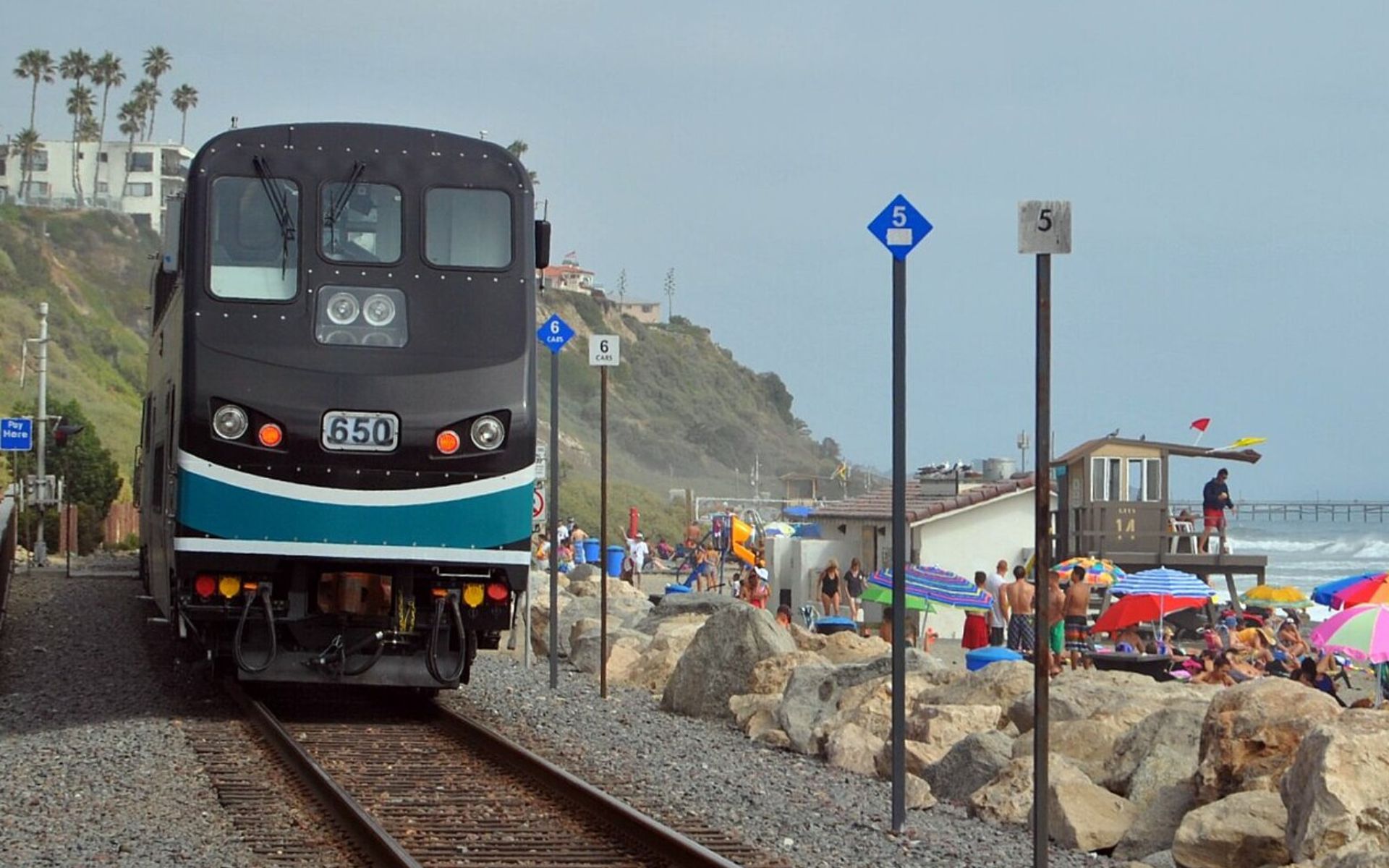
San Clemente Location & Commute: I-5, Metrolink, Irvine & San Diego Access
The San Clemente commute is shaped by something that makes this city different from most of South Orange County: San Clemente sits at the southern edge of Orange County with Interstate 5, two Metrolink stations, coastal bus service, local trolley routes, and direct connections north toward Irvine and south toward Oceanside and San Diego County. […]
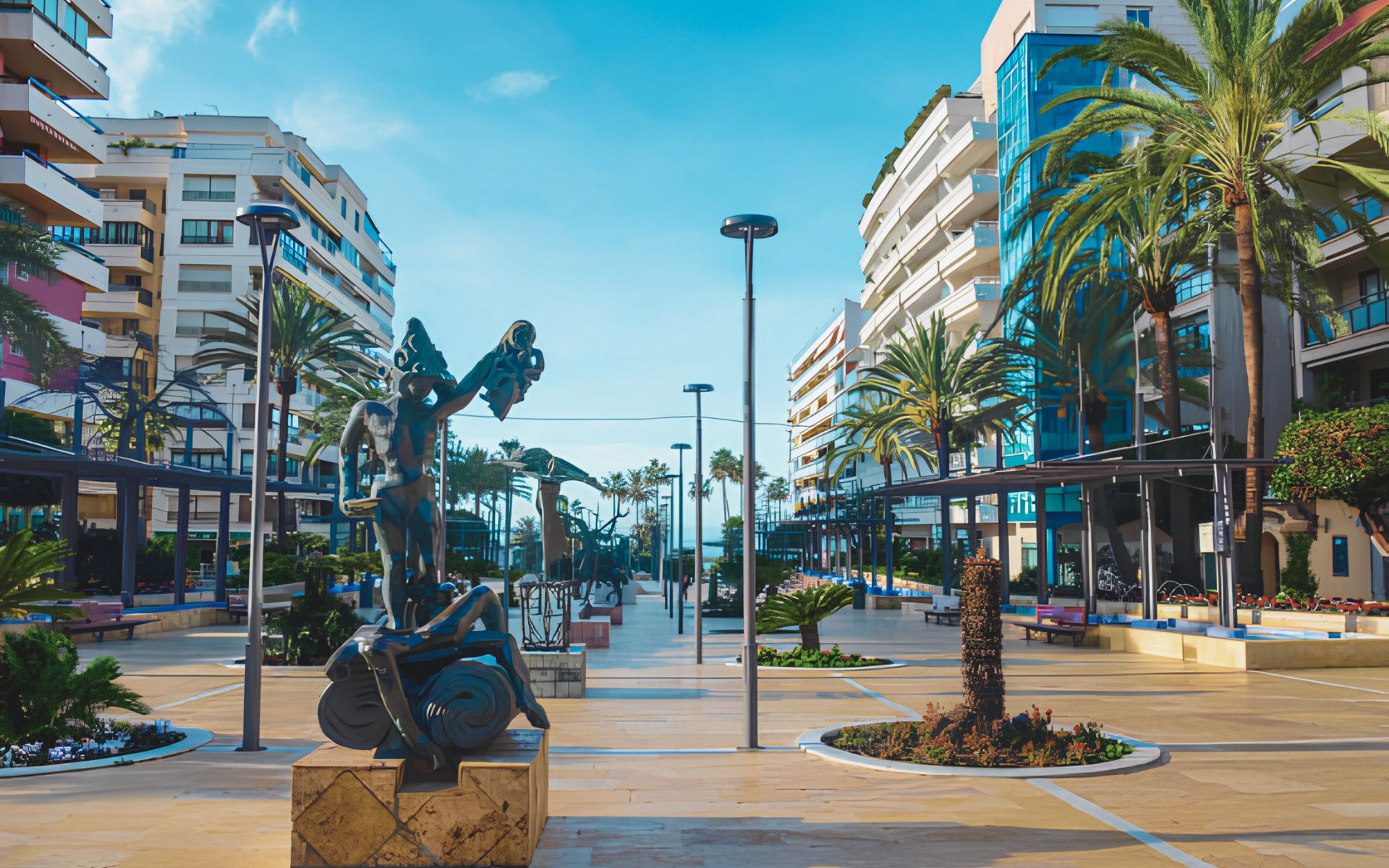
Downtown San Clemente & Avenida Del Mar: Shopping, Dining & Coastal Living
For buyers who want more than a traditional suburban neighborhood, Downtown San Clemente and Avenida Del Mar offer one of the most distinctive lifestyles in South Orange County. This is where San Clemente’s historic downtown, local shopping, restaurants, cafés, community events, Spanish-inspired architecture, the Pier Bowl, and the Pacific Ocean begin to connect. Avenida Del […]
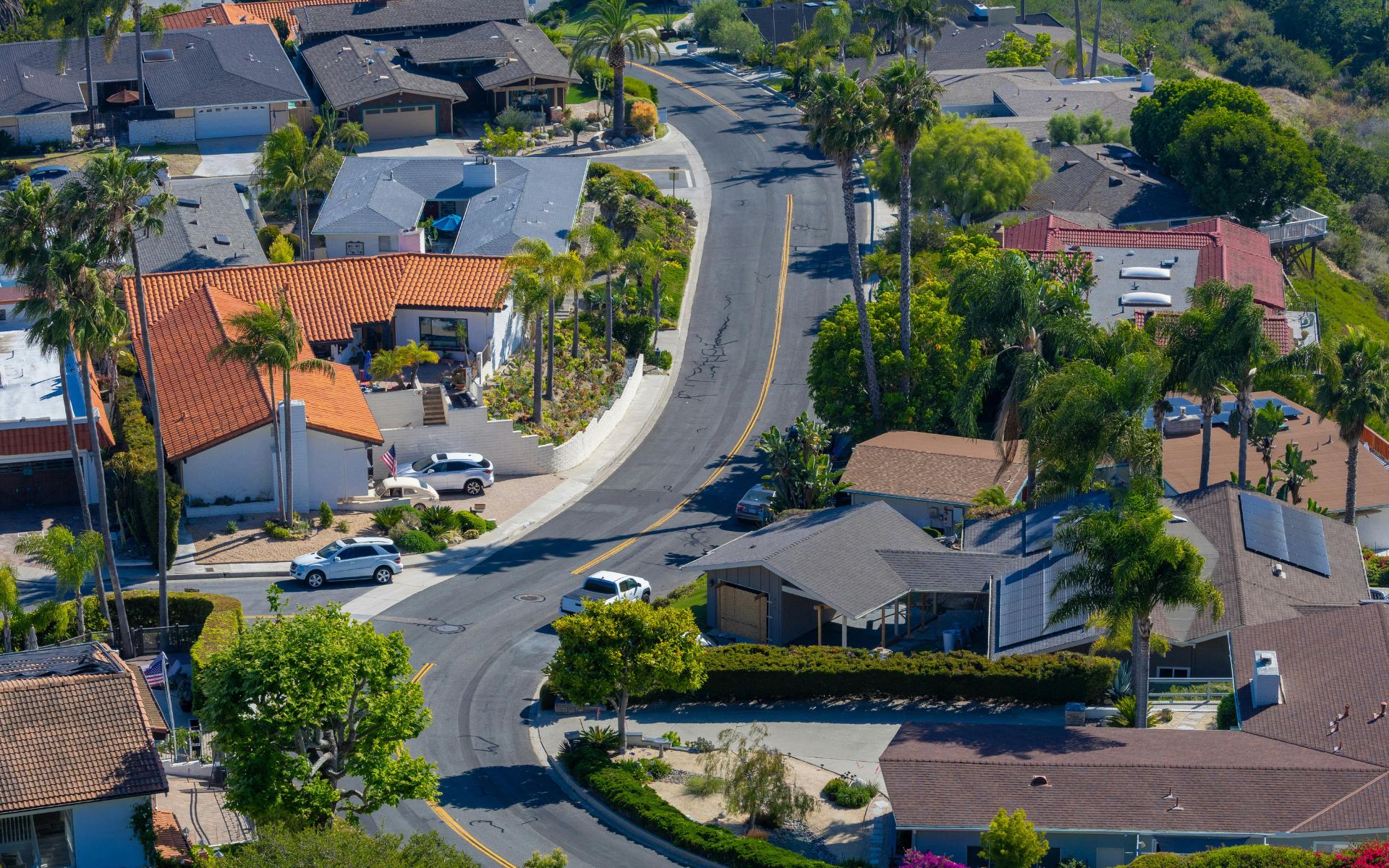
San Clemente Neighborhoods & Homes: What Buyers Should Know
Choosing a home in San Clemente is not simply a question of how close you want to be to the Pacific Ocean. The San Clemente neighborhoods and homes available across the city can create dramatically different lifestyles depending on whether you choose a coastal property near the Pier, a hillside home in Rancho San Clemente, […]
Join Our Mailing List
Are you interested in buying a home? Look no further than working with real estate experts.
Quick Links
Brokerage Info
25950 Acero., #100
Mission Viejo, CA 92691
DRE 01200533


All information is deemed reliable but not guaranteed and should be independently reviewed and verified.
Powered by Sprout Interactive

