
Dana Point Parking, Harbor Crowds & Seasonal Traffic: What Residents Should Know
Dana Point parking and seasonal traffic are part of the tradeoff that comes with living in a popular Southern California coastal community.
Most days, Dana Point can feel relaxed and residential.
But conditions can change considerably on:
- Warm summer weekends
- Beach days
- Holiday weekends
- Major Harbor events
- Concert and festival weekends
- Whale-watching events
- Holiday celebrations
- Large events at Doheny State Beach
The impact also depends heavily on where you live.
A home in Monarch Beach may experience a different traffic pattern from a property near Dana Point Harbor.
Someone living in Lantern Village may notice event activity around Golden Lantern, Del Prado, or the Harbor.
A resident near Doheny may be more affected by beach traffic or major events at the state beach.
A Capistrano Beach homeowner may experience different conditions again.
That is why buyers should not simply ask:
“Is Dana Point crowded?”
The more useful question is:
“How do parking, visitor traffic, beach crowds, and major events affect this specific neighborhood and this specific street?”
Here is what residents and buyers should know.
Dana Point Parking at a Glance
Dana Point has several different parking environments.
Depending on where you are going, parking may involve:
- Dana Point Harbor parking
- Beach parking
- Public street parking
- Paid parking lots
- HOA-controlled parking
- Gated-community guest parking
- Private driveways and garages
- Seasonal trolley access
- Event-specific parking plans
- Temporary construction-related changes
That means the experience can vary significantly depending on whether you are visiting the Harbor, Doheny, Salt Creek, Strands, the Lantern District, or a residential neighborhood.
For buyers, Dana Point parking should therefore be evaluated at both levels:
How easy is it to park when you go out?
and
How well does the home itself handle your household’s parking needs?
Dana Point Harbor Parking Has Changed Significantly
One of the biggest changes in recent years is the new parking structure at Dana Point Harbor.
The three-level structure opened in 2025 as part of the Harbor revitalization and contains 984 parking spaces, including dedicated boater spaces and EV charging.
As of November 2026, the Harbor’s current parking guidelines provide:
- First four hours free
- $6 for each additional hour
- $24 daily maximum
- $24 lost-ticket fee
Special-event rates may apply.
For residents who remember the Harbor before the structure opened, this is an important change.
It increases centralized parking capacity near Golden Lantern and the Commercial Core.
But increased capacity does not mean every busy-day parking issue has disappeared.
Dana Point Parking at the Harbor Is Still First Come, First Served
The new Harbor structure provides substantial capacity, but parking remains subject to availability.
That distinction matters during:
- Major events
- Holiday weekends
- Popular summer days
- Boat parade weekends
- Busy whale-watching periods
- Special Harbor programming
The Harbor currently advises visitors to allow extra travel time during major events and specifically warns of heavy traffic for occasions such as the annual Boat Parade.
For residents, that means Harbor parking may be relatively simple on an ordinary weekday and noticeably different during a major event.
Where Else Can You Park at Dana Point Harbor?
The Harbor currently provides several parking options beyond the main structure.
Retail customers may use designated surface spaces at Mariner’s Village for up to four hours while patronizing Harbor businesses.
Free public parking may also be available along:
- Dana Point Harbor Drive east of Casitas Place
- Golden Lantern north of the Harbor
- Dana Way
- Areas near Dana Point Yacht Club
- Baby Beach
- Cove Road
Paid options include Puerto Place near Doheny State Beach and the Embarcadero area.
Parking rules vary by location.
Residents should follow current signage rather than assuming a space that was previously unrestricted still operates the same way.
The Harbor Revitalization Still Affects Dana Point Parking in 2026
The Harbor is also in the middle of major construction.
As of fall 2026, Commercial Core Phases 3 and 5 were underway, Phase 4 Wharf demolition had begun, and Phase 13 of the marina’s 15-phase reconstruction was progressing.
Construction has required changes to:
- Traffic circulation
- Parking-lot striping
- Pedestrian routes
- Wharf access
- Business locations
- Construction fencing
The Harbor has maintained public parking and waterfront access throughout the project, but residents should expect temporary circulation changes as construction moves from phase to phase.
For buyers considering a property close to the Harbor, it is worth separating:
temporary construction conditions
from
the long-term Harbor environment once the revitalization is substantially complete.
Harbor Crowds Are Not the Same Every Day
Dana Point Harbor is both a local amenity and a regional destination.
Residents may use it for:
- Walking
- Dining
- Boating
- Paddleboarding
- Whale watching
- Catalina Island ferry service
- Shopping
- Events
- Baby Beach
- Marina access
Visitors use those same amenities.
That means crowd levels naturally change by:
- Time of day
- Day of week
- Season
- Weather
- Event schedule
A Wednesday morning can feel very different from a sunny Saturday afternoon.
A December evening during Harbor holiday events can feel different from an ordinary winter weekday.
For someone who values Harbor proximity, that activity can be part of the appeal.
For someone who prioritizes quiet streets and minimal visitor traffic, living a little farther away may be preferable.
Major Dana Point Events Can Dramatically Change Traffic
Dana Point hosts events that attract significant attendance.
City fiscal-year metrics reported attendance of approximately:
- 86,100 for Ohana Festival
- 25,400 for the Boat Parade
- 15,300 for a REDO Market event
- 12,500 for the Turkey Trot
These numbers illustrate why an event weekend can feel very different from an ordinary weekend.
This does not mean Dana Point is constantly crowded.
It means buyers should understand where major events occur and how event traffic may interact with the neighborhood they are considering.
Ohana Festival Can Significantly Affect the Doheny Area
The Ohana Festival takes place at Doheny State Beach and brings thousands of visitors into Dana Point.
For the 2026 event, organizers provided designated rideshare drop-off inside Doheny State Beach and a separate rideshare pickup location at the Dana Point Community Center on Del Obispo Street.
That type of transportation plan shows how much movement a major event can create around:
- Doheny
- Del Obispo
- Dana Point Harbor
- Local I-5 access
- Nearby residential streets
For someone buying near Doheny Village or the Harbor, an event weekend is worth experiencing personally.
Do not evaluate the street only on a quiet weekday morning.
Festival of Whales Creates Another Major Harbor Weekend
Dana Point’s Festival of Whales is another example of event-related activity.
For the 2026 Festival of Whales, events were spread across locations including:
- Ocean Institute
- Lantern Bay
- Dana Harbor Drive
- Island Way
- Baby Beach
The City also operated a free shuttle between Dana Hills High School and Lantern Bay Park during the festival.
That is a useful reminder for buyers:
When Dana Point hosts large events, transportation plans may extend beyond the immediate event site.
Traffic can affect connecting streets and nearby neighborhoods too.
The Boat Parade Can Bring Heavy Harbor Traffic
Dana Point Harbor’s annual holiday Boat Parade is another major seasonal attraction.
The Harbor specifically advises visitors to expect heavy traffic and allow extra time during Boat Parade weekends.
Current Harbor guidance also notes that parking is available in the new structure but remains subject to availability.
For Harbor-area residents, holiday lights and the Boat Parade may be a major lifestyle benefit.
But they also bring additional visitors.
Whether that feels exciting or inconvenient depends on what you want from the neighborhood.
Dana Point Parking at Doheny State Beach Can Be More Competitive in Summer
Doheny State Beach is one of Dana Point’s busiest recreational destinations.
California State Parks currently lists day-use parking at:
$15 per vehicle during regular periods
and
$20 per vehicle on summer weekends and holidays from Memorial Day weekend through Labor Day weekend.
Those higher seasonal rates reflect the increased summer demand.
The park also warns that if it reaches capacity and closes to additional vehicles, only campground guests with reservations may be permitted to enter.
For residents, living close enough to walk, bike, trolley, or use another transportation option can reduce dependence on beach parking.
Beach Parking Is Part of the Lifestyle Calculation
Two homes may both be described as “close to the beach.”
But they may create completely different experiences.
Home A may allow you to walk to the coast.
Home B may require driving and finding parking.
That difference matters more on busy summer weekends.
When comparing homes, ask:
- Can I walk to the beach?
- Is the route realistic with children?
- Can I carry chairs or surfboards?
- Is there a major hill?
- Would I actually bike?
- Will I usually drive?
- Where will I park when the lot is busy?
Beach proximity is not only about mileage.
It is about usable access.
Salt Creek Has Its Own Parking Pattern
Salt Creek Beach is operated by OC Parks and has a dedicated public parking area near Pacific Coast Highway and the Ritz-Carlton area.
OC Parks also offers a County Beach annual parking pass that is valid at Salt Creek Beach and Capistrano Beach.
For residents around Monarch Beach or Niguel Shores, Salt Creek may be the beach they use most often.
That means its parking environment could be more relevant to everyday life than parking at Doheny or Dana Point Harbor.
Again, location matters.
Summer Is the Biggest Seasonal Shift
Dana Point’s busiest traffic patterns generally become more noticeable when warm weather, beach activity, and visitor season overlap.
Summer can bring more activity around:
- Doheny
- Salt Creek
- Strands
- Dana Point Harbor
- Pacific Coast Highway
- Restaurants
- Parks
- Coastal hotels
The City responds in part with seasonal transportation.
The Dana Point Trolley runs daily during summer from Memorial Day weekend through Labor Day weekend, with service approximately every 15 minutes and connections to beaches, parks, shopping areas, San Clemente, and Laguna Beach.
For residents who live near a trolley route, this can reduce the need to move their car during busy coastal periods.
The Dana Point Trolley Can Be a Useful Parking Strategy
The trolley is often discussed as a tourist amenity.
Residents can benefit from it too.
Suppose you live in central Dana Point and want to spend an afternoon near the beach or Harbor.
Instead of:
- Driving
- Searching for parking
- Paying for parking
- Losing your residential parking space
you may be able to walk to a trolley stop.
That can be particularly useful during summer.
But buyers should remember that trolley service is seasonal.
It should be treated as a summer convenience—not a year-round transportation solution.
Dana Point Parking Can Feel Different by Neighborhood
Parking should be evaluated neighborhood by neighborhood.
Lantern Village and the Lantern District
Lantern Village combines older residential streets with proximity to restaurants, businesses, the Harbor, and the Town Center.
Some older properties may have:
- Smaller garages
- Narrow driveways
- Limited on-site guest parking
Homes closer to Del Prado, Golden Lantern, or popular commercial areas may also experience more visitor activity.
For buyers who value walkability, that may be an acceptable tradeoff.
For households with several vehicles, parking deserves closer inspection.
Dana Point Harbor Area
Living close to the Harbor provides easy access to recreation and dining.
But event weekends and busy Harbor periods can bring more vehicles to nearby streets.
The new 984-space parking structure has improved visitor capacity, but Harbor-area traffic can still rise substantially during major events.
Monarch Beach
Monarch Beach is less directly affected by Harbor traffic.
Instead, residents may notice visitor activity related to:
- Salt Creek
- Resorts
- Pacific Coast Highway
- Summer beach traffic
Gated communities can also have their own parking rules.
Buyers should review guest-parking restrictions before assuming visitors can simply park on the street.
Niguel Shores
Niguel Shores is a private gated community.
For buyers, the important parking questions are community-specific:
- How many vehicles fit at the property?
- Where do guests park?
- Are permits required?
- Are overnight restrictions in place?
- Are street-parking rules enforced?
Review current HOA documents rather than relying on an old listing or verbal description.
Headlands and Strands
Homes near the Headlands and Strands may be influenced by beach and trail visitors.
The exact effect depends heavily on the street.
A home inside a private or gated development will have a different parking environment from a property near a public beach access route.
Doheny Village
Doheny Village is close to:
- I-5
- Doheny State Beach
- San Juan Creek Trail
- Major events at Doheny
- Harbor access
That can make the area convenient.
It can also mean event and summer traffic is more relevant.
Capistrano Beach
Capistrano Beach is farther from many Harbor events but can experience coastal and PCH-related traffic.
The environment varies significantly between bluff-top residential streets, areas near PCH, and shoreline properties.
Residential Parking May Matter More Than Public Parking
For a buyer, the most important Dana Point parking question may not involve the Harbor or beach.
It may be:
Can this property comfortably accommodate our vehicles every day?
Check:
- Garage width
- Garage depth
- Garage-door clearance
- Driveway space
- Street parking
- Guest parking
- HOA restrictions
- Overnight restrictions
- EV charging options
- Whether storage has taken over the garage
Do not assume a two-car garage comfortably accommodates two modern vehicles.
Measure it.
Older Homes Can Have Smaller Garages
Some older Dana Point neighborhoods were developed when vehicles were smaller.
A garage may technically be described as a two-car garage while functioning more comfortably for:
- One large SUV
- One vehicle plus storage
- Two smaller cars
This matters for buyers with:
- Trucks
- Large SUVs
- Surf equipment
- Bikes
- Paddleboards
- Storage cabinets
If you cannot realistically use the garage for parking, your dependence on driveway or street parking increases.
Guest Parking Can Be a Hidden Lifestyle Issue
Imagine buying a coastal home because you plan to entertain.
The house may work beautifully.
But where will everyone park?
Ask:
- Can guests park on the street?
- Are spaces usually available?
- Are there HOA permits?
- Is overnight guest parking allowed?
- Are there event-day restrictions nearby?
- How steep is the walk from alternative parking?
A home may work perfectly for your household but poorly for frequent entertaining if guest parking is limited.
Street Sweeping Can Affect Residential Parking
The City of Dana Point provides weekly street sweeping on all public streets.
Certain streets also have parking restrictions during designated sweeping times, and residents are asked to move vehicles so the sweeper can access the curb.
For households that regularly depend on street parking, check the posted schedule for the actual block.
This is a small detail until you own multiple vehicles.
Then it can become part of your weekly routine.
Walkability Can Reduce Parking Stress
One of the best ways to avoid Dana Point parking issues is simply to choose a property where you do not need to drive for every coastal activity.
Depending on the neighborhood, you may be able to walk to:
- Restaurants
- Coffee shops
- Parks
- Trails
- Beaches
- Harbor activities
For buyers considering Lantern Village, the Lantern District, parts of the Harbor area, Strands, or other walkable pockets, this can be a meaningful lifestyle advantage.
A home with slightly less parking may still work well if you drive less often.
Walkability and Parking Should Be Evaluated Together
Real estate listings often treat these as separate features.
They are actually connected.
If you have excellent parking but need to drive everywhere, you use that parking constantly.
If your home has more limited parking but you can walk to many destinations, the restriction may matter less.
Think about your actual household routine.
Do you:
- Drive to work daily?
- Work from home?
- Have teenagers with cars?
- Entertain often?
- Own a boat?
- Surf?
- Bike?
- Walk to restaurants?
- Use the Harbor several times a week?
Those answers determine what “good parking” means for you.
Seasonal Visitor Activity Is Not Necessarily a Negative
Busy weekends are one side of living in a desirable coastal community.
The same events that create additional traffic also provide:
- Festivals
- Concerts
- Holiday events
- Markets
- Recreation
- Restaurants
- Community activity
- Entertainment
Some residents actively choose central Dana Point because they want that energy.
They enjoy being able to walk to events that other people drive across Orange County to attend.
Others intentionally choose quieter residential areas.
Neither preference is wrong.
The important part is knowing which one describes you.
When Is Dana Point Typically Busiest?
Conditions vary year to year, but residents can expect increased activity during combinations of:
Summer Weekends
Warm weather increases beach and coastal recreation.
Holiday Weekends
Memorial Day, Independence Day, Labor Day, and other holidays can create additional beach and Harbor traffic.
Major Festivals
Large events such as Ohana Festival can materially affect Doheny and surrounding routes.
Harbor Events
Festival of Whales, holiday celebrations, and the Boat Parade bring more visitors to the Harbor and nearby areas.
Popular Beach Days
A sunny weekend can increase traffic even without a formal event.
That means Dana Point parking is influenced as much by weather and lifestyle as by the calendar.
Visit the Neighborhood During a Busy Weekend Before Buying
This may be one of the most useful due diligence steps for a Dana Point buyer.
If you are considering a home near:
- The Harbor
- Doheny
- Salt Creek
- Strands
- Lantern District
- PCH
Visit during a busy period.
Then ask:
- Is the street crowded?
- Are vehicles blocking visibility?
- Can guests park?
- Is the noise noticeable?
- Does traffic back up?
- Is it difficult to leave the neighborhood?
- Would I actually mind this?
A quiet Tuesday tells you what Tuesday feels like.
It does not tell you what July Fourth weekend feels like.
Test Dana Point Parking at Night Too
Some coastal areas change after dinner hours.
Restaurants may fill nearby spaces.
Events may continue into the evening.
Beach visitors may leave.
Harbor activity may increase around dining.
A buyer considering a walkable restaurant district should visit:
- Morning
- Afternoon
- Dinner time
- Friday evening
- Weekend afternoon
You are not looking for one “normal” condition.
You are trying to understand the range.
Construction Conditions Should Be Treated as Temporary
This is particularly important around Dana Point Harbor in 2026.
The revitalization is actively changing:
- Buildings
- Parking circulation
- Pedestrian routes
- Marina infrastructure
- Waterfront access patterns
The completed Harbor is planned to include approximately 120,000 square feet of restaurant and retail space, along with new public gathering areas and expanded pedestrian amenities.
That means buyers should not assume today’s construction fencing or circulation represents the permanent Harbor environment.
At the same time, future conditions should not be treated as guaranteed until they are actually completed.
More Harbor Amenities Could Also Mean More Visitors
The Harbor revitalization is designed to create a stronger restaurant, retail, recreation, and waterfront destination.
That can increase lifestyle value for residents.
It may also attract additional visitors.
For a Harbor-area buyer, that creates an important tradeoff.
You may gain:
- Better dining
- Better public spaces
- Improved waterfront access
- More retail
- More events
- Improved parking infrastructure
while also living near an increasingly attractive regional destination.
The right answer depends on whether you value access more than separation.
Dana Point Parking Is Part of the Property Decision
Parking may feel like a minor issue when you are focused on:
- Ocean views
- Kitchens
- Bedrooms
- Pools
- Beach proximity
But it becomes part of everyday ownership.
If you have to reshuffle cars every morning, you will notice it.
If your guests cannot park, you will notice it.
If you live near an event route, you will notice it.
If you can walk to the beach instead of fighting for a parking space, you will notice that too.
That is why Dana Point parking deserves to be evaluated as a real property feature.
A Dana Point Parking & Traffic Buyer Checklist
Before making an offer, check the following.
At the Property
- Number of garage spaces
- Actual garage dimensions
- Driveway capacity
- Street parking availability
- Guest parking
- Overnight restrictions
- HOA parking rules
- EV charging
- Storage space
- Street sweeping schedule
Around the Neighborhood
- Distance to beach parking
- Harbor access
- PCH access
- Event routes
- Trolley stops
- Walkability
- Weekend traffic
- Summer conditions
- Restaurant activity
- Public beach access
During Due Diligence
Visit at:
- Morning commute
- Afternoon
- Friday evening
- Saturday afternoon
- Warm weekend
- Major event if possible
The goal is to understand how the property functions when demand is highest—not only when everything is quiet.
Dana Point Parking, Harbor Crowds & Seasonal Traffic FAQ
Is parking difficult in Dana Point?
It depends on the location and timing. Residential neighborhoods, beaches, Dana Point Harbor, and commercial areas all have different parking conditions. Major events and summer weekends can increase demand.
How much parking is at Dana Point Harbor?
The new Dana Point Harbor parking structure contains 984 spaces, including dedicated boater parking and EV charging.
Is Dana Point Harbor parking free?
As of November 2026, the first four hours in the new Harbor parking structure are free. Additional time is $6 per hour, with a $24 daily maximum. Special-event rates may apply.
Is there free parking near Dana Point Harbor?
Yes. Current Harbor guidance identifies free public parking along portions of Dana Point Harbor Drive, Golden Lantern, Dana Way, Baby Beach, Cove Road, and other designated locations. Availability varies.
Is Dana Point Harbor crowded?
Crowd levels vary considerably. Ordinary weekdays can be relatively calm, while major events, holiday weekends, and warm summer weekends can bring substantially more visitors.
Does the Harbor revitalization affect parking?
Yes. Construction has temporarily changed circulation and some parking configurations, although the Harbor remains open and the new parking structure is operational.
How much is parking at Doheny State Beach?
California State Parks currently lists regular day-use parking at $15 per vehicle. Summer weekends and holidays from Memorial Day weekend through Labor Day weekend are currently $20 per vehicle.
Can Doheny State Beach parking fill up?
Yes. State Parks notes that if the park reaches capacity and closes, only vehicles with campground reservations may be allowed to enter.
Is there parking at Salt Creek Beach?
Yes. Salt Creek has County-operated beach parking, and OC Parks offers an annual County Beach parking pass valid at Salt Creek and Capistrano Beach.
Does Dana Point have a trolley?
Yes. The free Dana Point Trolley runs daily during the summer, typically from Memorial Day weekend through Labor Day weekend, with service approximately every 15 minutes.
Can residents use the trolley to avoid beach parking?
Yes. Residents can use the trolley just like visitors, making it a useful seasonal option for reaching beaches, parks, shopping areas, and neighboring communities.
What events create the most traffic in Dana Point?
Large events can include Ohana Festival, Festival of Whales, the Harbor Boat Parade, Fourth of July activities, Turkey Trot, markets, concerts, and other Harbor or city events. Event conditions vary each year.
Which Dana Point neighborhoods experience the most visitor activity?
Properties near Dana Point Harbor, Doheny, the Lantern District, PCH, Salt Creek, and major beach-access points may experience more visitor activity than quieter interior residential streets. The impact is highly property-specific.
Is Lantern Village difficult for parking?
It depends on the exact property and street. Some older homes have smaller garages or more limited on-site parking, while others provide adequate driveway and garage space. Buyers should evaluate the individual home.
Do gated Dana Point communities have guest parking rules?
Many private communities have their own parking policies. Buyers should review current HOA rules for the specific property.
Does Dana Point have street-sweeping parking restrictions?
Street sweeping occurs weekly on public streets, and certain streets have parking restrictions during designated sweeping periods. Check posted signs for the specific block.
Is Dana Point always crowded in summer?
No. Conditions vary by neighborhood, time, weather, and events. Beach and Harbor areas are more likely to experience higher visitor activity during warm weekends and holidays than quieter residential areas.
What Should Buyers Know About Dana Point Parking and Seasonal Traffic?
The biggest takeaway is that Dana Point parking and crowds are not the same everywhere or every day.
You can live in a quiet residential neighborhood and visit the Harbor when you want the activity.
You can choose Lantern Village because you prefer being able to walk to restaurants and events.
You can live near Doheny because beach access is more important than occasional festival traffic.
You can choose Monarch Beach because Salt Creek and Laguna Beach matter more to your lifestyle.
Or you can choose a more residential part of Capistrano Beach where the Harbor is not part of your everyday routine.
The key is to evaluate the actual property.
Look at the garage.
Count the driveway spaces.
Read the HOA parking rules.
Check the street-sweeping schedule.
Visit on a Saturday.
Visit during summer.
Drive through during a major event.
See what beach parking is like.
Try the trolley.
And decide whether the activity around the neighborhood feels like an inconvenience—or part of the reason you want to live there.
Explore More About Living in Dana Point
Explore the Living in Dana Point guide
Explore Dana Point Beaches & Ocean Lifestyle
Explore Dana Point Neighborhoods & Homes
Explore Dana Point Harbor & Lantern District
Explore Dana Point Parks & Trails
Explore the Dana Point Location & Commute guide
Explore Dana Point Home Prices & Coastal Living Costs
Recent Updates
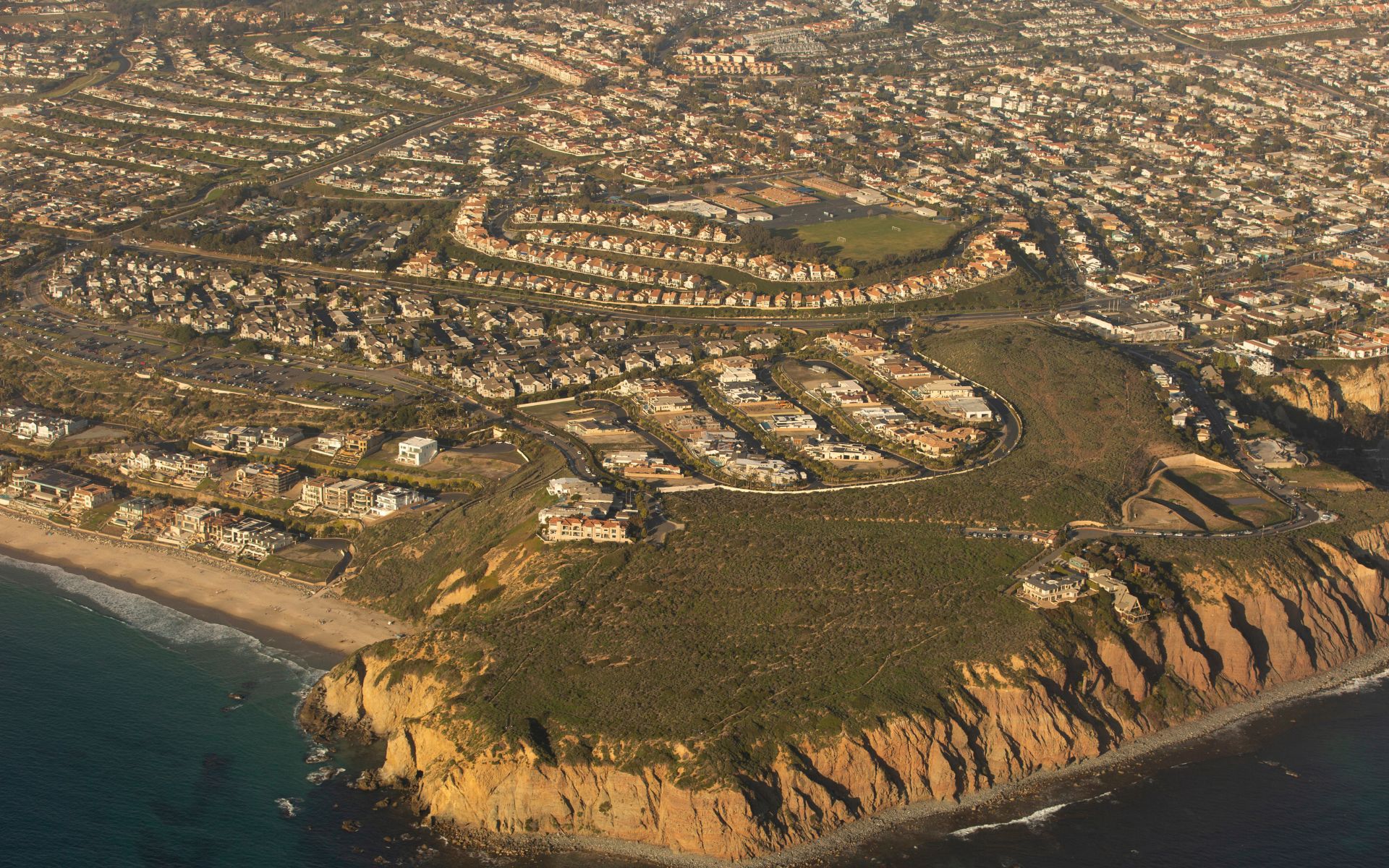
Dana Point Home Prices & Coastal Living Costs: What Buyers Should Budget For
Dana Point home prices reflect the premium many buyers are willing to pay for coastal access, ocean views, desirable neighborhoods, and the South Orange County lifestyle. In Dana Point, buyers can choose from homes near the Harbor, bluff-top properties overlooking the Pacific, gated coastal communities, older homes in Lantern Village, resort-oriented properties around Monarch Beach, […]
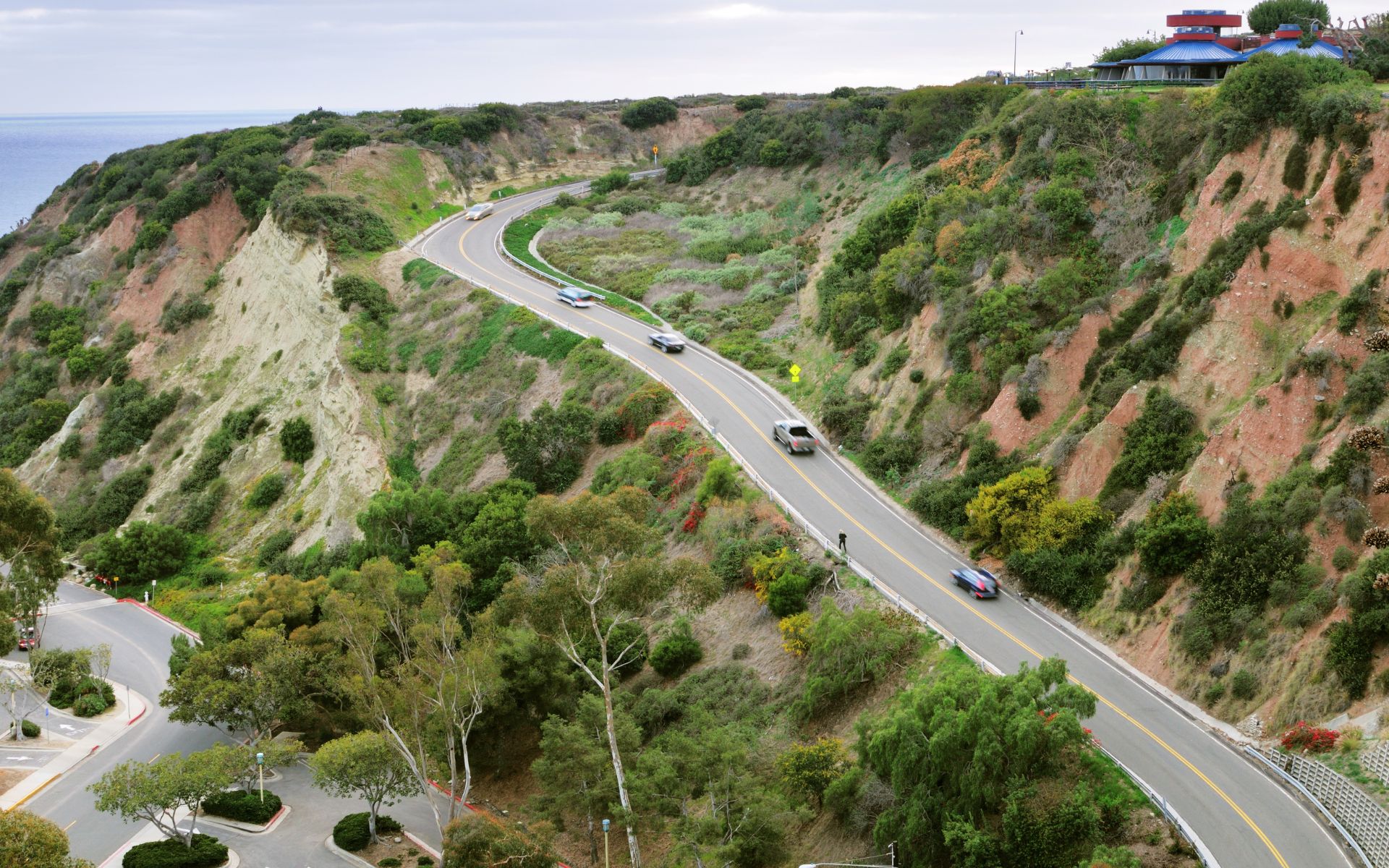
Dana Point Location & Commute: I-5, PCH, Irvine, Laguna Beach & San Diego Access
Dana Point may feel like a relaxed coastal community, but its location places residents within reach of several major South Orange County employment centers, neighboring beach cities, regional transit options, and the Interstate 5 corridor connecting Orange County with San Diego and Los Angeles. That combination is one of the reasons Dana Point commute patterns […]
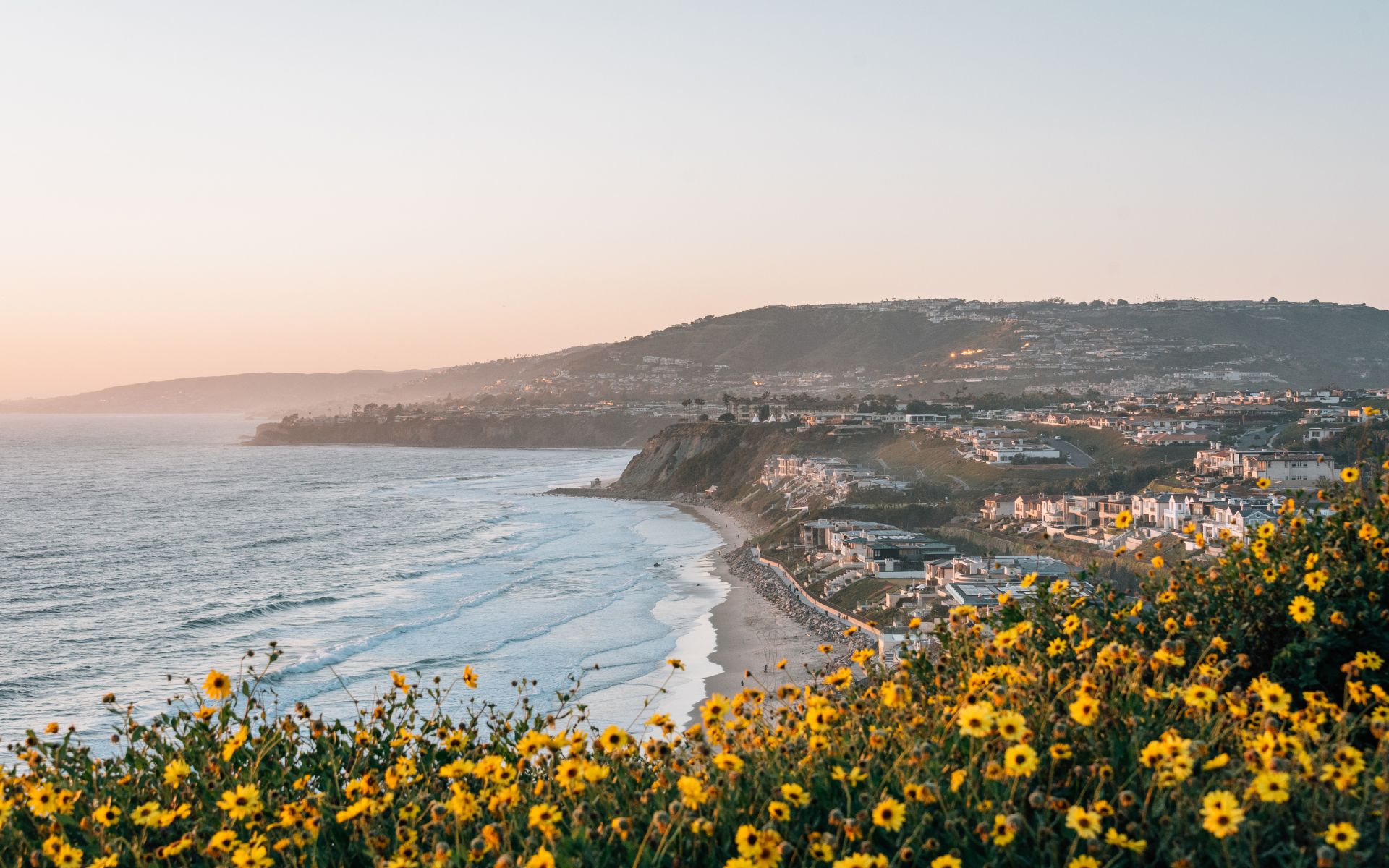
Dana Point Parks & Trails: Headlands, Bluff Top Trail, Salt Creek & Outdoor Recreation
Dana Point parks and trails give residents another way to experience the coast beyond spending the day on the sand. The city combines bluff-top paths, ocean overlooks, grassy neighborhood parks, paved bike routes, protected coastal habitat, playgrounds, dog areas, sports facilities, and trails that connect residential neighborhoods with beaches and the Harbor. That variety matters […]
Join Our Mailing List
Are you interested in buying a home? Look no further than working with real estate experts.
Quick Links
Brokerage Info
25950 Acero., #100
Mission Viejo, CA 92691
DRE 01200533


All information is deemed reliable but not guaranteed and should be independently reviewed and verified.
Powered by Sprout Interactive

