
Lake Forest HOAs, Mello-Roos & Community Fees: What Buyers Should Know
For buyers comparing homes in Lake Forest, understanding Lake Forest HOA fees can be just as important as comparing the purchase price, neighborhood, or home itself.
Lake Forest includes older established neighborhoods, lake-oriented communities, master-planned developments, newer housing, condominiums, townhomes, and properties with very different association structures. Some homes may belong to one homeowners association. Others can involve a master HOA plus a sub-association. Some properties may also have Community Facilities District special taxes commonly referred to as Mello-Roos.
Those costs are not interchangeable.
An HOA assessment pays for responsibilities and amenities established by a private homeowners association. Mello-Roos is a special tax imposed within a Community Facilities District and can be used to finance public infrastructure or authorized services.
For buyers, the key is understanding exactly what applies to the individual property before making comparisons.
Why Lake Forest HOA Fees Can Vary So Much
There is no single standard for Lake Forest HOA fees.
Lake Forest includes communities developed during very different periods, with different amenities, governing documents, maintenance responsibilities, and association structures.
A property’s costs may depend on factors such as:
- Whether it belongs to a master association
- Whether there is also a sub-association
- Pools, clubhouses, lakes, or recreation facilities
- Private landscaping or common-area maintenance
- Architectural-control responsibilities
- Gated access
- Private parks or streets
- Reserve funding
- Special assessments
- Community Facilities District taxes
The City of Lake Forest even provides an HOA mapping tool that allows users to search by address, parcel number, or HOA name. The City cautions that its GIS information is for general reference and may not be complete or suitable for property-specific decisions, so current escrow and association documents remain important.
HOA Fees and Mello-Roos Are Not the Same Thing
This distinction is one of the most important things buyers should understand.
HOA assessments
HOA dues are paid to a homeowners association.
Depending on the community, those assessments may help support things such as:
- Pools
- Clubhouses
- Fitness facilities
- Landscaping
- Private recreation areas
- Common-area maintenance
- Architectural administration
- Community events
- Private infrastructure or services
What is included varies from association to association.
Mello-Roos
Mello-Roos operates differently.
Under California’s Mello-Roos Community Facilities Act, a public agency can create a Community Facilities District, or CFD, that finances qualifying public infrastructure or services through special taxes levied on property within the district.
That special tax may appear on the property’s tax bill.
So a buyer could potentially have:
property taxes + Mello-Roos/special taxes + HOA dues
depending on the property.
That is why simply asking, “What is the HOA?” does not always tell you the complete cost of ownership.
Lake Forest II and the Sun & Sail Club
Lake Forest II is a useful example of how an established Lake Forest association works.
The Lake Forest II Master Homeowners Association describes itself as a private planned community of 3,436 homes, established in 1970. All legal property owners within Lake Forest II are members and support the association through a monthly assessment.
The association operates the Sun & Sail Club, which currently includes amenities such as:
- Multiple swimming pools
- Fitness center
- Tennis courts
- Pickleball courts
- Basketball
- Sand volleyball
- Playground
- Picnic and barbecue areas
- Youth and recreation spaces
For a buyer who expects to use those amenities regularly, the HOA may represent meaningful lifestyle value.
For someone who does not expect to use them, the same fee may be evaluated differently.
That is why Lake Forest HOA fees should be considered together with what the association actually provides.
Some Lake Forest Homes Can Have More Than One Association
This is where comparisons can become more complicated.
Lake Forest II includes individual tracts and sub-associations. Its published assessment information specifically notes that some communities have an additional assessment payable to a sub-association, including The Keys, The Oaks, Serrano Woods, and Lakeside Park.
That means a buyer may encounter:
Master HOA assessment + sub-association assessment
rather than one single monthly figure.
For example, a property in a lake-oriented neighborhood may have association responsibilities that differ from another home elsewhere within the broader master community.
When reviewing a listing, do not assume the HOA number shown in one field automatically represents every association attached to the home.
Ask for the complete association structure.
Lake Forest Keys Is a Good Example
Lake Forest Keys helps illustrate why this matters.
The community is associated with the Lake Forest II master association but also has its own sub-association structure.
That can mean buyers are evaluating not just access to the broader Sun & Sail Club system, but also property-specific lake or community considerations.
If lake-oriented living is important to you, read our guide to Lake Forest’s two lakes.
For a property like this, buyers should identify:
- Master HOA
- Sub-association
- Current dues for each
- What each association maintains
- Lake-related rules
- Recreation privileges
- Architectural restrictions
- Reserve funding
- Special assessments
The structure matters just as much as the headline fee.
Lake Forest Community Association and the Beach & Tennis Club
Lake Forest also has a separate association system through the Lake Forest Community Association.
The association operates the Lake Forest Beach & Tennis Club at 22921 Ridge Route Drive. Its website states that living within the association provides membership to the club.
Current amenities include:
- Jr. Olympic pool
- Additional pools
- Swim lagoon and beach
- Tennis
- Pickleball
- Basketball
- Volleyball
- Fitness center
- Lake View Lounge
- Billiards and other recreation spaces
Again, this shows why comparing Lake Forest HOA fees strictly by dollar amount can be misleading.
Two associations may charge different amounts because they maintain completely different types and levels of amenities.
Newer Communities Can Have Different Cost Structures
Lake Forest’s newer master-planned communities add another layer to the comparison.
Buyers considering Baker Ranch, Serrano Summit, Portola Center, The Meadows, and other newer areas may encounter association structures that look different from older Lake Forest communities.
Our Lake Forest neighborhoods guide explains how these communities differ in housing age, design, location, amenities, and master-planned development.
When evaluating newer homes, buyers should pay attention to both:
private community costs such as HOA assessments
and
public special taxes such as applicable CFDs or Mello-Roos.
Do not assume that every newer Lake Forest community has the same structure.
Does Baker Ranch Have Mello-Roos?
Baker Ranch is an especially useful example because it shows why buyers should not assume “newer community” automatically means Mello-Roos.
City of Lake Forest materials explained that Baker Ranch’s owners chose to satisfy certain infrastructure obligations in cash rather than through the applicable CFD financing structure. As a result, the City stated that the new homeowners in Baker Ranch did not pay Mello-Roos taxes associated with that financing.
That makes Baker Ranch different from some other newer developments.
However, buyers should still verify the current tax bill and disclosures for the specific property they are considering rather than relying solely on general information about the community.
Portola Center Shows Why Property-Specific Research Matters
Portola Center provides another useful example.
The approximately 196-acre development includes a planned mix of single-family and multifamily housing, parks, trails, open space, and recreation facilities. The City maintains project information that specifically includes a Mello-Roos FAQ for Portola Center.
That does not mean every Lake Forest home has the same special tax structure.
It means buyers considering newer developments should verify whether a particular property falls within a CFD and what that means for the individual tax bill.
This is another reason it is risky to compare homes based only on sale price.
How Mello-Roos Can Affect the Cost of Owning a Home
A Mello-Roos special tax is generally separate from standard HOA dues and from the basic ad valorem property tax.
California guidance explains that Mello-Roos special taxes can be used to finance public facilities and certain services within a defined Community Facilities District. They may fund infrastructure such as roads, utilities, parks, schools, or other authorized public improvements and services.
For buyers, the practical question is:
What will this particular property actually cost each year?
A lower HOA does not automatically mean lower total carrying costs if the property also has meaningful special taxes.
Likewise, a home with a higher HOA may provide amenities or maintenance that another homeowner would otherwise pay for separately.
Look at the complete picture.
HOA Amenities Can Have Real Value
It is easy to view an HOA only as another monthly expense.
But some Lake Forest associations provide substantial recreation and community facilities.
Lake Forest II, for example, operates pools, fitness facilities, tennis and pickleball courts, basketball, volleyball, picnic facilities, and other amenities through the Sun & Sail Club.
The Lake Forest Community Association provides its own substantial amenity package through the Beach & Tennis Club.
Newer master-planned communities may offer still different pools, parks, clubhouses, trails, landscaping, and neighborhood facilities.
The better question is not simply:
“Is there an HOA?”
It is:
“Do the HOA’s responsibilities and amenities provide value for the way I plan to live?”
HOA Rules Matter Too
The financial side is only part of the HOA conversation.
An association may also regulate exterior changes and neighborhood standards.
Lake Forest II, for example, identifies architectural control and CC&R enforcement as part of the association’s operations.
Depending on the association, rules can potentially address issues such as:
- Exterior paint
- Fences
- Landscaping
- Additions
- Solar installations
- Parking
- Recreational vehicles
- Exterior equipment
- Rental policies
- Community-facility use
The exact rules vary.
A buyer planning a major remodel, addition, exterior redesign, or other property improvement should review the applicable architectural guidelines before assuming the project will be allowed.
Special Assessments Are Different From Regular HOA Dues
Another item to review is whether the association has imposed, approved, or is considering a special assessment.
Regular HOA dues generally fund recurring operations and reserve contributions.
A special assessment may be imposed for a specific financial need, subject to the association’s governing documents and applicable law.
Association infrastructure can also require major investment over time.
For example, Lake Forest II has been working on facility and accessibility improvements at the Sun & Sail Club. Its July 2026 project update stated that portions of the work were being funded through existing reserves and the project fund.
That example does not imply a special assessment was charged. In fact, the association says the cited project is funded through existing reserves/project funds.
It illustrates why buyers should review the association’s finances and planned capital projects rather than looking only at today’s monthly dues.
What Buyers Should Review Before Purchasing
Before making an HOA property part of your final decision, review the current documents available through escrow and the association.
Important items can include:
- Current monthly or quarterly HOA assessment
- Master HOA
- Sub-association
- What each association covers
- CC&Rs
- Rules and regulations
- Architectural guidelines
- Budget
- Reserve study
- Recent meeting minutes
- Insurance information
- Pending litigation
- Current or proposed special assessments
- Transfer fees
- Recreation rules
- Parking rules
- Rental restrictions where applicable
For special taxes, review:
- Current property tax bill
- CFD or Mello-Roos charges
- Applicable disclosures
- Rate and duration information where available
Do not rely solely on a listing description.
Comparing Two Lake Forest Homes With Different Fees
Imagine two homes at similar prices.
Home A has relatively high HOA dues but includes pools, a fitness center, recreation facilities, common-area maintenance, and community programming.
Home B has lower association dues but fewer shared amenities.
A third property may have HOA dues plus a separate sub-association.
A newer property could have another combination of HOA assessments and special taxes.
Which one costs more?
Which one offers better value?
You cannot answer that by looking at one fee alone.
You need to compare:
Purchase price + property taxes + special taxes + HOA assessments + maintenance responsibilities + amenities
That is the more useful buyer comparison.
Lake Forest HOA Fees Can Change Over Time
Association assessments are not necessarily fixed forever.
Operating expenses, insurance, reserve contributions, maintenance requirements, improvements, and other association costs can change.
Lake Forest II’s published tract assessment information demonstrates that dues can differ even among tracts within the same broader master association. It also identifies certain communities with additional sub-association assessments.
For that reason, buyers should use the current disclosure package, not an old listing, neighbor’s recollection, or historical online figure.
The same principle applies to special taxes.
Verify the individual property.
How HOAs Can Affect Different Lake Forest Neighborhoods
The HOA conversation can look very different depending on where you shop for a home.
Established lake communities
Buyers may encounter:
- Long-standing master associations
- Lake access
- Recreation clubs
- Sub-associations
- Mature common areas
Foothill and planned communities
Buyers may encounter:
- Planned neighborhood amenities
- Architectural standards
- Community pools or recreation
- Master-association structures
Newer master-planned communities
Buyers may need to compare:
- Newer HOA structures
- Club facilities
- Private parks
- Landscaping responsibilities
- CFDs or other special taxes
- Newer infrastructure
Our Lake Forest neighborhood guide can help you compare the broader lifestyle differences between these areas.
Frequently Asked Questions About Lake Forest HOA Fees and Mello-Roos
Do all Lake Forest homes have HOA fees?
No.
HOA membership depends on the individual property and community. Lake Forest includes multiple associations and neighborhood structures, so buyers should verify the exact address. The City offers an HOA map as a useful starting point, but it advises users not to rely on GIS data for final site-specific decisions.
Can a Lake Forest home have more than one HOA?
Yes.
Some properties may belong to a master HOA as well as a sub-association. Lake Forest II’s own assessment information identifies several sub-associations that have their own assessments in addition to the broader association structure.
Are HOA fees and Mello-Roos the same thing?
No.
HOA assessments are private-association charges. Mello-Roos is a special tax imposed through a Community Facilities District to finance authorized public facilities or services.
Does Baker Ranch have Mello-Roos?
City materials have specifically stated that Baker Ranch homeowners did not pay Mello-Roos taxes for the referenced infrastructure financing because the development’s obligation was satisfied differently. Buyers should still verify the current tax bill for the specific home being considered.
Does Lake Forest II have an HOA?
Yes.
Lake Forest II is a master homeowners association with 3,436 homes, and property owners within the association support its operations through assessments.
What amenities does Lake Forest II include?
Lake Forest II operates the Sun & Sail Club, with pools, fitness facilities, tennis, pickleball, basketball, volleyball, picnic areas, and additional recreation amenities.
What is the Lake Forest Beach & Tennis Club?
It is the private recreation facility operated through the Lake Forest Community Association. Association members have access to facilities including pools, a swim lagoon, tennis, pickleball, basketball, volleyball, a fitness center, and clubhouse spaces.
Does Portola Center have Mello-Roos?
The City maintains project-specific information for Portola Center that includes a dedicated Mello-Roos FAQ. Buyers should verify the particular property, CFD, tax bill, and current disclosures rather than applying one general assumption to every home in the development.
Are Lake Forest HOA Fees a Dealbreaker?
Not necessarily.
For some buyers, HOA amenities are one of the reasons they choose a particular Lake Forest neighborhood.
Pools, lakes, clubhouses, fitness centers, pickleball, parks, landscaping, trails, and community recreation can provide substantial value if those are features you expect to use.
Other buyers may prefer fewer association rules, fewer shared amenities, or lower recurring community costs.
The important thing is understanding what you are paying for.
When comparing Lake Forest HOA fees, look beyond the monthly number and evaluate the entire property:
- Association structure
- Amenities
- Rules
- Reserves
- Special assessments
- Maintenance responsibilities
- Mello-Roos or CFD taxes
- Total annual ownership costs
The goal is not simply to find the Lake Forest home with the lowest HOA.
It is to understand whether the property’s total costs, amenities, restrictions, and neighborhood lifestyle fit what you want from your next home.
Explore More About Living in Lake Forest
Main Guide: 5 Reasons You’ll Love Living in Lake Forest and 3 Reasons It Might Not Be for You
Lake Communities: What It’s Really Like Living Near Lake Forest’s Two Lakes
Parks & Trails: Parks, Trails & Outdoor Recreation in Lake Forest: A Local Guide
Shopping & Dining: Shopping, Dining & Everyday Convenience in Lake Forest: A Local Guide
Neighborhoods: Lake Forest Neighborhoods & Master-Planned Living: What Buyers Should Know
Commutes & Location: Lake Forest Location, Commutes & Nearby Communities: A Local Guide
Beach Access: How Far Is Lake Forest From the Beach? What Buyers Should Know
Downtown & Walkability: Does Lake Forest Have a Downtown? What Everyday Life Really Feels Like
Recent Updates
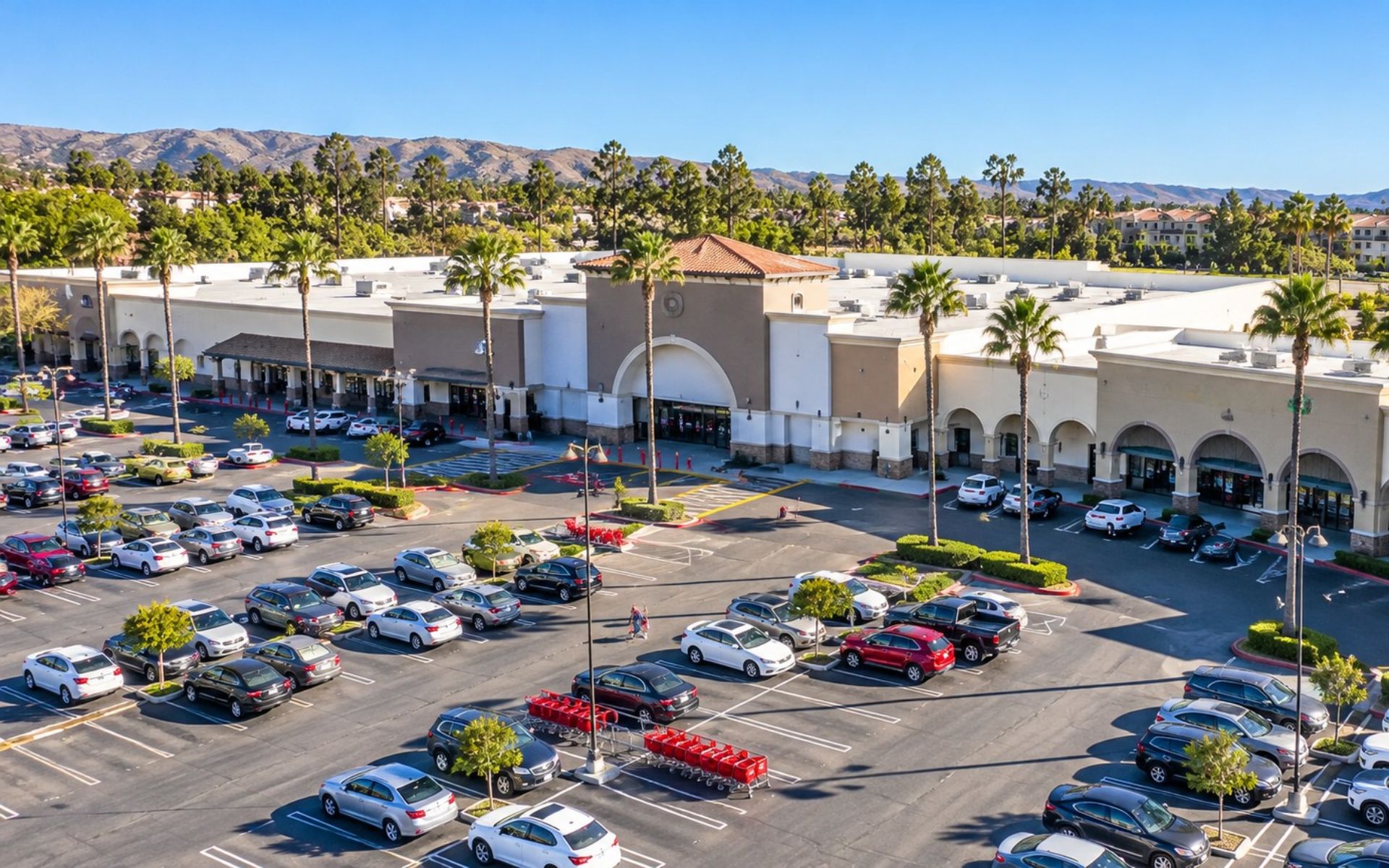
Portola Hills Shopping & Dining: What’s Nearby and What Requires a Drive
For buyers who like the foothill setting of Portola Hills, one tradeoff is worth understanding early: Portola Hills shopping and dining are more limited within the residential community itself. Portola Hills is primarily a residential area in eastern Lake Forest, California, surrounded by neighborhoods, parks, trails, and open space. That quieter setting is part of […]

Portola Hills Community Amenities: Parks, Pools, Trails & Planned Living
For buyers comparing communities in eastern Lake Forest, Portola Hills community amenities can be an important part of the decision. Portola Hills combines established neighborhoods with newer development around Portola Center, The Oaks at Portola Hills, and IronRidge. Depending on the individual property and homeowners association, residents may have access to swimming pools, clubhouses, neighborhood […]

Portola Hills Location & Commute: SR-241, Portola Parkway & Nearby Communities
For buyers considering eastern Lake Forest, the Portola Hills location and commute can be one of the community’s biggest advantages. Portola Hills sits in the foothills of Lake Forest, California, near Saddleback Ranch Road, Glenn Ranch Road, El Toro Road, Portola Parkway, and State Route 241. That location gives residents several ways to reach nearby […]
Join Our Mailing List
Are you interested in buying a home? Look no further than working with real estate experts.
Quick Links
Brokerage Info
25950 Acero., #100
Mission Viejo, CA 92691
DRE 01200533


All information is deemed reliable but not guaranteed and should be independently reviewed and verified.
Powered by Sprout Interactive

