
Parks, Trails & Outdoor Recreation in Lake Forest: A Local Guide
For buyers comparing South Orange County communities, Lake Forest parks are a major part of what makes the city feel different.
Lake Forest combines neighborhood parks, sports facilities, creekside trails, paved regional bikeways, dog parks, and access to foothill wilderness. The City’s General Plan specifically calls for an accessible park and trail system that connects neighborhoods, bikeways, open space, employment areas, and other community destinations.
That means outdoor recreation can look very different depending on where in Lake Forest you live.
A home near Foothill Ranch may provide easier access to wilderness trails, while another neighborhood may be closer to Serrano Creek Trail, Aliso Creek Trail, Lake Forest Sports Park, or one of the city’s many neighborhood parks.
Why Lake Forest Parks Stand Out
One of the strengths of Lake Forest parks is variety.
The city’s park system includes traditional neighborhood parks, larger sports facilities, playgrounds, walking paths, courts, dog parks, open space, and trail connections. City budget documents describe a system of 32 parks and hundreds of acres of maintained parkland and open space.
For buyers, the important question is not simply whether Lake Forest has parks.
It is which recreation options are closest to the neighborhood you are considering and whether those amenities match the way you actually spend your time.
Someone who hikes or mountain bikes may prioritize very different locations from a buyer who wants playgrounds, soccer fields, pickleball, or an easy paved walking route.
Whiting Ranch Wilderness Park
For buyers interested in hiking and mountain biking, Whiting Ranch Wilderness Park is one of the biggest outdoor draws near Lake Forest.
OC Parks describes Whiting Ranch as a 2,500-acre wilderness park used for hiking, horseback riding, and mountain biking. The official trail map includes routes such as Borrego Canyon Trail, Dreaded Hill Road, Red Rock Canyon Trail, Mustard Road, and several other trails with varying difficulty levels.
Whiting Ranch sits next to the Foothill Ranch side of Lake Forest, which makes it particularly relevant for buyers considering homes in that part of the city.
Different trails serve different users. For example, the official OC Parks map identifies Red Rock Canyon Trail as hiking-only, while many other routes are multi-use.
For someone who wants foothill scenery and quick access to more rugged recreation, proximity to Whiting Ranch can be an important neighborhood consideration.
Aliso Creek Trail Connects Lake Forest to a Larger Regional Network
The Aliso Creek Regional Trail provides a very different type of outdoor experience.
OC Parks describes the route as a paved bikeway with an adjacent unpaved trail following Aliso Creek for approximately 15 miles through Lake Forest, Laguna Hills, and Aliso Viejo. It connects Whiting Ranch Wilderness Park with Aliso and Wood Canyons Wilderness Park farther south.
Because it is a regional route rather than simply a neighborhood loop, the trail can work for:
- Walking
- Running
- Cycling
- Longer recreational rides
- Connecting between communities
- Accessing parks and open-space areas along the corridor
The City of Lake Forest also identifies Aliso Creek Trail on its local recreation map.
For buyers who want an easier paved route rather than steep wilderness trails, this can be an important part of the local recreation network.
Serrano Creek Trail Offers a More Neighborhood-Oriented Experience
Serrano Creek Trail is another important part of the Lake Forest trail system.
City environmental documents describe roughly a three-mile urban segment of Serrano Creek Park with paved and maintained trails running through developed residential and commercial areas.
The trail and surrounding park corridor create a more neighborhood-oriented recreation experience than Whiting Ranch.
Rather than heading into rugged wilderness, residents can use the corridor for walking, casual recreation, and moving through parts of the city while remaining within an established residential environment.
The City’s Lake Forest map also identifies Serrano Creek Trail and Serrano Creek Park as major local recreation features.
For some buyers, having this kind of everyday walking route nearby may matter more than having access to a major wilderness park.
Lake Forest Sports Park & Recreation Center
For organized sports and larger community recreation, the Lake Forest Sports Park & Recreation Center is one of the city’s major facilities.
The City’s park guide lists the complex at approximately 86 acres and identifies baseball and softball fields, soccer fields, recreation facilities, playgrounds, picnic areas, and walking facilities.
The recreation center also includes a gymnasium used for activities such as basketball, volleyball, pickleball, futsal, classes, and community programs.
The Sports Park also serves as a location for community events, including concerts, movies, and other City programming.
For households involved in youth sports or organized recreation, living within convenient driving distance of the Sports Park may be a meaningful lifestyle advantage.
Foothill Ranch Community Park
Foothill Ranch Community Park is another substantial recreation area, particularly relevant for residents in Foothill Ranch.
The City’s park guide lists the park at approximately 15.5 acres, with amenities including sports facilities, playground space, courts, picnic areas, and walking features.
Its location also places it relatively close to Whiting Ranch and other foothill recreation.
That combination gives Foothill Ranch residents access to both structured neighborhood recreation and more natural open-space experiences.
Pittsford Park, Heroes Park and Neighborhood Recreation
Not every buyer needs a huge regional park.
Smaller Lake Forest parks can matter just as much for daily life.
City park documents identify:
Pittsford Park at about 10 acres, with recreation facilities including playground and sports amenities.
Heroes Park at approximately 12.4 acres, with walking paths, baseball fields, soccer fields, picnic facilities, and restrooms.
Other parks such as Mountain View Park, Rimgate Park, Tamarisk Park, El Toro Park, Ranchwood Park, Peachwood Park, and neighborhood parks throughout Lake Forest add smaller recreation spaces closer to residential areas.
For buyers, these smaller parks can make a major difference because they may be the places used most often.
Portola Park and Newer Lake Forest Communities
Newer sections of Lake Forest also incorporate parks and trails into their planning.
Portola Park was developed with features including an accessible playground, pickleball courts, sand volleyball, dog areas, exercise equipment, and a walking path.
The larger Portola Center plan also includes public and private neighborhood parks, trails, more than 44 acres of open space, and a public perimeter trail designed to connect toward Whiting Ranch Regional Park.
That gives buyers another distinction to consider.
Older areas of Lake Forest may offer mature trees, established creekside paths, and long-standing parks, while newer communities may have recreation amenities incorporated directly into their master plans.
Etnies Skatepark of Lake Forest
Lake Forest also has one of the more distinctive recreation facilities in the area: Etnies Skatepark of Lake Forest.
The City operates the skatepark on Lake Forest Drive and continues to use it for skating programs, lessons, community events, and youth recreation.
For households with skateboarders or riders, this adds another type of recreation that many suburban communities do not offer at the same scale.
It also reinforces one of the strengths of Lake Forest parks overall: the recreation system is not limited to traditional playgrounds and ball fields.
Dog Parks and Pet-Friendly Recreation
Dog owners also have several recreation considerations when comparing Lake Forest neighborhoods.
The City park map identifies dedicated dog park facilities, including Barker Ranch Dog Park, as part of the broader recreation network.
Some newer parks and planned communities also incorporate dog areas and walking routes into their designs.
For buyers with pets, proximity to trails, dog parks, sidewalks, and open space may be worth comparing alongside home size, lot size, and neighborhood amenities.
Lake Forest Parks Can Feel Very Different by Neighborhood
One of the most important things buyers should understand is that outdoor access is not uniform across Lake Forest.
Someone living near Foothill Ranch or Portola Hills may prioritize Whiting Ranch, foothill trails, and newer community parks.
A buyer closer to Serrano Road may value Serrano Creek Trail and nearby neighborhood parks.
Homes closer to the western side of the city may offer easier access to Aliso Creek Trail, Heroes Park, El Toro Park, and other established recreation areas.
Newer communities such as Portola Center may provide private recreation amenities alongside public trails and open space.
This is why evaluating Lake Forest parks neighborhood by neighborhood is more useful than simply counting how many parks exist citywide.
What Buyers Should Look for When Comparing Outdoor Access
When touring homes in Lake Forest, consider how you actually plan to use outdoor space.
Ask yourself:
- Do you want a park you can walk to?
- Do you need soccer, baseball, tennis, or pickleball facilities?
- Are playgrounds important?
- Do you run or cycle regularly?
- Do you want easy paved trails or more challenging hiking?
- Is mountain biking important?
- Do you have a dog?
- Would you use Whiting Ranch regularly?
- Do you want recreation amenities inside your HOA?
- How far are you willing to drive for sports practices or weekend recreation?
A home that looks close to open space on a map may not necessarily provide the trail access or recreation facilities you expect.
The specific neighborhood still matters.
Frequently Asked Questions About Lake Forest Parks
Does Lake Forest have a lot of parks?
Yes. Lake Forest maintains an extensive network of neighborhood parks, larger community parks, sports facilities, trails, and open-space connections across the city. City budget documents have described a system of 32 parks.
What is the biggest park in Lake Forest?
Lake Forest Sports Park is one of the city’s largest municipal recreation facilities. The City’s park guide lists it at approximately 86 acres.
Is Whiting Ranch in Lake Forest?
Whiting Ranch Wilderness Park is an Orange County regional wilderness area directly adjacent to the Foothill Ranch portion of Lake Forest. It provides approximately 2,500 acres of hiking, riding, and mountain-biking terrain.
Does Lake Forest have hiking trails?
Yes. Buyers can access wilderness hiking at Whiting Ranch as well as trails and walking routes such as Serrano Creek Trail, Aliso Creek Trail, and local park paths.
Does Lake Forest have biking trails?
Yes. The Aliso Creek Regional Trail is a major paved regional route through Lake Forest, and Whiting Ranch includes designated mountain-bike trails.
Does Lake Forest have dog parks?
Yes. The City’s recreation map identifies dedicated dog park facilities, including Barker Ranch Dog Park.
Does Lake Forest have sports fields?
Yes. Lake Forest Sports Park, Heroes Park, Foothill Ranch Community Park, and other city parks include fields and courts for organized and casual recreation.
Are Lake Forest Parks an Important Part of Choosing a Neighborhood?
For many buyers, yes.
The strength of the Lake Forest parks system is not just the number of recreation spaces. It is the variety.
Within the same city, buyers can find foothill wilderness, paved regional trails, creekside walking paths, sports complexes, dog parks, skate facilities, neighborhood playgrounds, and newer master-planned recreation areas.
The best neighborhood depends on which of those amenities you are most likely to use.
If outdoor recreation is one of the reasons you are considering Lake Forest, compare the home not only by square footage and price, but also by its proximity to the parks, trails, sports facilities, and open spaces that fit your routine.
Explore More About Living in Lake Forest
Main Guide: 5 Reasons You’ll Love Living in Lake Forest and 3 Reasons It Might Not Be for You
Lake Guide: What It’s Really Like Living Near Lake Forest’s Two Lakes
Recent Updates
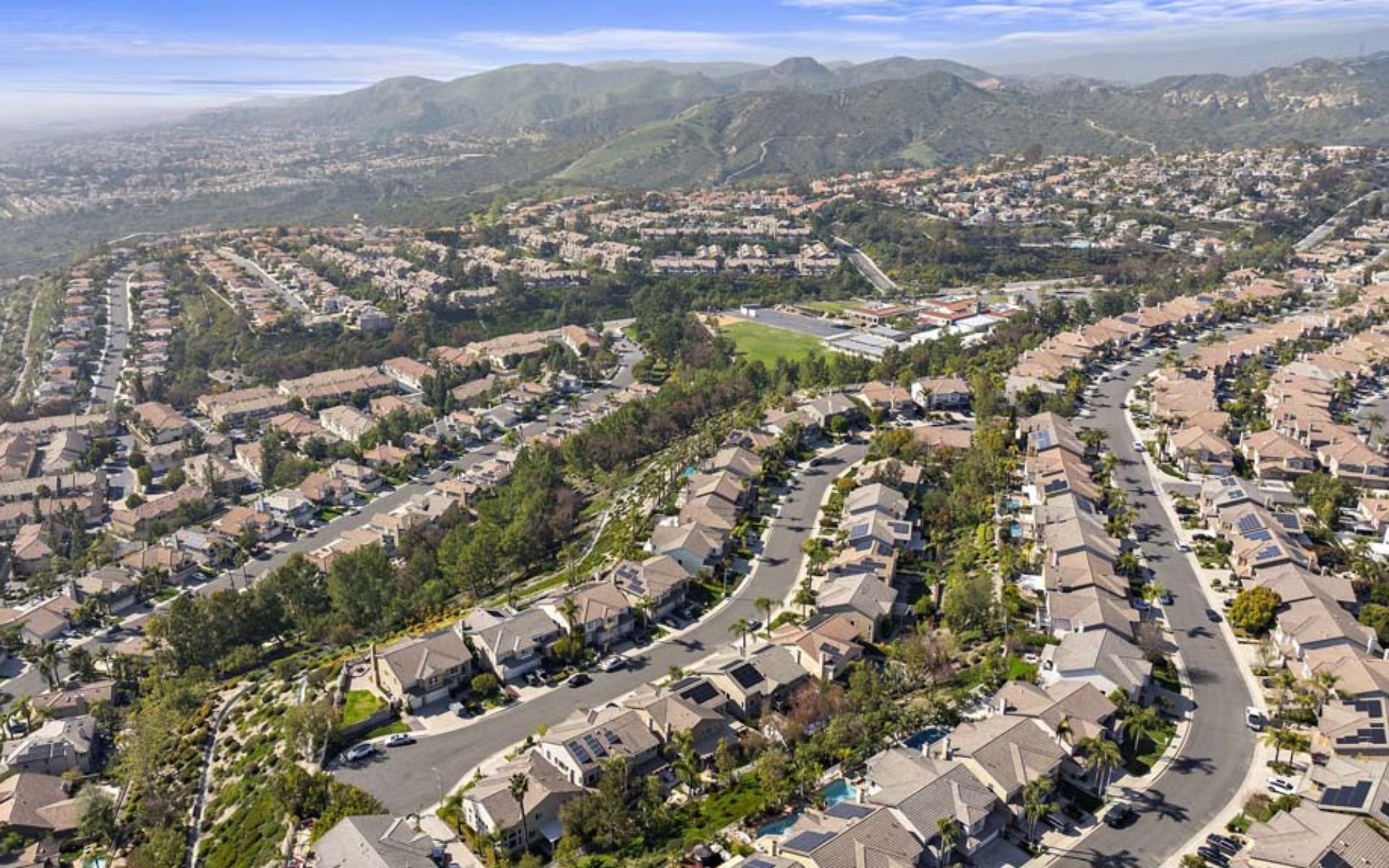
Portola Hills Neighborhoods and Homes: What Buyers Should Know
If you’re comparing Portola Hills neighborhoods and homes, one of the first things to understand is that Portola Hills is not a single subdivision with one type of property. Located on the foothill side of Lake Forest, California, Portola Hills includes established residential neighborhoods along with newer development around Portola Center. Buyers can find detached […]
5 Reasons You’ll Love Living in Portola Hills and 3 Reasons It Might Not Be for You
If you’re considering living in Portola Hills, CA, you’re probably looking for more than a list of homes for sale. You want to know what everyday life actually feels like. Portola Hills sits in the eastern foothill area of Lake Forest in South Orange County, where residential neighborhoods meet hills, open space, trails, and nearby […]
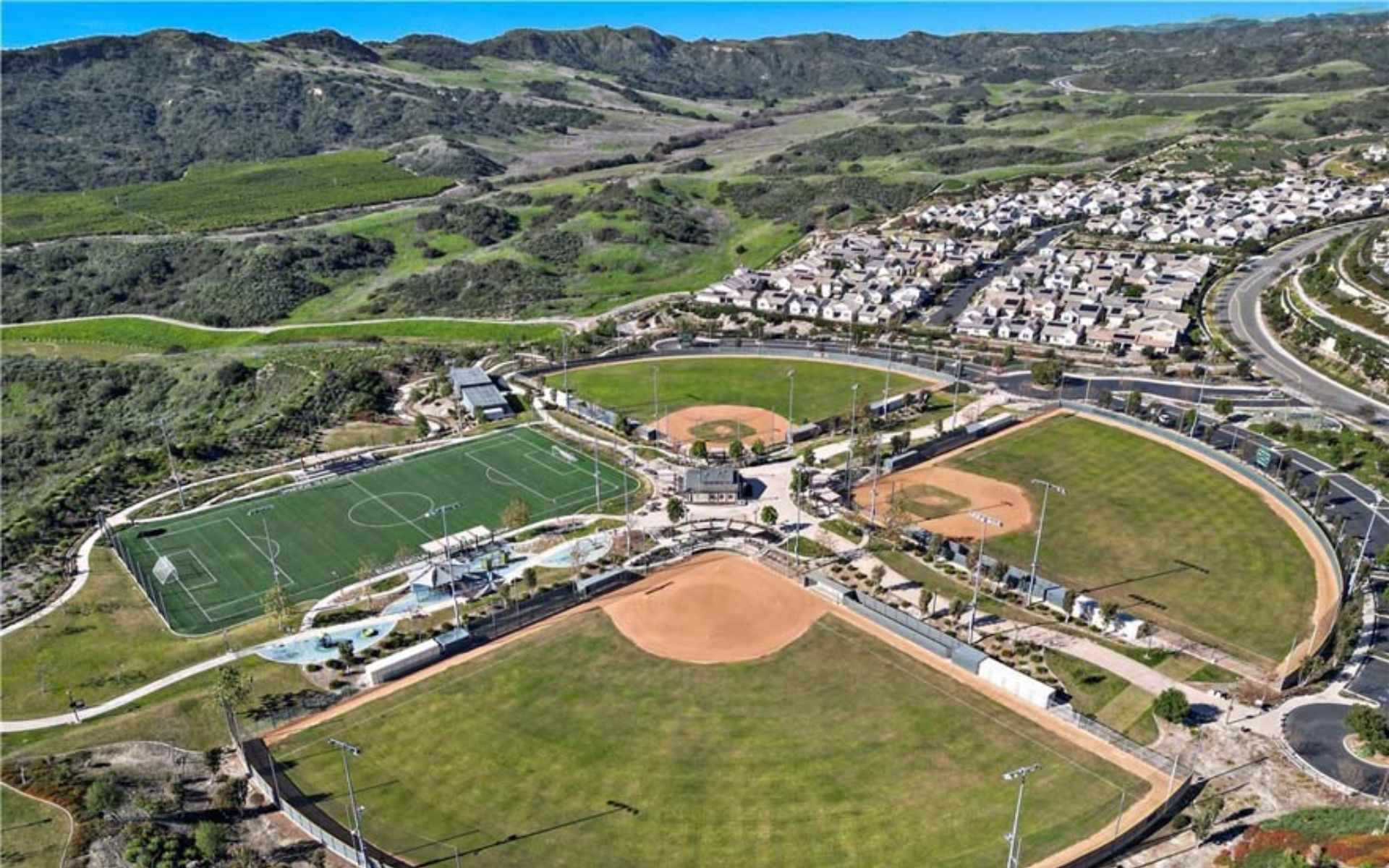
Ladera Ranch Inland Location: Beach and Freeway Access for Home Buyers
If you’re considering buying a home in Ladera Ranch, the Ladera Ranch inland location is an important lifestyle factor to understand before deciding whether the community fits the way you want to live. Ladera Ranch sits in South Orange County near Mission Viejo, Rancho Santa Margarita, Rancho Mission Viejo, and San Juan Capistrano. It offers […]
Join Our Mailing List
Are you interested in buying a home? Look no further than working with real estate experts.
Quick Links
Brokerage Info
25950 Acero., #100
Mission Viejo, CA 92691
DRE 01200533


All information is deemed reliable but not guaranteed and should be independently reviewed and verified.
Powered by Sprout Interactive

