
Lake Forest Neighborhoods & Master-Planned Living: What Buyers Should Know
For buyers exploring Lake Forest neighborhoods, one of the first things to understand is how much the housing experience can change from one part of the city to another.
Lake Forest includes older established residential areas, lake-oriented communities, foothill neighborhoods, gated developments, condominiums and townhomes, and newer master-planned communities. The City’s planning documents distinguish established portions of Lake Forest from planned communities such as Foothill Ranch and Portola Hills, while newer development has added communities including Baker Ranch, Serrano Summit, Portola Center, and The Meadows.
That variety is one of Lake Forest’s strengths, but it also means buyers should compare more than square footage and price.
Home age, HOA structure, amenities, lot size, terrain, access to parks and trails, nearby shopping, and community design can all vary depending on the neighborhood.
Why Lake Forest Neighborhoods Can Feel So Different
Not all Lake Forest neighborhoods were developed during the same period or under the same planning structure.
City planning documents note that areas such as Foothill Ranch, Portola Hills, and Serrano Highlands were developed as planned communities, while some older residential areas closer to I-5 did not develop under the same planned-community framework.
That history helps explain why one part of Lake Forest may have winding streets, mature trees, older homes, and long-established recreation facilities while another may have newer architecture, master-planned parks, pedestrian connections, and recently built community amenities.
For buyers, the city is better understood as a collection of distinct residential environments rather than one uniform housing market.
Established Lake Forest Neighborhoods
The older portions of Lake Forest offer many of the characteristics buyers associate with an established suburban community.
Depending on the area, buyers may find:
- Single-family homes built across several decades
- Mature landscaping
- Larger established trees
- Neighborhood parks
- Creekside trails
- Homes that have been remodeled to very different levels
- Condominiums and townhomes
- HOA and non-HOA properties
- Lake-oriented residential areas
These neighborhoods can be especially appealing to buyers who value an established streetscape and want to see how a community has matured over time.
The tradeoff is that two homes built in the same period may have completely different renovation histories.
One may retain many original features while another has undergone extensive remodeling.
Lake-Oriented Neighborhoods and Lake Forest Keys
Lake Forest’s two residential lakes create another distinct neighborhood experience.
Lake Forest Keys is one of the most recognizable examples. It is part of the Lake Forest II community and includes homes and townhouses associated with a private lake environment. The City’s older HOA inventory also identifies Lake Forest Keys as a Lake Forest II sub-association.
Buyers considering lake-oriented Lake Forest neighborhoods should pay close attention to the specific property’s association structure.
A home may involve:
- A master association
- A sub-association
- Lake-related privileges
- Private recreation amenities
- Community rules
- Multiple assessments
Lake proximity alone does not tell you exactly what membership or amenities come with a property.
For a deeper look at how the lake communities work, read our guide to Lake Forest’s two lakes.
Foothill Ranch
Foothill Ranch offers a noticeably different setting from older western Lake Forest.
It sits near Whiting Ranch Wilderness Park, Foothill Ranch Towne Centre, Portola Parkway, and SR-241. The City identifies Foothill Ranch as one of Lake Forest’s master-planned communities.
Housing here includes planned residential neighborhoods with nearby parks, commercial areas, schools, and access to foothill recreation.
For buyers who regularly hike, bike, or spend time near Whiting Ranch, the location may be especially relevant.
Foothill Ranch can also feel more separated from the El Toro Road and I-5 side of Lake Forest, so buyers should consider which roads and destinations they expect to use most often.
Portola Hills
Portola Hills is another established planned community on the foothill side of Lake Forest.
The community sits near Whiting Ranch and the Portola Parkway/Saddleback Ranch Road area. City planning materials identify Portola Hills as one of the planned communities incorporated into Lake Forest.
Its foothill location can create a different residential environment from neighborhoods closer to I-5.
Terrain, views, street layout, HOA structure, trail access, and driving routes can all become important considerations when comparing homes in this part of the city.
This is a good example of why buyers should evaluate Lake Forest neighborhoods individually rather than assuming every address offers the same lifestyle.
Baker Ranch
Baker Ranch represents a newer generation of Lake Forest housing.
The original Baker Ranch development area was part of a large site north of Commercentre Drive and south of SR-241 that was planned for new residential development as part of the City’s Opportunities Study process.
Today, Baker Ranch is known for newer homes, master-planned streets, parks, trails, and community recreation amenities.
Compared with older Lake Forest neighborhoods, buyers may notice:
- Newer architecture
- More recent building standards
- Master-planned landscaping
- Community recreation facilities
- Newer parks and trails
- Different lot configurations
- More uniform neighborhood design
The newer housing is part of the appeal for some buyers, while others may prefer the mature trees, larger established streetscapes, or lake-oriented character found elsewhere in the city.
Serrano Summit
Serrano Summit is another newer planned community within Lake Forest.
The City’s approved area plan was designed around a mix of housing types and emphasized pedestrian connections, open spaces, recreation areas, and neighborhood walkability. The plan allows a combination of detached, attached, and multifamily housing forms.
The City’s Housing Element identified Serrano Summit as a 537-home project during its development period.
For buyers, Serrano Summit illustrates how newer Lake Forest neighborhoods can differ from the city’s older residential areas.
The community was planned around a cohesive design rather than evolving gradually over several decades.
Portola Center
Portola Center is one of Lake Forest’s larger newer development areas.
According to the City, the nearly 196-acre development was approved for a combination of single-family homes, multi-family housing, commercial space, parks, trails, recreation facilities, and open space. At full buildout, City plans call for 926 homes, a five-acre public park, private neighborhood parks, more than 44 acres of open space, and a public perimeter trail with connections toward Whiting Ranch.
That gives buyers a good example of how master-planned development can combine housing with recreation and trail infrastructure from the beginning.
It also makes property-specific research important because individual neighborhoods within a large development may have different housing types, HOA arrangements, and amenities.
The Meadows
The Meadows adds another newer housing option within Lake Forest.
The City’s Housing Element describes the development as a 126-acre subdivision planned with 541 single-family homes across five neighborhoods, a senior affordable housing component, and more than 20 acres devoted to parks, open space, and habitat restoration.
Compared with established parts of Lake Forest, The Meadows gives buyers another opportunity to consider newer construction and more recently planned neighborhood design.
As with the city’s other newer communities, buyers should verify the exact HOA, taxes, amenities, and property-specific obligations rather than assuming they are identical across Lake Forest.
Newer Lake Forest Neighborhoods vs. Established Neighborhoods
One of the most useful comparisons for buyers is not simply one neighborhood versus another.
It is newer master-planned living versus established residential living.
Established neighborhoods may offer:
- Mature trees and landscaping
- Homes on streets that have existed for decades
- A mix of renovated and original properties
- Established parks and trails
- Lake-oriented communities
- More variation from home to home
- Potentially different HOA structures
Newer communities may offer:
- More recent construction
- Contemporary floor plans
- Master-planned streets and landscaping
- Newer recreation facilities
- Planned pedestrian connections
- Community pools, parks, or club amenities
- More consistent architectural design
Neither type is automatically the better choice.
The right fit depends on the property and the buyer’s priorities.
HOA Structures Vary Across Lake Forest Neighborhoods
HOAs are another reason buyers should avoid treating Lake Forest neighborhoods as interchangeable.
Some properties have long-established master associations. Others may have sub-associations, newer community associations, or different fee structures.
The City maintains an HOA mapping resource that allows users to search properties by address, parcel number, or HOA name, which can be useful as an initial research tool.
However, buyers should rely on the current property disclosures and HOA documents for the final details.
Important questions include:
- How many associations apply?
- What are the current assessments?
- What amenities are included?
- Are there special assessments?
- Are there architectural restrictions?
- Are there recreation facilities?
- Who maintains common areas?
- Are there Mello-Roos or other special tax obligations?
We’ll cover those issues in more detail in the dedicated Lake Forest HOA and Mello-Roos guide later in this series.
Parks and Trails Can Help Define a Neighborhood
Outdoor access is another major distinction between different parts of Lake Forest.
The City map shows how neighborhoods relate to destinations such as Whiting Ranch Wilderness Park, Foothill Ranch Community Park, Baker Ranch Community Park, Portola-area parks, and Lake Forest Sports Park.
Buyers near foothill communities may prioritize Whiting Ranch.
Someone in an older part of the city may place more value on Serrano Creek Trail or Aliso Creek Trail.
Newer developments may include their own parks, open space, and pedestrian connections.
If outdoor recreation matters to your home search, read our Lake Forest parks and trails guide.
Shopping Access Also Changes by Neighborhood
Neighborhood location can shape everyday errands.
Foothill Ranch and eastern Lake Forest have convenient access to the Foothill Ranch commercial area, while central and western neighborhoods may rely more heavily on El Toro Road, Lake Forest Drive, and shopping centers closer to I-5.
The City’s General Plan identifies Foothill Ranch Towne Center, El Toro Road, Lake Forest Drive, and the Civic Center area as major focus areas for commercial and mixed-use activity.
That means two homes in Lake Forest can offer very different relationships to groceries, restaurants, freeway access, parks, and everyday services.
Our Lake Forest shopping and dining guide breaks down those differences in more detail.
Home Age Matters, but Condition Matters More
Lake Forest’s housing variety also means buyers will encounter properties built across very different eras.
The City even provides a Homes by Year Built mapping tool, which illustrates how housing age varies throughout Lake Forest.
Year built can help provide context, but it should not be evaluated by itself.
An older home may have undergone major improvements, while a newer property can still have maintenance issues.
When comparing homes, look at:
- Roof
- HVAC
- Plumbing
- Electrical systems
- Windows
- Kitchen and bathroom renovations
- Exterior improvements
- Permits
- Drainage
- Landscaping
- HOA responsibilities
The overall condition and quality of improvements often matter more than one number on the listing.
What Buyers Should Compare Between Lake Forest Neighborhoods
When touring homes, consider both the property and the surrounding community.
Ask:
- How old is the neighborhood?
- Is it master-planned?
- What type of housing dominates the area?
- Is there an HOA?
- Are there multiple associations?
- What recreation facilities are included?
- How close are parks and trails?
- How convenient is shopping?
- Which roads will you use most?
- How easy is I-5 or SR-241 access?
- Are you looking for mature landscaping or newer construction?
- Do you prefer a lake-oriented community?
- Would you use community pools or club amenities?
- How much value do you place on newer floor plans versus an established setting?
Those questions can help narrow a Lake Forest search much more effectively than looking at price alone.
Frequently Asked Questions About Lake Forest Neighborhoods
What are some of the main neighborhoods and communities in Lake Forest?
Lake Forest includes established residential areas as well as communities such as Foothill Ranch, Portola Hills, Baker Ranch, Serrano Summit, Portola Center, The Meadows, and lake-oriented neighborhoods such as Lake Forest Keys. City documents also identify several of these areas as planned communities or newer development areas.
Does Lake Forest have newer homes?
Yes. Lake Forest includes both older housing and more recent master-planned development. Baker Ranch, Serrano Summit, Portola Center, and The Meadows are examples of newer residential development compared with the city’s established neighborhoods.
Are Foothill Ranch and Portola Hills part of Lake Forest?
Yes. City materials identify both Foothill Ranch and Portola Hills as master-planned communities within Lake Forest.
Are there gated communities in Lake Forest?
Yes. Gated neighborhoods exist in portions of Lake Forest, and the Serrano Summit Area Plan specifically permits gated residential areas within that development.
Do all Lake Forest neighborhoods have HOAs?
No. HOA structure varies by property and neighborhood. Some homes may belong to a master HOA, others may have more than one association, and some properties may have a different or more limited association structure. Buyers should verify the exact property.
Does every Lake Forest neighborhood have the same amenities?
No. Recreation facilities, pools, parks, trails, lake privileges, club access, and other amenities are property- and community-specific.
Which Lake Forest neighborhoods are closest to Whiting Ranch?
Foothill Ranch, Portola Hills, and parts of the newer northeastern Lake Forest development areas are positioned closest to Whiting Ranch Wilderness Park.
Is Lake Forest mostly older homes or newer homes?
It has both. That mix is one of the defining characteristics of the city. Buyers can compare established neighborhoods with newer master-planned communities within Lake Forest.
Which Lake Forest Neighborhood Is Right for You?
There is no single Lake Forest neighborhood that works for every buyer.
Someone who wants newer construction and modern community amenities may focus on a different part of the city than someone who prefers mature landscaping, lake access, an established home, or proximity to Whiting Ranch.
That is why comparing Lake Forest neighborhoods should involve more than the house itself.
Look at the neighborhood design, housing age, HOA structure, amenities, trails, shopping, commute routes, and the places you expect to use every week.
The goal is not simply to find a home in Lake Forest.
It is to find the part of Lake Forest that fits the way you want to live.
Explore More About Living in Lake Forest
Main Guide: 5 Reasons You’ll Love Living in Lake Forest and 3 Reasons It Might Not Be for You
Lake Guide: What It’s Really Like Living Near Lake Forest’s Two Lakes
Parks & Trails: Parks, Trails & Outdoor Recreation in Lake Forest: A Local Guide
Shopping & Dining: Shopping, Dining & Everyday Convenience in Lake Forest: A Local Guide
Recent Updates
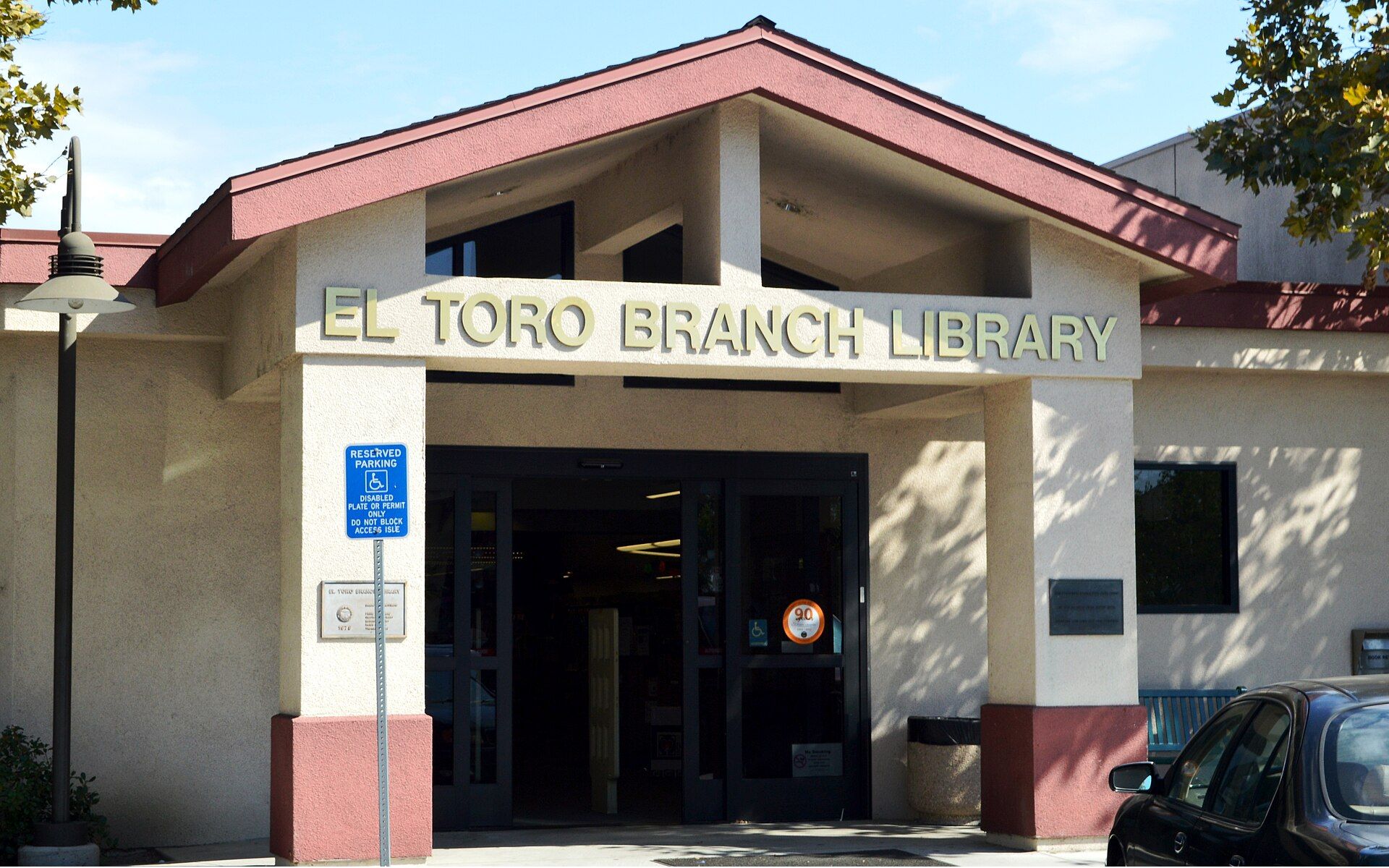
Shopping, Dining & Everyday Convenience in Lake Forest: A Local Guide
For buyers considering a move to South Orange County, Lake Forest shopping is less about one central downtown and more about having several commercial areas spread across the city. Residents can find groceries, restaurants, big-box retail, fitness, professional services, entertainment, and everyday errands along corridors such as El Toro Road and Lake Forest Drive, as […]
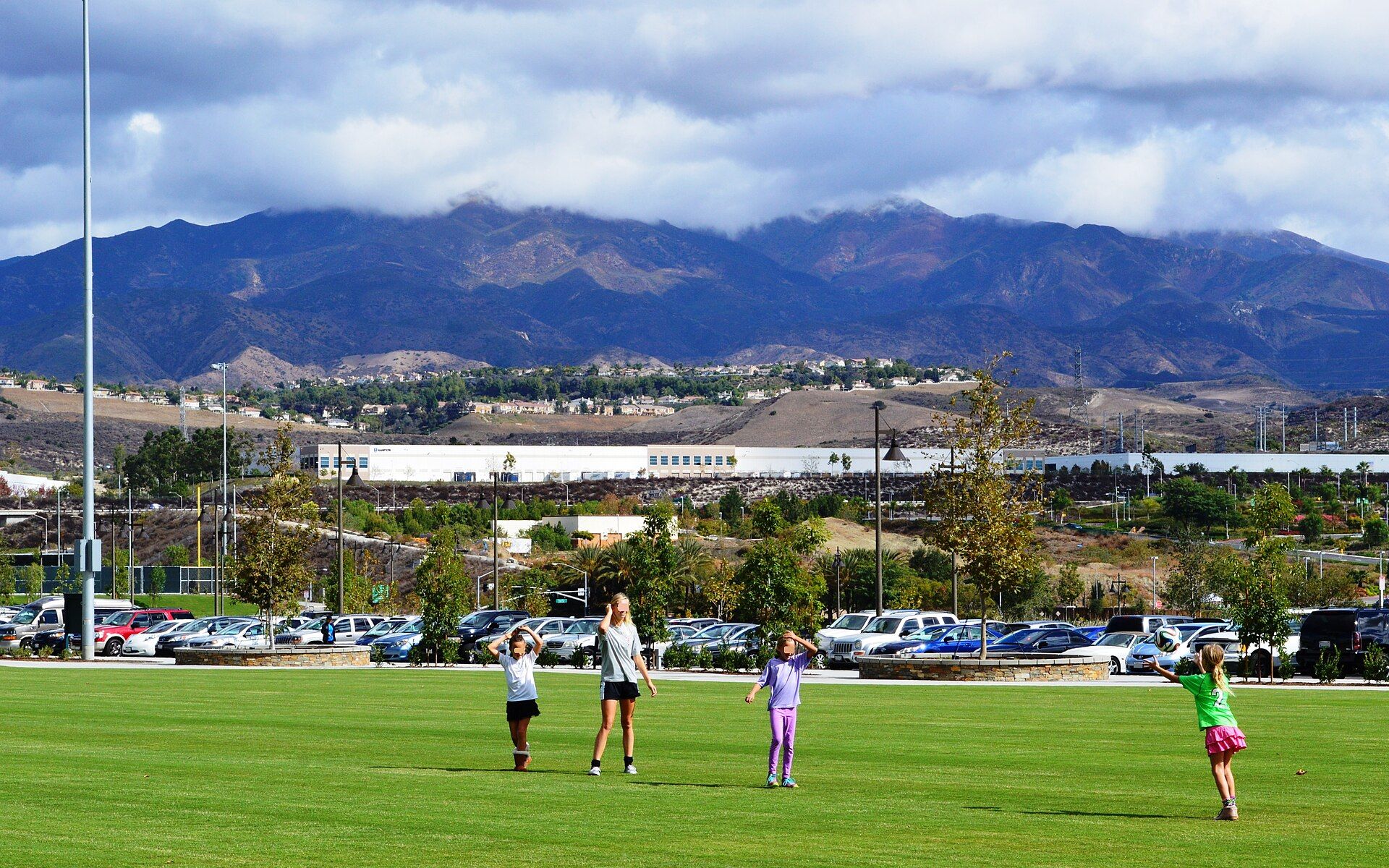
Parks, Trails & Outdoor Recreation in Lake Forest: A Local Guide
For buyers comparing South Orange County communities, Lake Forest parks are a major part of what makes the city feel different. Lake Forest combines neighborhood parks, sports facilities, creekside trails, paved regional bikeways, dog parks, and access to foothill wilderness. The City’s General Plan specifically calls for an accessible park and trail system that connects […]
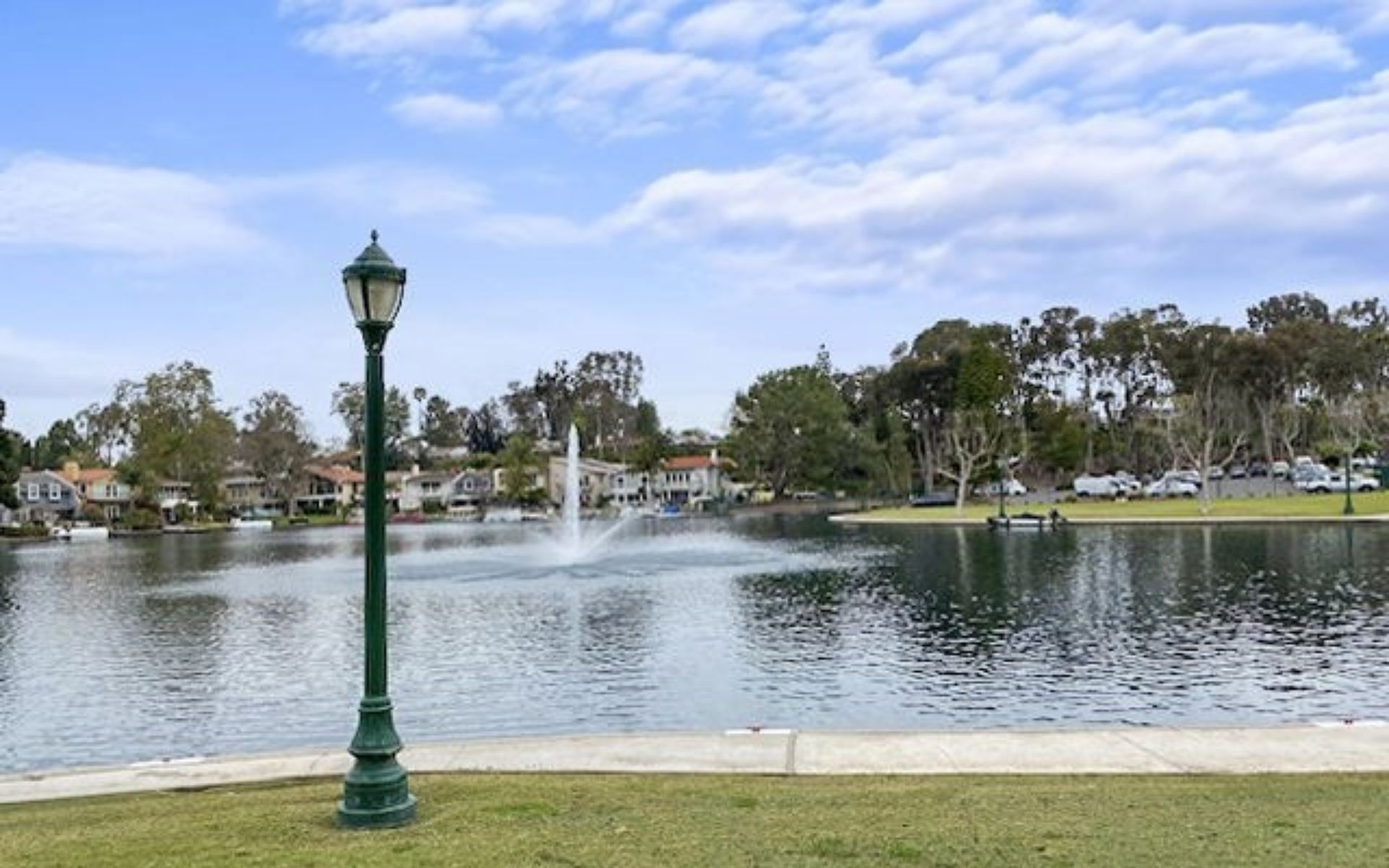
What It’s Really Like Living Near Lake Forest’s Two Lakes
For buyers exploring Lake Forest lakes, one of the first things to understand is that the city’s lake lifestyle is more property-specific than the name “Lake Forest” might suggest. Lake Forest has two man-made lakes located within residential developments, and the city itself notes that these lakes are part of the community’s identity. But buying […]
Join Our Mailing List
Are you interested in buying a home? Look no further than working with real estate experts.
Quick Links
Brokerage Info
25950 Acero., #100
Mission Viejo, CA 92691
DRE 01200533


All information is deemed reliable but not guaranteed and should be independently reviewed and verified.
Powered by Sprout Interactive

