
Portola Hills Shopping & Dining: What’s Nearby and What Requires a Drive
For buyers who like the foothill setting of Portola Hills, one tradeoff is worth understanding early: Portola Hills shopping and dining are more limited within the residential community itself.
Portola Hills is primarily a residential area in eastern Lake Forest, California, surrounded by neighborhoods, parks, trails, and open space. That quieter setting is part of the appeal, but it also means residents generally drive toward Foothill Ranch, Portola Parkway, El Toro Road, Rancho Santa Margarita, or other parts of Lake Forest for groceries, restaurants, larger shopping trips, and many everyday services.
The good news is that Portola Hills is not isolated from retail. Foothill Ranch Towne Centre and other eastern Lake Forest commercial areas are nearby, and the City identifies Foothill Ranch Towne Centre as one of Lake Forest’s major retail and dining districts.
For buyers, the real question is not whether shopping and restaurants exist nearby.
It is whether you are comfortable driving to them rather than having a large commercial district inside the neighborhood.
Here is what buyers should know about Portola Hills shopping and dining before deciding whether this foothill community fits their lifestyle.
Portola Hills Shopping and Dining at a Glance
Residents generally look beyond the immediate residential streets of Portola Hills for:
- Grocery shopping
- Restaurants and cafés
- Big-box retail
- Pharmacy and medical errands
- Fitness
- Specialty stores
- Takeout and casual dining
- Entertainment
- Larger shopping trips
The most relevant commercial areas for many Portola Hills residents include:
- Foothill Ranch Towne Centre
- Portola Parkway
- Foothill Ranch
- El Toro Road
- Lake Forest Drive
- Rancho Santa Margarita
- Other central Lake Forest retail corridors
Lake Forest’s planning documents identify commercial activity along El Toro Road, Lake Forest Drive, and the SR-241 corridor, with centers including Foothill Ranch Towne Centre and The Orchard at Saddleback.
Why Portola Hills Feels More Residential Than Commercial
Portola Hills was developed primarily as a residential foothill community.
That means the neighborhood experience is centered more around:
- Homes
- Parks
- Trails
- Community recreation
- Open space
- Whiting Ranch
- Neighborhood amenities
rather than storefronts lining the streets.
For some buyers, that is exactly the point.
You can return home to a quieter residential environment without having a major shopping center immediately outside your neighborhood.
For others, especially buyers accustomed to walking to coffee shops, restaurants, grocery stores, or entertainment, the layout may feel less convenient.
Understanding that difference is important when comparing Portola Hills with more commercially concentrated parts of South Orange County.
What About Shopping Within Portola Center?
Portola Center was approved as more than just residential development.
The City of Lake Forest’s current Portola Center information describes the nearly 196-acre project as including 926 homes and approximately 10,000 square feet of commercial area, along with parks, trails, recreation, and open space.
That commercial component is useful context, but buyers should be careful not to interpret it as meaning Portola Center functions like a large mixed-use shopping district.
Ten thousand square feet is relatively modest compared with a major retail center.
Portola Hills residents should still expect many shopping and dining trips to take them toward Foothill Ranch or other parts of Lake Forest.
When purchasing a home, verify what commercial businesses are currently operating rather than relying only on long-range planning documents.
Foothill Ranch Towne Centre Is One of the Most Important Nearby Shopping Areas
For many Portola Hills households, Foothill Ranch Towne Centre is likely to be one of the most useful nearby retail areas.
The City of Lake Forest specifically identifies the center as a major retail area, and its broader commercial district includes shopping, restaurants, services, fitness, and other everyday destinations.
Its position along the Portola Parkway / Foothill Ranch corridor makes it especially relevant to residents of:
- Portola Hills
- Foothill Ranch
- Portola Center
- The Oaks
- IronRidge
- Other eastern Lake Forest neighborhoods
This means Portola Hills buyers do not need to drive across the entire city for basic errands.
But they will usually still get in the car.
That distinction matters.
What Can You Find Around Foothill Ranch?
The broader Foothill Ranch retail area includes a mix of:
- Grocery and big-box shopping
- Pharmacy
- Fitness
- Restaurants
- Coffee and quick-service dining
- Medical services
- Personal services
- Specialty retail
Current Lake Forest Chamber listings show businesses along Portola Parkway such as Urban Grill and Wine Bar, Bravo Avo Greek & Mediterranean Restaurant, Raising Cane’s, Dunkin’, Cuca’s Mexican Food, and The Redbird Hot Chicken & Fries, illustrating the range of dining options concentrated around Foothill Ranch rather than within Portola Hills itself.
Restaurants change, so buyers should always check current businesses rather than treating a list like this as permanent.
Portola Hills Dining Is More About Nearby Options Than a Neighborhood Restaurant District
This is probably the simplest way to understand dining in Portola Hills.
The community does not function like an urban neighborhood where residents walk from home to a restaurant district.
Instead, dining is spread across nearby commercial corridors.
Residents may head toward:
- Foothill Ranch
- Portola Parkway
- El Toro Road
- Central Lake Forest
- Rancho Santa Margarita
- Mission Viejo
depending on what they want to eat and how far they are willing to drive.
That creates plenty of choices within the broader area, but the experience is different from having restaurants concentrated inside Portola Hills itself.
Dining Around Portola Parkway
The Portola Parkway corridor is particularly important for eastern Lake Forest.
Restaurants and commercial centers along and near Portola Parkway give Portola Hills residents relatively convenient access to quick meals, casual dining, coffee, takeout, and sit-down restaurants.
The Lake Forest Chamber’s current business listings include multiple restaurants with Foothill Ranch addresses along Portola Parkway, reinforcing the corridor’s role as one of the closest dining concentrations for Portola Hills.
For buyers who are comfortable driving a few minutes for dinner or coffee, this may feel entirely normal.
If you expect to walk from your front door to a café every morning, the experience will be different.
El Toro Road Expands the Shopping and Dining Options
Travel farther into Lake Forest and El Toro Road opens up a much larger range of restaurants, shopping centers, services, and everyday destinations.
The City identifies El Toro Road as one of Lake Forest’s major commercial corridors.
The Lake Forest Chamber currently lists dining businesses along or near El Toro Road, including restaurants, cafés, fast-casual options, and other food businesses.
For Portola Hills residents, this means the shopping and dining landscape grows significantly once you leave the immediate foothill neighborhoods.
The tradeoff is the drive.
Lake Forest Drive Adds Another Commercial Corridor
Lake Forest Drive is another major retail and service corridor within the city.
The City’s business-area maps identify Lake Forest Drive as one of Lake Forest’s important commercial areas, along with El Toro Road and Foothill Ranch.
Residents heading toward central or western Lake Forest may use this area for:
- Restaurants
- Grocery trips
- Specialty shops
- Services
- Appointments
- Other everyday errands
This gives Portola Hills residents more choices, but those destinations are generally less immediate than the Foothill Ranch shopping areas.
Rancho Santa Margarita Adds More Nearby Options
Rancho Santa Margarita is another community Portola Hills residents may use for shopping, restaurants, activities, and services.
Because Portola Hills sits toward the eastern side of Lake Forest, some RSM destinations may make sense depending on the home and the resident’s normal driving patterns.
This is especially true for households whose routines already take them toward Santa Margarita Parkway or SR-241.
The important point is that Portola Hills shopping is not limited by the Lake Forest city boundary.
Residents can choose among several nearby communities.
Everyday Errands May Be Easy, Even If They Are Not Walkable
There is a difference between convenient and walkable.
Many everyday errands from Portola Hills may be reasonably close by car.
That does not necessarily mean you can accomplish them on foot.
For example, a buyer may have convenient driving access to:
- Grocery stores
- Pharmacy
- Coffee
- Restaurants
- Fitness
- Medical offices
- Big-box retail
while still needing a vehicle for most trips.
For some buyers, that is perfectly acceptable.
For others, walkability is an important lifestyle priority.
Is Portola Hills Walkable to Shopping and Restaurants?
Generally, buyers should think of Portola Hills as a car-oriented residential community rather than a walkable retail district.
There are neighborhood sidewalks, trails, parks, and pedestrian connections, but those are different from having a dense collection of restaurants and stores within walking distance.
Portola Center was planned with pedestrian pathways and trails connecting residential and recreation areas, but the commercial component remains small relative to the size of the development.
If walkability to restaurants and shops is one of your highest priorities, test the route from the exact home before buying.
Trails and Walkability Are Not the Same Thing
Portola Hills has a strong outdoor-recreation story.
Residents can be close to:
- Whiting Ranch
- Neighborhood trails
- Walking paths
- Portola Park
- Open space
But a community can be excellent for walking recreationally without being especially walkable for shopping and errands.
That distinction is important.
Someone who wants morning trail walks may love Portola Hills.
Someone who wants to walk to dinner, a grocery store, and a coffee shop may prefer a different neighborhood.
How Your Portola Hills Neighborhood Can Affect Convenience
Not every Portola Hills property has the same relationship to nearby shopping.
A home closer to Glenn Ranch Road or Saddleback Ranch Road may offer a different route than a property deeper inside an established neighborhood.
The Oaks, IronRidge, Portola Center, and older Portola Hills neighborhoods also sit differently in relation to the surrounding road network.
When touring a home, look at:
- How quickly you can leave the neighborhood
- Which road you use toward Foothill Ranch
- Which shopping center is most convenient
- How many signals or turns are involved
- Whether you would naturally drive toward Lake Forest or Rancho Santa Margarita
Those details can change your everyday experience more than a map suggests.
Grocery Shopping From Portola Hills
Portola Hills itself should not be evaluated as a major grocery-shopping destination.
Instead, residents typically use nearby commercial areas in Foothill Ranch and the rest of Lake Forest.
Larger retail centers in the Foothill Ranch area include grocery, pharmacy, big-box retail, dining, and other everyday services, which is one reason that area functions as an important commercial hub for eastern Lake Forest.
If you have a particular grocery store you use every week, test that trip from the home you are considering.
A buyer who shops once a week may evaluate the distance differently from someone making frequent smaller trips.
What About Coffee and Quick Meals?
For coffee, breakfast, quick-service restaurants, and takeout, the Foothill Ranch and Portola Parkway areas provide a number of options.
Current local business listings show cafés and quick-service dining distributed throughout this eastern Lake Forest commercial corridor.
Again, the issue is not lack of choice.
The tradeoff is that most residents will drive rather than walk.
What About Date-Night or Sit-Down Dining?
For buyers who want more sit-down dining options, the search can expand beyond immediate Foothill Ranch.
Restaurants are distributed throughout:
- Foothill Ranch
- El Toro Road
- Lake Forest Drive
- Rancho Santa Margarita
- Mission Viejo
- Other nearby South Orange County communities
Our Lake Forest shopping and dining guide also notes that Lake Forest does not revolve around one traditional downtown restaurant district. Instead, commercial options are distributed across several corridors and shopping centers. Shopping, Dining & Everyday Convenience in Lake Forest: A Local Guide
That pattern is particularly relevant to Portola Hills.
Portola Hills Shopping vs. Central Lake Forest
This is one of the clearest differences buyers may notice.
A home in central or western Lake Forest may place you closer to larger concentrations of:
- Grocery stores
- Restaurants
- Shopping centers
- Services
- El Toro Road
- Lake Forest Drive
- I-5-area retail
Portola Hills trades some of that immediate commercial proximity for:
- Foothill surroundings
- Open space
- Trails
- Whiting Ranch access
- Planned-community recreation
- A more residential setting
Neither lifestyle is inherently better.
The choice depends on what you want closest to home.
Portola Hills Shopping vs. Foothill Ranch
Foothill Ranch is an especially useful comparison because it is nearby but has a larger concentration of commercial activity.
Foothill Ranch Towne Centre gives that community more immediate access to retail and restaurants.
Portola Hills generally feels more residential.
That can make Foothill Ranch attractive to someone who wants shopping closer to home, while Portola Hills may appeal more to someone prioritizing foothill neighborhoods, trails, open space, or a particular home.
Buyers frequently comparing the two should drive from actual listings to the stores and restaurants they expect to use.
Portola Hills Shopping vs. Rancho Santa Margarita
Rancho Santa Margarita also offers its own commercial districts and restaurant options.
A buyer choosing between RSM and Portola Hills may want to consider:
- Home style
- HOA amenities
- Trails
- Shopping convenience
- Restaurant access
- Commute
- Neighborhood feel
Portola Hills may offer the foothill residential environment you prefer, while an RSM property may place certain commercial destinations closer to your daily routine.
The better choice depends on the household.
Is Limited Shopping Actually a Negative?
Not necessarily.
This is why it belongs in the “might not be for you” section rather than being presented as a universal disadvantage.
Some buyers specifically want to live away from heavy commercial traffic.
They may prefer:
- Fewer retail destinations inside the neighborhood
- Less commercial activity near their street
- A quieter residential atmosphere
- Access to trails and hills instead of storefronts
For those buyers, driving a few minutes to Foothill Ranch may be a reasonable trade.
Other buyers want a neighborhood where errands, meals, coffee, and entertainment are immediately outside the door.
Portola Hills may feel less convenient to them.
Who May Be Comfortable With Portola Hills Shopping and Dining?
The location may work well if you:
- Are comfortable driving for most errands
- Prefer a residential setting over a mixed-use district
- Regularly shop in Foothill Ranch
- Use Portola Parkway or SR-241 frequently
- Do not need restaurants within walking distance
- Value parks, trails, and open space more than storefronts
- Are comfortable exploring restaurants throughout Lake Forest and nearby communities
Who May Find It Less Convenient?
Portola Hills may require more adjustment if you:
- Want to walk to coffee or dinner
- Prefer a dense restaurant district
- Make frequent small grocery trips
- Want nightlife immediately nearby
- Depend heavily on walking for errands
- Prefer living directly beside a large shopping center
- Want most daily destinations within a few blocks
None of those preferences makes Portola Hills a bad choice.
They simply help determine whether the community matches your lifestyle.
What Buyers Should Test Before Purchasing
If shopping and dining convenience matters to you, test it the same way you would test a commute.
From the actual home, drive to:
- Your preferred grocery store
- Coffee shop
- Pharmacy
- Gym
- Favorite type of restaurant
- Target or other frequently used retail
- Medical appointments
- Weekend shopping destinations
Do it at the times you are likely to make those trips.
Then ask yourself whether the distance feels normal or inconvenient.
A five- or ten-minute difference on paper can feel very different depending on how often you make the trip.
Explore Lake Forest Shopping and Dining in More Detail
Because Portola Hills is part of Lake Forest, buyers may also want to read Shopping, Dining & Everyday Convenience in Lake Forest: A Local Guide.
That guide covers the larger commercial landscape around Foothill Ranch Towne Centre, El Toro Road, Lake Forest Drive, and other Lake Forest shopping areas, making it a useful companion to this Portola Hills article.
Portola Hills Shopping and Dining FAQ
Does Portola Hills have shopping?
Portola Hills is primarily residential. Portola Center includes a planned commercial component, but residents generally use nearby commercial areas such as Foothill Ranch Towne Centre and other Lake Forest shopping corridors for many everyday errands.
Are there restaurants in Portola Hills?
Restaurant choices are more concentrated in nearby Foothill Ranch and other Lake Forest commercial areas rather than throughout the residential streets of Portola Hills.
What is the closest major shopping area to Portola Hills?
For many residents, Foothill Ranch Towne Centre and the surrounding Portola Parkway commercial area are among the most convenient major retail concentrations. The City identifies Foothill Ranch Towne Centre as one of Lake Forest’s principal shopping areas.
Is Foothill Ranch Towne Centre near Portola Hills?
Yes. Foothill Ranch is adjacent to the broader Portola Hills area and provides shopping, dining, services, and other commercial destinations for eastern Lake Forest residents.
Can you walk from Portola Hills to restaurants?
That depends on the exact property and destination, but buyers should generally think of Portola Hills as a car-oriented residential community, not a dense walkable restaurant district.
Does Portola Center include retail?
The City’s current Portola Center plan includes approximately 10,000 square feet of commercial area at build-out. Buyers should verify which businesses and spaces are currently operating.
Where do Portola Hills residents go for dining?
Depending on preference, residents may use restaurants around Foothill Ranch, Portola Parkway, El Toro Road, Lake Forest Drive, Rancho Santa Margarita, Mission Viejo, and other nearby South Orange County areas.
Is Portola Hills good for someone who wants a walkable lifestyle?
It may be less suitable if walking to stores, restaurants, and cafés is a major priority. Its strongest walkability features are more focused on neighborhood recreation, parks, and trails than a dense commercial district.
Is limited shopping a major disadvantage of Portola Hills?
That depends on the buyer. Some people value the quieter residential setting and do not mind driving to nearby Foothill Ranch. Others may prefer a neighborhood with more shopping and dining immediately outside their door.
Thinking About Buying or Selling a Home in Portola Hills?
The tradeoff with Portola Hills shopping and dining is relatively straightforward.
You get a residential foothill environment close to trails, parks, open space, and Whiting Ranch, but most households should expect to drive for groceries, restaurants, shopping, and many everyday services.
Fortunately, Foothill Ranch and the broader Lake Forest commercial network provide plenty of nearby options.
The question is whether that arrangement works for the way you want to live.
Explore More About Living in Portola Hills
If Portola Hills shopping and dining are part of your decision, start with Brent & Marisa Whitaker’s complete community guide:
5 Reasons You’ll Love Living in Portola Hills and 3 Reasons It Might Not Be for You
Recent Updates

Portola Hills Community Amenities: Parks, Pools, Trails & Planned Living
For buyers comparing communities in eastern Lake Forest, Portola Hills community amenities can be an important part of the decision. Portola Hills combines established neighborhoods with newer development around Portola Center, The Oaks at Portola Hills, and IronRidge. Depending on the individual property and homeowners association, residents may have access to swimming pools, clubhouses, neighborhood […]
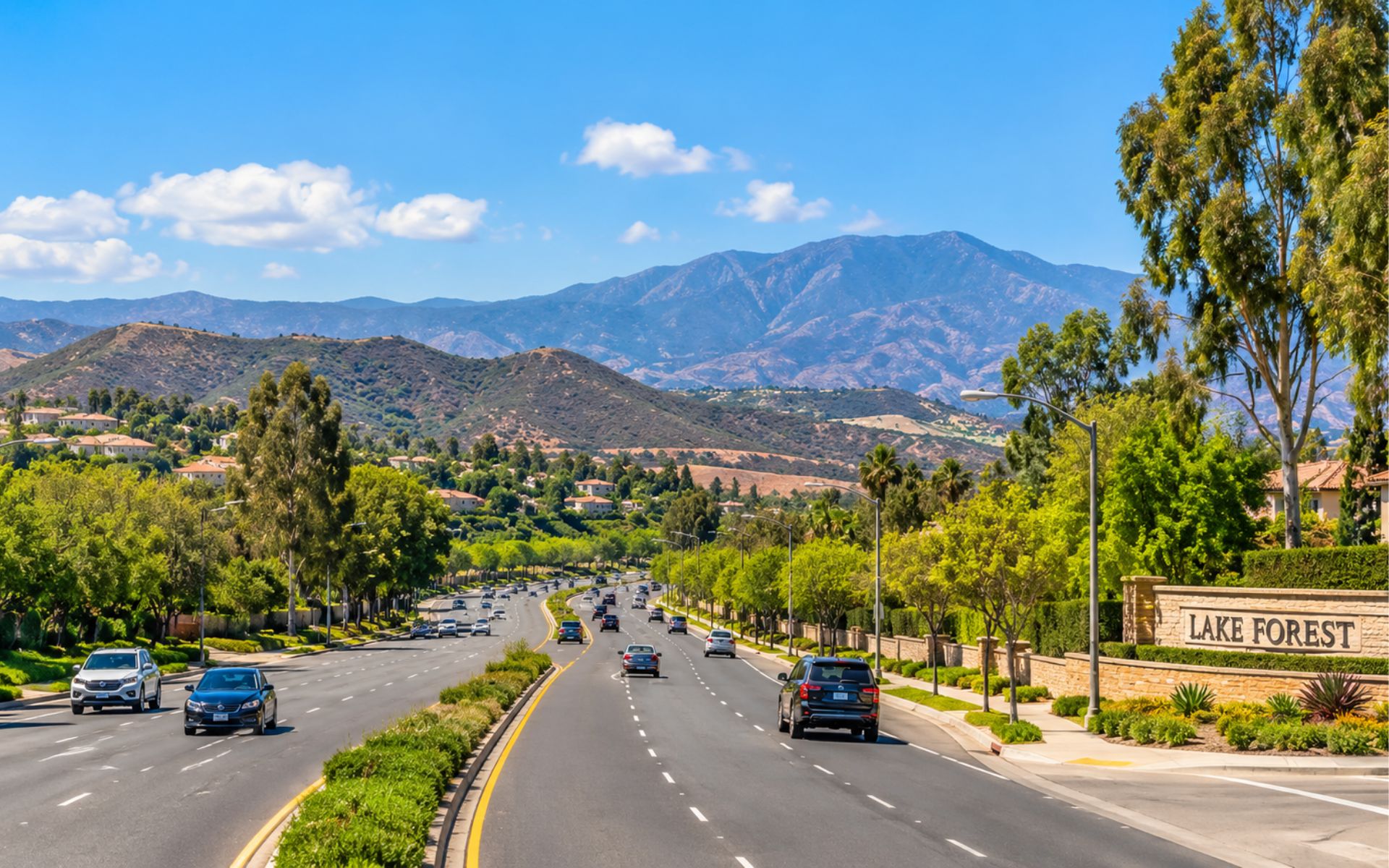
Portola Hills Location & Commute: SR-241, Portola Parkway & Nearby Communities
For buyers considering eastern Lake Forest, the Portola Hills location and commute can be one of the community’s biggest advantages. Portola Hills sits in the foothills of Lake Forest, California, near Saddleback Ranch Road, Glenn Ranch Road, El Toro Road, Portola Parkway, and State Route 241. That location gives residents several ways to reach nearby […]
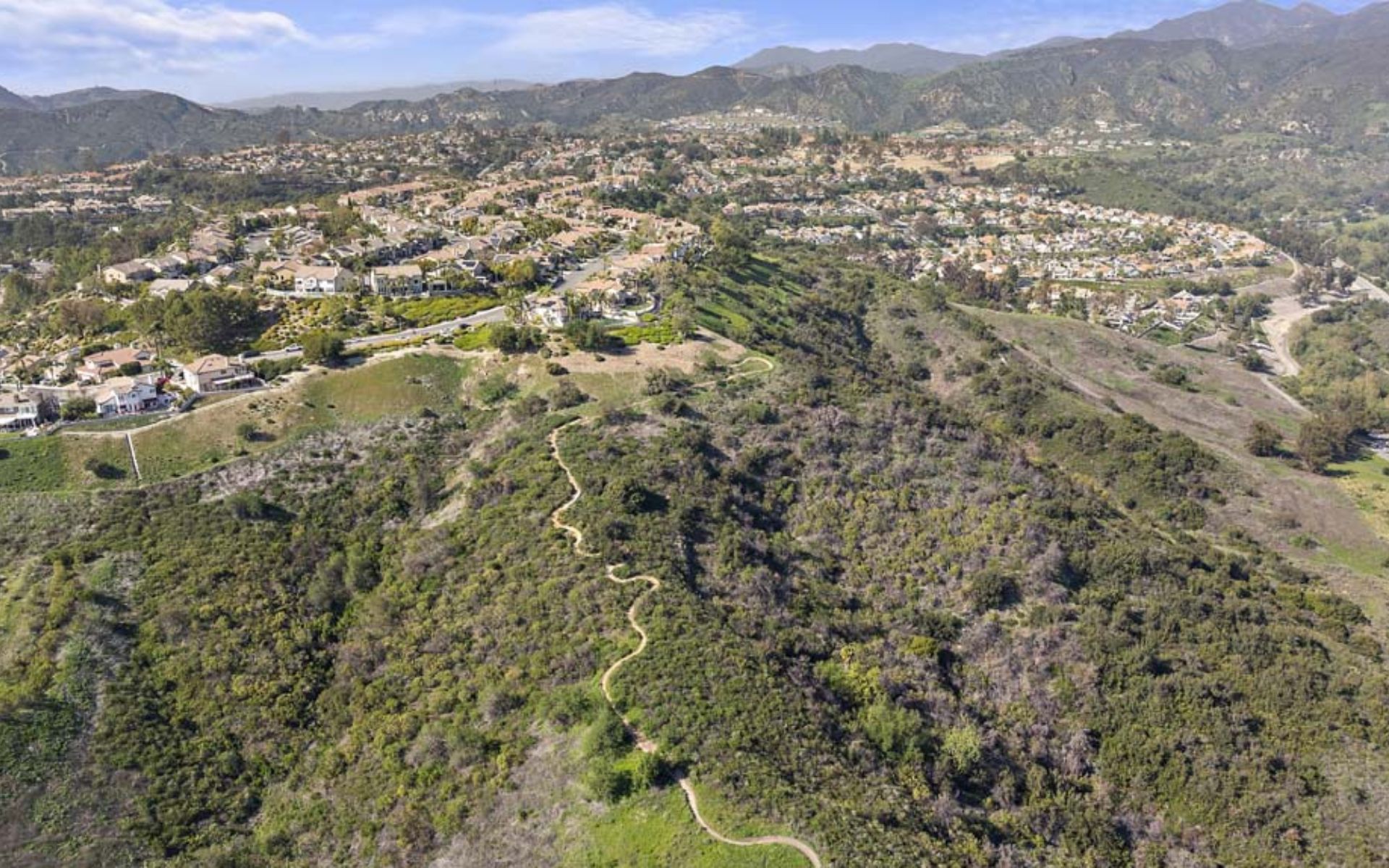
Portola Hills Views & Foothill Living: What Home Buyers Should Know
For buyers drawn to hills, open space, and a more residential setting, Portola Hills views and foothill living can be one of the strongest reasons to consider this eastern Lake Forest community. Portola Hills sits along the foothill side of South Orange County, where established neighborhoods and newer Portola Center development meet Whiting Ranch Wilderness […]
Join Our Mailing List
Are you interested in buying a home? Look no further than working with real estate experts.
Quick Links
Brokerage Info
25950 Acero., #100
Mission Viejo, CA 92691
DRE 01200533


All information is deemed reliable but not guaranteed and should be independently reviewed and verified.
Powered by Sprout Interactive

