
Portola Hills Inland Location: Freeway & Beach Access Tradeoffs
For buyers considering eastern Lake Forest, the Portola Hills inland location can be either an advantage or a tradeoff depending on how often you expect to use Interstate 5, visit the coast, or travel throughout South Orange County.
Portola Hills sits in the foothills of Lake Forest, California, near Whiting Ranch Wilderness Park, Portola Center, Foothill Ranch, and the SR-241 corridor. The setting gives residents access to hills, trails, open space, and quieter residential neighborhoods, but Portola Hills is not directly beside I-5, and it is not a coastal community.
That distinction matters.
A buyer who works from home, uses SR-241 frequently, or spends weekends exploring South Orange County may find the location works very well.
A buyer who drives I-5 every day or wants spontaneous walks along the beach may prefer living closer to the freeway or coast.
Here is what buyers should understand about the Portola Hills inland location, freeway access, coastal destinations, and the tradeoffs that come with foothill living.
Portola Hills Inland Location at a Glance
Portola Hills is located on the eastern, foothill side of Lake Forest.
The newer Portola Center area sits around Glenn Ranch Road and Saddleback Ranch Road, northeast of SR-241 and west of El Toro Road. City planning documents identify I-5, SR-241, Portola Parkway/Santa Margarita Parkway, El Toro Road, Glenn Ranch Road, and Saddleback Ranch Road as part of the regional and local transportation network serving the area.
That creates a location with two very different characteristics:
You are relatively well positioned for the eastern South Orange County road network, but you are farther from both Interstate 5 and the Pacific Coast than buyers would be in some other Orange County communities.
For many households, that is an acceptable trade.
For others, it can be an important reason to look elsewhere.
What Does the Portola Hills Inland Location Actually Mean?
“Inland” can sound more dramatic than it really is.
Portola Hills is still part of South Orange County, and coastal communities such as Dana Point, Laguna Beach, and San Clemente remain realistic destinations for day trips, beach days, dining, and recreation.
But the coast is not part of everyday Portola Hills neighborhood life.
You are not stepping outside and walking to the beach.
And you are not beginning most trips from an I-5 interchange.
Instead, most longer drives begin on local and arterial roads before connecting with the larger freeway network.
That is the practical difference buyers should understand.
How the Portola Hills Inland Location Affects I-5 Access
One of the biggest differences between Portola Hills and more central parts of Lake Forest is the relationship to Interstate 5.
Portola Hills sits east of I-5.
The City’s Portola Center planning documents identify I-5 as part of the area’s broader regional transportation system, but local traffic reaches the freeway through connecting arterial roads rather than entering directly from the neighborhood.
Depending on the destination, residents may use routes involving:
- El Toro Road
- Portola Parkway
- Lake Forest Drive
- Los Alisos Boulevard
- SR-241
- Other Lake Forest streets
For someone who drives I-5 occasionally, that may not be an issue.
For someone who needs I-5 every morning and evening, the extra surface-street portion of the trip deserves serious consideration.
El Toro Road and the Portola Hills Inland Location
El Toro Road is one of the important regional roads serving this side of Lake Forest.
City transportation documents identify El Toro Road as a major commuter route connecting I-5 and SR-241.
That makes it especially relevant to Portola Hills residents.
From portions of the community, Glenn Ranch Road provides access toward El Toro Road, which can then carry drivers farther through Lake Forest and toward the freeway network.
This works well enough for many residents, but it still feels different from living immediately beside I-5.
If freeway access is one of your top priorities, drive the route from the exact property before buying.
Portola Parkway and the Portola Hills Inland Location
Portola Parkway is another major east-west corridor serving the broader Lake Forest area.
City transportation planning identifies Portola Parkway as a significant arterial connecting areas of Lake Forest, Irvine, SR-241, and neighboring communities.
Depending on the home and destination, Portola Parkway may be useful for trips toward:
- Foothill Ranch
- Irvine
- SR-241
- Other parts of Lake Forest
- Rancho Santa Margarita-area connections
For Portola Hills buyers, this gives the inland location more flexibility than simply relying on one road toward I-5.
SR-241 and the Portola Hills Inland Location
The 241 Toll Road is one of the biggest reasons the Portola Hills inland location can work well for some households.
SR-241 is part of Orange County’s Toll Roads system, along with SR-73, SR-133, and SR-261.
Portola Center itself lies northeast of SR-241, placing Portola Hills relatively close to this eastern Orange County transportation corridor.
That can be especially useful for residents traveling through eastern Orange County.
But there is an obvious tradeoff:
SR-241 is a toll road.
A household that uses it frequently should account for toll expenses as part of the true cost of the location.
Portola Hills Inland Location vs. Living Next to I-5
This is one of the most useful comparisons buyers can make.
Living closer to I-5 may be better if you:
- Commute on I-5 five days a week
- Frequently drive toward central Orange County
- Travel south toward San Juan Capistrano, Dana Point, or San Clemente
- Want quicker access to freeway-oriented shopping and employment areas
- Prefer minimizing surface-street driving
Portola Hills may be better if you:
- Prefer foothill neighborhoods
- Value Whiting Ranch and outdoor recreation
- Use SR-241 regularly
- Work remotely or hybrid
- Frequently visit Foothill Ranch or Rancho Santa Margarita
- Prefer a quieter residential environment over immediate freeway proximity
Neither is universally better.
The right answer depends on where you actually drive.
How the Portola Hills Inland Location Affects Beach Access
For many Southern California buyers, proximity to the coast is part of the lifestyle decision.
From Portola Hills, Orange County beaches are accessible, but they are destinations you drive to.
That is very different from living in Dana Point, Laguna Beach, San Clemente, or another coastal community.
A Portola Hills resident may plan a beach day, drive to the coast, spend several hours there, and return home.
A coastal resident may be able to incorporate the ocean into everyday routines more easily.
That difference matters most to buyers who expect the beach to be a regular part of daily life rather than an occasional recreational destination.
Dana Point Is One of the Relevant Coastal Destinations
Dana Point is one of the South Orange County coastal destinations Portola Hills residents may visit.
Dana Point Harbor offers waterfront dining, boating, whale watching, shopping, paddling, and access to Baby Beach, while Doheny State Beach sits next to the harbor area.
For a Portola Hills household, Dana Point can work well for:
- Beach days
- Harbor walks
- Paddleboarding
- Dining
- Boating
- Whale watching
- Coastal recreation
But it is still a trip from home rather than something immediately outside the neighborhood.
Laguna Beach Adds Another Coastal Option
Laguna Beach is another destination buyers may think about when comparing inland and coastal living.
Its beaches, coves, restaurants, galleries, and coastal environment offer an experience that is very different from Portola Hills.
The advantage of living inland is that you can visit coastal destinations without paying for coastal real estate simply to have them nearby.
The tradeoff is that you must account for the drive, traffic, parking, and the fact that a spontaneous beach visit takes more planning.
San Clemente Can Also Be Part of the Weekend Lifestyle
San Clemente provides another South Orange County coastal option.
For residents who treat the beach as a weekend activity, living in Portola Hills does not prevent access to the coast.
The more important question is frequency.
If your household visits the beach once or twice a month, the inland location may feel completely reasonable.
If you surf every morning before work, your priorities may point you toward a coastal community.
How Often Will You Actually Go to the Beach?
This is a better question than simply asking:
“How far is Portola Hills from the beach?”
Buyers should think about their real behavior.
Do you expect to visit:
- Every morning?
- Every weekend?
- A few times per month?
- Only during summer?
- Mostly when guests visit?
The answer can completely change how important the inland location feels.
A household that visits the coast occasionally may appreciate the Portola Hills environment more than it cares about being closer to the ocean.
A highly beach-oriented household may feel differently.
Beach Access Can Change With Traffic
Travel time to the coast should never be treated as one fixed number.
Traffic can vary significantly based on:
- Time of day
- Weekend demand
- Summer beach traffic
- Holiday periods
- Incidents
- Construction
- Special events
Coastal parking can also affect the total door-to-beach experience.
For example, Dana Point Harbor currently has public parking while the harbor continues through a major revitalization project, and access conditions have changed as construction phases progress.
That is why buyers should test actual coastal trips themselves instead of relying only on a map estimate.
Test the Beach Trip Before You Buy
If coastal access matters to you, make it part of the home-buying process.
From the actual Portola Hills property, drive to the coastal destination you expect to use most often.
Try:
- Dana Point Harbor
- Doheny State Beach
- Laguna Beach
- San Clemente
- Your preferred surf break
- Your preferred beach parking area
Do it at a realistic time.
If you normally visit the beach Saturday morning, test the route Saturday morning.
That tells you much more than a mileage calculation.
The Same Rule Applies to I-5
Do not simply search the distance from Portola Hills to the nearest freeway.
Drive the actual route.
The experience may depend on:
- Which Portola Hills neighborhood you choose
- Glenn Ranch Road access
- Saddleback Ranch Road access
- El Toro Road traffic
- Portola Parkway traffic
- Whether SR-241 makes sense
- Your destination on I-5
- Your commuting hours
Two homes inside Portola Hills may provide slightly different access patterns.
Portola Hills Inland Location and Irvine
Irvine is an important employment and activity center for many Orange County households.
For some Portola Hills residents, the location can work reasonably well because Portola Parkway and SR-241 provide options toward the Irvine area.
However, Irvine itself is large.
A commute toward eastern Irvine is not the same as a commute toward:
- Irvine Business Complex
- John Wayne Airport
- University of California, Irvine
- Spectrum-area destinations
- Western Irvine
The specific destination matters more than the city name.
For a deeper road-by-road breakdown, buyers can also review the Portola Hills commute guide.
Portola Hills Inland Location and Rancho Santa Margarita
The inland position may actually work particularly well for buyers whose routines include Rancho Santa Margarita.
Portola Hills and RSM are both part of the eastern South Orange County environment and share access to transportation corridors involving Portola Parkway, Santa Margarita Parkway, and SR-241.
If your work, schools, activities, friends, or family are concentrated east rather than along I-5 or the coast, Portola Hills may feel much more conveniently located than a map focused only on freeways suggests.
Portola Hills Inland Location and Foothill Ranch
Foothill Ranch is immediately relevant because it is one of the closest developed communities to Portola Hills.
Residents may use Foothill Ranch for:
- Shopping
- Restaurants
- Services
- Fitness
- Employment
- Portola Parkway access
- SR-241 connections
That is why Portola Hills does not feel isolated even though it sits farther inland.
The distinction is really between residential convenience and freeway/coastal proximity.
Inland Does Not Mean Isolated
This is an important distinction.
Portola Hills is inland, but it is not a remote mountain community.
The City’s planning documents describe a regional road system that connects the Portola Hills/Portola Center area with El Toro Road, Portola Parkway, SR-241, and ultimately I-5.
Nearby development includes:
- Foothill Ranch
- Rancho Santa Margarita
- Mission Viejo
- Other parts of Lake Forest
- Irvine-area destinations
The tradeoff is not a lack of access.
It is that some destinations require more surface-street travel.
Why Some Buyers Prefer the Portola Hills Inland Location
Being farther from I-5 and the coast can have advantages.
The inland location contributes to the environment that many Portola Hills buyers are seeking in the first place.
Instead of living directly beside major freeway infrastructure or heavily visited coastal areas, residents can have easier access to:
- Foothill scenery
- Whiting Ranch
- Trails
- Open space
- Community recreation
- Residential neighborhoods
- Mountain and valley views
For some households, those benefits easily outweigh the additional drive to I-5 or the beach.
Why Other Buyers May Find It Frustrating
The same geography can feel inconvenient to someone with different priorities.
You may find the Portola Hills inland location less appealing if:
- You use I-5 multiple times every day
- Your job is far south along the freeway corridor
- You surf or visit the beach several times a week
- You prefer spontaneous coastal outings
- You dislike surface-street driving
- You do not want to use toll roads
- Most of your social life is concentrated near the coast
The important thing is recognizing this before buying.
Portola Hills vs. Central Lake Forest for Freeway Access
More central portions of Lake Forest generally place buyers closer to I-5.
That can simplify trips toward:
- Irvine
- Laguna Hills
- Mission Viejo
- San Juan Capistrano
- Dana Point
- San Clemente
- Other freeway-oriented destinations
Portola Hills trades some of that convenience for its eastern foothill environment.
A buyer deciding between the two should weigh how often they use the freeway against how much they value the Portola Hills lifestyle.
Portola Hills vs. Foothill Ranch for Access
Foothill Ranch is closer to Portola Parkway and certain SR-241 connections, while Portola Hills extends farther into the foothill residential area.
Because the communities are so close, the difference may seem small.
But repeated every day, even a few additional local-road segments can matter to a commuter.
The best comparison is property to property.
Portola Hills vs. Rancho Santa Margarita
Rancho Santa Margarita also has an inland South Orange County location.
Both communities can appeal to buyers who are comfortable driving to the coast and value access to hills, trails, community recreation, and SR-241.
The choice may depend more on:
- Home style
- Neighborhood character
- HOA
- Amenities
- Shopping
- Commute direction
- Schools
- Property price
than on beach access alone.
Portola Hills vs. a Coastal Community
This comparison is much more dramatic.
A coastal home may offer:
- Faster beach access
- Cooler coastal influence
- Ocean-oriented recreation
- More spontaneous beach trips
Portola Hills may offer:
- Foothill surroundings
- Trails and wilderness
- Different housing options
- Planned-community amenities
- Access to eastern South Orange County
- A residential environment away from coastal tourism
Buyers need to decide which lifestyle they actually want every day.
Remote and Hybrid Work Can Change the Tradeoff
For someone commuting five days per week, freeway access may carry significant weight.
For someone working remotely or commuting two days per week, the calculation can change dramatically.
A hybrid worker may decide that occasional extra driving is worth gaining:
- A preferred home
- More desirable views
- Trails
- Parks
- HOA amenities
- A quieter residential setting
That is one reason the Portola Hills location can work especially well for households whose daily routines do not revolve around I-5.
Weekend Lifestyle vs. Weekday Lifestyle
Another way to evaluate the location is to separate weekdays from weekends.
During the week, you may care most about:
- Work
- School
- Groceries
- Fitness
- Appointments
- Child activities
On weekends, you may care more about:
- Beaches
- Trails
- Dining
- Shopping
- Parks
- Day trips
Portola Hills can be particularly appealing when the things you value every day are nearby, and the coast is something you are comfortable driving to recreationally.
Is the Portola Hills Inland Location a Dealbreaker?
For many buyers, no.
For some, absolutely.
That is why this is one of the three trade-offs in Brent & Marisa Whitaker’s Portola Hills series.
There is no point pretending every community works equally well for every buyer.
Portola Hills offers a distinctive combination of:
foothill living + trails + residential neighborhoods + SR-241 access + nearby Lake Forest and RSM amenities
But it does not offer:
immediate I-5 access + walkable beach access + coastal living
Knowing which combination matters more to you is the key.
What Buyers Should Test Before Purchasing
Before committing to a Portola Hills home, test the trips that matter most to your household:
- Drive to your workplace during your normal commute.
- Test the route to I-5.
- Test your preferred route without SR-241.
- Test a toll-road route if you expect to use one.
- Drive to your preferred beach.
- Visit Dana Point, Laguna Beach, or San Clemente at the time you normally would.
- Compare the same trips from a central Lake Forest property if you are deciding between locations.
- Calculate how often you would realistically make each trip.
This turns the Portola Hills inland location from an abstract concern into a real lifestyle comparison.
Questions Buyers Should Ask About the Portola Hills Inland Location
How often will I use I-5?
Daily freeway users may value a more central location differently from occasional users.
Will I use SR-241?
If yes, include toll costs in your transportation budget.
Which Portola Hills road will I use most often?
The answer may depend on whether the home is closer to Glenn Ranch Road or Saddleback Ranch Road.
How often do I really go to the beach?
Separate your idealized Southern California lifestyle from your actual routine.
Which beach do I use?
Dana Point, Laguna Beach, and San Clemente create different route patterns.
Where in Irvine do I work?
The answer matters more than simply saying “I commute to Irvine.”
Would central Lake Forest make my routine easier?
Compare actual properties and actual routes.
Am I comfortable trading coastal proximity for foothill living?
This is ultimately the lifestyle question behind the entire article.
Who May Be Comfortable With the Portola Hills Inland Location?
The Portola Hills inland location may work especially well if you:
- Prefer a foothill residential setting
- Value Whiting Ranch and trails
- Work remotely or hybrid
- Use SR-241
- Spend time in Foothill Ranch or Rancho Santa Margarita
- Do not need immediate I-5 access
- Treat beach visits as recreational outings
- Are comfortable driving for coastal activities
- Prefer inland neighborhoods over coastal density
Who May Prefer Another Community?
You may want to compare other locations if you:
- Commute on I-5 every day
- Want to reach the freeway as quickly as possible
- Surf or visit the beach several times each week
- Want ocean access to be part of daily life
- Avoid toll roads
- Prefer being closer to Dana Point, Laguna Beach, or San Clemente
- Want most regional travel to begin directly from a freeway interchange
Explore the Portola Hills Commute in More Detail
This article focuses specifically on the inland-location trade-off.
For a deeper look at everyday driving, local roads, SR-241, Portola Parkway, El Toro Road, Irvine, Foothill Ranch, Rancho Santa Margarita, and I-5 access, read:
Portola Hills Commute: SR-241, Portola Parkway & More
That article provides the road-by-road transportation context, while this guide focuses on whether being farther inland fits your lifestyle.
Portola Hills Inland Location FAQ
Is Portola Hills close to I-5?
Portola Hills is east of I-5 rather than directly beside the freeway. Regional access is provided through Lake Forest’s arterial road network, including routes involving El Toro Road, Portola Parkway, and SR-241.
Is Portola Hills near SR-241?
Yes. Portola Center is located northeast of the SR-241 corridor, making the toll road an important regional transportation option for Portola Hills residents.
Is SR-241 a toll road?
Yes. SR-241 is part of Orange County’s Toll Roads network.
Is Portola Hills close to the beach?
Portola Hills is inland, so Orange County beaches require a drive. Dana Point, Laguna Beach, and San Clemente are among the coastal destinations residents may visit.
What beaches can Portola Hills residents visit?
Options include beaches and coastal recreation around Dana Point, Laguna Beach, San Clemente, and other Orange County coastal communities. Dana Point Harbor also provides access to Baby Beach and sits beside Doheny State Beach.
Is Portola Hills good for someone who goes to the beach every weekend?
It can be. The more important question is whether you are comfortable driving to the coast rather than living immediately beside it. Buyers should test their preferred beach route at the time they normally travel.
Is Portola Hills good for an Irvine commute?
It can be, depending on the specific Irvine destination and travel schedule. Routes involving Portola Parkway and SR-241 may be relevant, while other destinations may require additional surface-street or freeway travel.
Is Portola Hills farther from I-5 than central Lake Forest?
Generally, yes. Portola Hills is on the eastern foothill side of Lake Forest, while several central and western Lake Forest neighborhoods sit closer to I-5.
Does the inland location make Portola Hills isolated?
No. Portola Hills has road connections toward Foothill Ranch, Rancho Santa Margarita, Irvine, central Lake Forest, SR-241, and I-5. The tradeoff is additional surface-street travel for some destinations.
Should buyers test beach and freeway access before purchasing?
Yes. Drive the actual routes from the property during realistic travel periods. That is the best way to determine whether the location fits your routine.
Thinking About Buying or Selling a Home in Portola Hills?
The Portola Hills inland location is neither automatically an advantage nor automatically a disadvantage.
It is a tradeoff.
You gain a foothill residential environment near Whiting Ranch, trails, open space, Portola Center, Foothill Ranch, and SR-241.
In exchange, you are farther from I-5 and the Orange County coast than buyers would be in some other South Orange County communities.
For one household, that may be exactly the balance they want.
For another, freeway or beach access may matter too much.
The best decision comes from testing your actual commute, your preferred coastal destinations, and the routes you would use from the specific home.
Explore More About Living in Portola Hills
If the Portola Hills inland location is part of your decision, start with the complete community guide:
5 Reasons You’ll Love Living in Portola Hills and 3 Reasons It Might Not Be for You
Recent Updates

Portola Hills Fire Risk & Home Insurance: What Buyers Should Research
For buyers considering the foothill side of Lake Forest, Portola Hills fire risk and home insurance deserve the same careful attention as the home itself, the HOA, the view, and the commute. Portola Hills sits near hills, open space, vegetation, and Whiting Ranch Wilderness Park. Those natural surroundings are a major part of the community’s […]
Portola Hills Shopping & Dining: What’s Nearby and What Requires a Drive
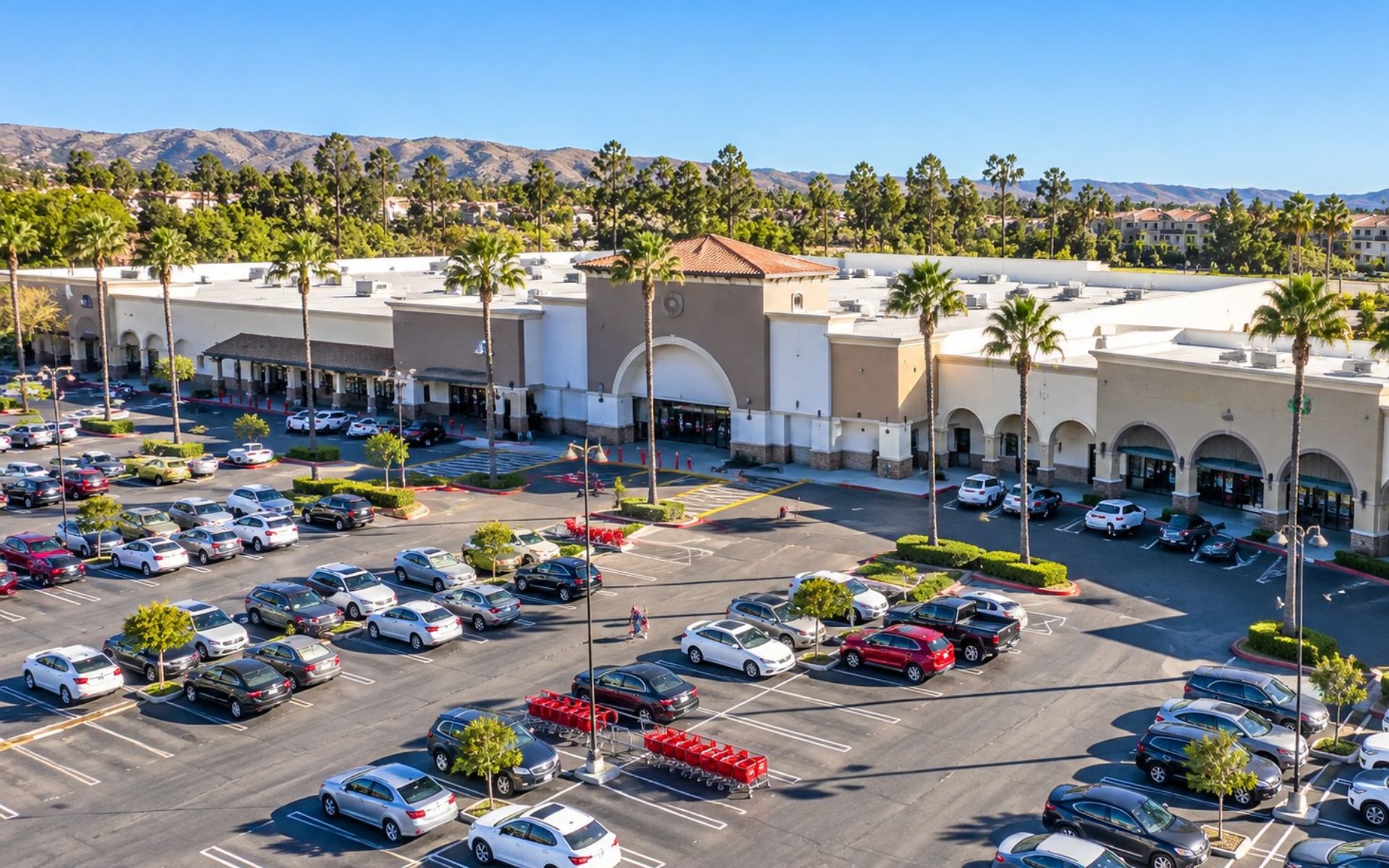
For buyers who like the foothill setting of Portola Hills, one tradeoff is worth understanding early: Portola Hills shopping and dining are more limited within the residential community itself. Portola Hills is primarily a residential area in eastern Lake Forest, California, surrounded by neighborhoods, parks, trails, and open space. That quieter setting is part of […]

Portola Hills Community Amenities: Parks, Pools, Trails & Planned Living
For buyers comparing communities in eastern Lake Forest, Portola Hills community amenities can be an important part of the decision. Portola Hills combines established neighborhoods with newer development around Portola Center, The Oaks at Portola Hills, and IronRidge. Depending on the individual property and homeowners association, residents may have access to swimming pools, clubhouses, neighborhood […]
Join Our Mailing List
Are you interested in buying a home? Look no further than working with real estate experts.
Quick Links
Brokerage Info
25950 Acero., #100
Mission Viejo, CA 92691
DRE 01200533


All information is deemed reliable but not guaranteed and should be independently reviewed and verified.
Powered by Sprout Interactive

