
Portola Hills Location & Commute: SR-241, Portola Parkway & Nearby Communities
For buyers considering eastern Lake Forest, the Portola Hills location and commute can be one of the community’s biggest advantages.
Portola Hills sits in the foothills of Lake Forest, California, near Saddleback Ranch Road, Glenn Ranch Road, El Toro Road, Portola Parkway, and State Route 241. That location gives residents several ways to reach nearby communities such as Foothill Ranch, Rancho Santa Margarita, Mission Viejo, and Irvine while still living in a quieter residential setting near Whiting Ranch and surrounding open space.
But Portola Hills does not function like a neighborhood directly beside Interstate 5. Understanding the local road network, the role of the 241 Toll Road, and the routes you are most likely to use can make a significant difference when choosing a home.
Here is what buyers should know about the Portola Hills location and commute before making a move.
Portola Hills Location and Commute at a Glance
Portola Hills is located in the northeastern portion of Lake Forest in South Orange County.
The newer Portola Center area is concentrated around the intersection of Glenn Ranch Road and Saddleback Ranch Road. City planning documents describe the area as northeast of SR-241, west of El Toro Road, and connected regionally through SR-241, Interstate 5, Portola Parkway/Santa Margarita Parkway, and El Toro Road.
For everyday driving, residents may use combinations of:
- Saddleback Ranch Road
- Glenn Ranch Road
- Portola Parkway
- El Toro Road
- Lake Forest Drive
- Santa Margarita Parkway
- SR-241
- Interstate 5 for longer regional trips
The best route depends heavily on the destination and the specific Portola Hills neighborhood.
Where Is Portola Hills Within Lake Forest?
Portola Hills is on the eastern foothill side of Lake Forest, near Foothill Ranch and Whiting Ranch Wilderness Park.
That puts it farther east than many of Lake Forest’s older neighborhoods closer to I-5.
The setting is part of its appeal.
Residents can live near hills, trails, Portola Park, Whiting Ranch, and newer Portola Center neighborhoods while still having road connections back toward the larger Lake Forest and South Orange County area.
The tradeoff is that getting somewhere usually starts with a local road before reaching a larger arterial or freeway.
That is why understanding the Portola Hills location and commute is especially important for buyers who drive regularly for work, school, or activities.
Saddleback Ranch Road Is One of the Main Portola Hills Roads
Saddleback Ranch Road runs through the heart of Portola Hills and is one of the roads buyers are most likely to encounter when touring homes.
It connects established Portola Hills neighborhoods with the newer Portola Center area and intersects with Glenn Ranch Road.
Portola Hills Elementary is also located along Saddleback Ranch Road, making this corridor part of everyday neighborhood travel for many residents.
For home buyers, proximity to Saddleback Ranch Road can affect how quickly you get in and out of the community.
A home farther into an interior street may feel quieter, while a property closer to a major neighborhood road may offer easier access.
Neither is necessarily better. It depends on whether you prioritize convenience or separation from through traffic.
Glenn Ranch Road Connects Portola Hills Toward El Toro Road
Glenn Ranch Road is another major part of the Portola Hills road network.
City planning documents identify Glenn Ranch Road as a key local access route for Portola Center, connecting the development toward El Toro Road to the east.
It also intersects with Saddleback Ranch Road near Portola Center.
For buyers, Glenn Ranch Road can be important for reaching:
- El Toro Road
- Nearby canyon areas
- Rancho Santa Margarita-area routes
- Neighborhood parks and trails
- Other parts of eastern Lake Forest
This is one reason individual neighborhood position matters.
Two Portola Hills homes may be only a short distance apart but offer noticeably different routes depending on which side of the community they occupy.
How Portola Hills Connects to SR-241
One of the strongest regional transportation advantages of the Portola Hills location is its proximity to State Route 241.
SR-241 is part of Orange County’s Toll Roads system and connects through eastern Orange County toward other major routes. The Transportation Corridor Agencies operate the 241 along with the 73, 133, and 261 Toll Roads.
Portola Hills itself is not built directly around a freeway interchange, but the broader road network provides access toward the 241 through nearby Lake Forest and Foothill Ranch corridors.
For residents who regularly travel through eastern Orange County, access to the 241 can provide another option beyond relying solely on I-5.
The important word is option.
Because the 241 is a toll road, buyers who expect to use it frequently should consider toll costs as part of their normal commuting budget.
Is SR-241 a Toll Road?
Yes.
State Route 241 is a toll road.
That means buyers should not think of it exactly the same way they would a traditional freeway.
For some households, the ability to use the 241 may be worth the added cost because it provides a useful regional connection.
Others may prefer routes that avoid tolls.
If you are evaluating a Portola Hills home because of its commute, test both:
your preferred toll-road route and your preferred non-toll route.
That gives you a much more realistic picture of daily driving.
Portola Parkway Is an Important East-West Connection
Portola Parkway is another major road buyers should understand when considering Portola Hills.
The corridor runs through the broader Lake Forest and Foothill Ranch area and connects toward Irvine, while its eastern segments connect with routes serving Rancho Santa Margarita and eastern South Orange County.
OCTA has invested in regional traffic-signal coordination along the Portola Parkway/Santa Margarita Parkway corridor, reflecting its importance as a major east-west route through Lake Forest, Mission Viejo, and Rancho Santa Margarita.
Portola Hills residents may reach Portola Parkway through nearby streets depending on their neighborhood and destination.
It can be particularly relevant for trips toward:
- Foothill Ranch
- Irvine
- Other parts of Lake Forest
- Rancho Santa Margarita
- SR-241 connections
Portola Hills to Foothill Ranch
Foothill Ranch is one of the closest communities to Portola Hills.
Both are part of Lake Forest and share the eastern foothill setting near Whiting Ranch, but they have different residential and commercial characteristics.
Foothill Ranch contains a larger concentration of shopping and services, including the Foothill Ranch Towne Centre area.
That means Portola Hills residents may regularly travel into Foothill Ranch for errands, shopping, dining, services, or road connections.
The communities are geographically close enough that many buyers compare them directly when house hunting.
If you are considering both, do not compare only the homes.
Drive from each property to the places you expect to visit regularly.
Portola Hills to Rancho Santa Margarita
Rancho Santa Margarita is another nearby community that can be relevant to Portola Hills residents.
Routes through the eastern South Orange County road network connect Portola Hills toward Rancho Santa Margarita, with Santa Margarita Parkway serving as one of the important regional corridors.
That proximity can be useful for dining, shopping, recreation, schools, appointments, or visiting friends and family in the RSM area.
It also means some buyers considering Portola Hills may naturally compare homes there with properties in Rancho Santa Margarita.
The two communities offer different settings, housing, HOAs, amenities, and transportation patterns, so the right fit depends on more than distance.
Portola Hills to Mission Viejo
Mission Viejo is also accessible from the Portola Hills area through the broader South Orange County arterial network.
Depending on the destination, residents may use combinations of Portola Parkway, Santa Margarita Parkway, El Toro Road, Los Alisos Boulevard, Lake Forest Drive, or other local routes.
This can make Mission Viejo relevant for shopping, medical services, restaurants, recreation, schools, and other destinations.
However, commute time can vary significantly depending on where in Mission Viejo you are going.
“Mission Viejo” covers a large area.
That is why buyers should test the actual destination rather than relying on a general city-to-city estimate.
Portola Hills to Irvine
Irvine is another major destination for South Orange County commuters.
Portola Hills residents can travel west toward Irvine using the Lake Forest road network, including connections involving Portola Parkway, Lake Forest Drive, SR-241, and other arterial roads, depending on the destination.
For someone working in Irvine, the exact job location matters considerably.
A workplace near eastern Irvine may create a very different commute from one near the Irvine Business Complex, John Wayne Airport, or the western side of the city.
Rather than asking, “How far is Portola Hills from Irvine?” ask:
How does this specific Portola Hills home connect to my specific Irvine destination during the hours I actually travel?
That is a far more useful home-buying question.
Portola Hills and Interstate 5
Portola Hills is east of Interstate 5 rather than directly adjacent to it.
City planning documents for Portola Center identify I-5 as part of the broader regional access network, but reaching it requires travel through Lake Forest’s local and arterial roads first.
That creates a different commute experience from living in a Lake Forest neighborhood only a few minutes from an I-5 interchange.
For some buyers, that is perfectly acceptable because they prefer the foothill setting and access to SR-241.
For others, frequent I-5 travel may make a more central location preferable.
We’ll look more closely at this tradeoff in the separate guide on the Portola Hills inland location, freeway access, and beach access.
El Toro Road Provides Another Regional Route
El Toro Road is an important east-west corridor through Lake Forest and the surrounding area.
Portola Center planning documents specifically identify the site as west of El Toro Road and note Glenn Ranch Road as a local connection toward it.
El Toro Road can help residents reach:
- Other parts of Lake Forest
- Foothill and canyon areas
- Interstate 5
- Shopping and services
- Laguna Hills-area destinations
- Routes toward the coast
Again, the best way to evaluate this connection is from the actual home you are considering.
Lake Forest Drive Can Be Useful for Trips Across the City
Lake Forest Drive is another major east-west route farther west in the city.
While it does not run through the center of Portola Hills, residents may use connecting roads to reach it for trips toward central Lake Forest and Irvine.
OCTA reported updated traffic-signal timing along a 7.5-mile section of Lake Forest Drive from Portola Parkway toward the Irvine area, with measured improvements in travel time and average speeds.
This matters because Portola Hills residents are not dependent on a single road for every westbound trip.
The wider Lake Forest road network provides multiple possible routes.
Portola Hills Is Better Evaluated by Route Than by Mileage
This is probably the most important commuting advice for a Portola Hills buyer.
Do not judge the location only by the number of miles between the home and your destination.
A short distance through local roads and signalized intersections may take longer than expected during certain times.
A farther trip using SR-241 may sometimes feel more direct.
Traffic can also change depending on:
- Weekday versus weekend
- School traffic
- Morning commute
- Evening commute
- Construction
- Weather
- Incidents on larger roads
Use real-world route testing as part of your home search.
Test the Commute Before You Buy
If commuting matters to your purchase decision, test it before making an offer.
Start from the actual property during your normal travel window.
Drive to:
- Your workplace
- School
- Daycare
- Grocery store
- Gym
- Medical appointments
- Frequently visited family
- Airport route
- Weekend destinations
Also test the return trip.
A route that works well at 10 a.m. may feel completely different at 5 p.m.
For buyers choosing between Portola Hills neighborhoods, this can help reveal differences that are not obvious from a map.
Test Both Toll and Non-Toll Routes
Because SR-241 is part of the Toll Roads system, Portola Hills buyers should test at least two versions of important regional trips.
One using the toll road.
One without it.
Then compare:
- Travel time
- Convenience
- Toll cost
- Reliability
- Stress level
- Number of surface-street intersections
The fastest route on a navigation app is not automatically the route you will prefer every day.
How Neighborhood Position Can Affect the Portola Hills Commute
Your exact location within Portola Hills matters.
A home closer to Saddleback Ranch Road may provide a different route than one closer to Glenn Ranch Road.
A newer property around Portola Center may have different access than an established home farther inside Portola Hills.
When comparing homes, look at:
How many neighborhood streets do you travel before reaching a major road?
That seemingly small detail can influence everyday convenience.
Does Portola Hills Have Public Transportation?
Public transportation exists in the broader Lake Forest area, but Portola Hills remains primarily a car-oriented residential community.
As of OCTA’s 2026 service information, OC Bus Route 177 serves the Foothill Ranch/Laguna Hills corridor, while other routes serve Lake Forest and neighboring South Orange County communities.
However, buyers who depend on public transit should verify the current route, nearest stop, operating days, and walking connection from the exact property.
Do not assume that being within Lake Forest means frequent bus service is immediately outside every Portola Hills neighborhood.
What About Commuting Without a Car?
Portola Hills is not the type of neighborhood where most residents can expect to handle every daily trip on foot.
Trails and neighborhood paths are valuable for recreation, but that is different from being within a dense walkable commercial district.
If reducing car use is a major priority, buyers should investigate:
- Current OCTA bus service
- Bike routes
- Distance to shopping
- Distance to schools
- Work-from-home needs
- Rideshare availability
- Access to regional rail stations farther west
The home may still work well, but transportation expectations should match the actual location.
Remote and Hybrid Workers May Evaluate Portola Hills Differently
The rise of remote and hybrid work can change how buyers evaluate a foothill community.
Someone commuting five days per week may place heavy emphasis on travel time.
Someone driving to Irvine only twice a week may put greater weight on:
- Neighborhood environment
- Home office space
- Views
- Trails
- Outdoor recreation
- Larger home layouts
- Community amenities
This is why a commute that feels inconvenient to one buyer may be entirely manageable to another.
Portola Hills vs. Central Lake Forest for Commuters
Central Lake Forest generally places buyers closer to I-5 and a larger concentration of established shopping and services.
Portola Hills offers a more eastern foothill location with convenient access toward SR-241, Foothill Ranch, Rancho Santa Margarita, and surrounding communities.
The better choice depends on where you travel.
If your life revolves around I-5 destinations, central Lake Forest may deserve a closer look.
If you regularly use eastern Orange County routes or value the Portola Hills environment enough to accept additional surface-street travel, Portola Hills may work very well.
Portola Hills vs. Foothill Ranch for Location
Portola Hills and Foothill Ranch are close neighbors, but the commute can still differ depending on the property.
Foothill Ranch generally places residents closer to Portola Parkway, Foothill Ranch Towne Centre, and certain SR-241 access routes.
Portola Hills places residents farther into the foothill residential environment around Saddleback Ranch Road and Glenn Ranch Road.
A few minutes of neighborhood driving can matter when repeated every day.
That is why buyers considering both communities should test identical destinations from actual listings in each.
Portola Hills vs. Rancho Santa Margarita for Commuters
Rancho Santa Margarita lies southeast of the Portola Hills/Lake Forest area and uses many of the same broader transportation corridors, including Santa Margarita Parkway and SR-241.
Buyers choosing between the two should consider where they work and where their everyday destinations are located.
Someone regularly traveling toward Lake Forest or Irvine may evaluate the communities differently from someone whose life is centered farther south or east.
Do not choose based solely on a map.
Test the routes.
Who May Like the Portola Hills Location?
The Portola Hills location and commute may work particularly well for buyers who:
- Want a foothill residential setting
- Value proximity to SR-241
- Frequently visit Foothill Ranch or Rancho Santa Margarita
- Work remotely or on a hybrid schedule
- Do not need to live immediately beside I-5
- Want Whiting Ranch and outdoor recreation nearby
- Are comfortable driving for shopping and regional destinations
- Prefer having multiple route options
A buyer who needs immediate freeway access every morning may evaluate the location differently.
Questions to Ask When Comparing Portola Hills Homes
When location matters, ask more than “How long is the commute?”
Ask:
- Which major road is easiest to reach from this home?
- How quickly can I reach Saddleback Ranch Road or Glenn Ranch Road?
- Would I regularly use SR-241?
- What would toll usage cost for my routine?
- What is my best non-toll route?
- How long does my commute take during the actual rush hour?
- How convenient is Foothill Ranch for everyday errands?
- Which route would I use toward Irvine?
- How do I reach I-5?
- Does this property make my most frequent trips easier than another Portola Hills home?
Those questions turn a general location discussion into a property-specific decision.
Portola Hills Location and Commute FAQ
Where is Portola Hills located?
Portola Hills is in the eastern foothill portion of Lake Forest, California, near Foothill Ranch and Whiting Ranch Wilderness Park.
What major roads serve Portola Hills?
Important local and regional roads include Saddleback Ranch Road, Glenn Ranch Road, El Toro Road, Portola Parkway, Santa Margarita Parkway, and SR-241.
Is Portola Hills close to SR-241?
Yes. Portola Hills is located near the SR-241 corridor, although exact access depends on the neighborhood and route.
Is SR-241 free?
No. SR-241 is part of Orange County’s Toll Roads system.
Is Portola Hills close to Interstate 5?
Portola Hills is east of I-5 rather than directly beside it. Drivers generally use Lake Forest’s arterial road network to reach the freeway.
Is Portola Hills close to Foothill Ranch?
Yes. Portola Hills and Foothill Ranch are neighboring communities within Lake Forest.
Is Portola Hills close to Rancho Santa Margarita?
Yes. Rancho Santa Margarita is nearby and connected through the broader eastern South Orange County road network.
Can you commute from Portola Hills to Irvine?
Yes, but the experience depends heavily on where in Irvine you are going, the time of day, and whether you use SR-241 or surface streets.
Does Portola Hills have bus service?
OC Bus serves the broader Lake Forest and Foothill Ranch area. Current OCTA information lists Route 177 between Foothill Ranch and Laguna Hills, but buyers should verify the nearest stop and current schedule for a particular property.
Should buyers test the commute before purchasing?
Yes. Drive from the actual property to your real destinations during the hours you expect to travel. Test both toll and non-toll options when relevant.
Thinking About Buying or Selling a Home in Portola Hills?
The Portola Hills location and commute are best understood from the individual property.
One home may give you quicker access to Saddleback Ranch Road. Another may make Glenn Ranch Road more convenient. Your preferred route toward SR-241, Foothill Ranch, Rancho Santa Margarita, Mission Viejo, Irvine, or I-5 can change depending on where within Portola Hills you live.
For some buyers, the combination of foothill living and regional road access is exactly the balance they want.
For others, being closer to I-5 or a larger commercial area may matter more.
Explore More About Living in Portola Hills
If the Portola Hills location and commute are important to your home search, start with the complete community guide:
5 Reasons You’ll Love Living in Portola Hills and 3 Reasons It Might Not Be for You
Recent Updates

Portola Hills Community Amenities: Parks, Pools, Trails & Planned Living
For buyers comparing communities in eastern Lake Forest, Portola Hills community amenities can be an important part of the decision. Portola Hills combines established neighborhoods with newer development around Portola Center, The Oaks at Portola Hills, and IronRidge. Depending on the individual property and homeowners association, residents may have access to swimming pools, clubhouses, neighborhood […]
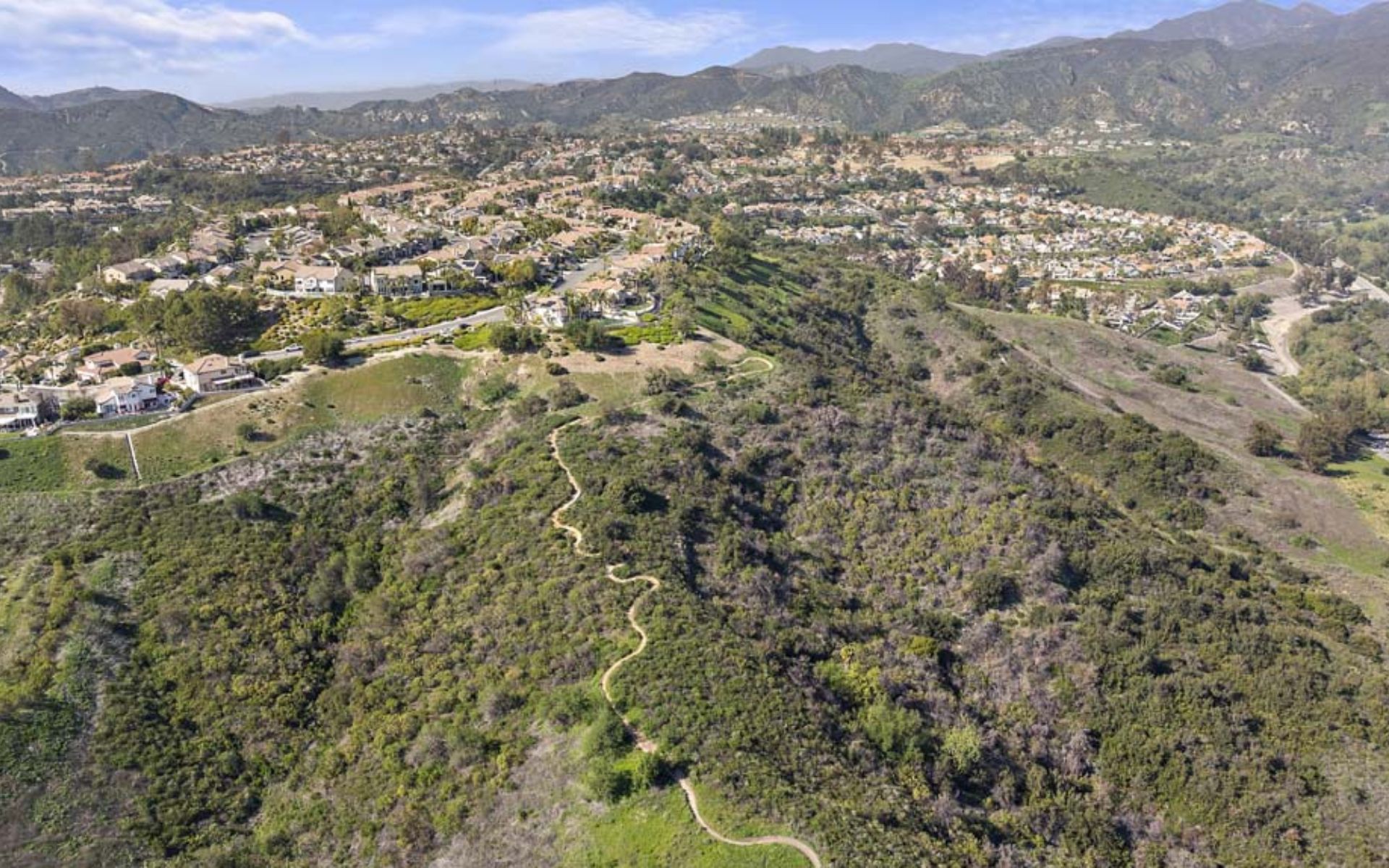
Portola Hills Views & Foothill Living: What Home Buyers Should Know
For buyers drawn to hills, open space, and a more residential setting, Portola Hills views and foothill living can be one of the strongest reasons to consider this eastern Lake Forest community. Portola Hills sits along the foothill side of South Orange County, where established neighborhoods and newer Portola Center development meet Whiting Ranch Wilderness […]
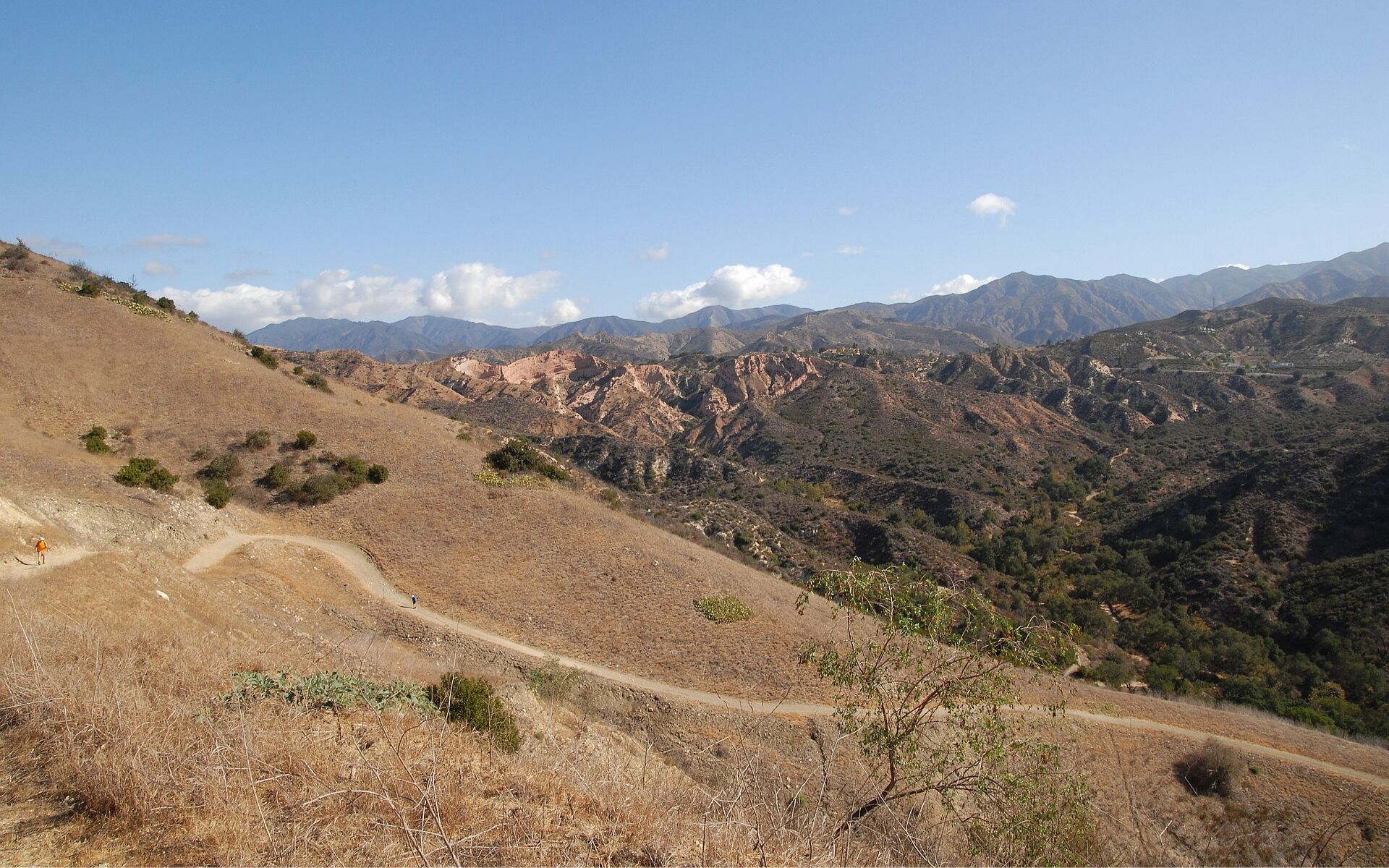
Portola Hills Parks, Trails & Whiting Ranch: A Local Guide
For buyers who value outdoor recreation, Portola Hills parks and trails are one of the strongest reasons to consider this foothill area of Lake Forest, California. Portola Hills sits where residential neighborhoods meet hills, open space, neighborhood parks, and the trail network surrounding Whiting Ranch Wilderness Park. Residents can be close to hiking and mountain […]
Join Our Mailing List
Are you interested in buying a home? Look no further than working with real estate experts.
Quick Links
Brokerage Info
25950 Acero., #100
Mission Viejo, CA 92691
DRE 01200533


All information is deemed reliable but not guaranteed and should be independently reviewed and verified.
Powered by Sprout Interactive

