
Portola Hills Community Amenities: Parks, Pools, Trails & Planned Living
For buyers comparing communities in eastern Lake Forest, Portola Hills community amenities can be an important part of the decision.
Portola Hills combines established neighborhoods with newer development around Portola Center, The Oaks at Portola Hills, and IronRidge. Depending on the individual property and homeowners association, residents may have access to swimming pools, clubhouses, neighborhood parks, playgrounds, sports areas, walking paths, trails, open space, and other shared recreation.
That variety is one of the community’s strengths, but it also creates an important distinction for home buyers:
Not every Portola Hills home includes access to every amenity.
Some recreational spaces are public City of Lake Forest facilities. Others belong to individual homeowners associations or newer planned communities. Buyers should understand exactly which amenities come with the property they are considering and what they are paying for through HOA dues.
Here is what buyers should know about Portola Hills community amenities before choosing a home.
Portola Hills Community Amenities at a Glance
Depending on the neighborhood, Portola Hills residents may be close to or have access to:
- Community swimming pools
- Spas and splash areas
- Clubhouses and recreation rooms
- Neighborhood parks
- Portola Park
- Playgrounds and tot lots
- Sports and multipurpose fields
- Pickleball and other courts
- Picnic and barbecue areas
- Dog-friendly recreation
- Walking and hiking trails
- Exercise stations
- Open-space areas
- Connections toward Whiting Ranch Wilderness Park
The newer Portola Center development was designed with a combination of public and private recreation. The City of Lake Forest identifies a 5-acre public park, new trails with exercise stations, three private neighborhood parks totaling more than 10 acres, a recreation center and pool, more than 44 acres of open space, and a 1.5-mile public perimeter trail as part of the broader plan.
The important word is combination.
Some of these spaces are open to the public. Others are intended for residents of particular associations or planned neighborhoods.
Portola Center Changed the Amenity Mix in Portola Hills
The development of Portola Center added a newer planned-community layer to an already established Portola Hills residential area.
Portola Center covers nearly 196 acres around Glenn Ranch Road and Saddleback Ranch Road. The City approved a mixture of homes, commercial space, public and private parks, trails, recreation facilities, and open space.
The planning concept was not simply to build homes and place one park in the middle.
City planning documents describe a network connecting neighborhoods through:
- Pedestrian pathways
- Paseos
- Neighborhood parks
- Public trails
- A perimeter trail
- Recreation facilities
- Open-space areas
The intent was to create recreational connections throughout the development rather than concentrate everything in one location.
For buyers considering newer Portola Hills homes, that helps explain why community recreation can feel more integrated into the neighborhood design.
Portola Park Provides Public Recreation in the Community
One of the most useful amenities for the broader community is Portola Park, located near the Portola Center area around Glenn Ranch Road and Saddleback Ranch Road.
Planning documents for the park identify approximately five usable acres of recreation space and features including open turf, playground space, pickleball and volleyball areas, restrooms, and a dog-park area.
Because Portola Park is a public park, buyers should distinguish it from HOA-controlled recreational facilities.
That difference matters.
You do not necessarily need to live within a particular Portola Center association to enjoy a City park.
For someone comparing Portola Hills homes, proximity to Portola Park may provide recreational convenience even if the property itself has a more limited private amenity package.
Public Amenities vs. HOA Amenities in Portola Hills
This is probably the most important concept for buyers to understand.
Portola Hills community amenities are not one universal package.
A listing may advertise a pool, clubhouse, playground, trails, or recreation, but buyers should ask exactly which association provides those amenities.
Generally, amenities may fall into three categories:
Public Amenities
These can include City parks, public trails, and certain open-space or recreational facilities.
Community or Master Association Amenities
Some newer planned neighborhoods have amenities available to residents within the larger community or association.
Neighborhood-Specific Amenities
Individual condominium, townhome, or residential associations may have their own pool, clubhouse, recreation area, or other facilities.
The difference affects both access and cost.
That is why buyers should never assume a beautiful pool they see during a Portola Hills tour automatically comes with every property in the area.
The Oaks at Portola Hills Offers a Strong Private Amenity Package
The Oaks at Portola Hills is one of the newer gated communities buyers may encounter in this area.
The community’s official materials identify amenities including:
- A resort-style swimming pool
- Spa
- Beach-style pool entry
- Splash pad
- Lap lanes
- Cabanas
- Barbecue areas
- Neighborhood parks
- Playgrounds and tot lots
- Multipurpose fields
- Walking and hiking trails
- A clubhouse
The community describes its clubhouse as approximately 5,300 square feet, with a multipurpose room, kitchen, restrooms, office, and storage areas.
The Oaks also promotes more than 1.5 miles of walking and hiking trails along with parks and recreational areas within the community.
For buyers who want recreation close to home, that package can be appealing.
But those amenities are part of the ownership structure.
Buyers should compare the benefits with the applicable HOA dues, rules, guest policies, maintenance responsibilities, and other community costs.
IronRidge Has Its Own Community Amenities
IronRidge at Portola Hills provides another example of why buyers should evaluate amenities neighborhood by neighborhood.
The community’s resident-management site identifies a clubhouse and resort-style pool serving a planned community of hundreds of homes.
Current real estate information for IronRidge properties also commonly identifies community recreation such as pools, spas, parks, trails, playgrounds, clubhouse facilities, barbecue areas, and controlled-access features.
Again, IronRidge amenities should not be presented as amenities available to every Portola Hills homeowner.
They are relevant to buyers considering a property within IronRidge.
That distinction is especially important when comparing a newer home with an established Portola Hills property.
Established Portola Hills Homes May Have Different Amenity Structures
Newer construction receives much of the attention because the amenities photograph well, but established Portola Hills neighborhoods should not be overlooked.
Older condominium, townhome, and single-family associations may offer their own combinations of pools, recreation areas, clubhouses, courts, landscaping, or common spaces.
The experience can be very different from living in The Oaks or IronRidge.
Some buyers may prefer:
- A simpler amenity package
- A different HOA structure
- More established landscaping
- Older residential streets
- Fewer shared facilities
- A specific pool or clubhouse
- A home closer to public recreation rather than private amenities
More amenities do not automatically make one property better.
The right question is whether you will actually use what you are paying for.
Pools Can Be a Major Portola Hills Lifestyle Feature
Swimming pools are among the more visible Portola Hills community amenities, particularly within certain HOA communities.
For a buyer who expects to use a pool regularly, having one within the neighborhood can eliminate the need to maintain a private pool at home.
That can be especially appealing for households that want:
- Recreational swimming
- Lap swimming
- Poolside gathering space
- A spa
- Children’s water recreation
- Community social space
But buyers should look beyond the listing photos.
Ask:
- Who can use the pool?
- Is access limited to one association?
- Are guests allowed?
- What are the operating hours?
- Is there a separate reservation system?
- Are pool maintenance costs included in HOA dues?
- Are there seasonal restrictions?
- Does the community have one association or multiple HOA layers?
Those details affect the real value of the amenity.
Clubhouses Can Add Community Space Beyond the Home
A clubhouse or recreation room can be useful for buyers who like having larger gathering areas without needing that square footage inside their own home.
Depending on the association, a clubhouse may provide space for:
- Community meetings
- Social events
- Resident gatherings
- Private reservations
- HOA activities
The Oaks, for example, advertises a multipurpose clubhouse with a kitchen and supporting facilities as part of its recreational complex.
IronRidge also identifies a clubhouse as part of its shared amenity package.
Reservation rules, fees, hours, and availability should be verified with the applicable HOA.
Parks and Play Areas Add Everyday Convenience
One of the advantages of planned recreation is that amenities do not have to be major destinations.
A small neighborhood park or playground can be useful simply because it is nearby.
Portola Center planning documents describe smaller neighborhood parks intended to include features such as:
- Children’s play areas
- Picnic space
- Multipurpose fields
- Open grass
- Seating and passive recreation
The plan also includes a central recreational area with a pool and clubhouse along with other neighborhood and perimeter spaces.
For buyers, these smaller amenities can matter as much as a large community pool.
A park that is a short walk from the home may be used far more often than a larger facility several neighborhoods away.
Trails Are Part of the Planned-Living Experience
We covered Whiting Ranch Wilderness Park and Portola Hills trails in detail in the previous outdoor-recreation guide, but trails also matter here because they are part of the community-planning story.
Portola Center was designed with pedestrian pathways, paseos, public-use trails, and connections between neighborhoods, recreation facilities, parks, and open space.
The City identifies a 1.5-mile public perimeter trail among Portola Center’s planned features, with connections toward the larger Whiting Ranch trail environment.
Whiting Ranch is a wilderness recreation destination.
The community trail and paseo system is about everyday neighborhood connectivity.
Some buyers may use it for:
- Morning walks
- Jogging
- Walking between recreation areas
- Casual exercise
- Reaching nearby open space
- Getting outside without planning a full hike
That is a different lifestyle benefit.
More Than 44 Acres of Open Space Shape Portola Center
Not every amenity needs to be something you physically use.
Open space is also part of the Portola Hills community design.
The City of Lake Forest says Portola Center includes more than 44 acres of open space, in addition to its public park and trail network.
Open space can influence:
- Views
- Neighborhood character
- Separation between developed areas
- Trail connections
- Landscaping
- The sense of living near the foothills
For some buyers, that visual and environmental setting is just as valuable as a swimming pool or clubhouse.
Planned Living Can Make Recreation Easier to Use
The advantage of a planned community is not necessarily having the longest amenities list.
It is often how the amenities relate to one another.
Portola Center planning documents describe trails, paseos, parks, the central recreation area, and open space as an interconnected recreational system.
That can make everyday recreation more convenient.
Instead of driving somewhere every time you want to walk, use a playground, or visit a pool, certain residents may have those options within or near their neighborhood.
For buyers who value that type of lifestyle, Portola Hills can deserve a closer look.
But Planned Living Is Not for Everyone
The same features that attract one buyer may be less important to another.
A buyer may love:
- Pools
- Clubhouses
- Gated entrances
- Maintained landscaping
- Parks
- Trails
- Architectural standards
Another buyer may see the same features and think:
- Higher HOA costs
- More community rules
- Amenities they will rarely use
- Less flexibility with exterior changes
- More shared-community oversight
That tradeoff is important.
Portola Hills gives buyers multiple neighborhood types, which means you do not necessarily have to choose the newest or most amenity-heavy community.
HOA Dues Should Be Compared With the Amenities You Receive
When buyers see an HOA fee, the natural question is whether it is “high” or “low.”
A more useful question is:
What does this fee provide for this specific property?
Depending on the community, dues may contribute toward things such as:
- Pool maintenance
- Clubhouse operations
- Private parks
- Landscaping
- Gates
- Common-area maintenance
- Trails
- Recreational facilities
- Association management
The exact responsibilities vary.
Buyers should review current HOA documents rather than relying on online summaries or another listing in the same broader community.
HOA fees and services can change.
Watch for Multiple HOA Layers
Some planned developments can involve more than one association or community structure.
When evaluating a Portola Hills property, ask whether the home is subject to:
- One HOA
- A neighborhood HOA plus a master association
- Separate recreational fees
- Other assessments or community charges
Do not compare two homes only by the HOA number shown at the top of a listing.
The complete monthly and annual ownership picture matters.
Amenities Should Be Evaluated From the Actual Home
If an amenity is one of the reasons you like a property, determine how convenient it really is.
For example:
A community may have a pool, but is it a two-minute walk or a drive across the neighborhood?
A trail may run through the development, but where is the nearest access point?
A park may be nearby, but does the home face it or sit several streets away?
A clubhouse may look impressive, but how often would your household actually use it?
When touring a property, visit the amenities in person.
Do not stop at the house.
Proximity to Amenities Can Have Advantages and Tradeoffs
Living immediately beside a pool, park, clubhouse, or playground may be convenient.
It may also bring:
- More activity
- Additional foot traffic
- Parking demand during events
- Pool noise
- Sports activity
- Less privacy
Another buyer may prefer being several streets away while still having access.
Neither position is automatically better.
Consider how you actually want to live.
Community Amenities Can Affect Different Buyers Differently
A household with young children may prioritize playgrounds and parks.
An active adult may care more about walking paths, pickleball, or trails.
A swimmer may focus on the pool.
Someone who works from home may value having walking routes nearby for breaks during the day.
A buyer who travels frequently might care more about maintained common areas and less about recreational facilities.
That is why the best Portola Hills neighborhood depends on more than the number of amenities listed.
Portola Hills Community Amenities vs. Central Lake Forest
Portola Hills offers a more foothill-oriented recreation environment than many central Lake Forest neighborhoods.
Newer Portola Center communities combine planned parks, pools, trails, and open space with access to nearby wilderness.
Central Lake Forest, however, offers its own extensive city parks, recreation, greenbelts, sports facilities, shopping, and more established neighborhood infrastructure.
The better fit depends on what you want close to home.
A buyer who wants newer planned-community recreation may gravitate toward Portola Center.
A buyer who prefers an established Lake Forest neighborhood may choose somewhere else.
Portola Hills Community Amenities vs. Foothill Ranch
Foothill Ranch is one of the most natural comparisons for Portola Hills because the communities sit close together on the eastern side of Lake Forest.
Both offer planned residential neighborhoods, parks, recreation, trails, and proximity to Whiting Ranch.
The major difference is not whether amenities exist.
It is which amenities come with the specific property, how the HOA is structured, and how close the home is to the destinations you expect to use.
Buyers considering both areas should compare individual homes and associations rather than treating the communities as interchangeable.
Questions to Ask About Portola Hills Community Amenities
Before buying, ask:
Which amenities actually come with this home?
Get a property-specific answer.
Is the pool private to this association?
Do not assume every Portola Hills homeowner has access.
Which parks are public?
Separate City facilities from private HOA parks.
Are there multiple HOA fees?
Verify every association attached to the property.
What do the HOA dues cover?
Request current documentation.
Are there guest restrictions?
Pools, clubhouses, and recreational facilities may have rules.
Can residents reserve the clubhouse?
Ask about fees, availability, and restrictions.
How far is the nearest park, pool, or trail from the home?
Walk or drive it yourself.
Are amenities currently open and operating?
Verify current conditions instead of relying only on older marketing materials.
Will I actually use the amenities enough to justify the cost?
This may be the most important question of all.
Who May Love Portola Hills Community Amenities?
Portola Hills community amenities may be particularly appealing if you:
- Want recreation within or near your neighborhood
- Prefer planned-community living
- Like having access to pools or clubhouses
- Want neighborhood parks and playgrounds
- Enjoy walking paths and trails
- Value open space
- Prefer maintained common areas
- Want newer communities with integrated recreation
- Like being close to Whiting Ranch without relying on it for every outdoor activity
A buyer who wants minimal HOA involvement or has little interest in shared facilities may prioritize a different Portola Hills neighborhood or another part of Lake Forest.
Portola Hills Community Amenities FAQ
What amenities are available in Portola Hills?
Amenities vary by neighborhood and can include pools, clubhouses, parks, playgrounds, sports areas, walking trails, open space, and other recreation. Buyers should verify exactly which amenities belong to the property’s association.
Does Portola Hills have community pools?
Yes. Certain Portola Hills communities have association swimming pools. For example, both The Oaks and IronRidge advertise pool facilities for their respective communities.
Does Portola Hills have a clubhouse?
Some communities do. The Oaks advertises a multipurpose clubhouse, while IronRidge identifies a clubhouse among its community facilities. Access is association-specific.
Is Portola Park public?
Yes. Portola Center’s planning includes a public community park intended to serve both Portola Center residents and the surrounding community.
Are there trails in Portola Center?
Yes. The City identifies new public-use trails, exercise stations, and a 1.5-mile perimeter trail as part of Portola Center.
How much open space does Portola Center have?
The City of Lake Forest identifies more than 44 acres of open space within the Portola Center plan.
Does every Portola Hills home include pool access?
No. Pool and clubhouse access depends on the property and its homeowners association.
Are The Oaks and IronRidge amenities the same?
No. They are separate communities with their own facilities, management, and association structures. Buyers should review the specific amenities and rules attached to the property they are considering.
Are Portola Hills amenities included in HOA dues?
Private HOA amenities are typically supported through the applicable association structure, but exactly what dues cover varies by property and association. Buyers should review current HOA disclosures.
Is Whiting Ranch a Portola Hills HOA amenity?
No. Whiting Ranch Wilderness Park is a regional public wilderness park, not a private Portola Hills HOA amenity. Its proximity is a major lifestyle benefit, but it should not be confused with association facilities.
Thinking About Buying or Selling a Home in Portola Hills?
The value of Portola Hills community amenities depends on the specific home.
One property may include access to a resort-style pool and clubhouse. Another may belong to an established association with a simpler amenity package. Another may rely more heavily on nearby public parks, trails, and open space.
The important question is not which community has the longest list.
It is which combination of home, HOA, amenities, location, and ownership costs fits the way you actually want to live.
Explore More About Living in Portola Hills
If Portola Hills community amenities are part of what attracts you to the area, start with the complete community guide:
5 Reasons You’ll Love Living in Portola Hills and 3 Reasons It Might Not Be for You
Recent Updates
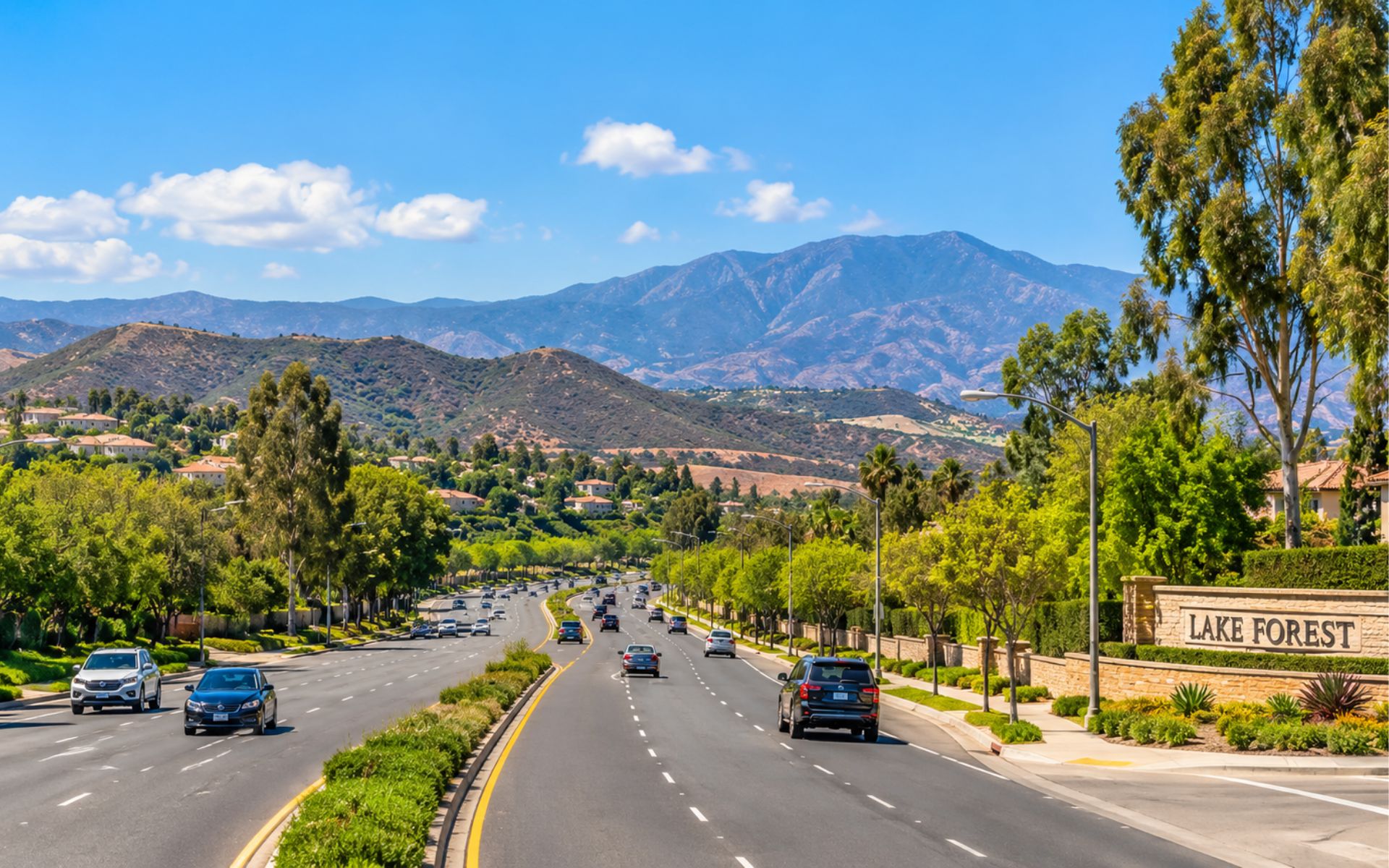
Portola Hills Location & Commute: SR-241, Portola Parkway & Nearby Communities
For buyers considering eastern Lake Forest, the Portola Hills location and commute can be one of the community’s biggest advantages. Portola Hills sits in the foothills of Lake Forest, California, near Saddleback Ranch Road, Glenn Ranch Road, El Toro Road, Portola Parkway, and State Route 241. That location gives residents several ways to reach nearby […]
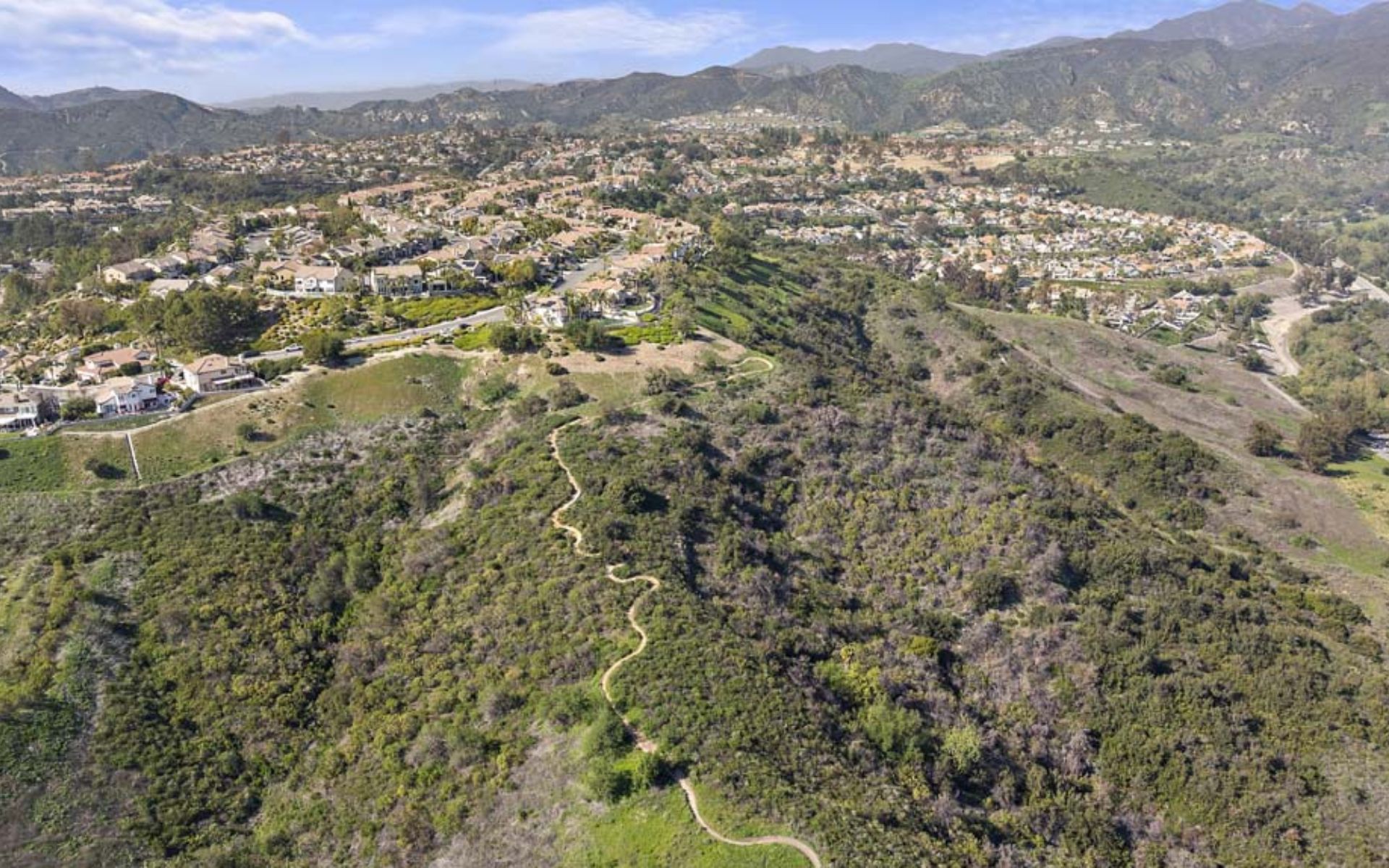
Portola Hills Views & Foothill Living: What Home Buyers Should Know
For buyers drawn to hills, open space, and a more residential setting, Portola Hills views and foothill living can be one of the strongest reasons to consider this eastern Lake Forest community. Portola Hills sits along the foothill side of South Orange County, where established neighborhoods and newer Portola Center development meet Whiting Ranch Wilderness […]
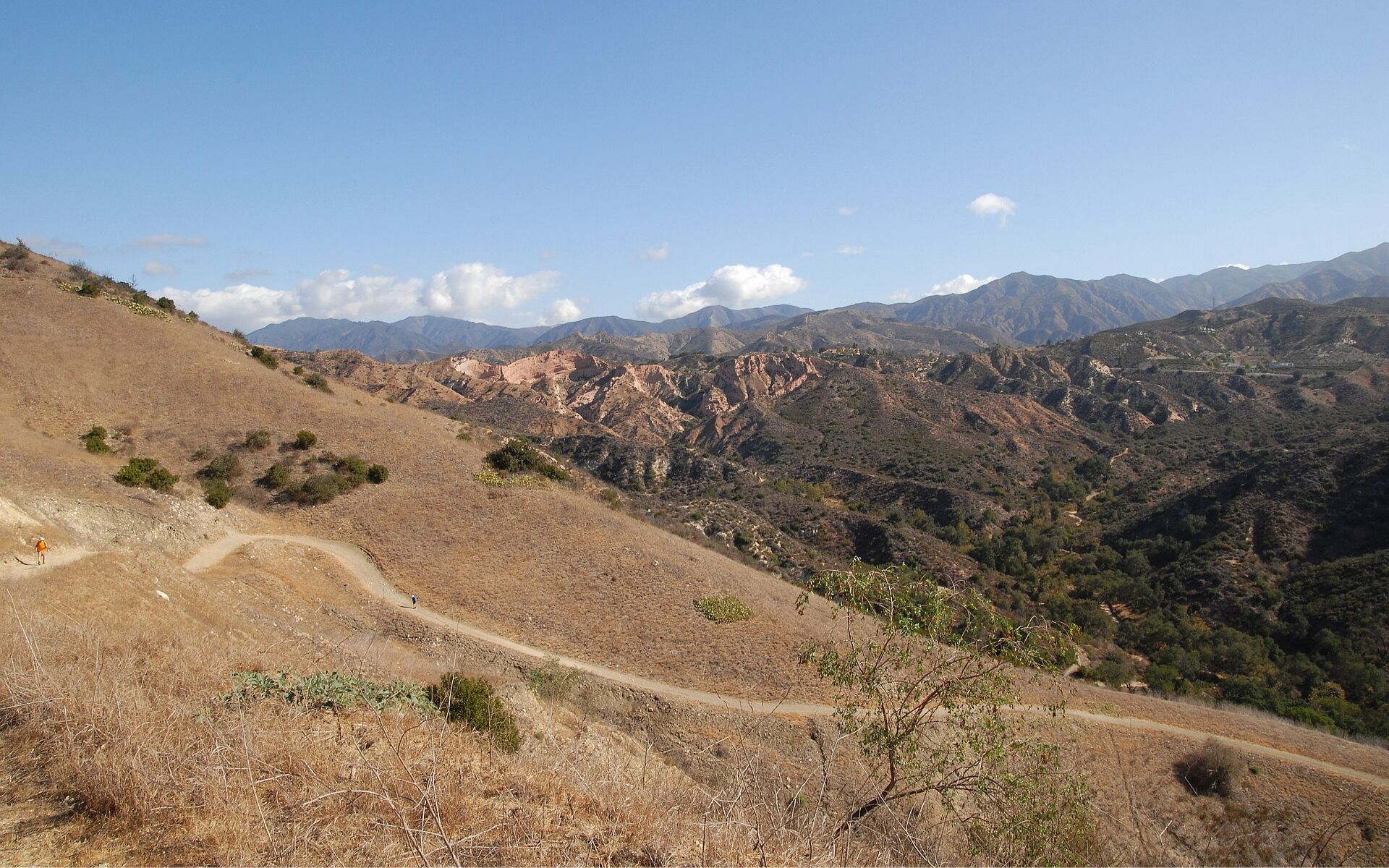
Portola Hills Parks, Trails & Whiting Ranch: A Local Guide
For buyers who value outdoor recreation, Portola Hills parks and trails are one of the strongest reasons to consider this foothill area of Lake Forest, California. Portola Hills sits where residential neighborhoods meet hills, open space, neighborhood parks, and the trail network surrounding Whiting Ranch Wilderness Park. Residents can be close to hiking and mountain […]
Join Our Mailing List
Are you interested in buying a home? Look no further than working with real estate experts.
Quick Links
Brokerage Info
25950 Acero., #100
Mission Viejo, CA 92691
DRE 01200533


All information is deemed reliable but not guaranteed and should be independently reviewed and verified.
Powered by Sprout Interactive

