
Reducing Taxes Through Capital Improvements in Lake Forest
When you own a home in Lake Forest, you’re not just investing in a place to live. You’re also building long-term financial value. One of the smartest strategies is reducing taxes through capital improvements in Lake Forest, which allows homeowners to lower taxable gains while also boosting property value.
The IRS allows homeowners to adjust their property’s cost basis (the original purchase price plus certain costs) by adding qualified capital improvements. That adjustment can reduce taxable profit when you sell your home. In a high-demand market like Lake Forest, where values have risen sharply, this can make a significant difference.
What Are Capital Improvements for Lake Forest Homeowners?
The IRS defines a capital improvement as any upgrade that:
- Adds value to your home
- Extends its useful life
- Adapts it to new uses
Think of capital improvements as lasting upgrades, not routine maintenance.
Examples include:
- Kitchen and bathroom remodels
- Room additions or ADUs (Accessory Dwelling Units)
- New roofing, siding, or energy-efficient windows
- Major landscaping projects with irrigation systems
- Installing solar panels or whole-home generators
By contrast, repairs (like fixing a leaky faucet or patching a roof) don’t qualify. Only improvements that make your home better for the long term can be added to your cost basis.
How Home Improvements Can Reduce Taxes in Lake Forest
When you sell your Lake Forest home, the IRS calculates capital gains tax on the difference between:
Selling price – Adjusted cost basis = Taxable gain
By adding the cost of qualified improvements to your basis, you reduce the taxable portion of your profit.
Example:
- Original purchase price: $600,000
- Renovations & improvements: $80,000
- Adjusted basis: $680,000
- Sale price: $950,000
- Taxable gain: $270,000 (instead of $350,000 without the improvements)
That $80,000 in improvements directly lowered the taxable amount.
Common Mistakes Homeowners Make
Even though the rules are clear, many homeowners miss opportunities because of small oversights. Here are three of the most common mistakes:
- Not keeping receipts and records
Every capital improvement must be documented. Keep invoices, permits, and even before-and-after photos. - Confusing repairs with improvements
Routine maintenance — painting, carpet replacement, or fixing leaks — doesn’t count unless it’s part of a larger project. For example, repainting after a remodel may qualify if it’s part of the improvement. - Forgetting older improvements
Improvements made years ago still count. If you remodeled your kitchen 15 years ago, that cost still adjusts your basis today.
Lake Forest Capital Improvements That Help Reduce Taxes
Lake Forest homeowners are increasingly making improvements that both boost livability and qualify as capital improvements. Some common projects include:
- Accessory Dwelling Units (ADUs): California has streamlined ADU laws, making them popular for rental income or multigenerational living. An ADU is a qualifying capital improvement.
- Energy-efficient upgrades: Solar panels, new HVAC systems, and dual-pane windows both reduce utility costs and qualify for tax basis adjustments.
- Backyard transformations: Drought-resistant landscaping, outdoor kitchens, and pools not only make outdoor living more enjoyable but can also be added to your basis.
- Smart home features: Whole-home security systems, wired entertainment setups, and EV charging stations are increasingly sought after in Lake Forest real estate.
These improvements align with what buyers in Lake Forest are looking for, which means they both reduce your tax liability and increase resale appeal.
FAQ: Reducing Taxes With Home Improvements in Lake Forest
Do landscaping costs count as capital improvements?
Yes, if they are part of a permanent upgrade, such as installing a sprinkler system, building a retaining wall, or adding outdoor structures.
Does a kitchen remodel qualify?
Absolutely. Kitchen and bathroom remodels are some of the most common improvements added to the cost basis.
What about solar panels in California?
Yes. Solar panels are considered capital improvements and may also qualify for separate federal and state energy credits.
How do I prove improvements when I sell?
Keep detailed records: contracts, receipts, permits, and even photographs. Your accountant will need these when preparing your taxes.
Why Reducing Taxes Through Capital Improvements Matters in Lake Forest
Home values in Lake Forest have risen significantly in the last decade, and many owners hold substantial equity. When it comes time to sell, minimizing taxable gains can save tens of thousands of dollars.
By tracking and documenting your capital improvements, you can:
- Lower your tax liability
- Increase your home’s resale appeal
- Protect the full value of your investment
Final Thoughts
Capital improvements aren’t just about making your Lake Forest home more beautiful and functional. They’re also a smart financial strategy that can reduce your tax burden when it’s time to sell. Whether it’s a remodel, an ADU, or energy-efficient upgrades, keeping good records ensures you get the maximum benefit.
Disclaimer: This post is for informational purposes only and should not be considered tax or financial advice. Please consult a qualified tax advisor for guidance specific to your situation.
Recent Updates

Portola Hills Community Amenities: Parks, Pools, Trails & Planned Living
For buyers comparing communities in eastern Lake Forest, Portola Hills community amenities can be an important part of the decision. Portola Hills combines established neighborhoods with newer development around Portola Center, The Oaks at Portola Hills, and IronRidge. Depending on the individual property and homeowners association, residents may have access to swimming pools, clubhouses, neighborhood […]

Portola Hills Location & Commute: SR-241, Portola Parkway & Nearby Communities
For buyers considering eastern Lake Forest, the Portola Hills location and commute can be one of the community’s biggest advantages. Portola Hills sits in the foothills of Lake Forest, California, near Saddleback Ranch Road, Glenn Ranch Road, El Toro Road, Portola Parkway, and State Route 241. That location gives residents several ways to reach nearby […]
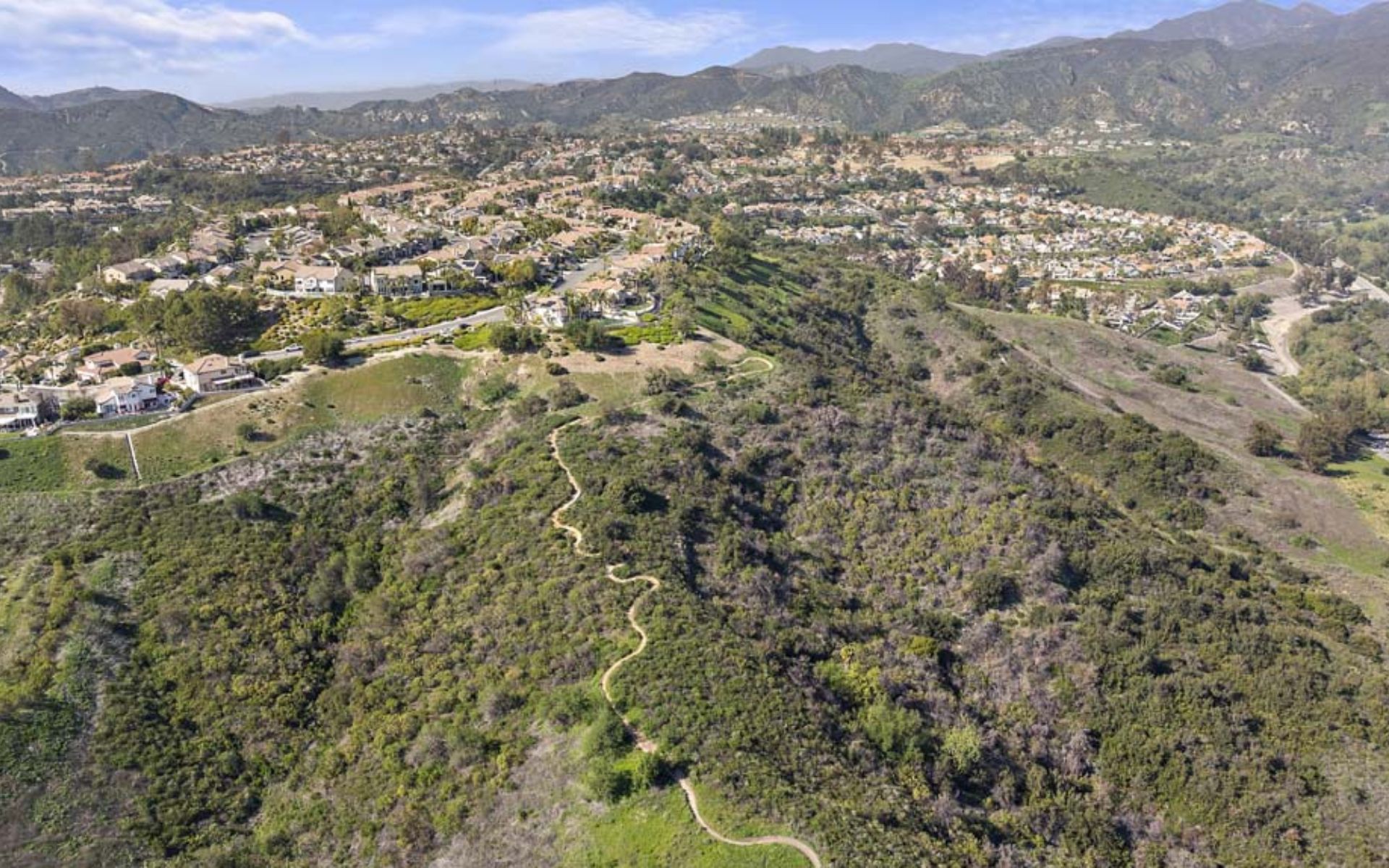
Portola Hills Views & Foothill Living: What Home Buyers Should Know
For buyers drawn to hills, open space, and a more residential setting, Portola Hills views and foothill living can be one of the strongest reasons to consider this eastern Lake Forest community. Portola Hills sits along the foothill side of South Orange County, where established neighborhoods and newer Portola Center development meet Whiting Ranch Wilderness […]
Join Our Mailing List
Are you interested in buying a home? Look no further than working with real estate experts.
Quick Links
Brokerage Info
25950 Acero., #100
Mission Viejo, CA 92691
DRE 01200533


All information is deemed reliable but not guaranteed and should be independently reviewed and verified.
Powered by Sprout Interactive

