
Rancho Santa Margarita HOAs, Rules & What Buyers Should Know Before Buying
For many buyers, Rancho Santa Margarita HOAs are an important part of understanding what it is actually like to own a home in the community.
Rancho Santa Margarita is known for maintained neighborhoods, parks, pools, trails, Lago Santa Margarita, recreation facilities, and a cohesive master-planned appearance.
Many of those features are connected to homeowners associations.
But there is an important detail buyers sometimes miss:
Not every Rancho Santa Margarita property has the exact same HOA structure, rules, amenities, or monthly costs.
Some homes fall within SAMLARC, Rancho Santa Margarita’s large master homeowners association. Some SAMLARC properties are also part of a separate neighborhood or subordinate association. Other communities within the City of Rancho Santa Margarita have their own associations and management structures.
That is why buyers should review the HOA structure for the specific property they are considering rather than assuming every RSM home works the same way.
For buyers who value community amenities and maintained common areas, this structure can be appealing.
For buyers who want very few restrictions on how they use or modify their property, it deserves a closer look.
That is why HOA rules and the planned-community environment made our list of the 3 reasons Rancho Santa Margarita might not be for everyone.
How Do Rancho Santa Margarita HOAs Work?
Understanding Rancho Santa Margarita HOAs starts with identifying exactly which association or associations govern the property.
Some homes are part of SAMLARC, the large master association serving much of the Rancho Santa Margarita community.
Others may also belong to a separate neighborhood or condominium association.
Certain communities within the city operate under different HOA structures altogether.
This means two homes only a few miles apart can have different assessments, amenities, maintenance responsibilities, architectural rules, and governing documents.
Before buying, it is important to understand the exact structure attached to the property rather than relying on assumptions about Rancho Santa Margarita as a whole.
What Is SAMLARC?
SAMLARC stands for the Rancho Santa Margarita Landscape and Recreation Corporation.
It is a master homeowners association serving approximately 13,645 homes within Rancho Santa Margarita.
SAMLARC maintains community property and facilities, administers architectural review, oversees community guidelines, and provides recreational amenities and programming for its members.
That means SAMLARC is not the same thing as the City of Rancho Santa Margarita.
The City handles municipal responsibilities.
SAMLARC handles association responsibilities for properties within its membership.
Those responsibilities can include:
- Common-area maintenance
- Parks and landscaping
- Community recreation facilities
- Lago Santa Margarita
- Pools
- The Beach Club & Lagoon
- Trails
- Architectural review
- Community guidelines
- Recreation programming and events
SAMLARC amenities currently include pools, parks, trails, basketball and volleyball courts, pickleball courts, clubhouses, Lago Santa Margarita, and the Beach Club & Lagoon.
For many residents, these amenities are part of the appeal of living in RSM.
But they also come with assessments and governing rules.
SAMLARC Is Not the City of Rancho Santa Margarita
This distinction is especially important for buyers moving into RSM for the first time.
A homeowners association and a city government have different responsibilities.
You may need City approval or permits for certain projects.
Separately, you may also need HOA architectural approval.
One does not automatically replace the other.
So if you are planning a major exterior project, the question may not simply be:
“Will the City allow it?”
You may also need to ask:
“Will my HOA approve it?”
And in some neighborhoods:
“Do I need approval from two associations?”
Some Rancho Santa Margarita HOAs Have More Than One Layer
This is one of the most important things buyers should understand about Rancho Santa Margarita HOAs.
Some Rancho Santa Margarita HOAs operate alongside the SAMLARC master association, creating a two-layer association structure for certain properties.
Some properties within SAMLARC are also governed by what SAMLARC refers to as a subordinate association, essentially a neighborhood-level HOA.
These include communities such as:
- Alicante
- Arroyo
- Belfora
- Bella Ventana
- Brisa del Lago
- Cabo Vista
- Mission Courts
- Mission Greens
- Montana Del Lago
- Sausalito
- Sierra Verde
- Sonoma Court
- Terracina
- Tierra Linda
- Tierra Montanosa
- Tijeras Creek Villas
- Vista La Cuesta
- Vista Norte
- Vista Sur
and others.
A subordinate association may have its own governing documents, architectural standards, board, assessment, and maintenance responsibilities.
SAMLARC remains the master association for properties within its jurisdiction.
That can create a two-layer structure.
For example, a buyer may have:
SAMLARC master association
plus
a neighborhood or condominium association
This is particularly important when comparing condominiums and townhomes, where a neighborhood association may maintain additional common areas or building components.
Does That Mean Some Buyers Pay Two HOA Assessments?
Potentially, yes.
If a property belongs to SAMLARC and also belongs to a subordinate association, buyers should determine what assessments are owed to each association.
The amount charged by a neighborhood association can vary substantially depending on what that association maintains and provides.
That is why two homes with similar purchase prices in Rancho Santa Margarita may have very different total monthly HOA costs.
Never compare HOA costs based only on the number displayed beside a listing.
Ask:
Is that the total HOA cost, or only one of the associations?
Rancho Santa Margarita HOA Dues: What Are SAMLARC Assessments in 2026?
For 2026, SAMLARC set its master association assessment at $91 per month.
Assessments help fund community maintenance, operations, recreational programming, landscaping, amenities, and long-term asset management.
That figure should always be treated as year-specific.
Assessments can change over time, and a property may also have another neighborhood HOA assessment.
So before making an offer, buyers should verify the current assessment directly from the property’s HOA documents and disclosures rather than relying solely on an older listing, online estimate, or previous year’s amount.
What Do HOA Assessments Help Pay For?
One of the fairest ways to evaluate an HOA is to look at both sides of the equation.
There is the monthly cost.
But there is also what that cost supports.
For SAMLARC members, the association maintains a wide range of community assets and amenities.
These include:
- Lago Santa Margarita
- Beach Club & Lagoon
- Four pools
- Parks
- Trails
- Common-area landscaping
- Sports courts
- Clubhouses
- Recreation facilities
- Community events
- Other association-owned common areas
SAMLARC maintains more than 300 acres of parks, greenbelts, trails, and common areas.
So when comparing RSM with a community that has little or no HOA infrastructure, buyers should compare more than just the monthly fee.
Ask:
What am I receiving in return?
Rancho Santa Margarita HOA Rules for Exterior Home Improvements
This is another area buyers should understand before purchasing.
SAMLARC maintains architectural standards intended to preserve a cohesive community appearance.
Those standards can apply to front-yard improvements as well as certain exterior improvements in rear and side yards that are visible above fence lines.
Projects that may require review can involve areas such as:
- Exterior paint
- Windows
- Fences and gates
- Walls
- Landscaping
- Structural exterior changes
- Other visible improvements
Before beginning covered work, homeowners generally need to submit an architectural modification request for review.
That matters if you are someone who likes to purchase a home and immediately start changing the exterior.
Buyers Should Not Assume “I Own It, So I Can Change It”
Homeownership within an HOA works differently from owning a property with no private community restrictions.
You still own your home.
But your ownership is subject to the governing documents you agree to when purchasing within the association.
That may affect certain exterior modifications and uses.
For some buyers, this is completely normal.
They appreciate knowing neighboring homes are also subject to community standards.
For other buyers, it can feel restrictive.
Neither reaction is wrong.
It comes down to how much control you want over the appearance and use of your property.
Sub-Association Approval Can Add Another Step
If your home belongs to both SAMLARC and a subordinate association, exterior improvements can involve an additional layer.
In some cases, homeowners within a subordinate association need to obtain approval from that association before submitting a project to SAMLARC.
The process could look something like this:
- Review your neighborhood HOA standards.
- Submit the project to the neighborhood association if required.
- Receive the applicable association approval.
- Submit the project to SAMLARC if required.
- Obtain any required City or governmental permits.
- Begin work once all required approvals are in place.
That is different from buying a non-HOA property where exterior changes may primarily involve municipal permitting and building codes.
Why Do These Rules Exist?
From the association’s perspective, architectural standards are intended to preserve a cohesive appearance and protect the overall character of the community.
Some homeowners strongly appreciate this.
They like driving through neighborhoods where landscaping and exterior appearances are managed within an established framework.
Other homeowners would rather have more freedom to choose their own paint colors, landscaping, fencing, or exterior design without association review.
This is exactly why HOA living should be viewed as a lifestyle preference, not simply a fee.
HOA Rules Go Beyond Architecture
Architectural review gets a lot of attention, but buyers should review the entire set of governing documents.
An association’s documents can address topics such as:
- Use of common facilities
- Guest access
- Parking
- Signs
- Property appearance
- Exterior maintenance
- Recreation facilities
- Architectural changes
- Community conduct
- Other association-specific matters
A subordinate association may have additional or different requirements.
That is why buyers should not assume one HOA’s rules are the same as another’s.
Don’t Judge an HOA Only by the Monthly Fee
This is a common mistake.
Imagine two properties.
Property A
The HOA fee is lower, but the association provides relatively limited amenities or maintenance.
Property B
The HOA cost is higher, but the association maintains exterior building components, landscaping, pools, common areas, or additional amenities.
Simply comparing the monthly number would not tell you which offers better value.
You need to understand:
What does the association actually maintain?
This is particularly important when comparing:
- Detached homes
- Condominiums
- Townhomes
- Gated communities
- Neighborhoods with private streets
- Communities with extensive recreational amenities
What Should Buyers Review About Rancho Santa Margarita HOAs?
When comparing homes, buyers should review Rancho Santa Margarita HOAs property by property rather than assuming the same rules and fees apply throughout RSM.
Before purchasing an HOA property, important questions include:
- Which association or associations govern this property?
- What are the current monthly assessments?
- Are there both master and neighborhood HOA dues?
- What amenities are included?
- What common areas or building components does the HOA maintain?
- What architectural restrictions apply?
- Are there rules that conflict with how you intend to use the property?
- What do the association’s current financial disclosures show?
- Are there planned projects or other costs buyers should understand?
- What approvals would be required for improvements you already have in mind?
The exact documents and disclosures available will depend on the property and association.
The key is to read them during the applicable contractual review period rather than waiting until after you own the home.
Rancho Santa Margarita HOA Financial Health and Reserves
The discussion should not stop at rules and amenities.
Buyers should also pay attention to the association’s finances.
A community may look beautifully maintained today, but homeowners associations also need to plan for future repair and replacement of shared assets.
SAMLARC’s 2026 reserve disclosure reported approximately 90% reserve funding under its adopted plan for 2026.
That specific figure applies to SAMLARC.
A subordinate HOA will have its own financial condition, budget, reserve study, and future maintenance obligations.
This can be especially important when buying a condominium or townhome.
Amenities Can Be a Major Part of the Value Proposition
If you regularly use community amenities, HOA living may feel very different from simply paying a monthly bill.
SAMLARC members have access to a substantial recreation network, including Lago Santa Margarita, the Beach Club & Lagoon, pools, parks, sports facilities, trails, and community programming.
Someone who regularly uses the pools, parks, trails, or other recreation amenities may value that infrastructure highly.
Someone who rarely uses community recreation may look at the same assessment differently.
Again, there is no universal answer.
The question is whether you personally value what you are paying for.
What About Homes Outside SAMLARC?
This is an important distinction.
The City of Rancho Santa Margarita is not identical to SAMLARC’s boundaries.
The city includes multiple homeowners associations and communities with different association structures.
These include areas associated with communities such as:
- Dove Canyon
- Rancho Cielo
- Robinson Ranch
- SAMLARC
- Trabuco Highlands
- Walden
and others.
So buyers should not see an RSM address and automatically assume:
“This home is governed only by SAMLARC.”
The exact HOA setup depends on the property.
This is one of the reasons hyper-local guidance matters when comparing homes in Rancho Santa Margarita.
Two neighborhoods within the same city can operate very differently.
Rancho Santa Margarita HOAs Can Affect Which Neighborhood Fits You Best
The HOA structure can become part of the neighborhood decision.
A buyer might love one area because of:
- Its amenities
- Landscaping
- Gated setting
- Community pool
- Maintenance structure
- Architectural consistency
Another buyer may prefer a neighborhood where the association structure is simpler or where fewer community amenities need to be maintained.
That is why comparing Rancho Santa Margarita neighborhoods involves more than comparing floor plans and sales prices.
Read our guide to Rancho Santa Margarita Neighborhoods & Master-Planned Living for a closer look at how different parts of RSM fit different buyer priorities.
When Rancho Santa Margarita HOA Living May Be a Good Fit
Rancho Santa Margarita’s HOA environment may work well for you if:
- You appreciate maintained common areas.
- Community parks and recreation matter to you.
- You value access to pools and shared amenities.
- You like a cohesive neighborhood appearance.
- You are comfortable reviewing rules before making exterior changes.
- You do not mind paying assessments for community maintenance.
- You enjoy the master-planned environment.
- You prefer established standards for neighborhood appearance.
- You intend to use the amenities your assessment supports.
For these buyers, HOA living can be part of what makes RSM attractive.
When HOA Living May Not Be the Right Fit
You may want to compare other options if:
- You strongly dislike HOA assessments.
- You want maximum freedom over exterior modifications.
- Architectural approval would frustrate you.
- You rarely use shared amenities.
- You do not want to review association rules before making property changes.
- You specifically want a neighborhood without a master-planned feel.
- You prefer fewer layers of private community governance.
- You would rather personally control more aspects of your property’s exterior.
That does not make HOA communities bad.
It simply means they may not match the type of ownership experience you want.
HOA vs. No HOA Is Really a Lifestyle Question
It is easy to turn this into a debate about whether HOAs are “good” or “bad.”
That is not particularly useful.
A better question is:
What kind of ownership experience do you want?
One buyer may look at Rancho Santa Margarita and see maintained parks, pools, landscaping, trails, community events, and neighborhood standards.
Another may look at the same system and focus on assessments, architectural review, and rules.
Both are looking at the same community.
They simply value different things.
Don’t Forget to Compare the Total Monthly Housing Cost
HOA assessments should also be considered as part of the overall housing budget.
When comparing two homes, look beyond the mortgage payment.
Depending on the property, your monthly ownership costs may include:
- Mortgage principal and interest
- Property taxes
- Homeowners insurance
- HOA assessments
- A second association assessment
- Utilities
- Maintenance
- Other property-specific costs
A home with a lower purchase price but significantly different association costs may not have the monthly payment you initially expected.
This is particularly important when comparing detached homes with condos or townhomes.
Ask About the HOA Before Falling in Love With the House
One of the best times to understand the HOA is before you become emotionally committed to a particular property.
If you already know you want to:
- Repaint the exterior
- Replace windows
- Redesign the front landscaping
- Install a fence
- Make other visible exterior changes
Ask about the applicable architectural standards early.
Similarly, if a pool, Beach Club access, neighborhood maintenance, or another amenity is important to you, verify that the specific property actually includes the access or association structure you expect.
Do not assume based on the city name alone.
Frequently Asked Questions About Rancho Santa Margarita HOAs
Does Rancho Santa Margarita Have an HOA?
Many Rancho Santa Margarita homes are within homeowners associations, but the exact association structure depends on the property.
SAMLARC is a large master association serving approximately 13,645 homes, while other neighborhoods have separate associations or additional subordinate associations.
What Is SAMLARC?
SAMLARC is the Rancho Santa Margarita Landscape and Recreation Corporation.
It is a master homeowners association responsible for community property, amenities, common-area maintenance, architectural review, community guidelines, and recreation programming within its boundaries.
How Much Are SAMLARC HOA Dues?
For 2026, SAMLARC’s monthly master assessment is $91.
Buyers should verify the current amount because assessments can change, and some properties may also have separate neighborhood HOA dues.
Can an RSM Home Have Two HOA Fees?
Yes.
Some homes within SAMLARC also belong to a subordinate neighborhood association.
Buyers should verify all associations and assessments that apply to the exact property.
Do You Need HOA Approval to Remodel?
It depends on the project.
Interior work and exterior work can be treated differently.
Covered exterior improvements may require HOA architectural approval, and subordinate-association approval may also apply.
City permits can be a separate requirement.
What Amenities Does SAMLARC Include?
SAMLARC amenities include Lago Santa Margarita, the Beach Club & Lagoon, pools, parks, trails, sports courts, clubhouses, and other recreation facilities.
Is SAMLARC the Same as the City of Rancho Santa Margarita?
No.
SAMLARC is a homeowners association, while the City of Rancho Santa Margarita is the municipal government.
Their boundaries and responsibilities are not identical.
Are Rancho Santa Margarita HOAs a Dealbreaker?
For many buyers, absolutely not.
The HOA structure is part of what supports many of the features people associate with Rancho Santa Margarita:
Maintained common areas, parks, recreation, pools, trails, community amenities, and a consistent master-planned environment.
For buyers who value those things, an HOA may feel like a reasonable part of living in RSM.
But if you want a home where you can make exterior changes with minimal private-association oversight, do not care about shared amenities, or simply dislike HOA rules and assessments, this part of Rancho Santa Margarita deserves careful consideration.
Ultimately, Rancho Santa Margarita HOAs can be either a benefit or a drawback depending on how much you value community amenities, maintained common areas, and established neighborhood standards.
The important thing is not to discover the HOA structure after you purchase.
Understand:
Who governs the property, what you pay, what you receive, what the rules are, and whether those rules fit how you intend to live.
That is the difference between simply buying a home in Rancho Santa Margarita and choosing an RSM neighborhood that actually fits you.
Explore More of Rancho Santa Margarita
Want the complete picture? Read our guide to 5 Reasons You’ll Love Living in Rancho Santa Margarita and 3 Reasons It Might Not Be for You.
You can also explore:
- What It’s Really Like Living Near Lago Santa Margarita
- Parks, Trails & Outdoor Recreation in Rancho Santa Margarita
- Shopping, Dining & Everyday Convenience in Rancho Santa Margarita
- Rancho Santa Margarita Neighborhoods & Master-Planned Living
- Rancho Santa Margarita Location, Commutes & Nearby Communities
- How Far Is Rancho Santa Margarita From the Beach?
- Does Rancho Santa Margarita Have a Downtown? What Everyday Life in RSM Really Feels Like
Recent Updates
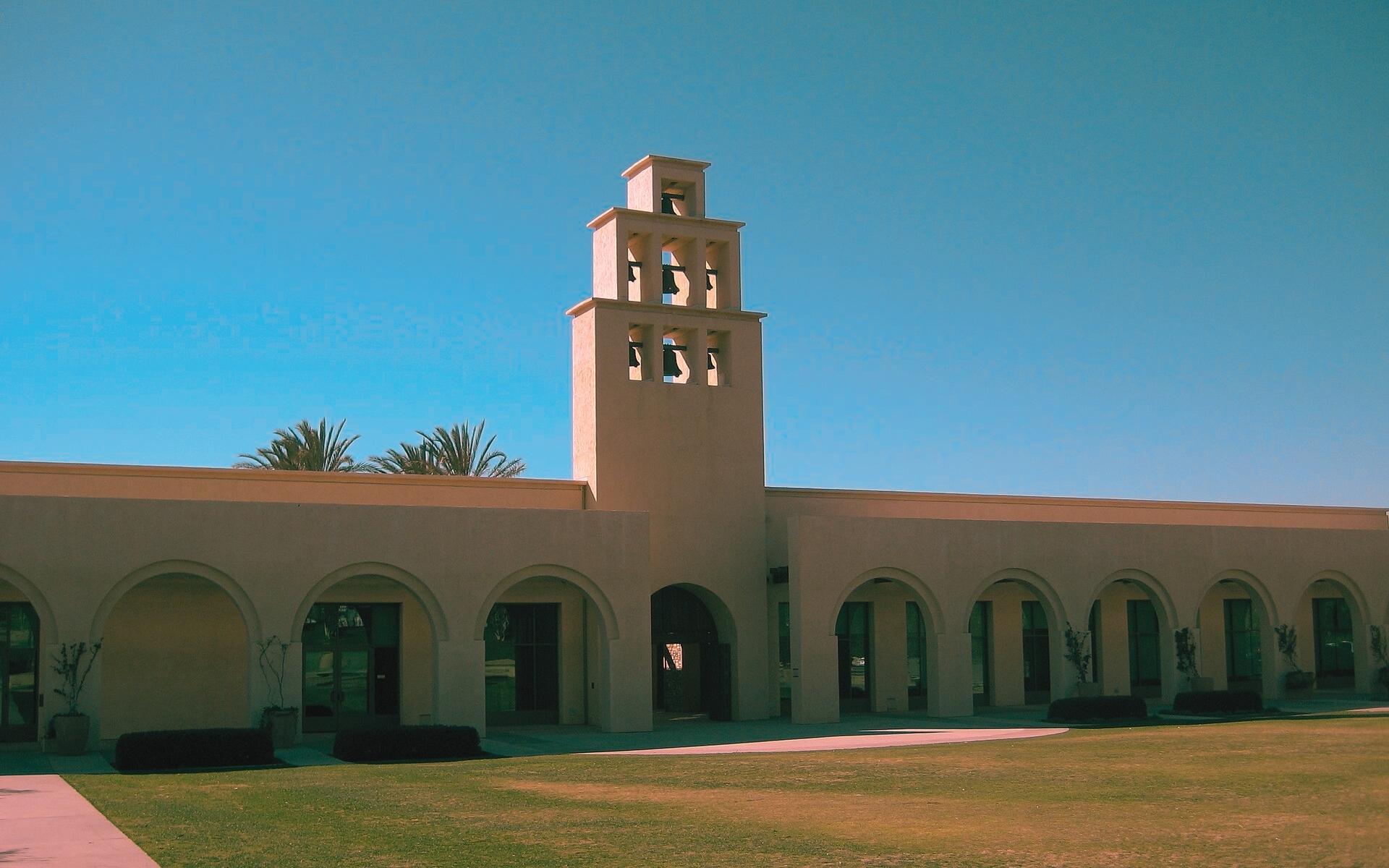
Does Rancho Santa Margarita Have a Downtown? What Everyday Life in RSM Really Feels Like
If you’re searching for a traditional Rancho Santa Margarita downtown, there is one important thing to know: RSM does not have a historic Main Street-style district where shops, restaurants, entertainment, and civic spaces are all concentrated along one walkable street. RSM does not have a traditional historic downtown. Instead, Rancho Santa Margarita was designed as […]
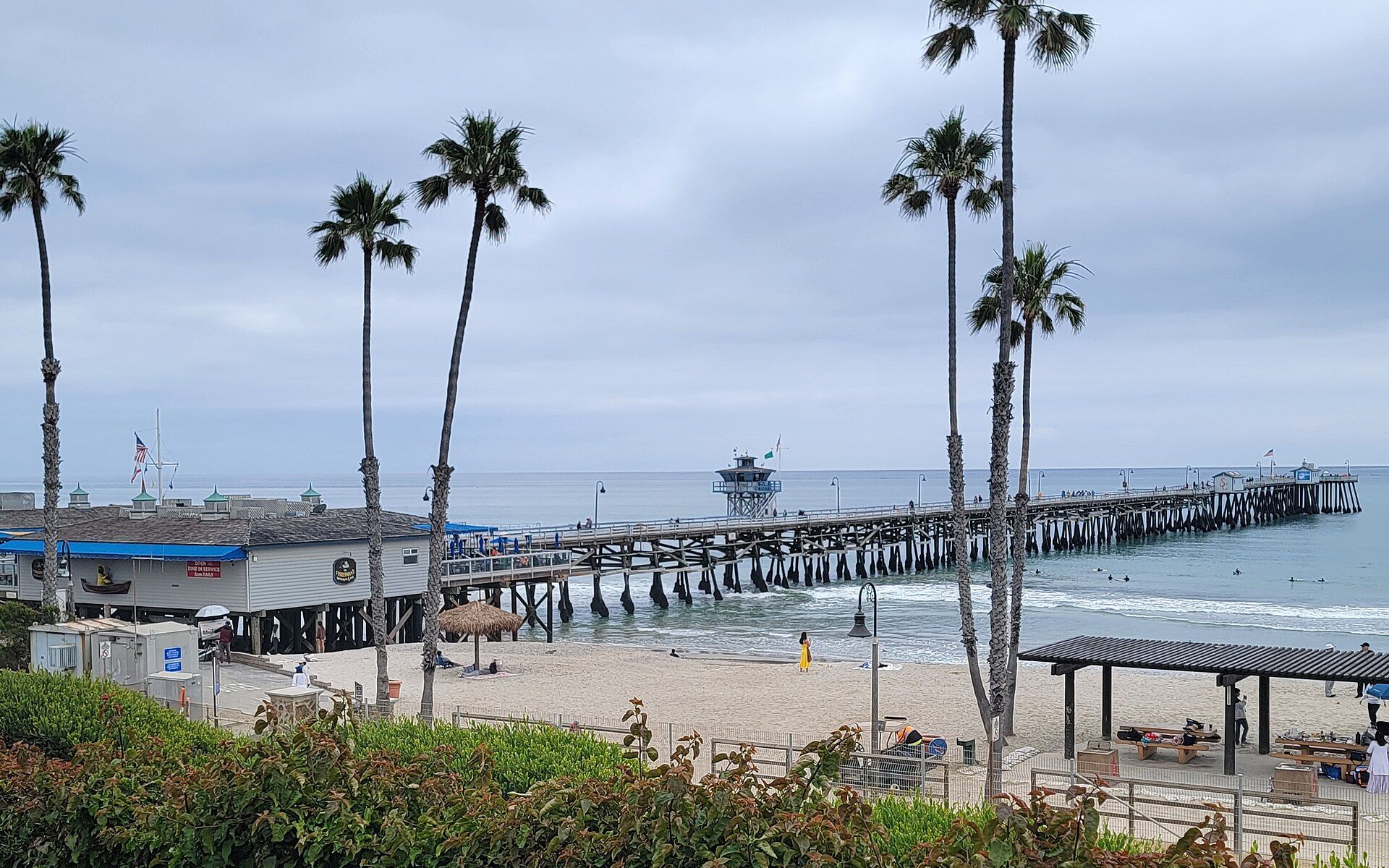
How Far Is Rancho Santa Margarita From the Beach? What Buyers Should Know
Rancho Santa Margarita beach access is an important consideration for buyers who want to enjoy the Orange County coast without living directly on it. RSM offers plenty of outdoor recreation, but there is one lifestyle tradeoff buyers should understand before moving here: RSM is not a coastal community. Rancho Santa Margarita sits in the foothills […]
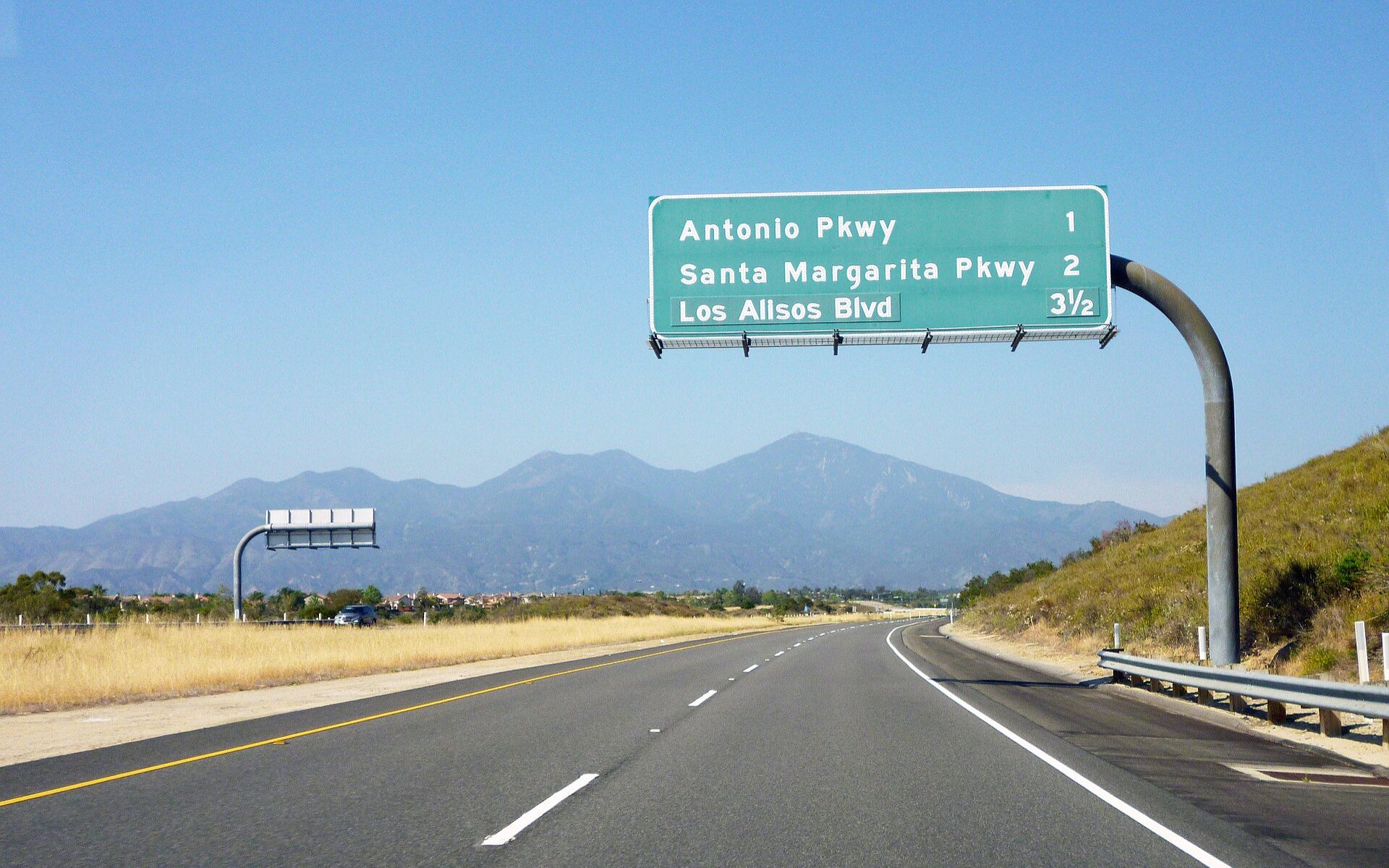
Rancho Santa Margarita Location, Commutes & Nearby Communities: A Local Guide
Location is one of the biggest reasons buyers consider living in Rancho Santa Margarita. Understanding the Rancho Santa Margarita commute is just as important, since travel times can vary depending on the neighborhood, destination, route, and time of day. RSM sits in the foothills of the Santa Ana Mountains in South Orange County, next to […]
Join Our Mailing List
Are you interested in buying a home? Look no further than working with real estate experts.
Quick Links
Brokerage Info
25950 Acero., #100
Mission Viejo, CA 92691
DRE 01200533


All information is deemed reliable but not guaranteed and should be independently reviewed and verified.
Powered by Sprout Interactive

