
San Juan Capistrano Equestrian Lifestyle: Horse Properties, Trails & Riding Culture
The San Juan Capistrano equestrian lifestyle is not simply part of the city’s history.
Horses are still visible in its neighborhoods, trails, boarding facilities, riding arenas, and community events today.
That makes San Juan Capistrano unusual within Orange County.
A buyer can live within minutes of I-5, historic downtown, Dana Point, and the coast while still finding horse properties, larger lots, equestrian facilities, and access to an extensive trail network.
The City currently cites approximately 43 miles of unpaved hiking, mountain, and equestrian trails, along with about 20 miles of paved bikeways and more than 3,000 acres of permanent open space.
For riders, that creates real lifestyle value.
However, buying an equestrian property involves much more than finding a large lot.
Buyers need to consider zoning, usable land, barns, trail access, trailer parking, drainage, HOA rules, emergency planning, and how the property actually functions for horses.
Here is what buyers should know about the San Juan Capistrano equestrian lifestyle before choosing a home.
Why San Juan Capistrano Has Such a Strong Equestrian Identity
San Juan Capistrano has developed around a combination of ranching history, open land, horse-oriented neighborhoods, and recreational trails.
The city itself describes San Juan Capistrano as a well-known equestrian destination because of its concentration of horses, stables, and riding facilities.
That identity remains visible throughout the community.
You may see riders using local trails.
Some neighborhoods include dedicated horse trails.
Several properties have barns or stable facilities.
Large equestrian centers continue to board and train horses.
Meanwhile, major horse shows still bring riders and spectators into the city.
As a result, horses feel integrated into San Juan Capistrano rather than separated into one isolated rural district.
San Juan Capistrano Has an Extensive Trail Network
For many equestrian buyers, trail access matters almost as much as the property itself.
San Juan Capistrano’s trail system includes both hiking and multi-use routes that connect neighborhoods, creeks, open space, and surrounding areas.
The City’s General Plan describes a network of hiking, biking, and equestrian trails held together largely by routes along San Juan Creek, Trabuco Creek, and Oso Creek. Additional trails move through residential areas and toward surrounding ridgelines.
The City currently reports approximately 43 miles of unpaved hiking, mountain, and equestrian trails.
That is a significant amount of trail infrastructure for a city of roughly 14 square miles.
Some Neighborhoods Connect More Directly Than Others
Trail access is not equal across every property.
Some equestrian-oriented neighborhoods connect directly or indirectly to the city trail system.
Other homes may require riders to trailer horses to a staging area or riding facility.
Therefore, buyers should ask:
Can I ride directly from the property?
Is there a horse trail behind the lot?
Does the HOA maintain the trail?
Is there a safe crossing between the property and the larger trail network?
Is the trail public, private, or controlled by an association?
A home may be only a short distance from a trail on a map but still require difficult road crossings or trailer transport.
The City Trail Map Shows How Deeply Horses Are Built Into the Community
San Juan Capistrano’s trail map identifies multi-user routes throughout the city and includes equestrian crossings, staging areas, feeder trails, and connections between residential neighborhoods and larger recreation corridors.
That infrastructure matters.
In many suburban cities, horse owners may have to trailer their horses before every ride.
In parts of San Juan Capistrano, the relationship between home, neighborhood, and trail system can be much more direct.
For serious riders, that convenience can influence which neighborhood makes sense.
Rancho Mission Viejo Riding Park Is a Major Local Equestrian Asset
One of the clearest examples of San Juan Capistrano’s equestrian culture is the Rancho Mission Viejo Riding Park at San Juan Capistrano.
The City-owned public park covers more than 70 acres and operates as a major equestrian competition and community venue.
The Riding Park includes:
- A Grand Hunter grass field
- Seven competition rings
- Riding and walking trails
- Horse-show facilities
- Community-event space
It has hosted Olympic trials, international jumping competitions, rodeos, and other major events. Horse shows are also open to the public.
For residents, that means world-class equestrian activity is not something happening several counties away.
It is part of the local community.
The Riding Park Is Also a Public Park
The Riding Park is not only for professional riders.
Its operators describe it as a public park where visitors can walk the trail, attend horse shows, enjoy community events, and experience the grounds even when they are not competing.
That creates another benefit for residents.
Someone may appreciate the equestrian atmosphere even if they do not personally own a horse.
The horse culture becomes part of the city’s broader recreational identity.
San Juan Capistrano Equestrian Center Supports Boarding and Training
Another major local facility is the San Juan Capistrano Equestrian Center on Oso Road.
Formerly known as Sycamore Trails, the facility has a history stretching back roughly 60 years.
Today, it includes seven arenas, seven barns, round pens, wash racks, farrier stations, and other equestrian infrastructure.
The center supports:
- Horse boarding
- Training
- Riding lessons
- Professional trainers
- Farrier services
- Veterinary connections
- Horse transportation services
The existence of substantial boarding and training facilities gives buyers more flexibility.
You do not necessarily need to keep horses at your home to participate fully in the San Juan Capistrano equestrian lifestyle.
Boarding Can Be an Alternative to Owning a Horse Property
Some buyers love horses but do not want the responsibility of maintaining a barn at home.
For them, professional boarding can be a better option.
Keeping a horse at a dedicated facility may reduce the need to manage:
- Stall cleaning
- Manure disposal
- Arena maintenance
- Feed storage
- Pasture management
- Horse fencing
- Trailer storage
It may also provide easier access to trainers, riding arenas, and other riders.
As a result, a buyer can choose a smaller home or non-equestrian neighborhood while still remaining active in the local riding community.
Mission Hills Ranch Offers a Horse-Oriented Residential Setting
For buyers who want horses integrated directly into their neighborhood, Mission Hills Ranch deserves attention.
The community is known for its equestrian orientation, larger residential lots, and access to horse facilities and trails.
Current neighborhood information describes Mission Hills Ranch as a small community of approximately 53 homes with a private equestrian center and trail access.
That gives residents a different experience from living in a standard suburban tract.
The neighborhood environment itself supports an equestrian lifestyle.
Mission Hills Ranch Buyers Still Need to Check the Individual Property
Even in an equestrian community, every lot is different.
One property may have more usable land.
Another may be steeper.
Some owners may rely heavily on shared facilities.
Others may have space for private horse-related improvements.
Therefore, buyers should confirm what is allowed on the exact parcel.
Do not rely only on the fact that the neighborhood is equestrian-oriented.
Stoneridge Has Equestrian History and Horse-Trail Access
Stoneridge is another important neighborhood for buyers exploring the San Juan Capistrano equestrian market.
City records show that properties within the Stoneridge neighborhood have historically received approval for private barns and other equestrian improvements. One City report documented a 2.99-acre residential property where owners sought approval for a private equestrian barn and stable, noting that several other properties within the tract had previously received approval for similar improvements.
Recent property records also identify horse trails as part of the Stoneridge community environment.
That makes Stoneridge worth considering for buyers who want:
Larger lots, hillside surroundings, trail access, custom homes, and potential equestrian functionality.
However, buyers should still investigate the specific property carefully.
The Hunt Club Combines Estates and Equestrian Living
The Hunt Club offers yet another version of equestrian living.
The guard-gated community contains roughly 83 custom estates on lots commonly ranging from about half an acre to two acres.
Many properties are horse-oriented, and the community connects to local riding trails.
Some individual estates may include:
- Barns
- Stables
- Riding rings
- Trailer access
- Large yards
- Horse-friendly zoning
However, these features vary from one property to another.
That matters because no two Hunt Club estates are exactly alike.
Lot usability and equestrian improvements can influence value just as much as interior square footage.
Not Every Equestrian Buyer Needs the Same Type of Property
The phrase horse property can mean very different things.
One buyer may need room for two pleasure horses.
Another may own several competition horses.
Someone else may want a home near boarding facilities without keeping horses on-site.
Because of that, buyers should define their needs before looking at listings.
Ask yourself:
How many horses do I expect to keep?
Do I need stalls on-site?
Do I need an arena?
Do I want direct trail access?
Do I own a horse trailer?
Will trainers or service providers visit the property?
Do I need turnout space?
Will I board some horses elsewhere?
These questions can quickly eliminate properties that look attractive online but do not work in practice.
Large Lot Does Not Automatically Mean Horse Property
This is one of the most important distinctions.
A listing may have a large parcel.
That does not automatically mean horses are permitted.
Likewise, a property may appear flat enough for a barn but have zoning, easement, HOA, or development restrictions.
The City’s Planning Division oversees land-use regulations for private properties and directs owners to verify zoning and development standards for the specific site.
Before purchasing, confirm:
- Current zoning
- Horse-keeping rights
- HOA restrictions
- Allowed number of horses
- Barn and stable requirements
- Setbacks
- Easements
- Development restrictions
- Existing permits
Never assume that the previous owner’s use guarantees your future plans.
Usable Acreage Matters More Than Total Acreage
This is especially important in hillside San Juan Capistrano.
A property might contain one, two, or three acres on paper.
However, part of the land may include:
- Steep slope
- Drainage areas
- Open-space restrictions
- Easements
- Protected areas
- Retaining structures
For a horse owner, usable flat land is often more valuable than headline acreage.
Think about where the horses will actually live.
Where will the stalls go?
Where can a trailer turn around?
Where can you store hay?
Can you create turnout space?
Is there enough room between horse facilities and neighboring homes?
The parcel map tells only part of the story.
Trailer Access Can Make or Break a Horse Property
Trailer access is easy to overlook during a home showing.
However, it can become one of the most important practical issues after purchase.
Consider:
- Gate width
- Driveway slope
- Turnaround radius
- Street width
- HOA vehicle rules
- Trailer parking
- Loading areas
- Emergency access
A beautiful property may become frustrating if loading a horse trailer requires complicated maneuvering every time you leave.
For serious equestrian buyers, test the route before buying.
Barns and Stables Need More Than Space
If a property already has a barn or stable, inspect it carefully.
Look beyond appearance.
Evaluate:
- Ventilation
- Stall size
- Roofing
- Drainage
- Electrical systems
- Lighting
- Water access
- Wash areas
- Feed storage
- Tack storage
- Fire safety
- Fencing
Also verify permits.
An attractive barn can add significant utility to a property, but only if it is safe, legal, and practical.
Drainage Is Especially Important Around Horses
Horse properties produce unique drainage challenges.
Stalls, paddocks, arenas, wash areas, and manure storage can all affect how water moves across the site.
San Juan Capistrano includes hills, creeks, and drainage corridors.
Therefore, buyers should pay close attention to where water travels during heavy rain.
Ask:
Where does runoff go?
Does water collect around stalls?
Is the arena properly graded?
Are retaining walls present?
Has erosion occurred?
Does drainage move toward neighboring properties?
A property that looks perfect during dry weather may behave very differently during winter storms.
Manure Management Is Part of Horse Ownership
Keeping horses on-site also means managing waste.
That requires a practical system for storage and removal.
San Juan Capistrano’s larger commercial equestrian facilities must specifically manage manure and stall waste as part of their operations.
Residential needs may be smaller, but the same practical issue applies.
Buyers should know:
Where will manure be stored?
How often will it be removed?
Can service vehicles access the storage area?
Will odors affect outdoor living areas or neighbors?
This may sound like a small detail during a home search.
It becomes a regular part of everyday ownership.
Fire and Emergency Planning Matter More When Horses Are Involved
Large animals require a different emergency plan than household pets.
San Juan Capistrano operates a Large Animal Response Team, or LART, specifically because the city has a high concentration of horses, stables, and riding facilities.
The City advises horse owners to prepare for emergencies by arranging evacuation destinations, maintaining supplies and veterinary information, and making sure animals are comfortable loading into trailers.
For buyers considering an equestrian home, emergency planning should begin before move-in.
Know:
- Your evacuation route
- Your backup route
- Where horses can be transported
- Who can help load them
- Where trailers will be stored
- Which roads could become congested
That preparation can be especially important during wildfire, flood, or other emergency conditions.
Caspers Wilderness Park Expands Regional Riding Opportunities
San Juan Capistrano riders also have access to larger regional open-space systems.
Ronald W. Caspers Wilderness Park, located along Ortega Highway, includes equestrian trails, corrals, and equestrian camping.
The park contains multiple hiking and equestrian routes across valleys, oak groves, ridges, and natural open space.
For riders who enjoy longer recreational outings, this adds another layer to the local lifestyle.
The ability to combine neighborhood trails with larger wilderness riding opportunities helps distinguish the broader San Juan Capistrano area.
The Equestrian Trail System Is Still Part of City Planning
The city continues to consider equestrian connectivity in future infrastructure.
For example, the planned La Novia Bridge replacement includes a dedicated equestrian path along with a multi-use path and improved trail connections.
Construction is not scheduled until later phases, so buyers should not treat this as an existing amenity.
However, it shows that horse and trail access remain part of the city’s long-term transportation and recreation planning.
That is unusual in a highly developed part of Southern California.
You Do Not Need to Own a Horse to Appreciate the Equestrian Lifestyle
The equestrian character benefits more than riders.
Horse-oriented neighborhoods often preserve:
- Larger lots
- Trail corridors
- Open views
- Mature landscaping
- Rural-style streets
- Lower-density environments
That can appeal to buyers who simply want more space and a different atmosphere.
Someone may never own a horse but still prefer a neighborhood where trails and open land shape the surroundings.
This is one reason San Juan Capistrano can feel different from many nearby Orange County communities.
Equestrian Living Does Come With Tradeoffs
Horse properties require more work.
Depending on the property, owners may need to maintain:
- Fencing
- Barns
- Stalls
- Arenas
- Irrigation
- Drainage
- Landscaping
- Trees
- Driveways
- Trailer areas
There may also be higher costs for:
- Water
- Landscaping
- Insurance
- Repairs
- Horse care
- Feed
- Veterinary services
- Farriers
- Waste removal
Therefore, buyers should consider the complete cost of ownership rather than focusing only on the home price.
Horse Property Can Also Affect Resale
Equestrian improvements may add meaningful value for the right buyer.
However, they can narrow the buyer pool.
A serious horse owner may pay a premium for:
- Direct trail access
- Legal stalls
- A quality barn
- Trailer access
- Flat usable acreage
- Riding facilities
A non-horse buyer may view the same facilities as space that needs conversion.
That makes accurate pricing especially important.
Comparable sales should reflect more than bedroom count and square footage.
What Makes One Equestrian Property More Valuable Than Another?
Several factors can make a major difference.
For example, two one-acre properties may not be equivalent.
One may have flat usable land, permitted stalls, direct trail access, and convenient trailer parking.
The other may contain a steep hillside with no practical horse infrastructure.
For equestrian buyers, value may depend heavily on:
- Usable land
- Horse zoning
- Trail connection
- Barn quality
- Arena or riding area
- Trailer access
- Privacy
- Drainage
- Existing permits
- Neighborhood rules
This is why automated home valuations can struggle with equestrian properties.
Buying an Equestrian Home Requires More Than a Standard Home Tour
A traditional buyer may spend most of a showing inside the house.
An equestrian buyer needs to spend significant time outside.
Walk the entire property.
Locate the property lines.
Follow the trail connection.
Inspect the barn.
Look at fencing.
Check drainage.
Test trailer access.
Review slopes.
Understand neighboring properties.
Then evaluate the house.
For an equestrian purchase, the land can be as important as the kitchen.
San Juan Capistrano Equestrian FAQ
Is San Juan Capistrano an equestrian community?
Yes.
The City describes San Juan Capistrano as a well-known equestrian destination because of its concentration of horses, stables, and riding facilities.
How many equestrian trails does San Juan Capistrano have?
The City currently reports approximately 43 miles of unpaved hiking, mountain, and equestrian trails.
Does San Juan Capistrano have horse properties?
Yes.
Horse-oriented properties can be found in several neighborhoods and estate areas. However, zoning and horse-keeping rights vary by individual parcel.
Which San Juan Capistrano neighborhoods are known for equestrian living?
Mission Hills Ranch, Stoneridge, and the Hunt Club are among the communities buyers commonly consider when looking for equestrian-oriented properties.
Can you keep horses at home in San Juan Capistrano?
Some properties permit horses.
However, buyers should verify zoning, HOA rules, lot-specific restrictions, permits, and horse-keeping regulations for the exact address.
Does the Hunt Club allow horses?
Many Hunt Club properties are horse-oriented, and some include barns, stables, riding areas, or trail connections. Rules vary by property.
Is Mission Hills Ranch equestrian?
Yes.
Mission Hills Ranch is an established horse-oriented community with larger lots and equestrian facilities.
Does Stoneridge have horse trails?
Yes.
Current property records identify horse trails within the Stoneridge community, and City records document private equestrian improvements on certain lots.
What is Rancho Mission Viejo Riding Park?
It is a City-owned public park and major equestrian venue covering more than 70 acres in San Juan Capistrano. It hosts horse shows, competitions, community events, and public recreation.
Are horse shows open to the public?
The Riding Park states that its horse shows are open to the general public.
Is there horse boarding in San Juan Capistrano?
Yes.
San Juan Capistrano Equestrian Center on Oso Road is one major boarding, training, and riding facility.
Can you ride horses at Caspers Wilderness Park?
Yes.
Caspers Wilderness Park offers equestrian trails, corrals, and equestrian camping.
What should I check before buying a horse property?
Verify zoning, horse rights, usable acreage, trail access, barn permits, fencing, trailer access, drainage, HOA restrictions, emergency access, and total maintenance costs.
Is the San Juan Capistrano Equestrian Lifestyle Right for You?
For the right buyer, San Juan Capistrano offers something increasingly difficult to find in coastal Orange County.
You can own a larger property, keep horses in select neighborhoods, connect with a substantial trail network, use professional boarding and training facilities, attend major horse shows, and still remain close to historic downtown, Dana Point, San Clemente, and regional transportation.
However, horse property ownership requires careful research.
Do not choose a property based only on acreage.
Instead, evaluate how the land actually works.
Look at:
- Horse-keeping rights
- Usable acreage
- Trail access
- Barns and stalls
- Trailer access
- Drainage
- Fencing
- HOA rules
- Permits
- Emergency planning
- Maintenance
- Total ownership cost
For some buyers, the ideal solution may be a full equestrian estate.
For others, it may be a home in an equestrian neighborhood with shared facilities.
And for riders who prefer professional boarding, the best home may not be horse-zoned at all.
That variety is part of what makes the San Juan Capistrano equestrian lifestyle distinctive.
Explore More About Living in San Juan Capistrano
Explore the Living in San Juan Capistrano guide
Explore the San Juan Capistrano Neighborhoods & Homes guide
Explore the Historic Downtown San Juan Capistrano guide
Recent Updates
San Juan Capistrano Parks, Trails & Open Space: Hiking, Riding & Outdoor Recreation
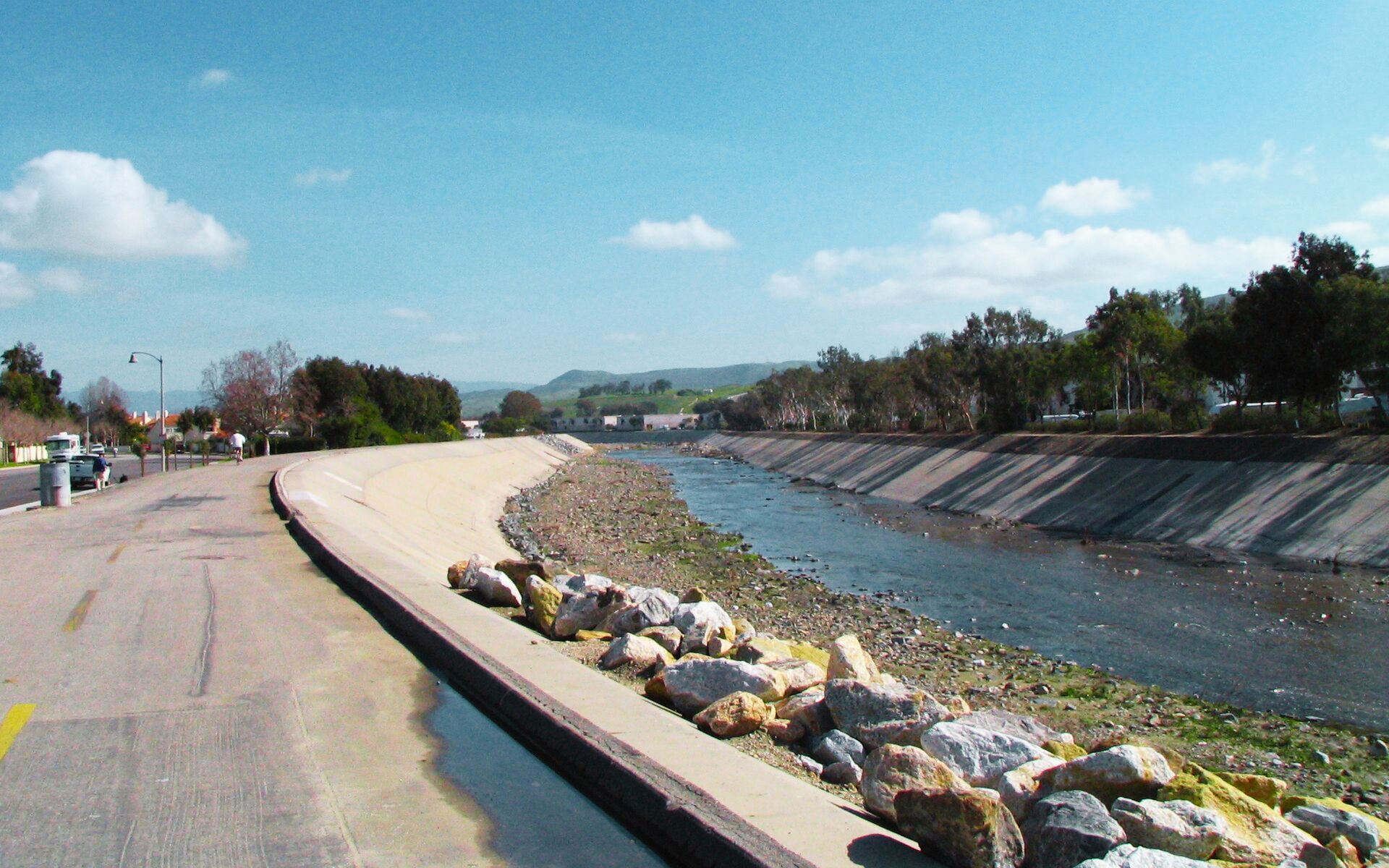
San Juan Capistrano trails are one of the biggest reasons the city feels different from many other parts of Orange County. Historic downtown may get much of the attention, but beyond the Mission and Los Rios, San Juan Capistrano has an extensive network of trails, parks, creek corridors, equestrian routes, and protected open space. The […]
Historic Downtown San Juan Capistrano: Mission, Los Rios, Dining & Local Life
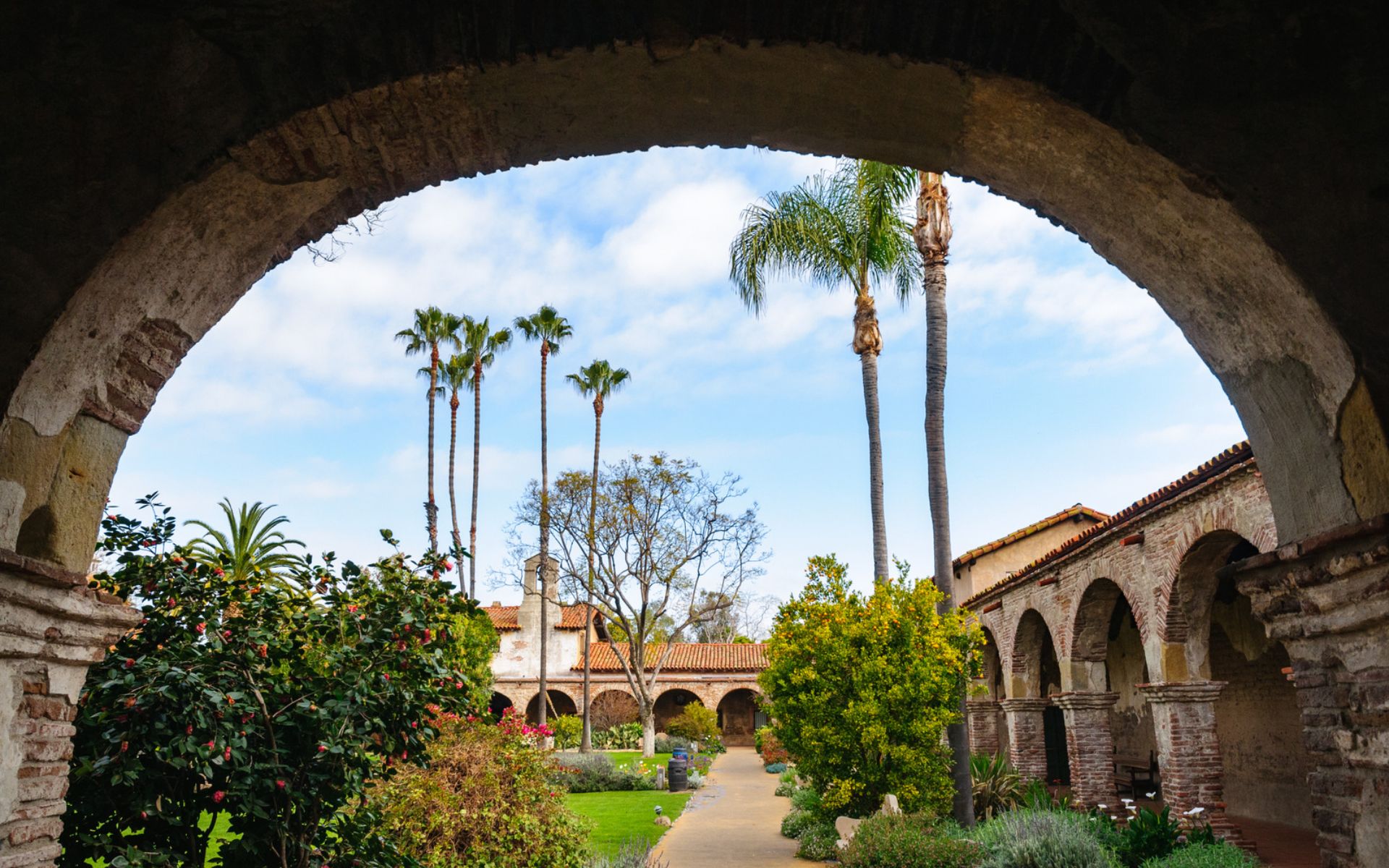
Downtown San Juan Capistrano is unlike almost any other town center in Orange County. Instead of being built around a modern shopping district, the heart of the city grew around history. Mission San Juan Capistrano sits at its center. Across the railroad tracks, Los Rios preserves one of California’s oldest residential environments. Restaurants, cafés, shops, […]
San Juan Capistrano Neighborhoods & Homes: Marbella, Mission Hills, Stoneridge & More
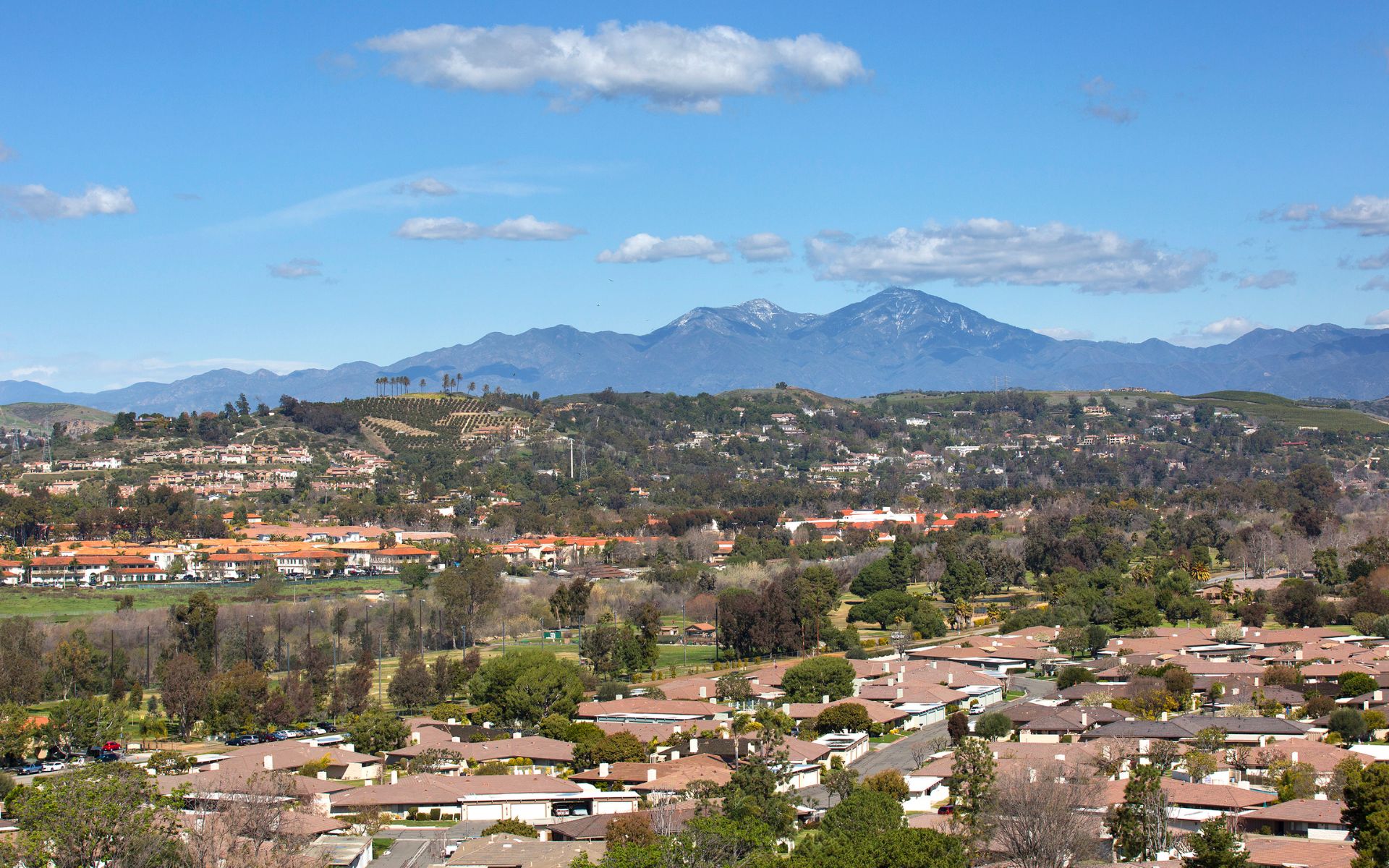
San Juan Capistrano neighborhoods offer one of the widest ranges of residential lifestyles in South Orange County. Within the same city, buyers can find: Guard-gated golf communities Equestrian neighborhoods Custom estates Larger-lot homes Newer master-planned communities Hillside properties Condos and townhomes 55+ communities Homes near historic downtown Properties with ocean, Harbor, golf-course, canyon, or hill […]
Join Our Mailing List
Are you interested in buying a home? Look no further than working with real estate experts.
Quick Links
Brokerage Info
25950 Acero., #100
Mission Viejo, CA 92691
DRE 01200533


All information is deemed reliable but not guaranteed and should be independently reviewed and verified.
Powered by Sprout Interactive

