
San Clemente Neighborhoods & Homes: What Buyers Should Know
Choosing a home in San Clemente is not simply a question of how close you want to be to the Pacific Ocean.
The San Clemente neighborhoods and homes available across the city can create dramatically different lifestyles depending on whether you choose a coastal property near the Pier, a hillside home in Rancho San Clemente, an established neighborhood in Forster Ranch, a planned community in Talega, or a home in the Marblehead area.
San Clemente’s own General Plan recognizes this diversity, describing residential options ranging from planned communities such as Talega, Forster Ranch, Rancho San Clemente, and Marblehead to older neighborhoods closer to the coast. Housing settings include single-family and multifamily properties, golf-course locations, ocean-view homes, master-planned communities, and mixed-use environments.
That means two San Clemente homes with similar prices or square footage can provide very different experiences in terms of beach access, elevation, views, HOA structure, lot size, neighborhood amenities, commute routes, trails, parking, and proximity to downtown.
Here is what buyers should know when comparing San Clemente neighborhoods and homes.
San Clemente Neighborhoods at a Glance
San Clemente is easier to understand when you stop thinking of it as one coastal housing market and instead look at several distinct residential environments.
Talega occupies a large area in northeastern San Clemente and offers a master-planned setting with residential villages, open space, golf, trails, parks, and community amenities.
Forster Ranch sits in northwestern San Clemente and combines established residential neighborhoods with hills, open space, community parks, and the Forster Ranch Ridgeline Trail.
Rancho San Clemente stretches through an elevated inland section of the city and is defined partly by ridgelines, hills, ocean and mountain views, and access from Avenida Pico and Avenida La Pata.
Marblehead Inland occupies the area generally between Avenida Vista Hermosa, Avenida Pico, I-5, and Camino Vera Cruz.
Marblehead Coastal sits west of I-5 closer to the Pacific and includes the Sea Summit area and coastal trail connections.
Central and coastal San Clemente, including neighborhoods around the Pier Bowl, Avenida Del Mar, T-Street, Linda Lane, North Beach, and nearby residential streets, offers a very different experience centered more closely on the coast and downtown.
The City itself has adopted separate Specific Plans for Forster Ranch, Marblehead Coastal, Marblehead Inland, the Pier Bowl, Rancho San Clemente, Talega, and the West Pico Corridor, illustrating just how geographically distinct these parts of San Clemente are.
Talega: Master-Planned Living in Northeastern San Clemente
Talega is one of the largest and most recognizable San Clemente neighborhoods.
The City’s Talega Specific Plan covers approximately 3,510 acres in northeastern San Clemente. Major roads include Avenida Pico, Camino La Pedriza, Avenida Vista Hermosa, and Avenida Talega.
Because Talega extends well inland from the coast, the lifestyle feels noticeably different from areas surrounding the Pier or T-Street.
Instead of organizing daily life around walking to the beach, Talega is more oriented around residential villages, neighborhood streets, open space, recreation, and driving connections toward Avenida Pico and the rest of San Clemente.
What Types of Homes Can Buyers Find in Talega?
Talega contains a broad mix of residential environments rather than one identical home style.
Depending on the section, buyers may encounter detached homes, attached residences, gated enclaves, properties overlooking open space, homes near recreational amenities, and residences positioned around the golf-course environment.
The Talega Specific Plan includes an 18-hole championship golf course running through portions of the community, surrounded by residential areas, open space, and parkland.
That means even within Talega, location matters.
A home near the golf course may feel very different from one closer to Avenida Vista Hermosa, Avenida Talega, or the outer residential villages.
Talega Parks and Trails
Talega Park is located at 179 Corte Cristianitos and includes sports fields, basketball, a children’s play area, picnic facilities, grassy areas, and mountain views.
Talega also connects with the city’s inland trail network. The Cristianitos Regional Trail runs behind the Talega development and eventually reaches the San Clemente Summit, which the City identifies as the highest point in San Clemente at approximately 1,008 feet.
For buyers who prioritize planned neighborhoods, trails, recreation, and a more inland residential setting, Talega may deserve close consideration.
For buyers who want to walk to the Pier or beach every morning, the tradeoff is distance from the coast.
Forster Ranch: Established Neighborhoods, Parks and Ridgelines
Forster Ranch occupies approximately 1,982 acres in northwestern San Clemente.
The City identifies major streets including Camino De Los Mares, Camino Vera Cruz, Camino Del Rio, Portico Del Sur, Portico Del Norte, and Sarmentoso. Talega sits to its east, while Marblehead Inland and parts of Rancho San Clemente border the area to the south.
Forster Ranch often appeals to buyers who want a more established inland San Clemente environment without going as far east as portions of Talega.
What Does Forster Ranch Feel Like?
The area combines residential streets with rolling terrain, open space, parks, and trail access.
That geography is important.
Depending on the street, buyers can encounter homes positioned against hillsides, along elevated streets, near neighborhood green space, or close to larger roads leading toward I-5 and the rest of San Clemente.
The Forster Ranch Community Park at 3207 Camino Vera Cruz includes sports fields, a walking and jogging loop, a playground, picnic areas, tennis courts, and mountain views.
The Forster Ranch Ridgeline Trail
One of the area’s strongest hyper-local outdoor features is the Forster Ranch Ridgeline Trail.
The City describes it as a 3.2-mile trail following the hills on the south and east sides of Forster Ranch, with steep sections, natural terrain, open space, and viewpoints over San Clemente’s inland communities and the ocean beyond.
For buyers comparing Forster Ranch homes, trail proximity and elevation can therefore be meaningful property-specific features.
A home at the base of the hills can provide a different setting from one positioned higher along the ridgeline.
Rancho San Clemente: Hills, Ridgelines and Wide Views
Rancho San Clemente is another major planned area that deserves to be evaluated separately.
The City places Rancho San Clemente generally southeast of Avenida Pico and approximately half a mile inland from I-5. The planning area spans about 1,943 acres, with elevations ranging from less than 80 feet to more than 900 feet above sea level.
Major streets include Avenida Pico, Avenida La Pata, Calle Del Cerro, Avenida Vista Montana, and Calle Amanecer.
Those elevation changes are a major part of the area’s character.
Views Can Vary Dramatically in Rancho San Clemente
The City’s planning documents identify a primary ridgeline and prominent knoll as defining physical features of Rancho San Clemente.
The Rancho San Clemente Ridgeline Trail further illustrates the area’s elevation. The City describes the 3.5-mile trail as offering views extending from the Dana Point Headlands toward San Diego County beaches, along with inland hills and mountains.
For home buyers, this means elevation and orientation may matter almost as much as floor plan.
Two properties within Rancho San Clemente can have very different outlooks depending on which side of a hill they occupy.
Rancho San Clemente Park
Rancho San Clemente Park at 150 Calle Aguila includes a walking and jogging loop, basketball and volleyball courts, grassy areas, picnic facilities, a playground, and both ocean and mountain views.
This makes the neighborhood especially useful to compare with both the more master-planned Talega environment and the coastal areas west of I-5.
Marblehead Inland: Between I-5 and the Inland Neighborhoods
Marblehead is not one single neighborhood.
The City distinguishes between Marblehead Inland and Marblehead Coastal, and buyers should do the same.
The Marblehead Inland planning area covers approximately 762 acres and lies generally between Avenida Vista Hermosa to the north, Avenida Pico to the south, I-5 to the west, and Camino Vera Cruz to the east. Major streets include Avenida Vista Hermosa, Calle Frontera, and Avenida Faceta.
That location places Marblehead Inland between several major parts of San Clemente.
It sits closer to I-5 and the coast than Talega while remaining east of the freeway.
Marblehead Inland Homes and Location
Because of its position, Marblehead Inland can make sense for buyers who want an inland residential setting without being as far from the coastline as some portions of eastern San Clemente.
Elevation, freeway access, neighborhood street layout, and views should still be evaluated property by property.
Current San Clemente market data tracks Marblehead Inland separately from Talega, Forster Ranch, and Rancho San Clemente, another indication that buyers should avoid treating these areas as interchangeable.
Marblehead Coastal and Sea Summit: West of I-5
Cross I-5 toward the Pacific and the setting changes again.
The City’s Marblehead Coastal Specific Plan covers approximately 248 acres, bounded by the ocean to the west and I-5 to the east. Avenida Vista Hermosa is one of the major streets serving the area.
This is where buyers encounter a stronger connection between residential development, coastal open space, trails, views, and proximity to North Beach.
Sea Summit at Marblehead Trail
One of the most recognizable local features is the Sea Summit at Marblehead Trail, accessed near 560 W. Avenida Vista Hermosa.
The City notes that public parking is available near Jim Johnson Memorial Sports Park, while North Beach can also provide access from the coastal side.
The broader trail system connects residential areas around Sea Summit and Avenida Vista Hermosa toward North El Camino Real, Avenida Pico, Pico Park, and coastal canyon areas.
For buyers, Marblehead Coastal illustrates a recurring San Clemente theme:
A property does not necessarily have to sit directly on the sand to offer a strong coastal lifestyle.
Trail access, bluff location, ocean orientation, and proximity to North Beach can all influence how connected a home feels to the coast.
Marblehead Park and Nearby Recreation
Marblehead Park at 2400 Via Turqueza offers basketball and tennis courts, a children’s play area, grassy areas, a walking and jogging loop, picnic facilities, and ocean views.
Nearby Jim Johnson Memorial Sports Park on Avenida Vista Hermosa provides additional recreation, while the Sea Summit trail system adds another outdoor component to this part of San Clemente.
The Pier Bowl: Living Close to Downtown and the Ocean
For buyers who picture San Clemente as Avenida Del Mar, the Pier, beach walks, restaurants, coastal streets, and ocean views, the Pier Bowl represents a very different residential experience from Talega or Forster Ranch.
The City defines the Pier Bowl as approximately 56 acres adjacent to the San Clemente Municipal Pier, extending roughly from Linda Lane Park on the north to Trafalgar Canyon on the south, the Pacific Ocean on the west, and inland residential neighborhoods on the east.
This area trades the larger-scale planned-community environment for proximity.
Depending on the property, buyers may be closer to:
the San Clemente Pier, Avenida Del Mar, Parque Del Mar, restaurants and cafés, the Beach Trail, the Metrolink station, coastal access, and downtown services.
But coastal proximity can also mean more visitor activity, tighter parking, smaller lots in some areas, hillier streets, and greater variation from one property to the next.
That makes the Pier Bowl especially important to experience in person.
Central and Coastal San Clemente Homes
Outside the formal Pier Bowl boundary, established residential streets continue along the coast through areas near North Beach, Linda Lane, T-Street, Lost Winds, Riviera, and Calafia.
San Clemente’s public beach access points are distributed along the coast rather than concentrated only around the Pier.
For buyers, this creates several different versions of coastal living.
One property may be within walking distance of T-Street.
Another may sit above Linda Lane.
Another may have an ocean view but require a drive to the beach.
Another may be closer to Calafia and San Clemente State Beach.
The phrase “near the beach” is not specific enough when evaluating San Clemente real estate.
The actual access point, elevation, stairs, trail connection, parking, and walking route matter.
For a deeper comparison of those coastal access points, explore our guide to San Clemente beaches and surfing.
Older Homes vs. Planned Communities in San Clemente
Another important decision is whether you prefer the character of an established coastal neighborhood or the more organized structure of a planned community.
San Clemente’s General Plan specifically recognizes both older residential areas and large planned communities.
In established areas, buyers may encounter more variation in architecture, lot configuration, renovation history, street layout, parking, and home age.
In planned neighborhoods, HOA standards, architectural consistency, recreational amenities, maintained common areas, and community rules may play a larger role.
Neither is automatically better.
It depends on how much you value consistency versus individuality, shared amenities versus private space, and coastal proximity versus planned-community features.
HOA Structure Can Change the Homeownership Experience
San Clemente buyers should never assume all neighborhoods have the same HOA setup.
Some properties may have no traditional master-planned HOA structure.
Others may belong to one or more associations covering landscaping, private streets, gates, pools, recreation areas, architectural standards, or other common amenities.
Before purchasing, buyers should review the property’s specific HOA documents rather than relying solely on the neighborhood name.
Important questions include what the monthly dues cover, whether there are multiple associations, what architectural restrictions apply, what amenities are included, and whether any assessments are currently planned.
This becomes especially important in large planned communities where two homes only a short distance apart can belong to different associations or sub-neighborhoods.
Ocean View vs. Beach Access
One of the biggest mistakes a San Clemente buyer can make is treating ocean view and beach access as the same feature.
They are not.
A hillside home in Rancho San Clemente, Marblehead, or another elevated neighborhood may offer a broad ocean view but require driving to the sand.
A home near the Pier, T-Street, or North Beach may provide easier access while having a more limited view.
Some buyers would rather see the ocean every day.
Others care more about walking to it.
Some want both.
That preference should be established before you begin comparing neighborhoods.
Elevation Matters in San Clemente
San Clemente is not flat.
The city stretches from beaches and coastal bluffs into canyons and inland ridgelines.
Rancho San Clemente reaches elevations above 900 feet, while the San Clemente Summit near Talega reaches approximately 1,008 feet.
Elevation can influence:
views, street grade, driveway slope, wind exposure, walking difficulty, drainage, privacy, and how quickly you can reach I-5 or the coast.
A map can show distance.
It does not always show what the trip feels like.
Walkability Varies Considerably by San Clemente Neighborhood
There is no single answer to the question, “Is San Clemente walkable?”
Near the Pier and downtown, residents may be able to combine walking with dining, shopping, beach access, and the Beach Trail.
In Talega, Forster Ranch, Rancho San Clemente, and other inland areas, walking may be more focused on neighborhood trails, parks, and recreation rather than errands or beach access.
San Clemente’s Beach Trail itself stretches approximately 2.3 miles from North Beach to Calafia Beach, connecting areas around the Pier and T-Street.
Meanwhile, Forster Ranch, Rancho San Clemente, Talega, and Marblehead each connect with very different trail systems.
Buyers should therefore define what they mean by walkability.
Walking to restaurants is different from walking a ridgeline trail.
San Clemente Homes Can Vary Even Within the Same Neighborhood
Neighborhood research should narrow your search, not replace property-level due diligence.
Within the same community, buyers may find meaningful differences in:
elevation, orientation, lot position, traffic exposure, HOA structure, view corridors, parking, proximity to parks, trail access, beach access, road noise, renovation level, and home condition.
A cul-de-sac home in Talega is not automatically comparable to another Talega property along a busier street.
A Rancho San Clemente home facing the coast may not feel like one oriented toward the hills.
A Marblehead home near a trail entrance may offer a different routine from one several streets away.
A Pier Bowl condo with dedicated parking can solve a problem that matters much more there than it might in an inland neighborhood.
This is why San Clemente home searches should become increasingly property-specific as buyers narrow their options.
How Do San Clemente Neighborhood Prices Compare?
Prices can vary substantially among San Clemente neighborhoods, but those numbers change frequently and should not be used as permanent neighborhood rankings.
As of September 2026, Realtor.com was separately tracking market activity in Talega, Forster Ranch, Marblehead Inland, Rancho San Clemente, The Reserve, Forster Highlands, Marblehead Coastal, Mariners Point, Highland Light, and other smaller areas.
The more useful takeaway is that San Clemente does not have one uniform price point.
Home type, exact location, coastal proximity, ocean view, lot size, condition, HOA, and neighborhood can all materially affect value.
What Should Buyers Compare Between San Clemente Neighborhoods?
Before choosing a neighborhood, compare more than the homes themselves.
A useful San Clemente home search should evaluate beach access, neighborhood elevation, I-5 access, Avenida Pico connections, parking, HOA dues and rules, trail proximity, parks, home age, lot configuration, ocean or canyon views, road exposure, commute patterns, shopping access, and the property’s condition.
Then visit your preferred areas at different times.
A neighborhood at 10 a.m. on Tuesday may feel different at 5 p.m. on Friday or on a summer weekend.
That is especially important near beaches, major streets, schools, recreation facilities, and freeway access points.
Which San Clemente Neighborhood Is Best?
There is no single best San Clemente neighborhood for every buyer.
The better question is:
Which San Clemente neighborhood best matches how you want to live?
Talega may make sense if a large master-planned environment, trails, golf, and community amenities are priorities.
Forster Ranch may appeal if you prefer an established inland neighborhood with parks, ridgelines, and open-space access.
Rancho San Clemente may stand out if elevation and broad views matter.
Marblehead can provide a middle ground between inland convenience and coastal access, with significant differences between the inland and coastal sides of I-5.
The Pier Bowl and other coastal neighborhoods may be stronger fits if your priority is being close to the beach, Avenida Del Mar, downtown, and San Clemente’s coastal activity.
The right answer depends on the property, not simply the neighborhood name.
San Clemente Neighborhoods and Homes FAQ
What are the main neighborhoods in San Clemente?
Some of the larger and most commonly recognized San Clemente residential areas include Talega, Forster Ranch, Rancho San Clemente, Marblehead Inland, Marblehead Coastal, The Reserve, Forster Highlands, Mariners Point, Highland Light, the Pier Bowl, and other established coastal and central neighborhoods. The City maintains separate Specific Plans for several of these areas.
Is Talega part of San Clemente?
Yes. Talega occupies approximately 3,510 acres in northeastern San Clemente. Major streets include Avenida Pico, Avenida Talega, Avenida Vista Hermosa, and Camino La Pedriza.
Where is Forster Ranch in San Clemente?
Forster Ranch is in northwestern San Clemente near Camino De Los Mares and Camino Vera Cruz. It borders Talega to the east and sits north of portions of Marblehead and Rancho San Clemente.
Where is Rancho San Clemente?
Rancho San Clemente is generally southeast of Avenida Pico and inland from I-5. Major streets include Avenida Pico, Avenida La Pata, Calle Del Cerro, Avenida Vista Montana, and Calle Amanecer.
What is the difference between Marblehead Inland and Marblehead Coastal?
Marblehead Inland sits primarily east of I-5 between Avenida Vista Hermosa and Avenida Pico. Marblehead Coastal is west of I-5 and extends toward the Pacific Ocean. The coastal side includes trail connections around Sea Summit and Avenida Vista Hermosa.
Which San Clemente neighborhoods are closest to the beach?
Homes around the Pier Bowl, North Beach, Linda Lane, T-Street, Riviera, Calafia, and other coastal access points generally offer the closest relationship to San Clemente’s beaches. Actual walking access varies significantly by street, elevation, stairs, and railroad crossings.
Which San Clemente neighborhood has the highest elevation?
Elevated areas are found throughout inland San Clemente. Rancho San Clemente rises above 900 feet in portions of its planning area, while the San Clemente Summit near Talega reaches approximately 1,008 feet.
Are there ocean-view homes away from the beach in San Clemente?
Yes. Because of San Clemente’s hills and ridgelines, ocean views can occur well inland from the immediate coastline. Rancho San Clemente and portions of other elevated areas offer broad coastal viewpoints, but views are highly property-specific.
Are all San Clemente neighborhoods part of an HOA?
No. HOA structures vary by property and neighborhood. Buyers should verify the specific association, dues, rules, amenities, assessments, and architectural restrictions tied to the home they are considering.
Is Talega closer to the beach than Forster Ranch?
Both are inland from San Clemente’s primary beach areas, but the actual travel time depends on the exact property, route, traffic, and beach destination. Buyers should test the drive from a prospective home rather than judging only by neighborhood name.
Which San Clemente neighborhood is best for beach access?
There is no single answer because beach access differs by specific street. Properties near North Beach, Linda Lane, the Pier, T-Street, Riviera, and Calafia can each provide different forms of coastal access. Buyers should test the actual walking or driving route from each property.
Should buyers choose a neighborhood before choosing a home?
A neighborhood can help narrow the search, but the final decision should be property-specific. In San Clemente, elevation, views, HOA structure, street location, parking, beach access, trail proximity, lot orientation, and home condition can vary considerably within the same neighborhood.
Thinking About Buying or Selling a Home in San Clemente?
The biggest advantage of researching San Clemente neighborhoods and homes is realizing how many different versions of the San Clemente lifestyle exist.
You can choose the planned-community environment of Talega, the established hills of Forster Ranch, the elevated setting of Rancho San Clemente, the inland or coastal sides of Marblehead, or the beach-and-downtown lifestyle surrounding the Pier.
The right home is the one where the property, neighborhood, commute, amenities, views, beach access, HOA structure, and ownership costs work together for the way you actually want to live.
Explore More About Living in San Clemente
For the broader overview of San Clemente beaches, neighborhoods, downtown, outdoor recreation, transportation, costs, and coastal tradeoffs, explore:
5 Reasons You’ll Love Living in San Clemente and 3 Reasons It Might Not Be for You
Recent Updates
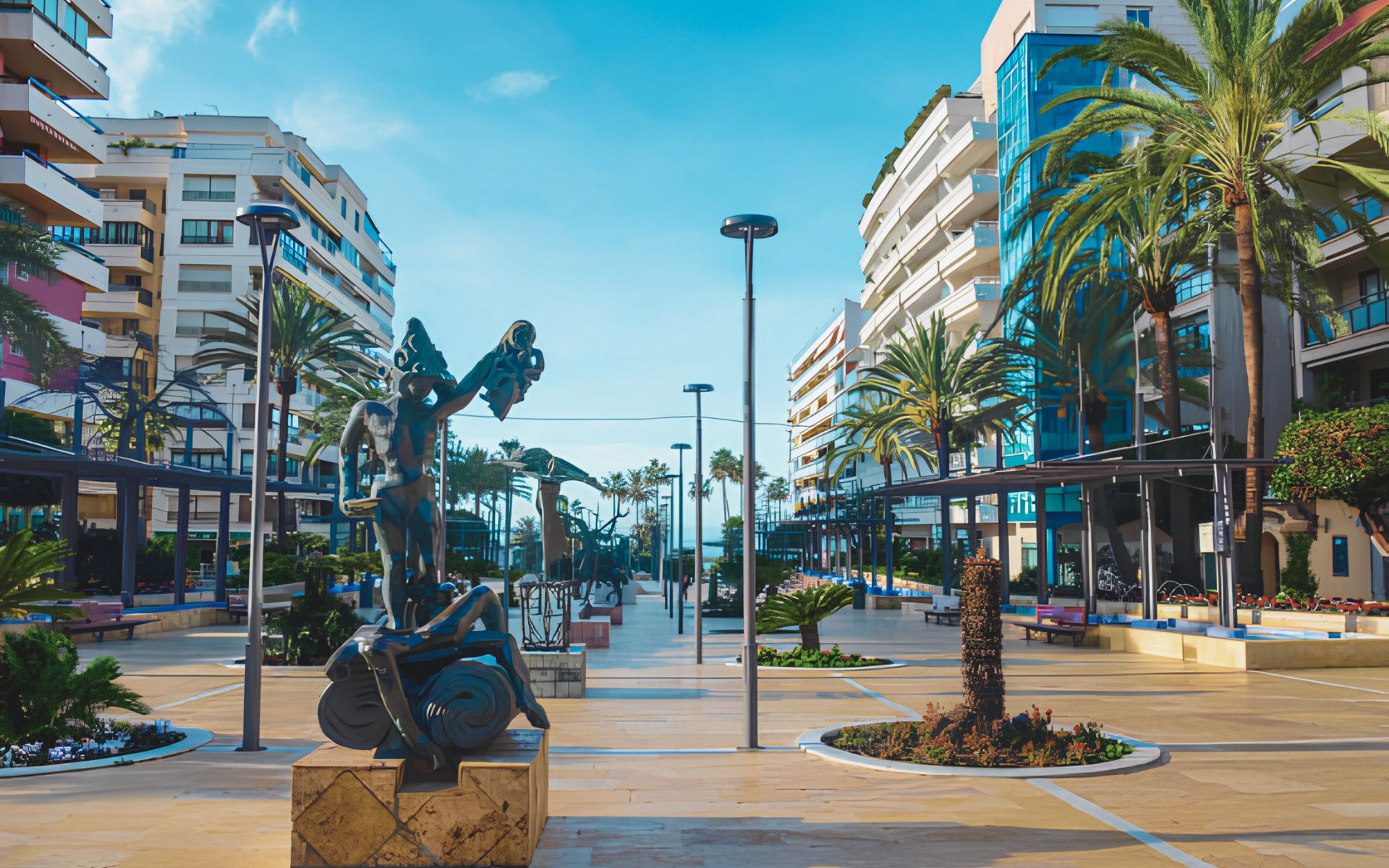
Downtown San Clemente & Avenida Del Mar: Shopping, Dining & Coastal Living
For buyers who want more than a traditional suburban neighborhood, Downtown San Clemente and Avenida Del Mar offer one of the most distinctive lifestyles in South Orange County. This is where San Clemente’s historic downtown, local shopping, restaurants, cafés, community events, Spanish-inspired architecture, the Pier Bowl, and the Pacific Ocean begin to connect. Avenida Del […]
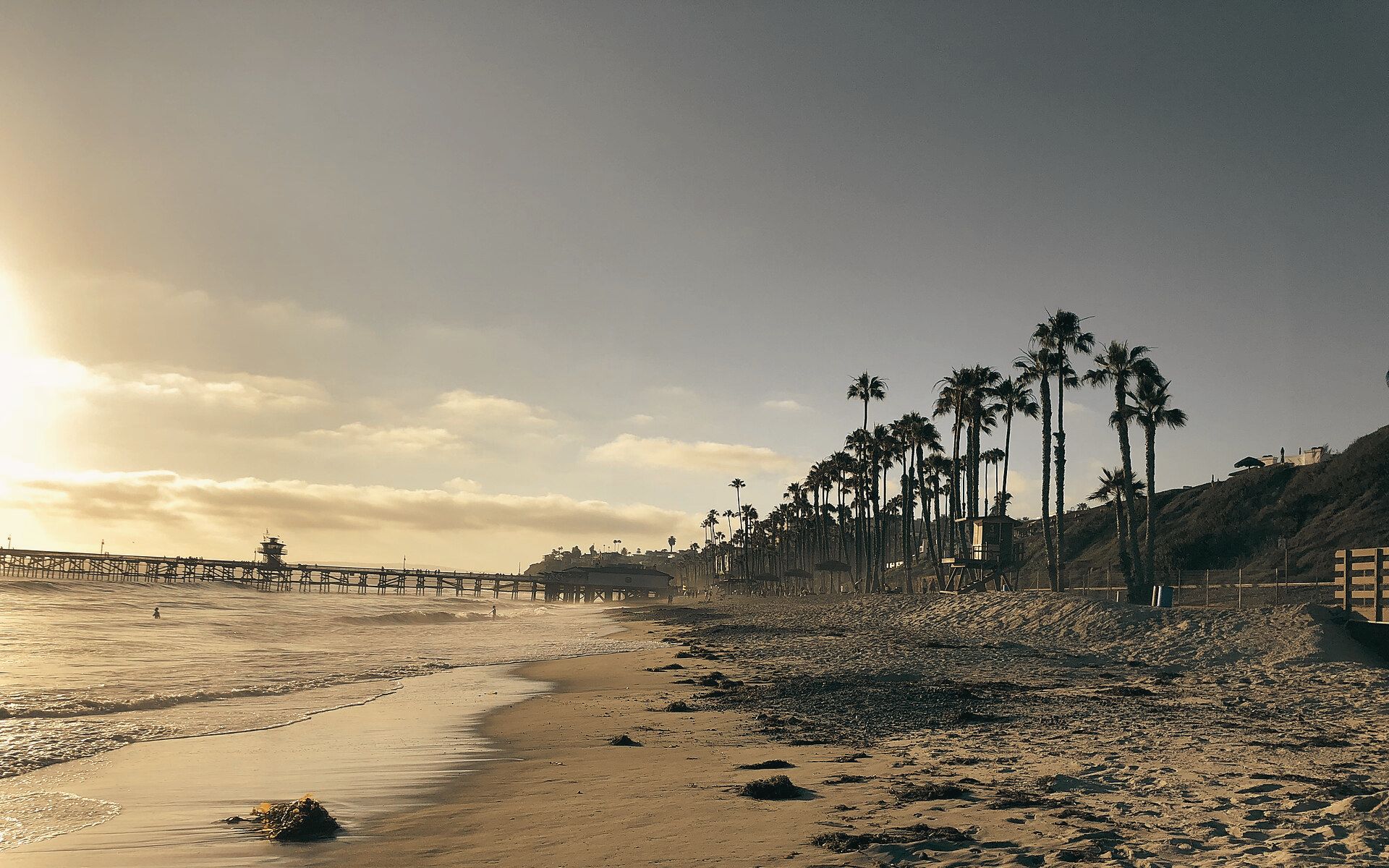
San Clemente Beaches & Surfing: Pier, T-Street, North Beach & More
For buyers considering living in San Clemente, California, the coastline is much more than a scenic backdrop. San Clemente beaches and surfing are woven into the city’s neighborhoods, recreation, local identity, and everyday lifestyle. From North Beach and the San Clemente Pier to T-Street, Linda Lane, Calafia, San Clemente State Beach, and the legendary surf […]
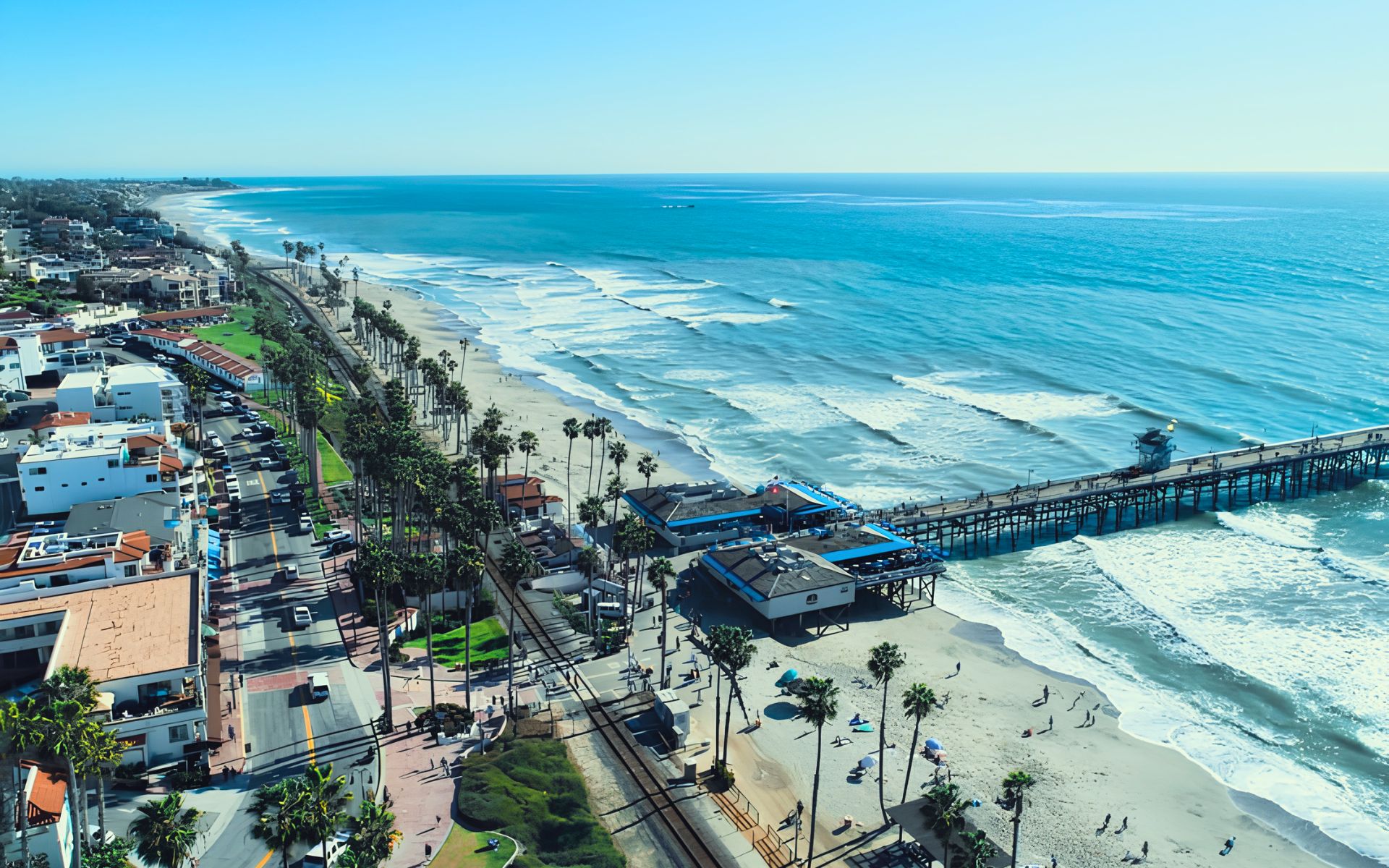
5 Reasons You’ll Love Living in San Clemente and 3 Reasons It Might Not Be for You
If you’re considering living in San Clemente, CA, you’re probably looking for more than homes for sale and ocean-view listing photos. You want to know what everyday life actually feels like. San Clemente sits at the southern end of Orange County, where residential neighborhoods climb coastal hills above the Pacific Ocean. The city combines beaches […]
Join Our Mailing List
Are you interested in buying a home? Look no further than working with real estate experts.
Quick Links
Brokerage Info
25950 Acero., #100
Mission Viejo, CA 92691
DRE 01200533


All information is deemed reliable but not guaranteed and should be independently reviewed and verified.
Powered by Sprout Interactive

