
Does Lake Forest Have a Downtown? What Everyday Life Really Feels Like
When buyers ask about Lake Forest downtown, the answer depends on what they mean by “downtown.”
Lake Forest does have important civic, shopping, dining, and community gathering areas, but it does not function around one traditional Main Street-style district where restaurants, cafés, shops, entertainment, offices, and homes are concentrated into a single walkable center.
Instead, Lake Forest is organized around several activity areas and major corridors. The City’s current General Plan specifically identifies El Toro Road, Lake Forest Drive, the Civic Center, Foothill Ranch Towne Center, and the Light Industrial/Rail Corridor as separate focus areas for future economic activity and mixed-use development.
For buyers, that means understanding a Lake Forest downtown is really about understanding how these different centers work together and how everyday life changes depending on the neighborhood you choose.
Lake Forest Downtown: Why There Is No Single Main Street
Lake Forest developed as a suburban community rather than around a historic downtown core.
Shopping, employment, housing, parks, civic services, and recreation are distributed across different parts of the city.
Today, some of the most important activity areas include:
- El Toro Road
- Lake Forest Drive
- The Civic Center
- Foothill Ranch Towne Centre
- Commercial areas near I-5
- Employment areas and the rail corridor
The City’s planning strategy reflects that decentralized structure. Rather than naming one area as the downtown, the General Plan identifies five separate focus areas and calls for each to maintain its own identity, uses, scale, and amenities.
That is one of the biggest differences buyers should understand when comparing Lake Forest with communities built around a compact historic center.
The Civic Center Is Lake Forest’s Civic Focal Point
If Lake Forest has something closest to a central civic gathering place, it is the Lake Forest Civic Center at 100 Civic Center Drive.
The Civic Center opened in December 2019 and includes:
- City Hall
- Community Center
- Senior Center
- Performing Arts Center and City Council Chamber
The City has described the campus as a focal point for residents, businesses, public meetings, events, and community programs.
The Civic Center gives Lake Forest a recognizable municipal center, but buyers should not confuse it with a traditional commercial downtown.
It is primarily a civic and community destination, rather than a dense district where residents walk between restaurants, shops, nightlife, and residential buildings.
El Toro Road Functions as a Major Commercial Corridor
For many residents, El Toro Road plays a larger role in everyday life than any single downtown district would.
The corridor includes shopping centers, restaurants, grocery stores, professional services, healthcare, and other everyday businesses.
Historically, the City has identified the area near El Toro Road and I-5 as one of Lake Forest’s major concentrations of commercial activity. The Housing Element describes the El Toro Road corridor as a long-established commercial hub serving the Saddleback Valley.
For buyers living in western or central Lake Forest, this area can become part of the normal weekly routine for:
- Groceries
- Restaurants
- Shopping
- Fitness
- Pharmacies
- Professional services
- Freeway access
However, this is a suburban commercial corridor, not a compact pedestrian downtown.
Our Lake Forest shopping and dining guide explains this area in more detail.
Lake Forest Drive Is Another Important Activity Corridor
Lake Forest Drive creates another major east-west connection through the city.
The City identifies the Lake Forest Drive corridor as one of its five economic focus areas.
Residential neighborhoods, commercial properties, community amenities, employment areas, parks, and transportation routes are distributed along or near the corridor.
This helps explain why everyday life in Lake Forest often feels corridor-oriented rather than downtown-oriented.
Residents may have several destinations within a short drive, but they are not necessarily concentrated into one place where everything can be reached on foot.
Foothill Ranch Has Its Own Commercial Center
The eastern side of Lake Forest has another distinct activity center around Foothill Ranch Towne Centre.
The City officially identifies Foothill Ranch Towne Center as one of the five mixed-use focus areas.
For residents of Foothill Ranch, Baker Ranch, Portola Hills, and other eastern Lake Forest neighborhoods, this part of the city may feel more relevant to everyday life than El Toro Road.
That is important for buyers.
Someone living in Foothill Ranch may build their routine around:
- Foothill Ranch Towne Centre
- Portola Parkway
- SR-241
- Whiting Ranch
- Nearby employment areas
- Eastern Lake Forest parks and services
A buyer living closer to I-5 may have an entirely different daily pattern.
That is why asking “Where is downtown Lake Forest?” does not have the same answer as it would in a city built around one central district.
Lake Forest Downtown vs. Neighborhood Convenience
The absence of a traditional Lake Forest downtown does not mean everyday amenities are difficult to reach.
In many parts of the city, groceries, restaurants, parks, schools, fitness facilities, and services are relatively close to residential neighborhoods.
The difference is how you reach them.
Instead of parking once and walking among several destinations, residents will often drive between shopping centers, neighborhoods, parks, and commercial corridors.
For some buyers, that suburban convenience works very well.
For others, particularly those who want to leave the car at home and walk from dinner to coffee, shopping, entertainment, and nightlife, the layout may feel more spread out than they prefer.
Is Lake Forest Walkable?
This question also depends on what kind of walking you mean.
Lake Forest has extensive walking and recreation opportunities through trails, parks, neighborhood sidewalks, and open-space corridors.
The City’s planning policies specifically support walkability, pedestrian-oriented development, trails, and nonmotorized connections.
Residents can use places such as:
- Aliso Creek Trail
- Serrano Creek Trail
- Neighborhood parks
- Master-planned pedestrian routes
- Community walking paths
Our Lake Forest parks and trails guide covers these recreation options in more detail.
But recreational walkability and everyday errand walkability are different things.
A neighborhood may be excellent for walking, running, or accessing trails while still requiring a car for restaurants, groceries, entertainment, and many daily errands.
That distinction is worth considering when evaluating a home.
Lake Forest Is Planning for More Mixed-Use Development
The city’s layout may continue evolving.
In August 2022, Lake Forest adopted mixed-use zoning for five key focus areas:
- Foothill Ranch Towne Center
- Civic Center Area
- Lake Forest Drive Corridor
- El Toro Road Corridor
- Light Industrial/Rail Corridor
The zoning allows different combinations of residential, commercial, office, and, in some locations, industrial uses.
The General Plan also calls for mixed-use activity centers with gathering spaces and pedestrian-oriented amenities such as plazas, courtyards, benches, landscaping, and other features intended to encourage more foot traffic and social activity.
For buyers, this is useful context.
It shows that Lake Forest is planning for more integrated activity centers over time.
But proposed or permitted future development should not be confused with what exists today.
Could Lake Forest Downtown Become More Walkable?
Parts of the city could become more mixed-use and pedestrian-oriented over time.
The General Plan encourages:
- Residential and commercial uses closer together
- Public gathering areas
- Pedestrian-scale amenities
- Additional foot traffic
- Distinct activity centers
- Live/work/play development along major transportation corridors
However, that does not mean Lake Forest is developing one traditional downtown.
The planning model still focuses on multiple activity centers rather than creating one central Main Street district.
Buyers should therefore evaluate how Lake Forest functions today, while recognizing that certain corridors may continue changing.
What Everyday Life in Lake Forest Actually Feels Like
For many residents, daily life is neighborhood-oriented.
A typical routine might involve:
- Driving a few minutes to groceries
- Using a nearby neighborhood park
- Heading to El Toro Road for restaurants or services
- Visiting Foothill Ranch Towne Centre from eastern neighborhoods
- Using Lake Forest Drive or Bake Parkway to move through the city
- Driving to the Civic Center for community programs or events
- Using I-5 or SR-241 for regional travel
- Walking or cycling recreational trails separately from shopping trips
This is a different lifestyle from living in a dense downtown environment.
For some buyers, that separation between residential neighborhoods and commercial activity is exactly what they want.
For others, it can be one of Lake Forest’s biggest tradeoffs.
The Civic Center Does Create a Community Gathering Place
Although it is not a downtown shopping district, the Civic Center has strengthened Lake Forest’s central community identity.
The campus includes public meeting, performance, senior, and community spaces, and the City regularly uses it for civic and community programming.
For buyers, this means Lake Forest does have a recognizable civic center even though commercial life remains distributed.
That distinction helps explain the city more accurately than simply saying Lake Forest “does not have a downtown.”
Comparing Different Parts of Lake Forest
Where you live can affect how suburban or connected everyday life feels.
Western and central Lake Forest
Residents may rely more heavily on:
- El Toro Road
- Lake Forest Drive
- I-5
- Established shopping centers
- Older residential neighborhoods
Eastern Lake Forest and Foothill Ranch
Residents may use:
- Foothill Ranch Towne Centre
- Portola Parkway
- SR-241
- Lake Forest Drive
- Newer master-planned communities
- Whiting Ranch and nearby trails
Civic Center area
Residents nearby have easier access to:
- City Hall
- Community Center
- Performing Arts Center
- Civic events and programs
- Newer residential areas surrounding the Civic Center
The differences reinforce why buyers should compare individual Lake Forest neighborhoods rather than viewing the city as one uniform area.
Our Lake Forest neighborhoods guide breaks down those residential differences in more detail.
What Buyers Should Consider About a Lake Forest Downtown Lifestyle
If downtown-style living matters to you, ask yourself what you actually mean by “downtown.”
Do you want:
- Restaurants within walking distance?
- Coffee shops you can reach without driving?
- Nightlife?
- Local stores concentrated on one street?
- Mixed-use buildings?
- Community events nearby?
- A pedestrian-oriented neighborhood?
- Trails and recreational walking?
- A short drive to several shopping centers?
Your answers can completely change whether Lake Forest feels convenient.
A buyer who mainly wants nearby services and recreation may find the city very practical.
A buyer seeking a dense, traditional walkable center may prefer a different type of community.
Frequently Asked Questions About Lake Forest Downtown and Walkability
Does Lake Forest have a downtown?
Not in the traditional historic Main Street sense. The city instead has several commercial and civic activity areas, including El Toro Road, Lake Forest Drive, the Civic Center, and Foothill Ranch Towne Centre. The City officially identifies five separate mixed-use focus areas.
What is the center of Lake Forest?
There is no single commercial center for the entire city. The Civic Center serves as the primary municipal and civic focal point, while shopping and dining are distributed across several commercial areas.
Where is Lake Forest City Hall?
Lake Forest City Hall is located at 100 Civic Center Drive within the Civic Center campus.
When did the Lake Forest Civic Center open?
The Civic Center opened in December 2019. Its campus includes City Hall, the Community Center, Senior Center, and Performing Arts Center/City Council Chamber.
Is Lake Forest walkable?
Lake Forest has walking trails, parks, sidewalks, and pedestrian infrastructure, but everyday shopping and dining are distributed across a suburban road network. Walkability therefore varies substantially by neighborhood and by whether you mean recreational walking or completing everyday errands.
Is Foothill Ranch Towne Centre the downtown?
No. It is an important shopping and activity center serving eastern Lake Forest, but the City treats it as one of several focus areas rather than as the city’s sole downtown.
Is Lake Forest becoming more mixed-use?
The City adopted mixed-use zoning in 2022 for five focus areas and its General Plan encourages combinations of housing, shopping, employment, gathering spaces, and pedestrian amenities in those areas.
Do you need a car to live in Lake Forest?
That depends on your neighborhood and routine, but many everyday destinations are distributed across different commercial corridors. Buyers who prioritize a largely car-free lifestyle should evaluate the specific property and the destinations they expect to use regularly.
Is the Lack of a Traditional Lake Forest Downtown a Dealbreaker?
That depends on what you want from your neighborhood.
If your ideal lifestyle includes walking from home to restaurants, cafés, nightlife, shopping, and entertainment within one compact district, Lake Forest may feel more suburban than you want.
If you prefer residential neighborhoods with nearby shopping centers, parks, trails, community recreation, freeway access, and multiple activity areas, the layout may work very well.
The Lake Forest downtown question is ultimately less about whether the city has one official center and more about whether its distributed suburban layout fits your routine.
For buyers, that means looking at the Civic Center, El Toro Road, Lake Forest Drive, Foothill Ranch Towne Centre, parks, shopping, commute routes, and the specific neighborhood together.
Explore More About Living in Lake Forest
Main Guide: 5 Reasons You’ll Love Living in Lake Forest and 3 Reasons It Might Not Be for You
Lake Guide: What It’s Really Like Living Near Lake Forest’s Two Lakes
Parks & Trails: Parks, Trails & Outdoor Recreation in Lake Forest: A Local Guide
Shopping & Dining: Shopping, Dining & Everyday Convenience in Lake Forest: A Local Guide
Neighborhoods: Lake Forest Neighborhoods & Master-Planned Living: What Buyers Should Know
Commutes & Location: Lake Forest Location, Commutes & Nearby Communities: A Local Guide
Beach Access: How Far Is Lake Forest From the Beach? What Buyers Should Know
Recent Updates
How Far Is Lake Forest From the Beach? What Buyers Should Know
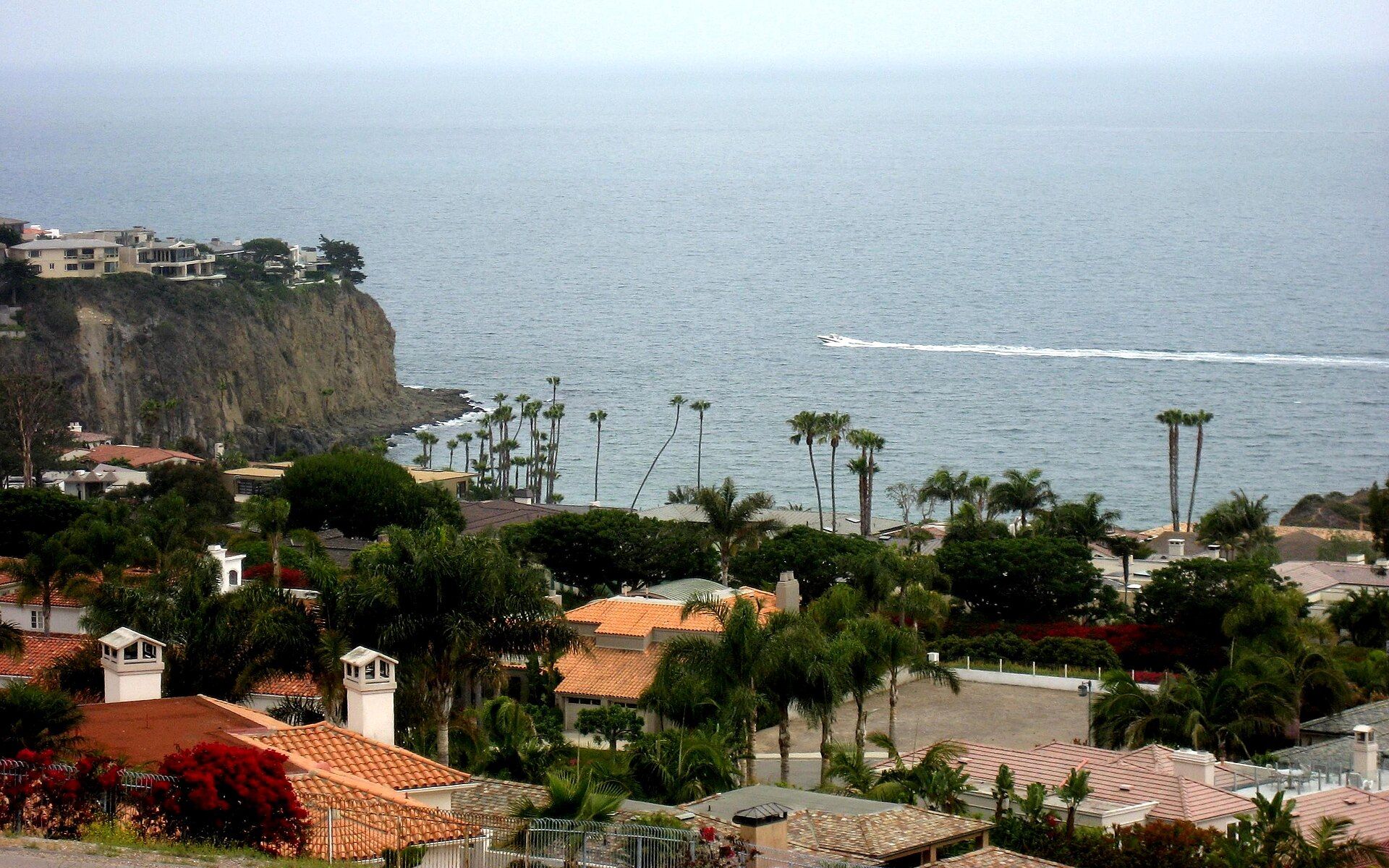
For buyers who want to stay connected to the Orange County coast, understanding Lake Forest beach access is an important part of deciding whether the city fits their lifestyle. Lake Forest is inland, but it is relatively close to the coast. The City’s Housing Element describes Lake Forest as being within about 7 miles northeast […]
Lake Forest Location, Commutes & Nearby Communities: A Local Guide
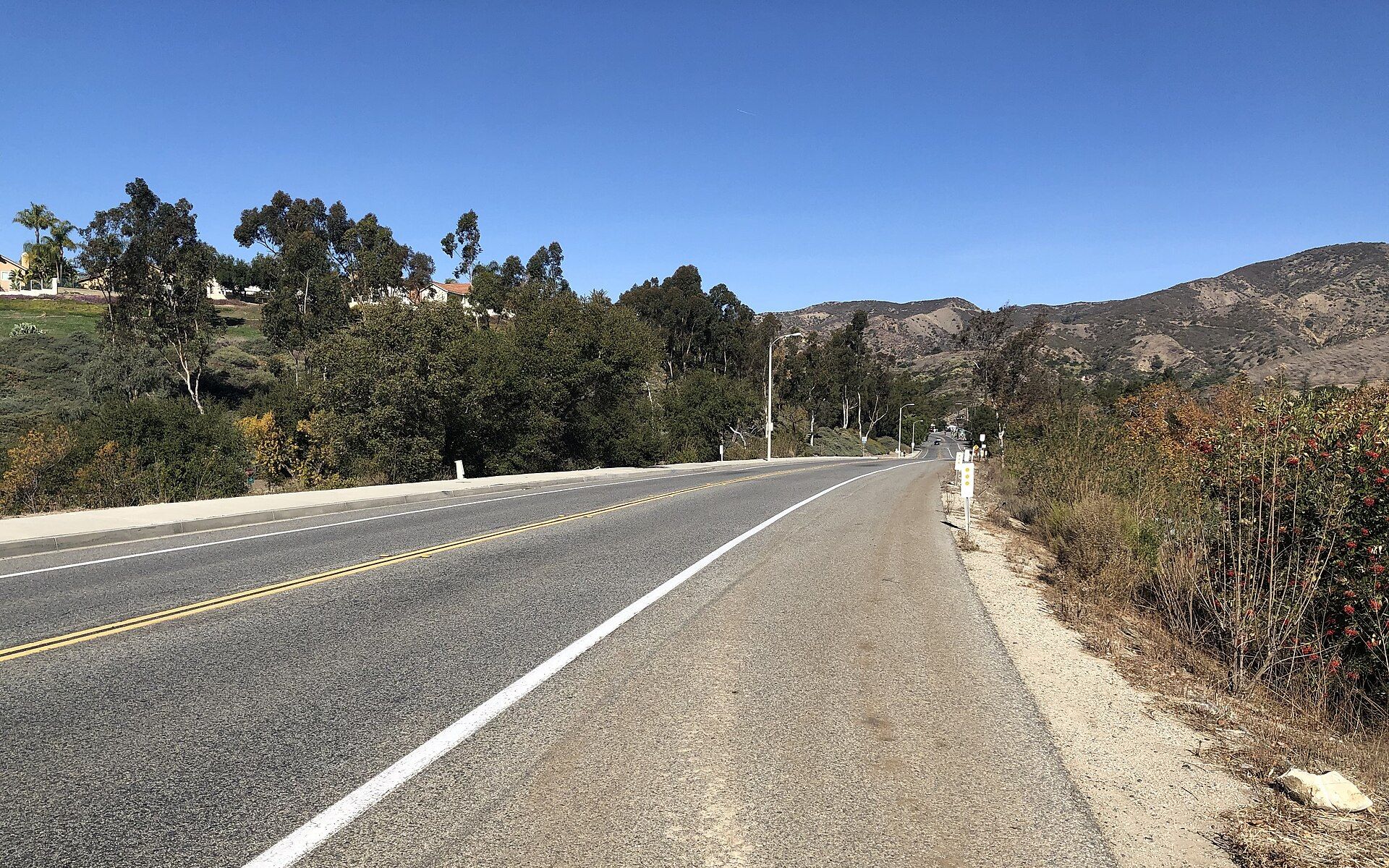
For buyers considering a move to South Orange County, understanding how a Lake Forest commute fits into everyday life can be just as important as choosing the right home or neighborhood. Lake Forest sits between several major South Orange County communities and has access to both I-5 and the SR-241 Toll Road, along with major […]
Lake Forest Neighborhoods & Master-Planned Living: What Buyers Should Know
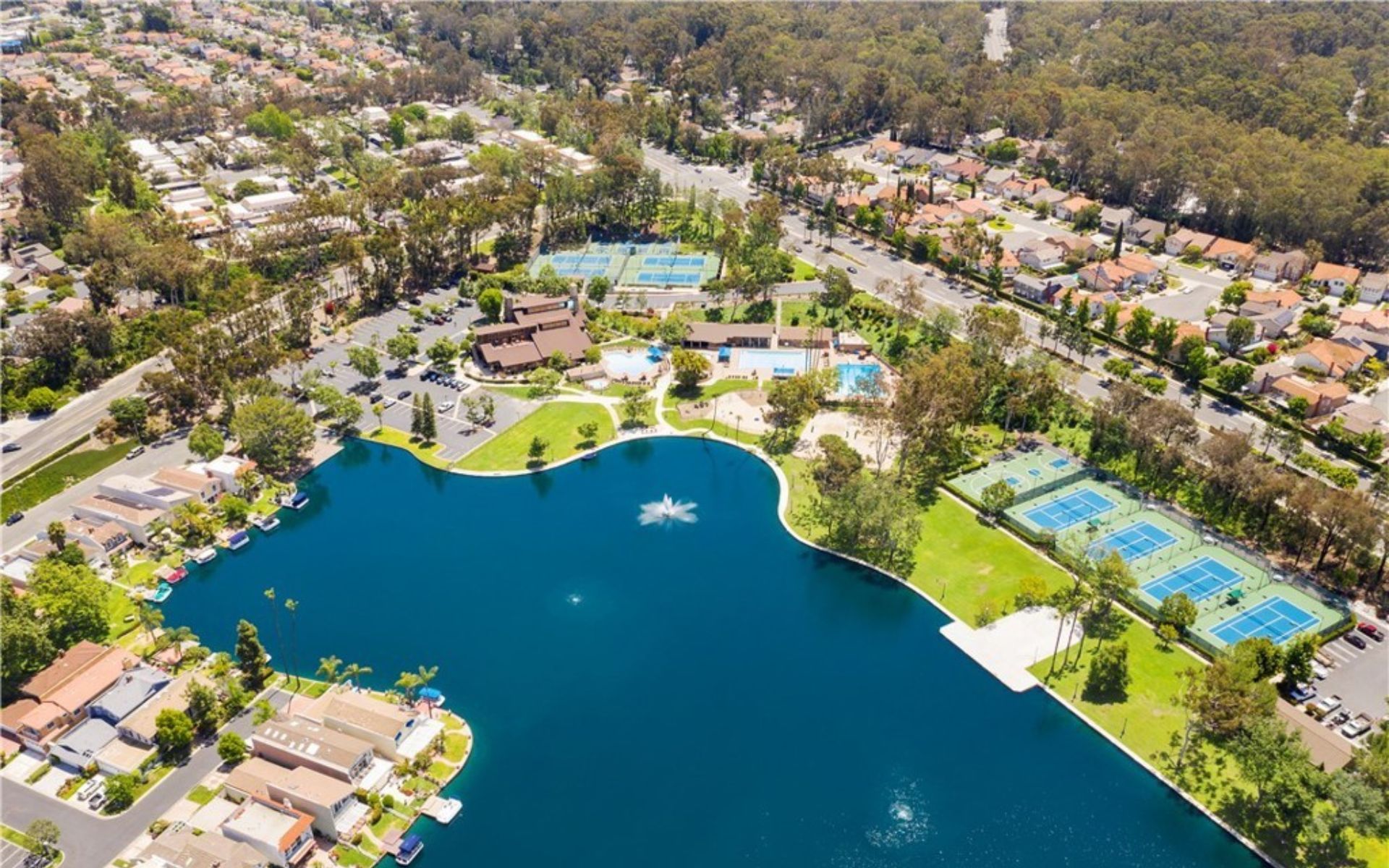
For buyers exploring Lake Forest neighborhoods, one of the first things to understand is how much the housing experience can change from one part of the city to another. Lake Forest includes older established residential areas, lake-oriented communities, foothill neighborhoods, gated developments, condominiums and townhomes, and newer master-planned communities. The City’s planning documents distinguish established […]
Join Our Mailing List
Are you interested in buying a home? Look no further than working with real estate experts.
Quick Links
Brokerage Info
25950 Acero., #100
Mission Viejo, CA 92691
DRE 01200533


All information is deemed reliable but not guaranteed and should be independently reviewed and verified.
Powered by Sprout Interactive

