
5 Reasons You’ll Love Living in Portola Hills and 3 Reasons It Might Not Be for You
If you’re considering living in Portola Hills, CA, you’re probably looking for more than a list of homes for sale.
You want to know what everyday life actually feels like.
Portola Hills sits in the eastern foothill area of Lake Forest in South Orange County, where residential neighborhoods meet hills, open space, trails, and nearby wilderness. The community offers a different feel from the more central parts of Lake Forest, with access to Whiting Ranch Wilderness Park, Portola Center, local parks, and regional routes including State Route 241.
For some buyers, that combination of foothill scenery, outdoor recreation, neighborhood amenities, and a quieter residential setting is exactly what they are looking for.
For others, limited shopping and dining within Portola Hills itself, wildfire and insurance considerations, or being farther from Interstate 5 and the coast may be important trade-offs.
Here are 5 reasons you may love living in Portola Hills and 3 reasons it might not be the right fit for you.
5 Reasons You’ll Love Living in Portola Hills
1. Portola Hills Offers Distinct Neighborhood and Home Choices
One of the first things buyers notice when researching Portola Hills real estate is that the housing is not limited to one style or one period of development.
Portola Hills includes established residential areas along with newer development associated with the larger Portola Hills Planned Community and Portola Center.
That creates a mix of housing types and neighborhood environments.
Depending on where you look, buyers may encounter detached homes, attached housing, condos, townhomes, hillside properties, newer construction, and communities with their own HOA amenities.
The exact street can also make a meaningful difference.
Some properties sit closer to Saddleback Ranch Road or Glenn Ranch Road. Others are positioned farther into residential areas, closer to hillsides, trails, parks, or open space.
For buyers, that means comparing Portola Hills homes should involve more than bedrooms, square footage, and price.
The neighborhood, elevation, views, HOA structure, age of the home, and relationship to surrounding open space can all affect the experience.
Coming next: Portola Hills Neighborhoods & Homes: What Buyers Should Know
2. Whiting Ranch, Trails and Open Space Are Close to Home
Outdoor access is one of the strongest lifestyle features of living in Portola Hills.
Whiting Ranch Wilderness Park sits immediately west and northwest of the Portola Hills and Portola Center area. The park encompasses roughly 2,500 acres and includes hiking, horseback riding, mountain biking, canyon scenery, rock formations, and an extensive trail network.
For residents who enjoy spending time outdoors, that puts a major Orange County wilderness area close to the neighborhood.
Portola Center adds another layer of local trail access. City plans include a public trail system, a roughly 1.5-mile Perimeter Trail, exercise stations, viewing and rest areas, and connections toward existing regional trails and Whiting Ranch.
This combination gives Portola Hills a different outdoor feel from communities where hiking and open space require a longer drive.
For buyers who value trails, hills, mountain biking, hiking, or simply having open space nearby, that can be one of the biggest reasons to consider Portola Hills.
Coming next: Portola Hills Parks, Trails & Whiting Ranch: A Local Guide
3. The Foothill Setting Offers Views and a More Residential Feel
Portola Hills occupies an elevated foothill setting with hills, slopes, open space, and long-range views forming part of the surrounding landscape.
Official planning documents for Portola Center describe higher-elevation areas with views toward Whiting Ranch, O’Neill Regional Park, Saddleback Mountain, portions of Lake Forest and Mission Viejo, and, from some elevated locations, longer-range views toward the Pacific Ocean.
Of course, not every Portola Hills home has a view.
Orientation, elevation, neighboring homes, landscaping, and the specific lot all matter.
But the overall setting can appeal to buyers who want something that feels more removed from dense commercial corridors.
You may notice more hills, ridgelines, open-space edges, and residential streets than you would in some of the flatter or more commercial parts of Orange County.
For buyers seeking a quieter foothill environment while remaining within South Orange County, Portola Hills deserves a closer look.
Coming next: Portola Hills Views & Foothill Living: What Home Buyers Should Know
4. SR-241 and Nearby South Orange County Communities Are Within Reach
Portola Hills feels tucked into the foothills, but it is not isolated from the rest of South Orange County.
Local routes including Saddleback Ranch Road, Glenn Ranch Road, Portola Parkway, and El Toro Road help connect the area with Foothill Ranch, central Lake Forest, Rancho Santa Margarita, Mission Viejo, and surrounding communities.
State Route 241, also known as the Foothill Transportation Corridor, is particularly relevant for many Portola Hills residents.
Portola Center itself is located northeast of SR-241, making the toll road an important regional connection for some commuters.
The usefulness of that location depends on where you need to go.
Someone whose daily routine is centered around eastern Lake Forest, Foothill Ranch, Rancho Santa Margarita, Irvine, or other nearby areas may view the location differently from someone who needs immediate access to Interstate 5.
That is why buyers should test the actual routes from the specific home they are considering.
Coming next: Portola Hills Location & Commute: SR-241, Portola Parkway & Nearby Communities
5. Parks, Pools and Planned Community Amenities Add to the Lifestyle
The Portola Hills area includes both established neighborhoods and newer planned development with parks, recreation, trails, and shared amenities.
Portola Center was planned with a 5-acre public park, multiple private neighborhood parks, recreation facilities, a swimming pool, public trails, and more than 44 acres of open space.
That creates another reason buyers may be drawn to the area.
For some households, having neighborhood recreation, trails, landscaped spaces, or HOA-maintained amenities close to home can add real value to everyday life.
But the amenities available to a particular property depend on the neighborhood and association.
Not every Portola Hills home belongs to the same HOA or provides access to the same facilities.
When comparing homes, look at the specific association, what amenities are included, what maintenance responsibilities apply, and whether those features are ones you will actually use.
Coming next: Portola Hills Community Amenities: Parks, Pools, Trails & Planned Living
3 Reasons Portola Hills Might Not Be for You
Portola Hills has a distinctive foothill lifestyle, but no community is right for every buyer.
These three considerations are worth understanding before deciding whether Portola Hills belongs at the top of your home search.
1. Shopping and Dining Are More Limited Within Portola Hills
Portola Hills is primarily residential.
While there are everyday businesses and commercial options in the surrounding area, buyers should not expect the same concentration of restaurants, retail, grocery stores, and services that they might find closer to major commercial corridors.
For many residents, Foothill Ranch and other parts of Lake Forest become important for shopping, groceries, restaurants, fitness, and everyday errands.
Nearby Rancho Santa Margarita also expands the available options.
That may not bother someone who values a quieter residential setting and is comfortable driving a short distance for errands.
But if your ideal neighborhood means walking to numerous restaurants, coffee shops, stores, or nightlife, Portola Hills may feel more residential than you want.
Coming next: Portola Hills Shopping & Dining: What’s Nearby and What Requires a Drive
2. Foothill Living Comes With Fire and Insurance Considerations
The hills and open space that help give Portola Hills its character also create an important home-buying consideration.
The City of Lake Forest’s safety planning has historically identified much of the Portola Hills and Foothill Ranch area within Very High Fire Hazard Severity Zones. California updated local Fire Hazard Severity Zone mapping in 2025, so buyers should check the current map for the exact property rather than rely on an older neighborhood-wide assumption.
Fire hazard and insurance are related, but they are not the same thing.
CAL FIRE specifically distinguishes fire hazard, which considers physical conditions such as vegetation, slope, and expected fire behavior, from the actual risk to a specific home after factors such as mitigation and home hardening are considered.
For buyers, the practical step is to investigate early.
Before becoming committed to a property, review its current fire-hazard designation, ask about applicable HOA or community requirements, and obtain property-specific insurance information.
This is not a reason to automatically rule out Portola Hills.
It is a reason to do the homework before buying.
Coming next: Portola Hills Fire Risk & Home Insurance: What Buyers Should Research
3. You’re Farther From I-5 and the Orange County Coast
Portola Hills is an inland foothill community.
Interstate 5 does not run directly through the neighborhood, and Portola Hills is not located on the Orange County coast.
For many residents, SR-241, Portola Parkway, Glenn Ranch Road, and El Toro Road are more relevant to everyday travel than immediate I-5 access.
Whether that matters depends on your lifestyle.
If much of your routine stays in eastern Lake Forest, Foothill Ranch, Rancho Santa Margarita, or nearby South Orange County communities, the location may work very well.
If you commute daily along Interstate 5 or want beaches such as Laguna Beach, Dana Point, or San Clemente to be part of your everyday routine, you should test those drives before buying.
A map may show that the coast or freeway is reachable.
Your actual route at the time you normally travel tells you much more.
Coming next: Portola Hills Inland Location: Freeway & Beach Access Tradeoffs
So, Is Living in Portola Hills Right for You?
The answer depends less on whether Portola Hills is a “good” place to live and more on whether the location and lifestyle match what you want.
Portola Hills may be worth a closer look if you value:
- Foothill neighborhoods
- Whiting Ranch Wilderness Park nearby
- Hiking and mountain biking access
- Trails and open space
- Hillside and long-range views from some properties
- A quieter residential setting
- Parks and community recreation
- Access to SR-241
- A mix of established and newer homes
- Proximity to Foothill Ranch, Lake Forest, and Rancho Santa Margarita
You may want to compare other Orange County communities if your priorities include:
- Walkable shopping and dining immediately outside your neighborhood
- Immediate Interstate 5 access
- Living close to the coast
- Avoiding foothill wildfire considerations
- A denser urban or mixed-use environment
Neither list is better.
The goal is to find the neighborhood that matches the way you actually want to spend your days.
Frequently Asked Questions About Living in Portola Hills
Where is Portola Hills?
Portola Hills is a foothill residential community in the northeastern portion of Lake Forest, California, in South Orange County.
The broader Portola Hills Planned Community includes established residential areas as well as the Portola Center development. City planning documents identify Portola Center as part of the larger Portola Hills Planned Community.
Is Portola Hills part of Lake Forest?
Yes. Portola Hills is within the City of Lake Forest and is recognized in city planning documents as the Portola Hills Planned Community.
What is Portola Center?
Portola Center is a newer development within the broader Portola Hills Planned Community.
City plans call for a mix of single-family and multifamily housing, commercial space, public and private parks, trails, recreation facilities, and open space around the Glenn Ranch Road and Saddleback Ranch Road area.
Is Whiting Ranch close to Portola Hills?
Yes.
Whiting Ranch Wilderness Park borders the Portola Hills/Portola Center area to the west and northwest, and local trail planning includes connections toward the wilderness park.
What outdoor activities are near Portola Hills?
Whiting Ranch Wilderness Park offers hiking, mountain biking, horseback riding, and trails through canyons, hills, and rock formations.
Portola Center also includes planned public trails, open space, parks, and recreation areas.
What roads serve Portola Hills?
Important local routes include Saddleback Ranch Road, Glenn Ranch Road, Portola Parkway, and El Toro Road.
State Route 241 provides an important regional connection for some residents.
What school district serves Portola Hills?
Portola Hills is served by the Saddleback Valley Unified School District.
Portola Hills Elementary School is located on Saddleback Ranch Road and serves grades K–6. Buyers should use the district’s current School Locator to confirm attendance boundaries for a specific property.
Does Portola Hills have shopping and restaurants?
Portola Hills itself is primarily residential.
Residents have access to shopping, restaurants, groceries, and services in nearby areas including Foothill Ranch and other parts of Lake Forest, with additional options in Rancho Santa Margarita and surrounding communities.
Is Portola Hills close to SR-241?
Yes. SR-241 is an important regional route near Portola Hills and Portola Center. The usefulness of the toll road depends on the specific property and destination.
Does Portola Hills have wildfire considerations?
Foothill and open-space areas around Portola Hills have fire-hazard considerations. Buyers should check the latest CAL FIRE and City of Lake Forest mapping for the specific property and obtain property-specific insurance information before purchasing.
Is Portola Hills the Right South Orange County Community for You?
Portola Hills offers a different version of Lake Forest living.
Its foothill setting, proximity to Whiting Ranch, open space, trails, residential neighborhoods, planned amenities, and access to SR-241 can make it especially appealing to buyers who want outdoor recreation and a more residential environment.
At the same time, shopping and dining require more driving than in some areas, foothill properties deserve careful fire and insurance research, and the community is farther from Interstate 5 and the coast.
That is why choosing a home in Portola Hills should involve more than comparing bedrooms, square footage, and list price.
The neighborhood, elevation, views, trails, HOA structure, fire-hazard information, commute, shopping access, and proximity to the places you actually use can all influence whether a particular home is the right fit.
Explore More About Living in Lake Forest
Portola Hills is one part of the larger Lake Forest community, and buyers comparing homes in South Orange County may also want to explore how other parts of Lake Forest differ in neighborhoods, amenities, shopping, recreation, commute, and overall lifestyle.
5 Reasons You’ll Love Living in Lake Forest and 3 Reasons It Might Not Be for You
Recent Updates
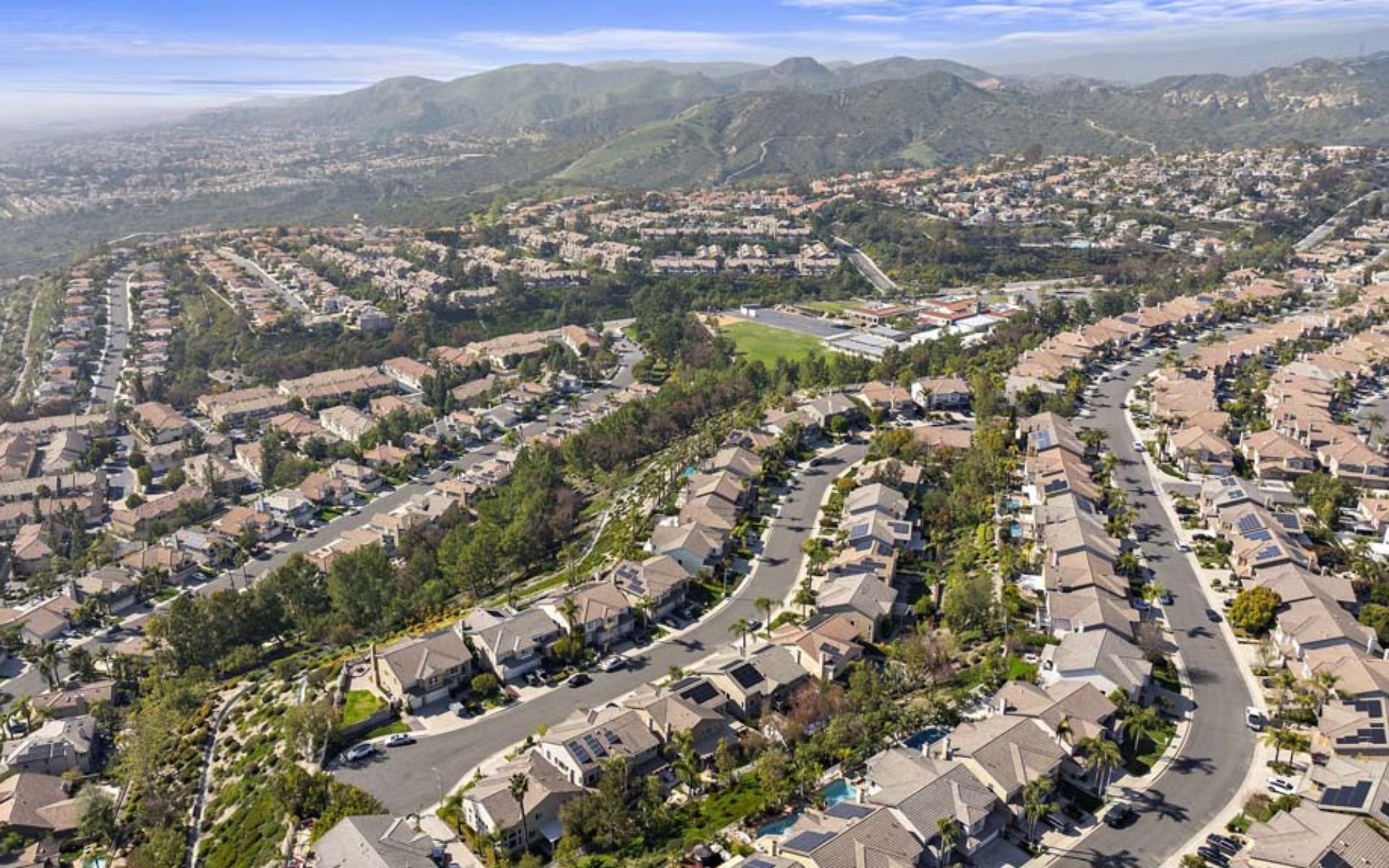
Portola Hills Neighborhoods and Homes: What Buyers Should Know
If you’re comparing Portola Hills neighborhoods and homes, one of the first things to understand is that Portola Hills is not a single subdivision with one type of property. Located on the foothill side of Lake Forest, California, Portola Hills includes established residential neighborhoods along with newer development around Portola Center. Buyers can find detached […]
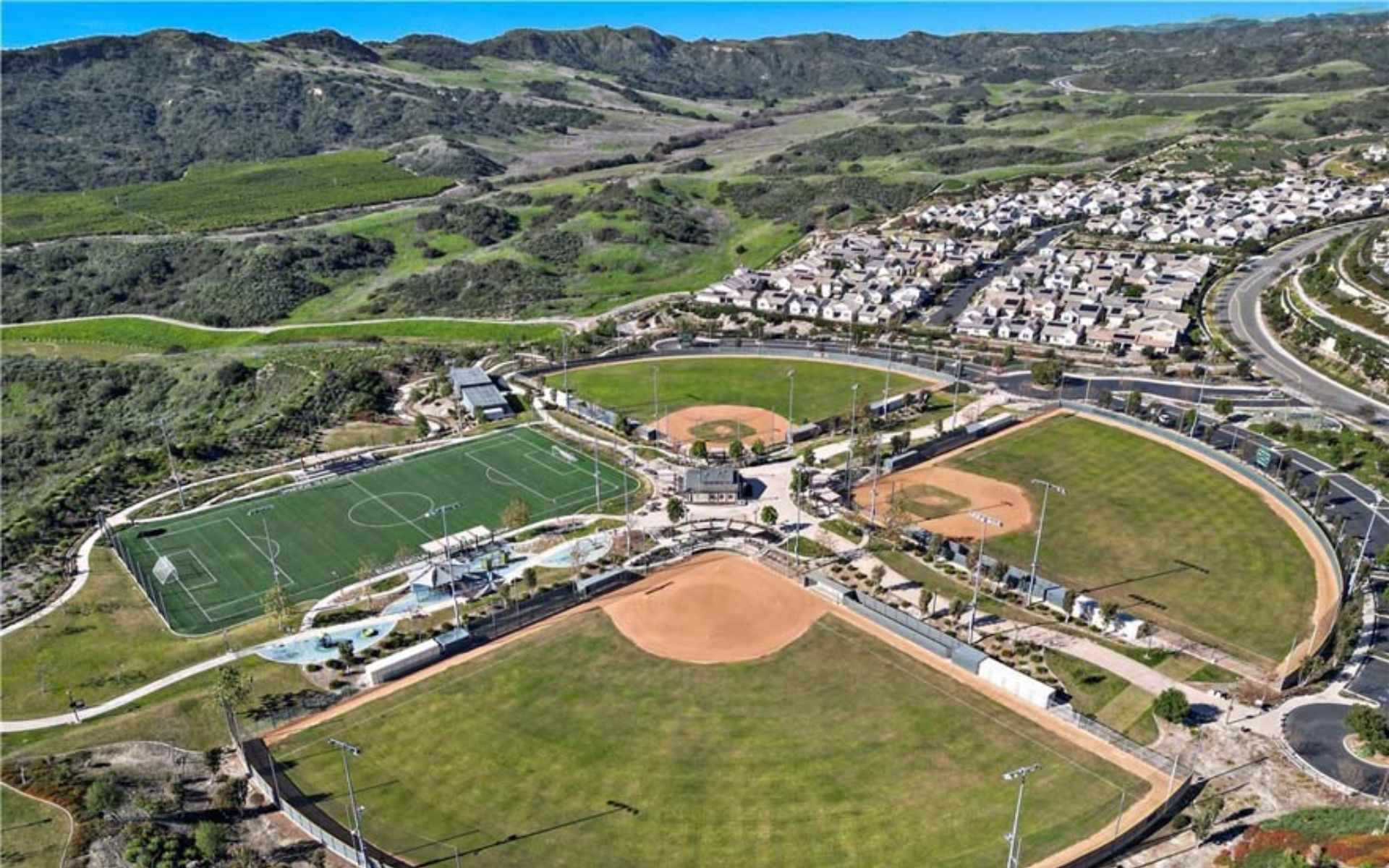
Ladera Ranch Inland Location: Beach and Freeway Access for Home Buyers
If you’re considering buying a home in Ladera Ranch, the Ladera Ranch inland location is an important lifestyle factor to understand before deciding whether the community fits the way you want to live. Ladera Ranch sits in South Orange County near Mission Viejo, Rancho Santa Margarita, Rancho Mission Viejo, and San Juan Capistrano. It offers […]
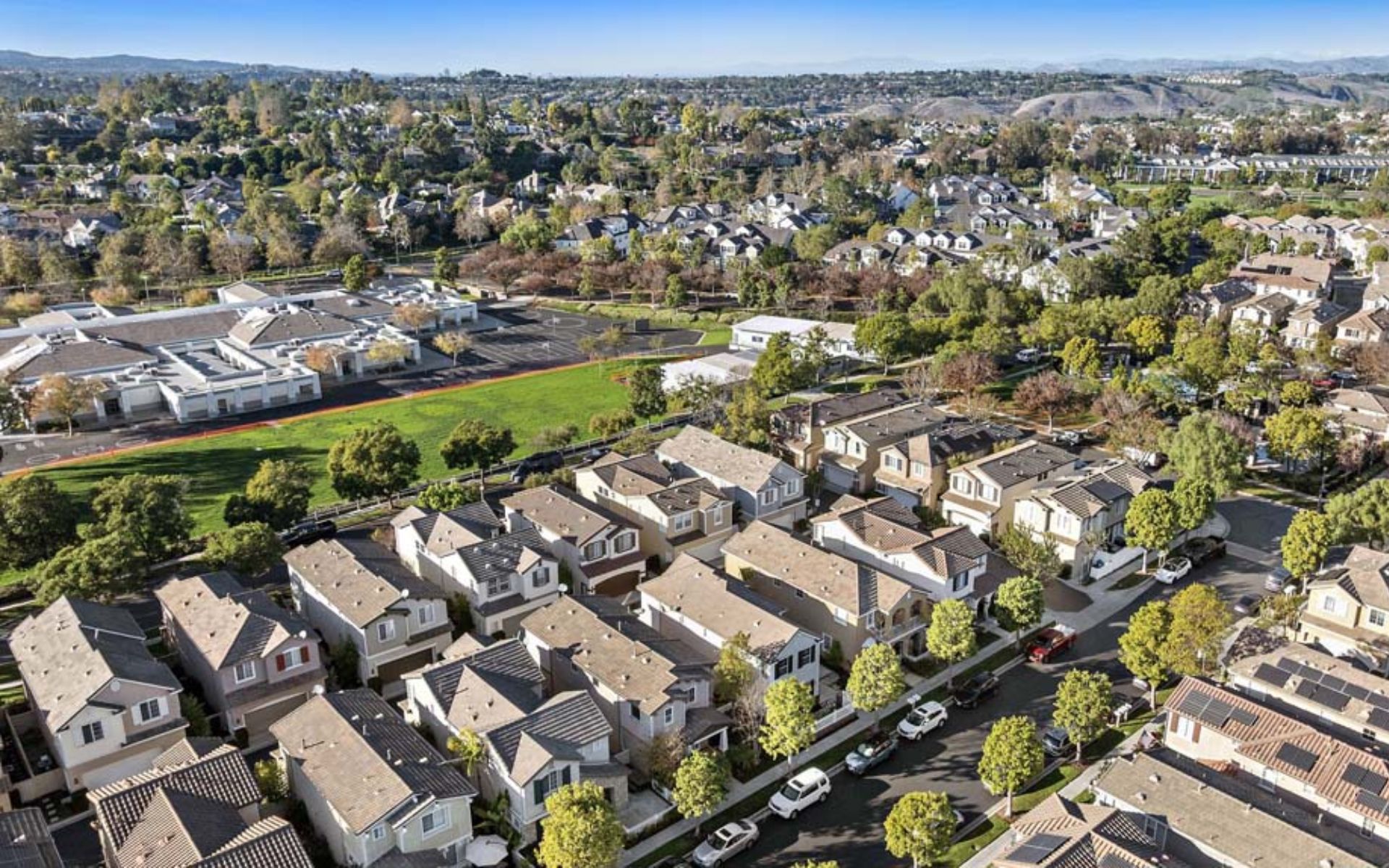
Is Ladera Ranch Too Master-Planned? What Homebuyers Should Know
If you’re considering buying a home in the Ladera Ranch master-planned community, one of the biggest things to understand is how intentionally the neighborhoods, architecture, landscaping, parks, trails, shopping areas, and shared amenities were designed to work together. Ladera Ranch was developed as a large master-planned community with distinct villages and districts, coordinated streetscapes, parks, […]
Join Our Mailing List
Are you interested in buying a home? Look no further than working with real estate experts.
Quick Links
Brokerage Info
25950 Acero., #100
Mission Viejo, CA 92691
DRE 01200533


All information is deemed reliable but not guaranteed and should be independently reviewed and verified.
Powered by Sprout Interactive

