
Avoid Future Costs: Smart Homebuyer Moves to Save You Money Later

Buying a home is one of the biggest investments most people ever make—and while it’s easy to focus on the price tag upfront, the smartest buyers are also thinking about long-term costs. A little planning now can help you avoid expensive surprises later.
Here are a few strategic moves that can protect your wallet after closing:
1. Never Skip the Inspection
Even in a hot market, waiving the home inspection can be risky. A qualified inspector can identify hidden issues like water damage, faulty wiring, or structural concerns. Knowing what you’re buying gives you the power to negotiate repairs—or walk away if the costs are too high.
2. Evaluate the Age of Major Systems
Before falling in love with the aesthetics, dig into the details. How old is the roof? When was the HVAC last serviced? What’s the condition of the plumbing and electrical? Replacing these systems can be costly. Homes with recent upgrades might carry a higher price but save you more over time.
3. Budget for Annual Maintenance
Owning a home means maintaining it. Experts recommend setting aside 1–2% of your home’s value each year for routine upkeep. This covers everything from small fixes to larger repairs and helps prevent deferred maintenance from turning into a major expense.
4. Understand HOA Rules and Fees
If the home is in a neighborhood with a homeowners association, take a close look at the monthly dues and what they include. Ask if any special assessments are planned, and be sure the rules align with your lifestyle—some HOAs have strict guidelines that can affect how you use your home.
5. Look Beyond the Property Lines
Smart buyers consider more than just the house itself. Think about local property tax rates, insurance premiums, commute times, and school districts. Even potential zoning changes or future developments in the area can affect your long-term costs and resale value.
Final Thought
Being proactive during the buying process doesn’t just help you find a home you love—it helps you keep loving it for years to come. Avoiding future costs starts with asking the right questions and making informed decisions from day one.
Recent Updates

How Far Is Lake Forest From the Beach? What Buyers Should Know
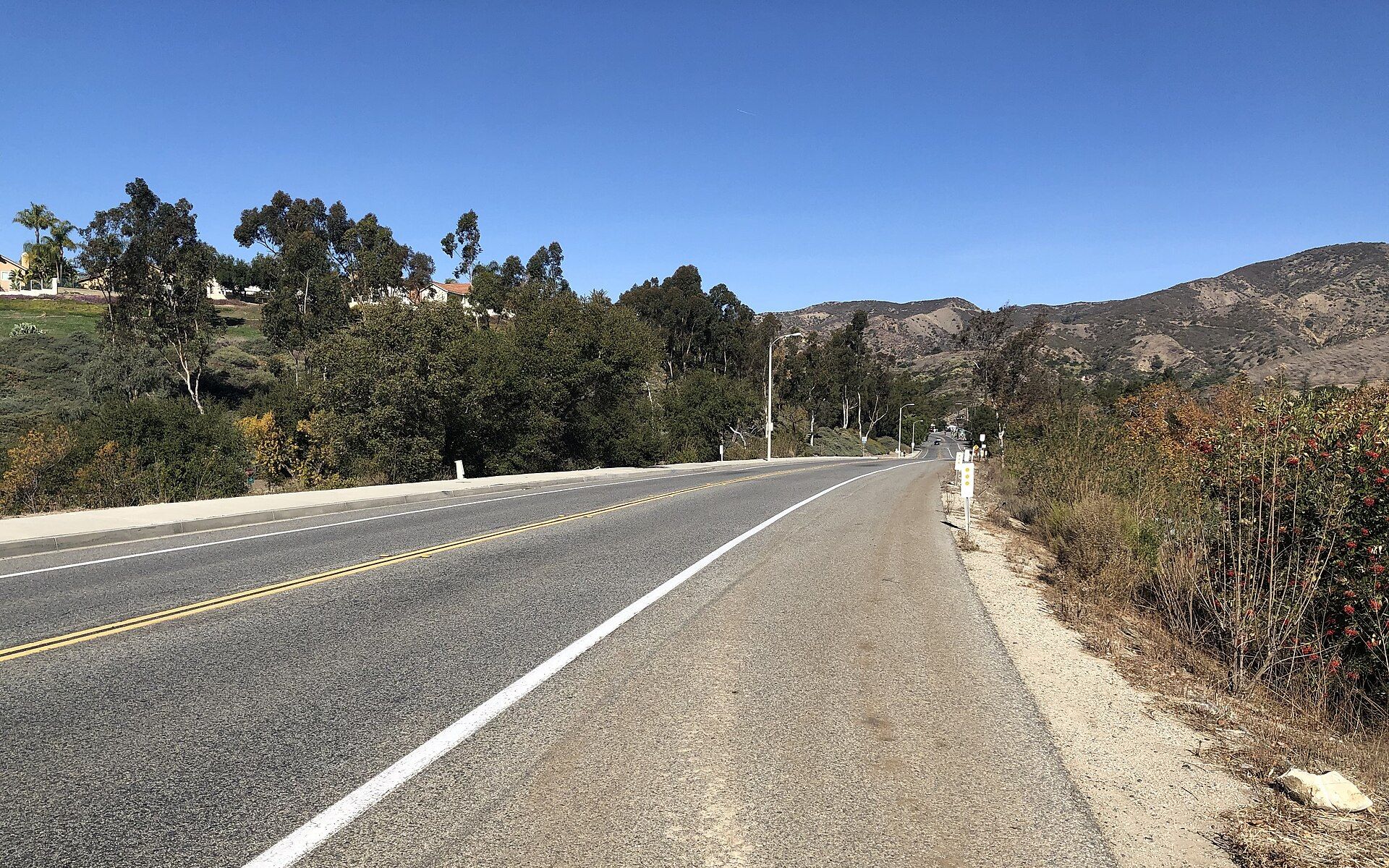
For buyers who want to stay connected to the Orange County coast, understanding Lake Forest beach access is an important part of deciding whether the city fits their lifestyle. Lake Forest is inland, but it is relatively close to the coast. The City’s Housing Element describes Lake Forest as being within about 7 miles northeast […]
Lake Forest Location, Commutes & Nearby Communities: A Local Guide
For buyers considering a move to South Orange County, understanding how a Lake Forest commute fits into everyday life can be just as important as choosing the right home or neighborhood. Lake Forest sits between several major South Orange County communities and has access to both I-5 and the SR-241 Toll Road, along with major […]
Lake Forest Neighborhoods & Master-Planned Living: What Buyers Should Know
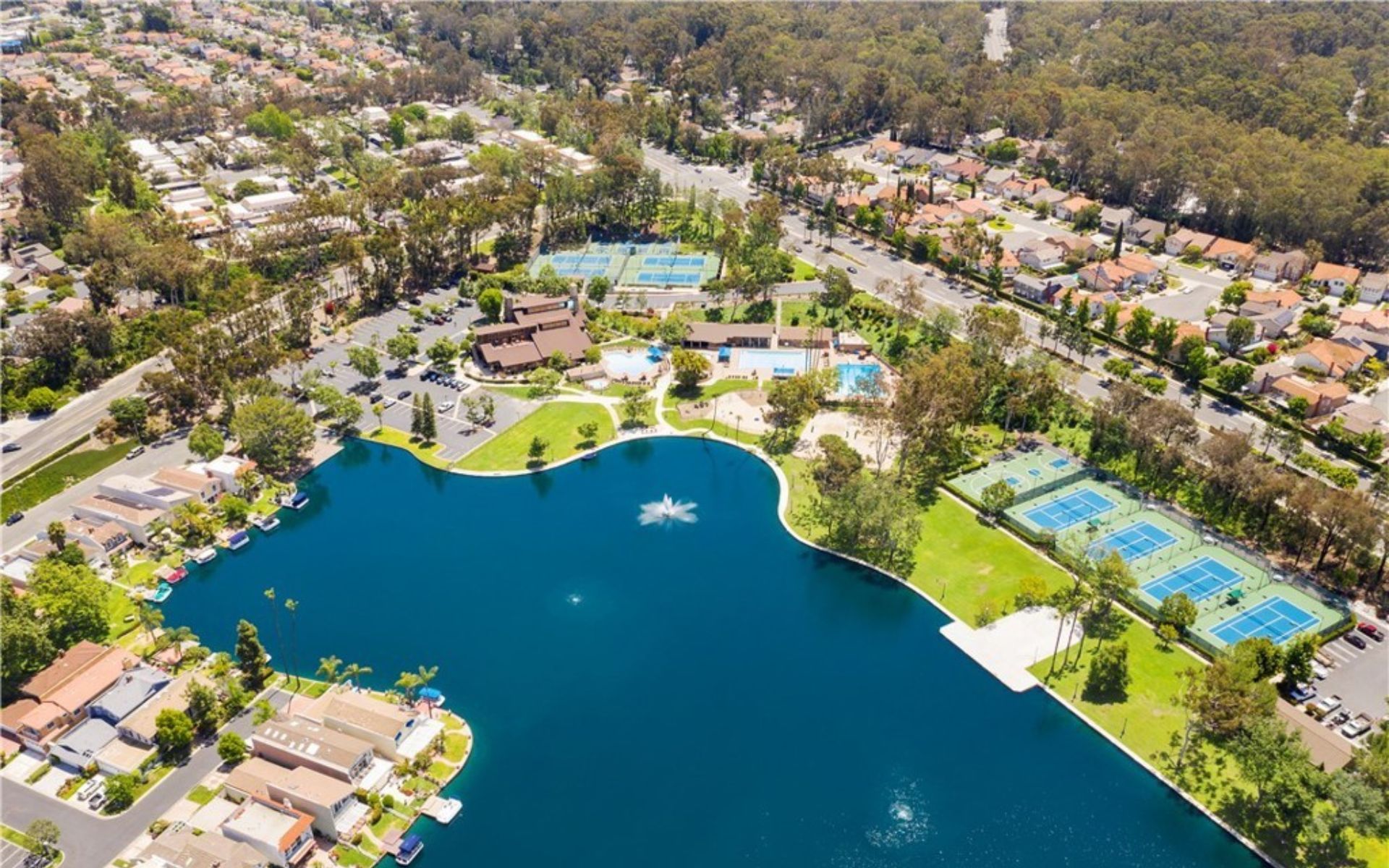
For buyers exploring Lake Forest neighborhoods, one of the first things to understand is how much the housing experience can change from one part of the city to another. Lake Forest includes older established residential areas, lake-oriented communities, foothill neighborhoods, gated developments, condominiums and townhomes, and newer master-planned communities. The City’s planning documents distinguish established […]
Join Our Mailing List
Are you interested in buying a home? Look no further than working with real estate experts.
Quick Links
Brokerage Info
25950 Acero., #100
Mission Viejo, CA 92691
DRE 01200533


All information is deemed reliable but not guaranteed and should be independently reviewed and verified.
Powered by Sprout Interactive

